Category Archives: food safety training

Romania – Shellfish meat – Listeria monocytogenes

ANSVSA

Shellfish Meat (Lots 1318 & 1321; Best before 06.12.2023) due to Listeria monocytogenes contamination.

Belgium – Fine rye flour (2.5kg) of the brand ‘t Korenveld – Ergot Alkaloids

AFSCA

Recall by Maalderij Roosens NV
Product: Fine rye flour (2.5kg) of the brand ‘t Korenveld.
Problem: Presence of ergot alkaloids.


In agreement with the FASFC, Maalderij Roosens withdraws the product “fine rye flour” (2.5kg) of the brand ‘t Korenveld from sale and recalls it from consumers due to the presence of ergot alkaloids rye. Ergot alkaloids (EA) are mycotoxins produced by several species of fungi of the genus “claviceps”.

Maalderij Roosens asks its customers not to consume this product and to return it to the point of sale where it was purchased, where it can be exchanged for a new one.

Product description

– Product name: Rye flour
– Brand: ‘t Korenveld
– Best before dates (BDD) (“Best before (or end)”): 21-08-2022, 04-09-2022 , 15-09-2022 & 16-09-2022
– Batch numbers: see DDM
– Sales period: from 21/02/2022 to 28/03/2022
– Type of packaging: Brown paper bag with inscription ‘ t Korenveld and blue and white label.
– Weight: 2.5kg

The product was distributed by:

Aerts-Hellings Sint Oederodeseweg 51 NL-5681 PJ Best
De Ridder Goossens Schoolstraat 33 2520 Ranst
Geukens Willy Wilders 87 2440 Geel
Haesen-Mertens Velveken 3 2440 Geel
Habbyvoeders Donckers Mortelstraat 13 2960 Brecht
Horta Brasschaat Miksebaan 195 2
Leyen Karel Venlosesteenweg 136 3680 Maaseik
Horta Bornem Klein Mechelen 35 2880 Bornem

For further information , contact:

Mr. Vincent Gysels tel. 03 658 58 88 – vincent@maalderijroosens.be
Maalderij Roosens, Metropoolstraat 3-4, 2900 Schoten

France – Strasbourg salad sold at the stand with service – Listeria monocytogenes

Gov france

Identification information of the recalled product

  • Product category Food
  • Product subcategory Prepared meals and snacks
  • Product brand name unbranded (sold at the stand department with service)
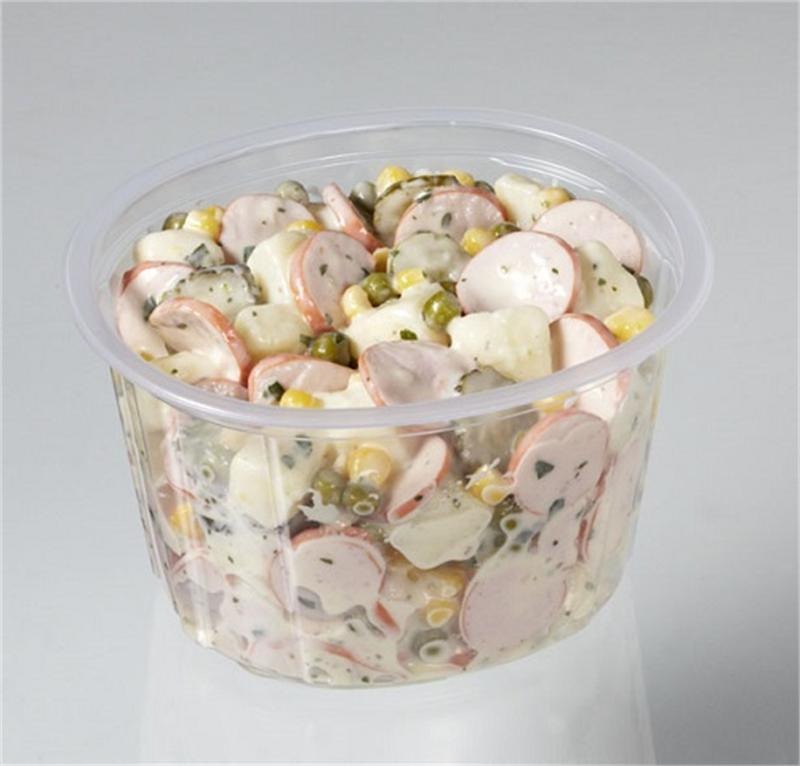
  • Model names or references Strasbourg salad (cooked potato salad and slices of frankfurter sausage seasoned with vinaigrette sauce)
  • Identification of products
    Batch
    product sold from 04/04/2022 to 08/04/2022
  • Marketing start/end date From 04/04/2022 to 08/04/2022
  • Storage temperature Product to be stored in the refrigerator
  • Health mark/
  • Geographic area of ​​sale Store cora Vesoul (70)
  • Distributors Cora Vesoul

Practical information regarding the recall

  • Reason for recall presence of listeria
  • Risks incurred by the consumer Listeria monocytogenes (causative agent of listeriosis)

UK – ‘Don’t take the risk’: The FSA, FSS and UKHSA issue reminder that a range of Kinder egg products and Schoko-Bon’s should not be eaten this Easter weekend

FSA

The agencies are continuing to work with Public Health Scotland, Public Health Wales, Public Health Agency Northern Ireland – as well as international public health and food safety authorities – to investigate an ongoing outbreak of Salmonella linked to certain Kinder egg product ranges and Schoko-Bons produced at one of the Ferrero company’s factories, in Arlon, Belgium.

Full details on the products affected and the recall can be found here (Opens in a new window).

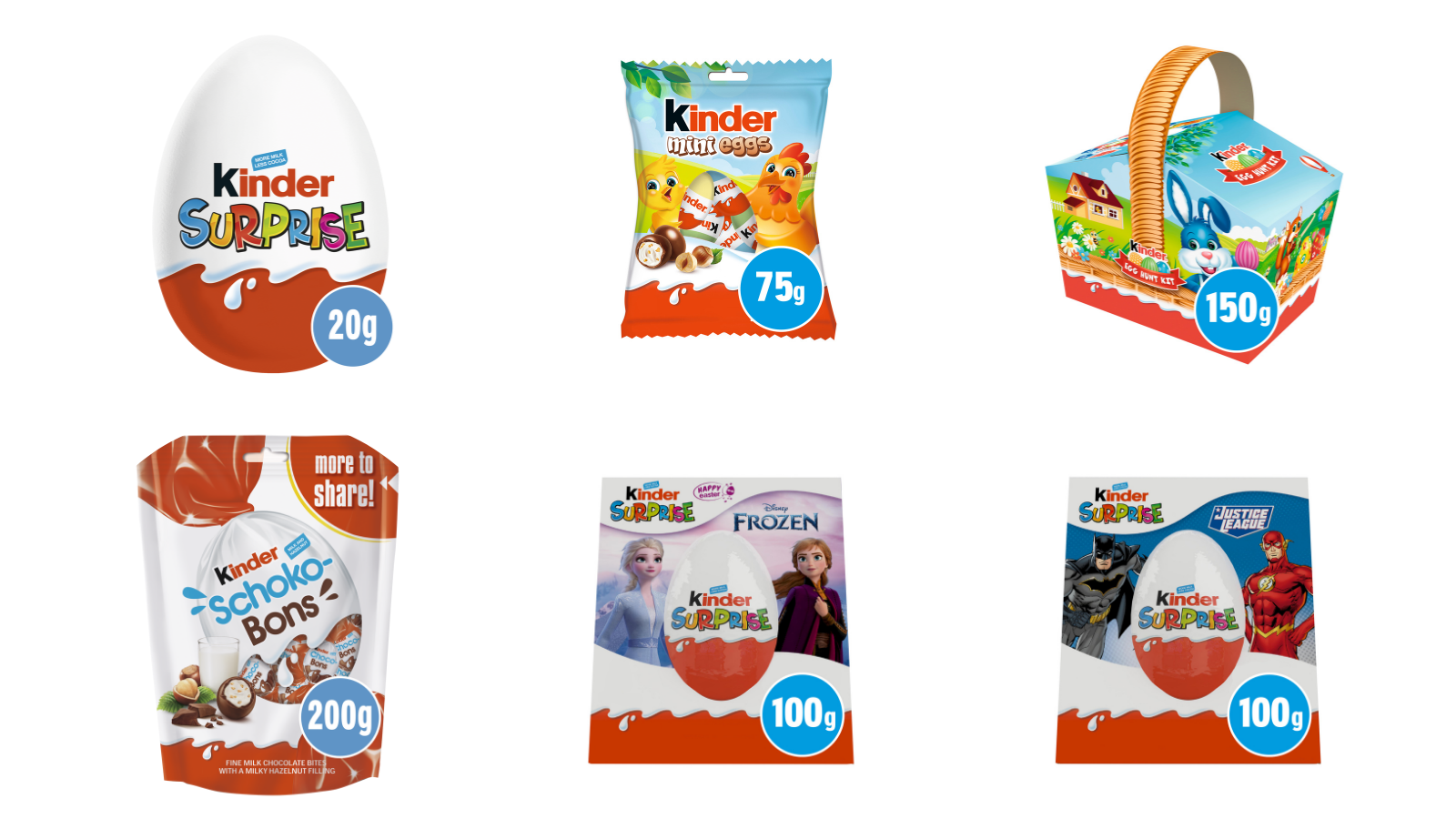
Kinder product recall items

As of 15 April, there are 70 cases linked to this outbreak in the UK. The majority of the cases are in children under 5 years of age.

Emily Miles, Chief Executive of the Food Standards Agency said:

“As we go into the Easter weekend, we are strongly urging consumers to follow the advice in the latest recall notice and to check any Kinder products they might have already bought against the list detailed in the notice, as they may pose a risk to health. If they do have any products on the list, they should not eat them and should discard them immediately.

“We have emphasised to the business and the authorities in Belgium the importance of taking a precautionary approach to their recall and trust that they will continue to put consumers’ needs first in any action they take.”

Dame Jenny Harries, Chief Executive of the UK Health Security Agency (UKHSA), said:

“We’re reminding people of the recall this Bank Holiday weekend as it’s possible these products have been bought and stored as gifts, or for events such as Easter trails.

“It’s crucial these products are not eaten and are discarded. Salmonella infection can be severe and many children affected in this outbreak have been very unwell and hospitalised, so anyone giving chocolate products to friends or family should take extra care to ensure their Easter gifts are not amongst those products recalled.

“Thank you to parents and guardians  who worked with us and other public health authorities in the UK to tell us what their children had eaten prior to becoming unwell – this allowed us to rapidly pinpoint a potential source of infection and helped food chain investigations both in this country and in Europe. We understand this has been a worrying time for these families, and their responses have helped to prevent more children and vulnerable adults being affected.”

Symptoms of salmonellosis – or infection with salmonella – typically resolve themselves within a few days. However, symptoms can be more severe, especially in young children, those who are pregnant and those with weakened immune systems.

Anybody with concerns that they have symptoms of salmonellosis should contact their GP or call NHS 111. Salmonella can be spread from person to person as well as from food, so anyone affected should adhere to good hygiene practices, such as washing hands thoroughly after using the bathroom and avoiding handling food for others where possible, if you have symptoms.

Notes to Editors:

The following products have been recalled and regardless of best-before date, should not be eaten.

The recall includes:

Kinder Surprise 20g & 3x 20g

Kinder Surprise 100g

Kinder Egg Hunt

Kinder Mini Eggs

Kinder Schoko-Bons

Research – Safety and Quality of Canned Sardines after Opening: A Shelf-Stability Study

MDPI

This study aimed to define the shelf life of canned sardines after opening to increase consumer awareness of their quality and safety and reduce food waste. For this purpose, canned sardines (Sardina pilchardus) packed with different sauces were opened and stored at 4 °C for 7 days. Microbiological, sensorial, physical and chemical stability was monitored daily by standard methodologies. Results show that the overall quality and safety are highly dependent on the sauce type. To preserve their full quality, sardines in brine and in vegetable oil should be consumed up to 1 day after opening, while sardines in tomato sauce were stable for up to 3 days, although none were considered nonedible up to the 7th day. Many parameters demonstrated statistical differences and correlations with storage, although they were not as decisive as sensory evaluation. This integrated approach should be adopted by the food industry and regulating authorities to provide information to consumers regarding the quality and safety of handled goods. View Full-Text

USA – Public Health Alerts Residents of Possible Exposure to Hepatitis A at Sunlife Organics Juice Bar in West Hollywood California

Food Poison Journal

The Los Angeles County Department of Public Health (Public Health) is working with Sunlife Organics Juice Bar in West Hollywood to alert consumers of a possible hepatitis A exposure. 
The Los Angeles County Department of Public Health identified hepatitis A virus infection in a food handler who worked at this location.

No additional cases have been identified at this time.

Public Health recommends hepatitis A vaccination for patrons who consumed food or beverages from Sunlife Organics in West Hollywood between March 14–17, 2022. Vaccination is not necessary for people who previously completed the hepatitis A vaccine series or are known to have a past infection. To prevent infection or reduce illness, hepatitis A vaccine should be administered within 14 days after a known exposure.

Hepatitis A vaccinations might be available through local pharmacies or physicians’ offices. In addition, Public Health will be offering free hepatitis A vaccinations to exposed persons at:

Hollywood Wilshire Health Center 
5205 Melrose Ave. 
Los Angeles, CA 90038

· Sunday, March 27, 2022 from 10am-1pm

· Monday, March 28, 2022 from 10am – 1pm

· Tuesday, March 29, 2022 from 8am – 4pm

Most people will have protective levels of antibody after one dose of the Hepatitis A vaccine but can choose to visit their primary care provider to complete the series with a second dose 6 months after receiving their first dose.

Hepatitis A is a liver infection caused by the hepatitis A virus. Hepatitis A causes acute liver disease, which may be severe. Hepatitis A is highly contagious and can be spread from person-to-person through the fecal-oral route (when contaminated feces from an infected person are somehow ingested by another person during close personal contact) or by eating or drinking contaminated food or water). Most adults with acute hepatitis A will have symptoms that may include fever, fatigue, nausea, vomiting, abdominal pain, dark colored urine and jaundice (yellowing of the skin or eyes). There is no specific antiviral treatment.

Vaccination is the best way to prevent disease. In addition, infection can be prevented by vaccination within 14 days after a known exposure to a person with infectious hepatitis A. Older adults and people with weakened immune systems might benefit from receiving immune globulin (IG) in addition to hepatitis A vaccination for prevention after an exposure. For any questions about hepatitis A or the need for immune globulin, Public Health recommends that you speak to your primary care provider. If you do not have a regular provider, call 2-1-1 for assistance.

Public Health will continue monitoring all known individuals who may have been exposed to individuals ill with hepatitis A

Czech Republic – Liver pate – Listeria monocytogenes

Potravinynapranyri

Place of inspection:
Lisov ( Lazna 1051 / 18f, 37372 Lisov )
Company ID: 28149963
Unsatisfactory parameter:

Listeria monocytogenes

The pathogenic bacterium Listeria monocytogenes was detected in the product . This bacterium can cause a condition called listeriosis.

Expiration date: 12/17/2021
Producer: Jatka Lisov – Petr Cihal sro,
Country of origin:  Czechia
Sampling date: 8. 12. 2021
Reference number: 22-000026-SVS-CZ
The sample was found by an official inspection of the State Veterinary Administration.

USA – Webinar on the Foodborne Outbreak Response Improvement Plan – April 13th 2022

FDA

New Era for Smarter Food Safety

The U.S. Food and Drug Administration (FDA) is holding a webinar on the Foodborne Outbreak Response Improvement Plan that the agency released in early December 2021.

Deputy FDA Commissioner Frank Yiannas and FDA experts across agency’s human foods program will be available to explain and answer questions about the plan with the goal of raising awareness, enhancing understanding, and building support. Stakeholders are welcome to provide their insights as well as ask questions.

This response improvement plan focuses on tech-enabled product traceback, root cause investigations, analysis and dissemination of outbreak data, and operational improvements. It is intended to work in concert with FDA’s New Era of Smarter Food Safety Blueprint, which outlines specific approaches the FDA will take over the next decade to address food safety in the rapidly changing food system.

The plan was also informed by an independent review of the FDA’s structural and functional capacity to support, participate in, or lead multistate foodborne illness outbreak investigation activities. You will hear more about that review in this webinar.

The speakers will be:

  • Frank Yiannas, Deputy Commissioner for Food Policy and Response
  • RADM David Goldman, Chief Medical Officer, Office of Food Policy and Response
  • Stic Harris, Director, FDA’s Coordinated Response and Evaluation Network (CORE)
  • CDR Kari Irvin, Deputy Director, CORE
  • Scott MacIntire, Program Director, Office of Human and Animal Food Operations – West
  • Craig Hedberg, University of Minnesota, author of “An Independent Review of FDA’s Foodborne Outbreak Response Processes”

The webinar will also be recorded and posted to the FDA website.

You are also welcome to submit questions during the webinar to SmarterFoodSafety@fda.hhs.gov.

Registration

Registration is required. There will be an opportunity to ask questions in advance on the registration form.

REGISTERExternal Link Disclaimer

Additional Information

USA – New Era of Smarter Food Safety: FDA’s Foodborne Outbreak Response Improvement Plan

I. What progress have we made to date?

The FDA and its par

FDA

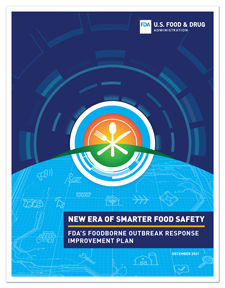
New Era of Smarter Food Safety - FDA's Foodborne Outbreak Response Improvement Plan Cover

Tackling foodborne outbreaks faster and revealing the root cause are essential for the prevention of future outbreaks. We have a plan to do that.

Foodborne disease remains a significant public health problem in the United States. The FDA’s Foodborne Outbreak Response Improvement Plan (FORIP), described in this document, is an important step that the FDA is taking to enhance the speed, effectiveness, coordination, and communication of outbreak investigations. (Unless stated otherwise, this report focuses exclusively on the response to human food and not animal food.)

Our ultimate goal is to bend the curve of foodborne illness in this country.


Australia – Don’t take a risk with food safety during and after floods (4 March 2022)

Food Safety Council

Following extensive flooding in eastern Australia the Food Safety Information Council is warning people not to take food safety risks during and after flood.

Lydia Buchtmann, the Council’s Communication Director, said that floodwater can be contaminated with sewage, agricultural and industrial waste, and other substances that can cause illness so there is a danger that any food, surfaces and cooking utensils that have come into contact with floodwater might be contaminated.

‘Spills and sewage discharges can also contaminate water supplies and food gardens. If in doubt throw out any food that might not be safe to eat and follow these simple steps:

  1. Throw out food that has come into contact with floodwater or has an unusual odour, colour or texture. Do not taste or cook it.
  2. Check canned and unopened bottled food and throw out any cans that are dented, swollen or damaged. For cans that appear useable remove the label and thoroughly wash the outside of the can with drinking-quality water, sanitise the can in bleach for 1 minute, then rinse in drinking-quality water re-label the can with a waterproof pen.
  3. Carefully check dishes, pots, pans, cutlery and kitchen equipment that might have been in contact with floodwater. Throw away damaged or cracked items, items made from porous material such as wood, plastic or rubber including wooden chopping boards as they cannot be adequately sanitised.
  4. Wash utensils and surfaces in hot, soapy, drinking-quality water. Take apart and clean the non-electrical pieces of any kitchen equipment that can be safety taken apart and then rinse in clean, hot water.
  5. Sanitise silverware, metal utensils, pots, pans and kitchen equipment in pieces by boiling in water for 10 minutes. Sanitise dishes by immersing glass, porcelain, china and enamel-ware for 10 minutes in a disinfecting solution of 1 tablespoon of chlorine bleach per 2 litres of warm water. Clean cupboards and counters with hot soapy water then rinse with a chlorine bleach solution before storing dishes or food.
  6. Air dry items because towels might have been splashed with contaminated water.
  7. Commercial and most domestic dishwashers are capable of sanitising all eating and cooking utensils as part of their normal cycle
  8. Vegetable gardens can take a month to become suitable for harvest after flood or sewage discharge. Discard all leafy green produce or damaged vine or dropped tree fruits. After 1 month, wash other vegetables then sanitise in a weak bleach solution of 1 tablespoons bleach to 2 litres of water. Then rinse in drinking-quality water, peel and use.

‘Finally, after a flood tap water and private water supplies such as from tanks, wells and bores sometimes might not be safe to drink and use for cooking and cleaning so monitor public announcements and those from the local water supplier to know if tap water is safe to use. If the water is unsafe, use only bottled, boiled or treated water – in that order of preference – for drinking, cooking or preparing food, washing utensils and surfaces, brushing teeth, hand washing, making ice, and bathing, Ms Buchtmann concluded.