Brand : LA TOCONA
Name : DRIED FIGS SPAIN
Reason for reporting : Recall due to chemical risk
Publication date : 13 December 2023


Brand : LA TOCONA
Name : DRIED FIGS SPAIN
Reason for reporting : Recall due to chemical risk
Publication date : 13 December 2023
Posted in Aflatoxin, Aspergillus Toxin, food contamination, food handler, Food Hazard, Food Hygiene, Food Inspections, Food Micro Blog, Food Microbiology, Food Microbiology Blog, Food Microbiology Testing, Food Poisoning, Food Quality, food recall, Food Safety, Food Safety Alert, Food Safety Management, Food Safety Regulations, Food Temperature Abuse, Food Testing, Food Toxin, Mold Toxin, Mould Toxin, Mycotoxin
2023-12-13
Axfood is recalling Garant, Shredded smoked ham because it may contain listeria.
Posted in food contamination, food handler, Food Hazard, Food Hygiene, Food Inspections, Food Micro Blog, Food Microbiology, Food Microbiology Blog, Food Microbiology Testing, Food Pathogen, Food Quality, food recall, Food Safety, Food Safety Alert, Food Safety Management, Food Safety Regulations, Food Testing, Listeria, Listeria monocytogenes, livsmedelsverket
Listeria bacteria are widespread in the environment and they are worldwide commonly found in soil and water, as well as in animal digestive tracts. There are more than 15 species of bacteria in this genus, but human cases of Listeria infection are almost always caused by Listeria monocytogenes (L. monocytogenes) while Listeria ivanovii is pathogenic in animals but rarely in humans. The other species are not considered to be pathogenic in humans or animals.
L. monocytogenes are able to form communities of bacteria called biofilms and are therefore resistant to a wide range of stresses. This capacity varies among genotypes . They can tolerate acidic, dry and salty conditions, in the presence or absence of oxygen. Moreover, unlike most pathogenic bacteria, they are able to survive and multiply in refrigerated foods, making ready-to-eat foods of particular concern.
Salmonella is a genus of highly diverse bacteria that live in the intestinal tract of humans and animals and are widespread in the environment thanks to their ability to survive and adapt even under extreme conditions.
The more than 2,600 Salmonella serovars are divided into typhoidal and non-typhoidal serovars and all of them are potentially harmful and can cause diseases in humans with different level of severity. Typhoidal serovars (S. Typhi and S. Paratyphi) are highly adapted to the human host, which constitutes their exclusive reservoir, so they are transmittable only through human-to-human contact, causing a potentially life-threatening syndrome known as typhoid or paratyphoid fever. Their prevalence is very low in high-income countries, and the few European cases that occur generally involve people returning from trips to low- or middle-income countries.
Non-typhoidal serovars are zoonotic agents. They are transmittable from animals and foods to humans, but also through human-to-human contact, and they can cause various syndromes, most of which are gastrointestinal. Due to its adaptability, Salmonella is widely prevalent in the environment and can infect animals and contaminate food.
The most clinically relevant species are Campylobacter jejuni (C. jejuni) and C. coli, which are responsible for almost 95% of Campylobacter-associated diarrheal diseases. Other emerging species have been recently identified as human or animal pathogens. The involvement of some of these species in human disease is still unclear.
Campylobacter are a group of small, curved, gram-negative, non-spore-forming, motile bacteria with a single polar flagellum or bipolar flagella.
Thermotolerant Campylobacter species (e.g. C. jejuni, C. coli) are able to grow at temperatures between 37° and 42˚C but not below 30˚C, while strains of non-thermotolerant Campylobacter species (e.g. C. fetus subsp. venerealis, C. fetus subsp. fetus) may not grow at 42˚C. Generally, they are highly sensitive to oxygen, desiccation, osmotic stress, and low pH , and they cannot grow in foods during handling or storage at room temperature in moderate climates. Freezing reduces the number of viable Campylobacter, but it must nevertheless be stressed that the bacteria can survive extended periods of refrigeration and freezing.
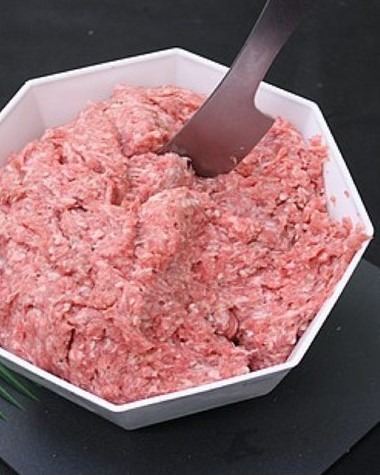
Product category
Food
Product subcategory
Meats
Product brand name
Unbranded
Model names or references
Plain minced meat
Product identification
Batch
06122023
Start/end date of marketing
From 06/12/2023 to 07/12/2023
Storage temperature
Product to keep in the refrigerator
Geographical sales area
Forest sur Marque neighboring communes
Distributors
DELBE CATERING SHOP
Posted in food contamination, food handler, Food Hazard, Food Hygiene, Food Illness, Food Inspections, Food Micro Blog, Food Microbiology, Food Microbiology Blog, Food Microbiology Testing, Food Pathogen, Food Quality, food recall, Food Safety, Food Safety Alert, Food Safety Management, Food Safety Regulations, Food Testing, Salmonella

Product category
Food
Product subcategory
Fishing and aquaculture products
Product brand name
Carrefour SIMPL
Model names or references
Raw shrimp tails with shell 450g
Product identification
GTIN Batch Date
3560070422067 AI/22204 (3A06) Minimum durability date 01/05/2025
Packaging
450g bag
Start/end date of marketing
From 06/12/2023 to 12/11/2023
Storage temperature
Product to keep in the freezer
Geographical sales area
Whole France
Distributors
Crossroads
Posted in food contamination, food handler, Food Hazard, Food Hygiene, Food Illness, Food Inspections, Food Micro Blog, Food Microbiology, Food Microbiology Testing, Food Pathogen, Food Quality, food recall, Food Safety, Food Safety Management, Food Safety Regulations, Food Testing, Vibrio, Vibrio vulnificans, Vibrio vulnificus
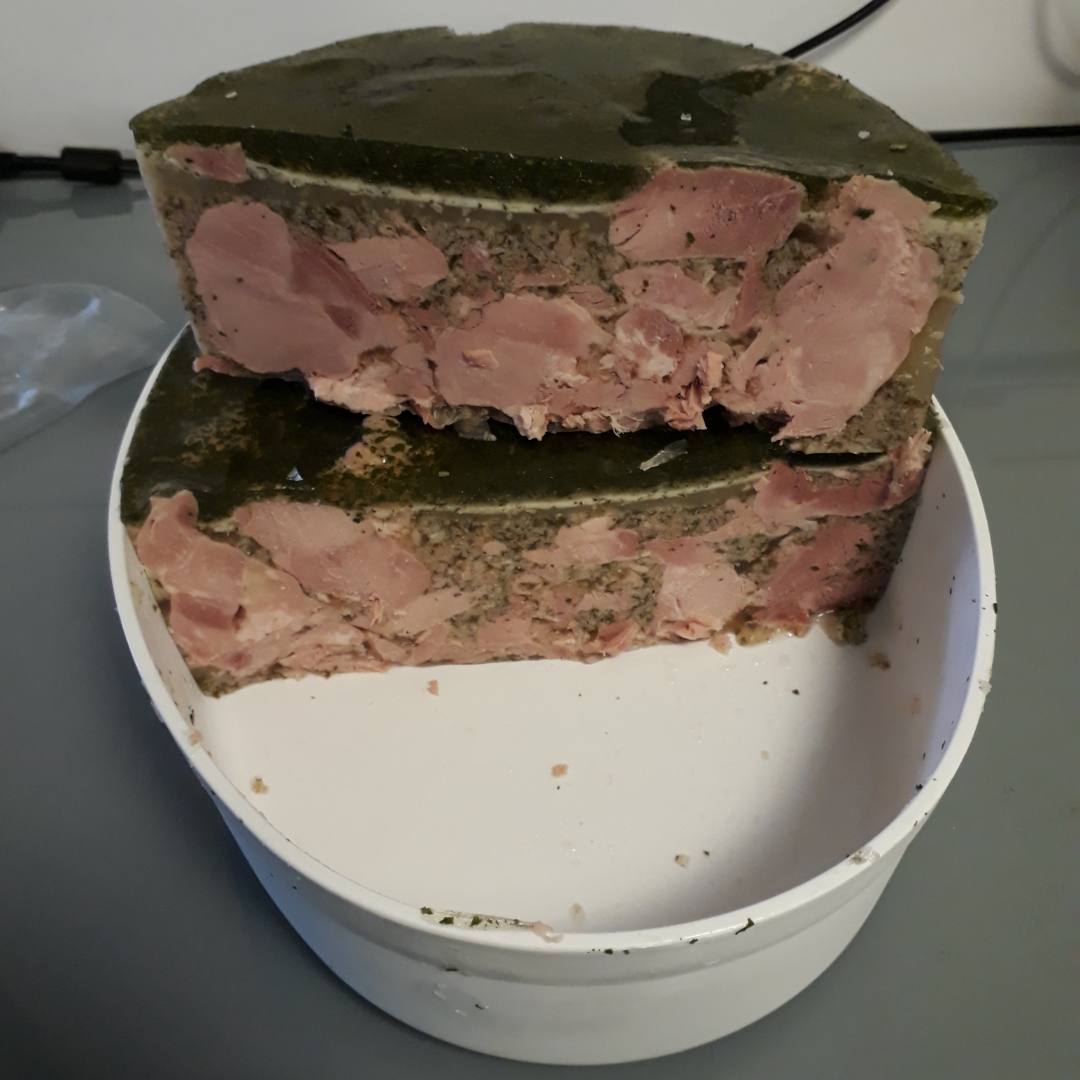
Product category
Food
Product subcategory
Meats
Product brand name
prestige of Sarthe
Model names or references
Burgundy ham 9 kg Burgundy ham 1.5 kg
Product identification
GTIN Batch Date
3700155205912 43298 Use-by date 12/15/2023
3700155201907 43298 Use-by date 12/15/2023
Products List
points_of_sale_-.pdfAttachment
Packaging
9KG TERRINE 1.5 KG BREAD
Start/end date of marketing
From 10/30/2023 to 11/16/2023
Storage temperature
Product to keep in the refrigerator
Health mark
FR 72 132 002 EC
Geographical sales area
Whole France
Distributors
Hyper U, AUCHAN, LECLERC, ESPRI RESTAURATION, CARREFOUR
Posted in food contamination, food handler, Food Hazard, Food Hygiene, Food Inspections, Food Micro Blog, Food Microbiology, Food Microbiology Blog, Food Microbiology Testing, Food Pathogen, Food Quality, food recall, Food Safety, Food Safety Alert, Food Safety Management, Food Safety Regulations, Food Testing, Listeria, Listeria France, Listeria monocytogenes
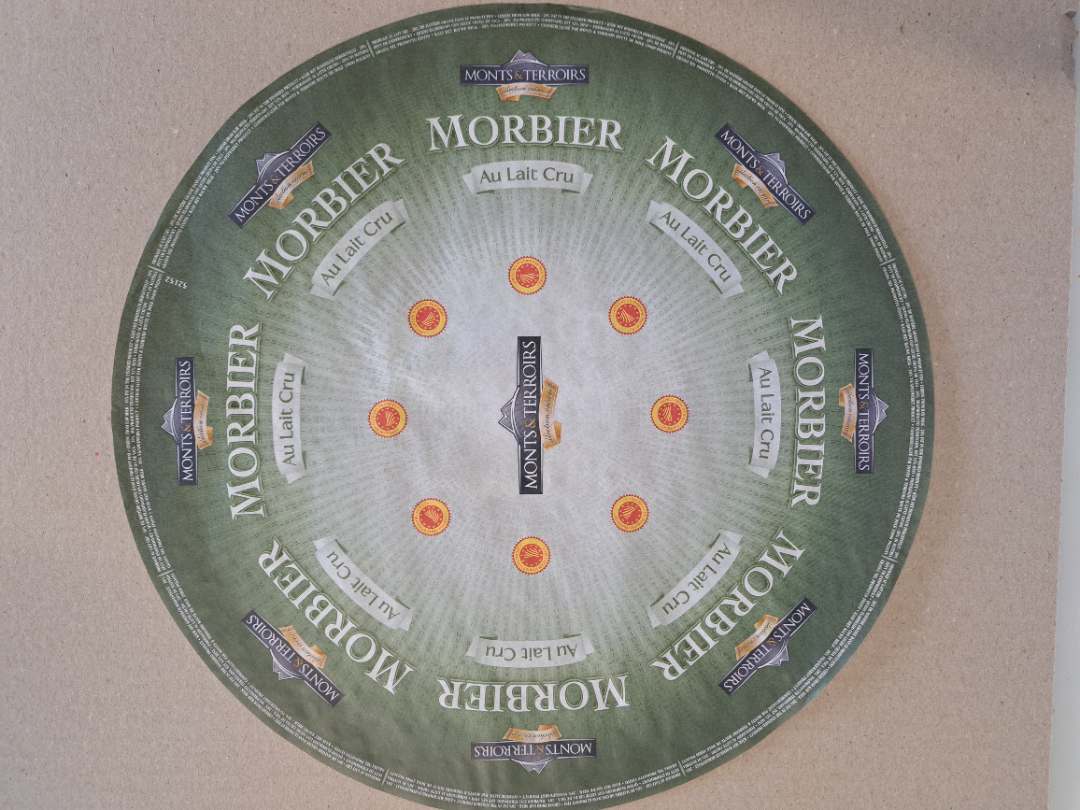
MORBIER AOP MONTS ET TERROIRS CREMIER SELECTION
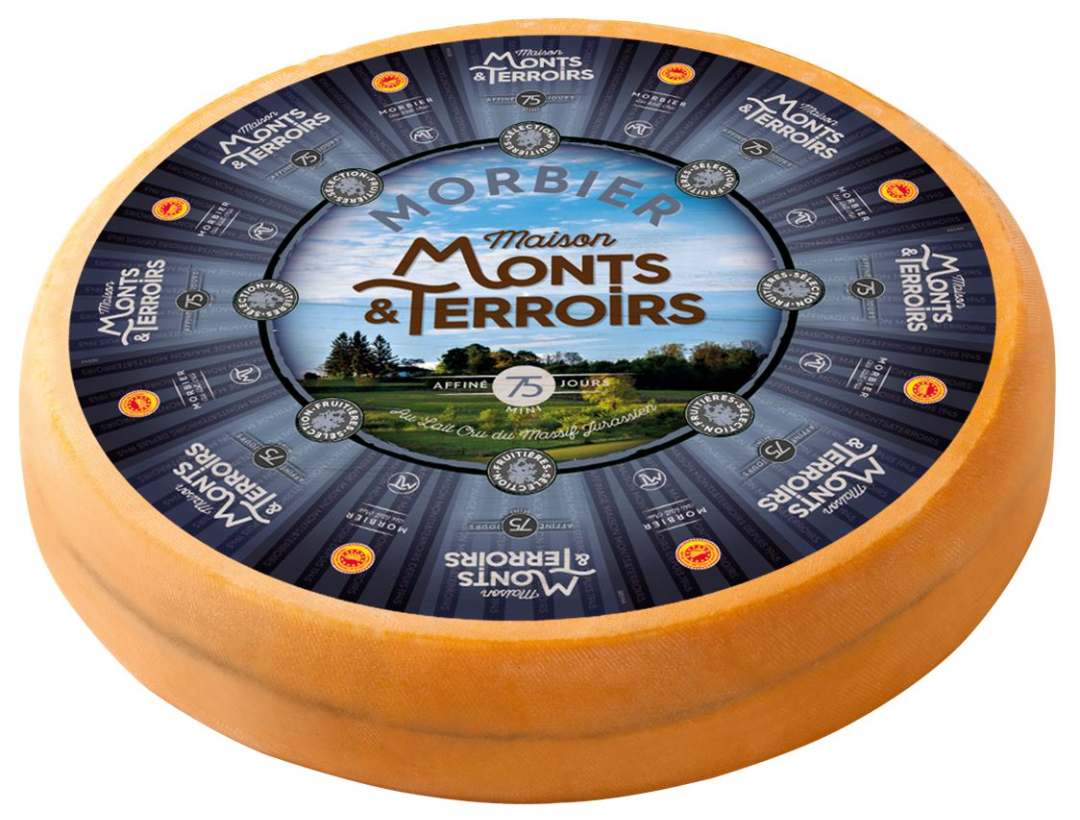
MORBIER AOP SELECTION MAISON MONTS ET TERROIRS
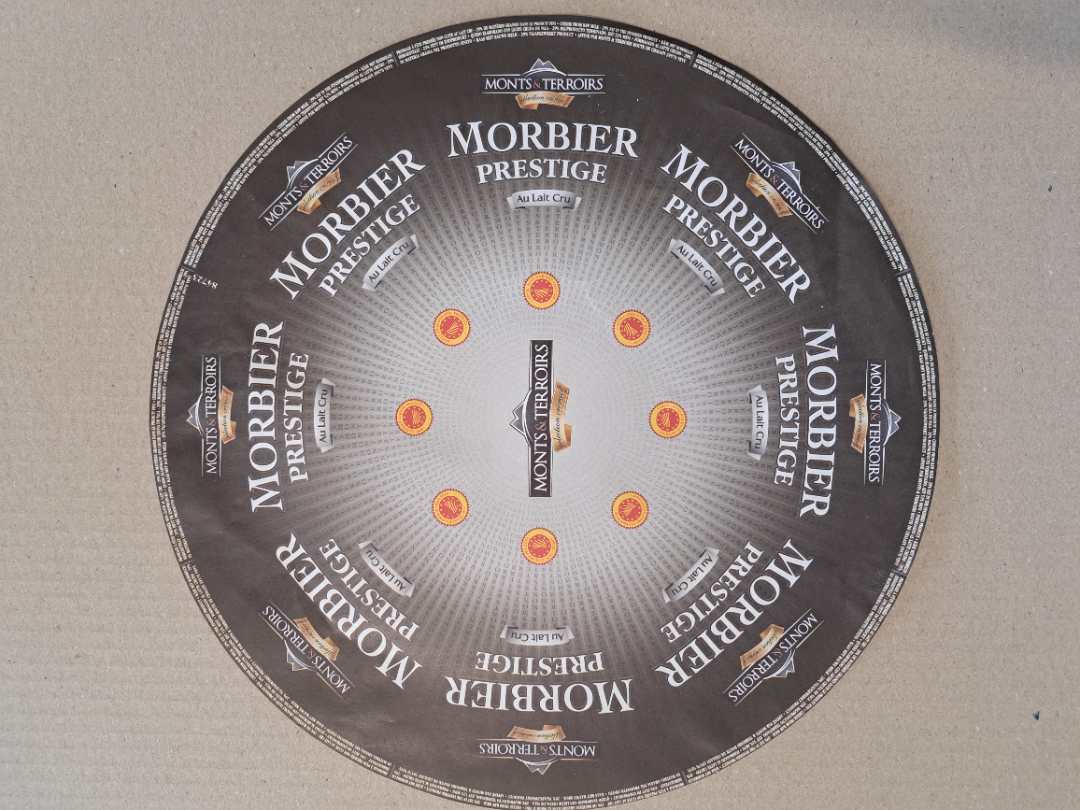
MORBIER AOP PRESTIGE

MORBIER AOP RAW MILK clearance
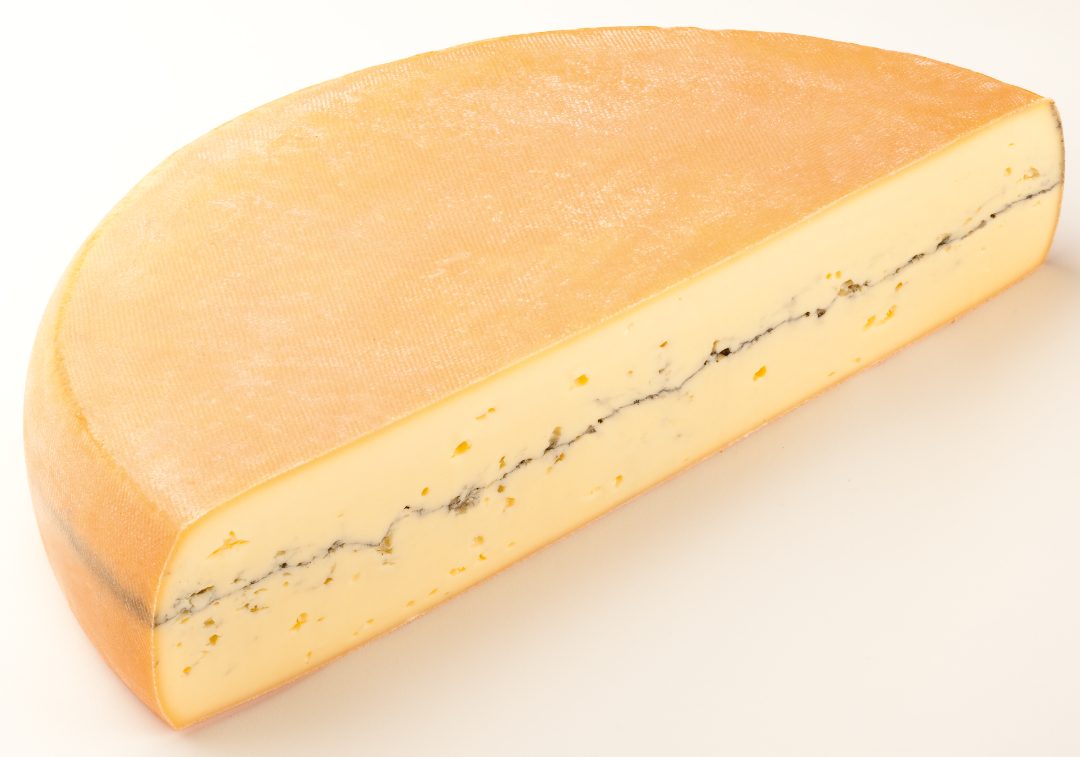
MORBIER AOP RAW MILK
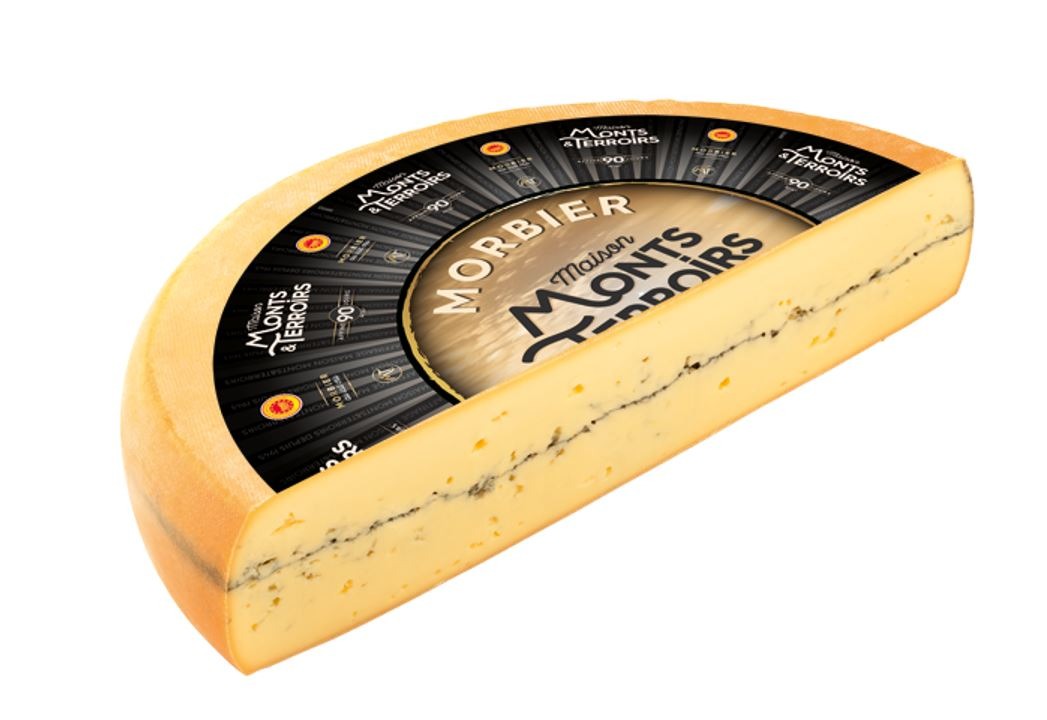
MORBIER AOP 90J M M&T
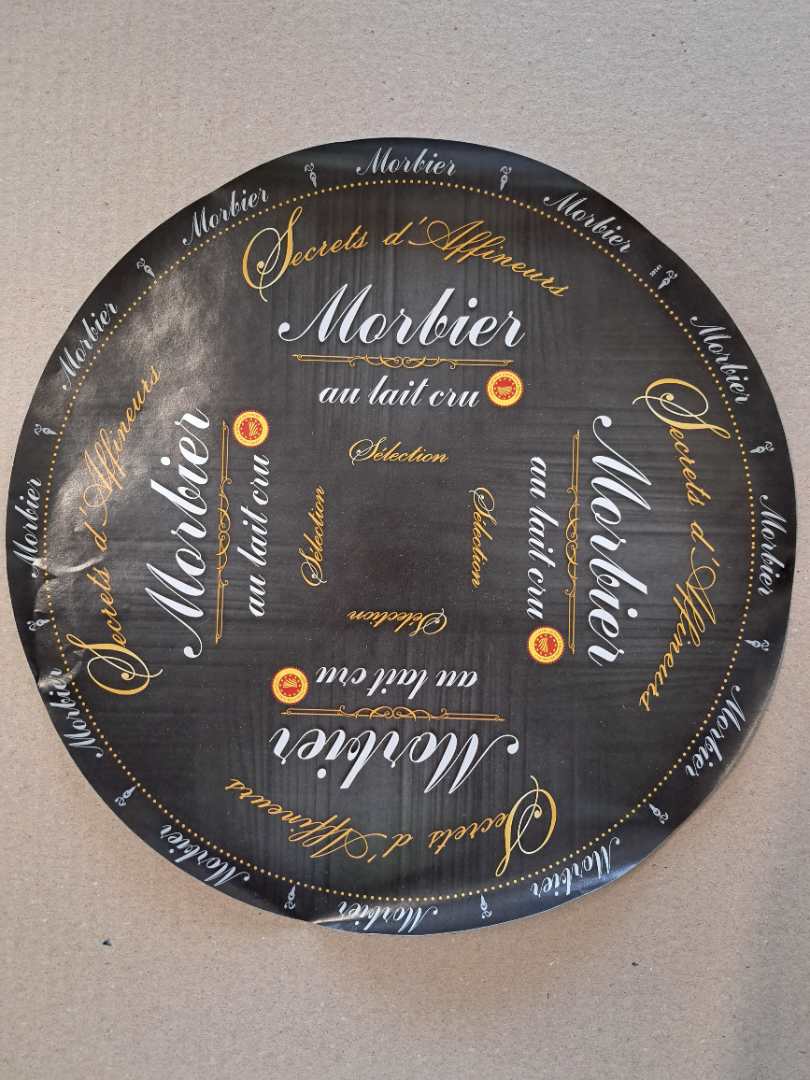
MORBIER SELECTION REFINER’S SECRET
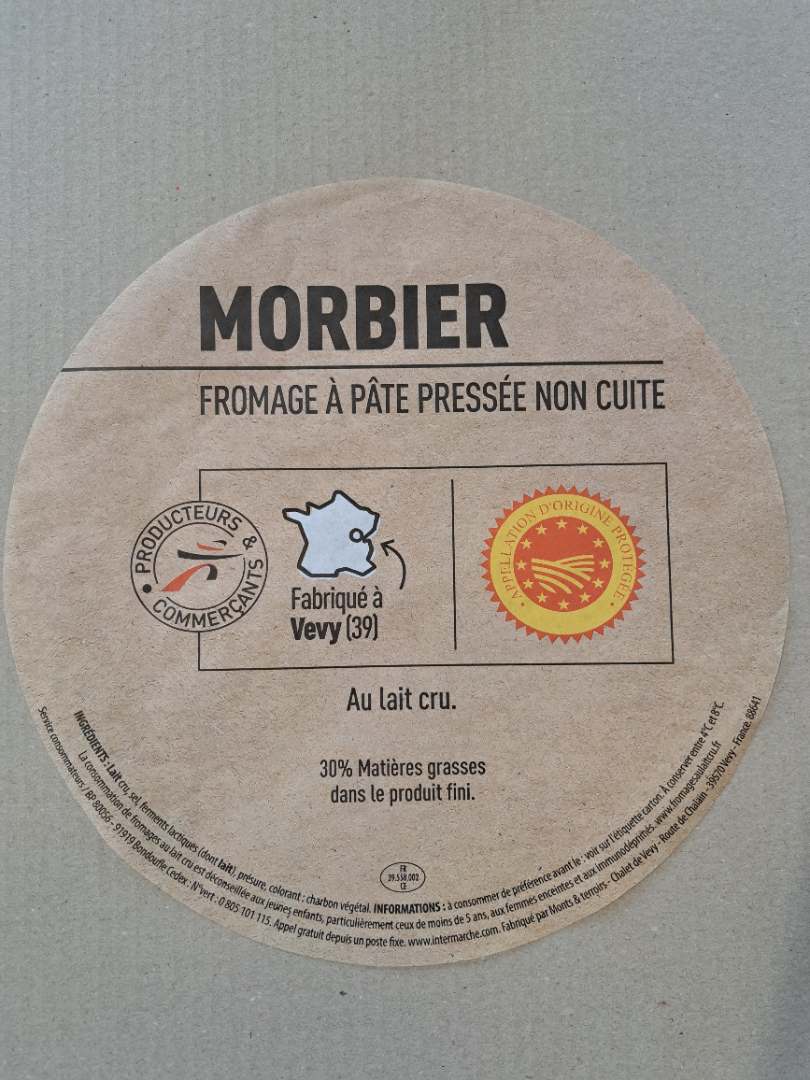
MORBIER AOP TERRIER
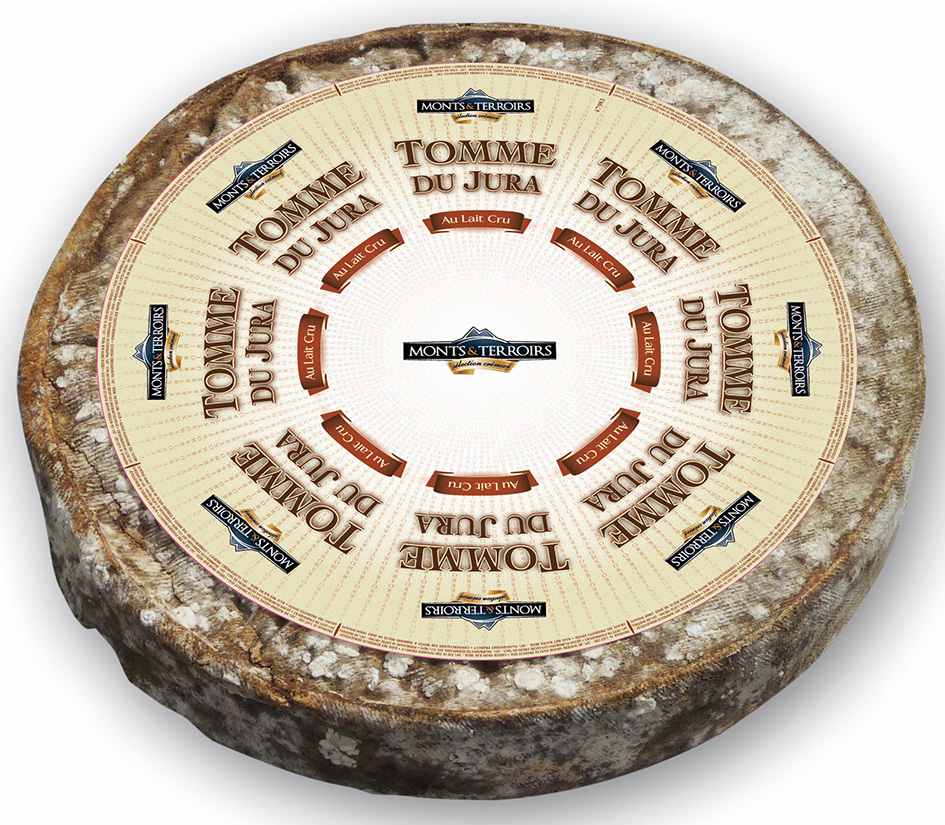
TOMME du JURA JURAMONT
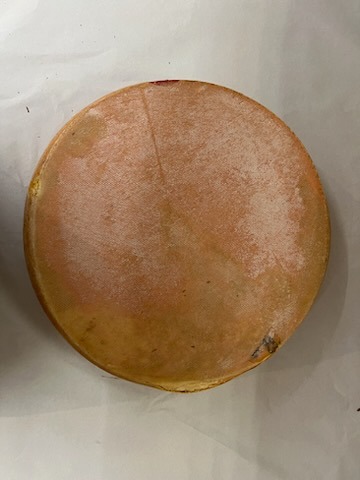
RAW MILK RACLETTE CLEARANCE
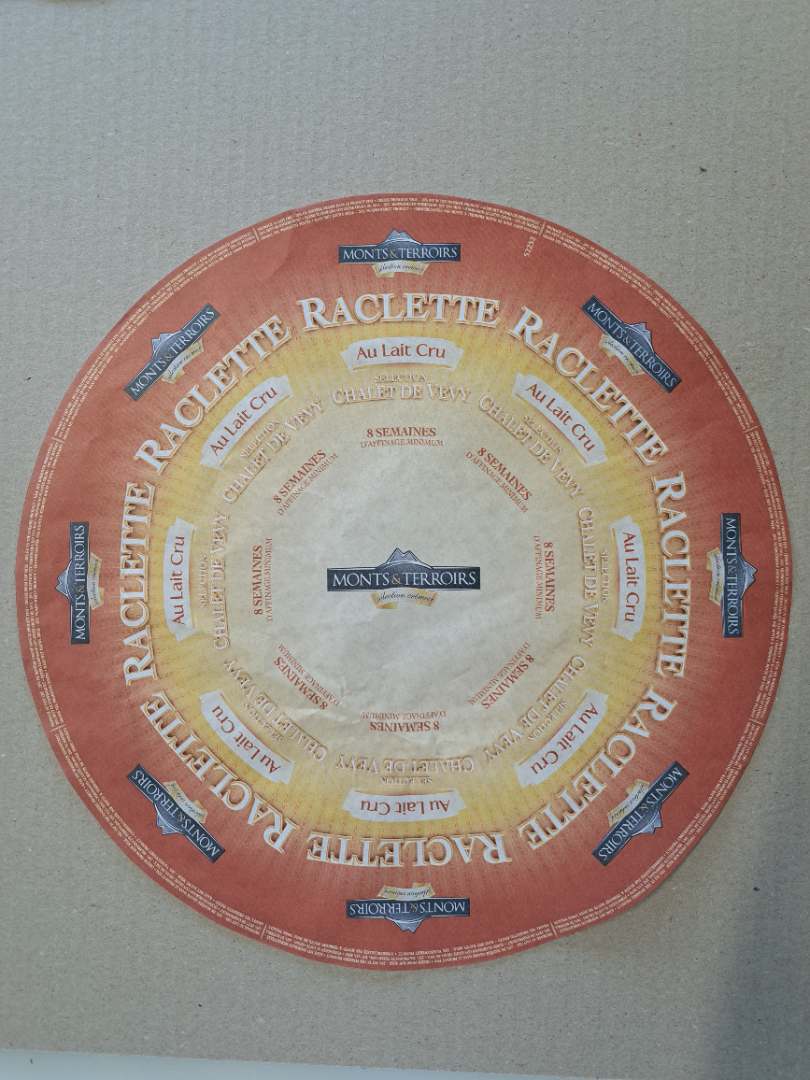
RAW MILK RACLETTE MONTS AND TERROIRS CREMIER SELECTION
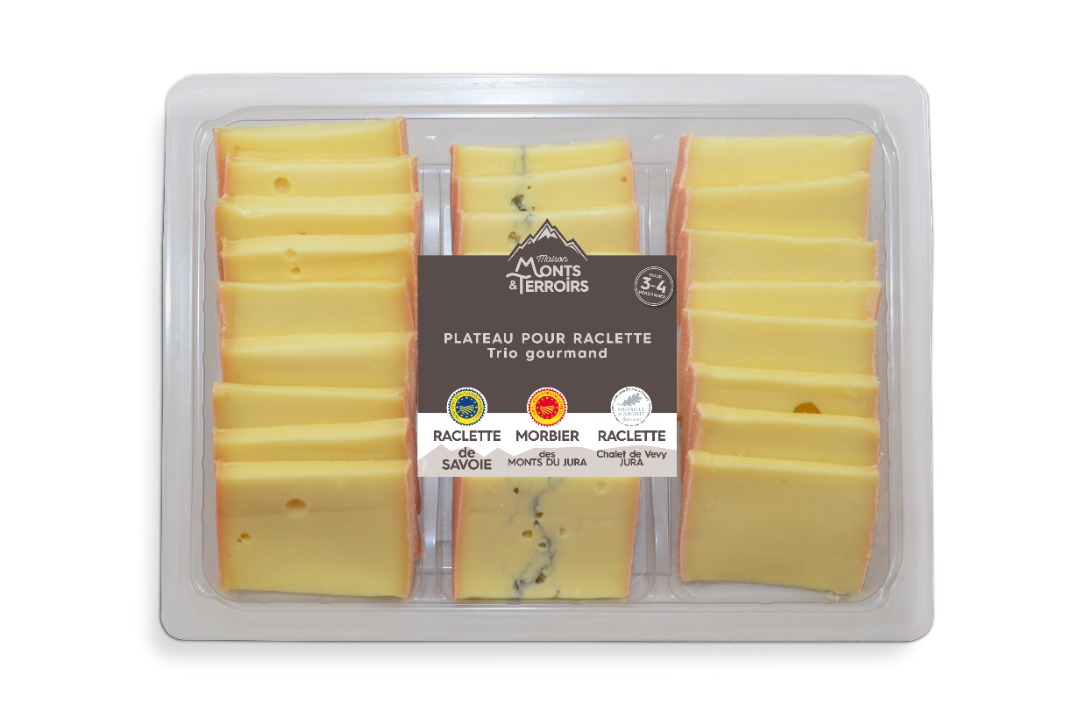
TRAY FOR RACLETTE TRIO GOURMAND 600G
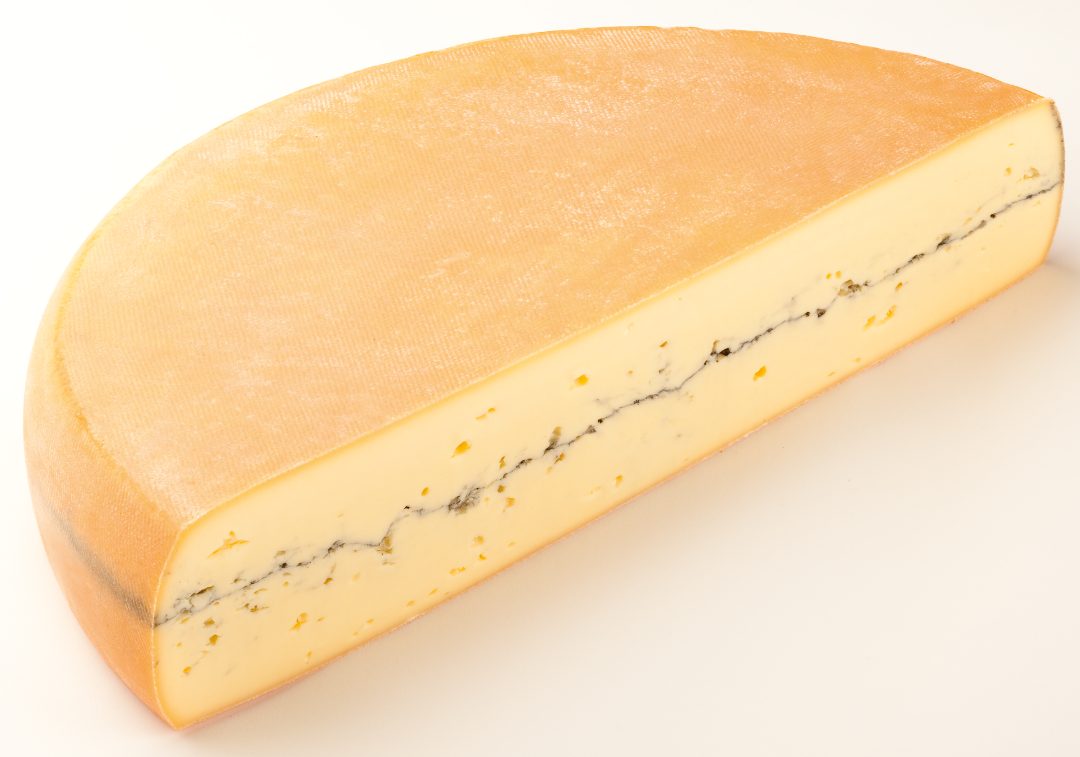
MORBIER AOP NEUTRAL SELECTION

MORBIER AOP House of Gruyère

Raw milk goat cheeses
Posted in E.coli, food contamination, food handler, Food Hazard, Food Hygiene, Food Inspections, Food Micro Blog, Food Microbiology, Food Microbiology Testing, Food Pathogen, Food Quality, food recall, Food Safety, Food Safety Alert, Food Safety Management, Food Safety Regulations, Food Testing, STEC, STEC E.coli
What is safe handling of meat and seafood?
When handling raw meat and proteins (including poultry and fish), it is important for consumers to take steps to ensure safe selection, handling, storage, preparation and cooking. Adopting good practices, at home can protect from foodborne illnesses caused
by organisms such as Salmonella, Escherichia coli (e.g. E. coli O157), Campylobacter, Listeria and Norovirus.
If meat is kept clean there will be little or no contamination whether biological, physical or
chemical. Safe meat handling practices are necessary because, even though cooking may destroy bacteria, this is not the case for toxins if they have been formed.
See the IFST Factsheet at the Link Above

 FoodWorld