Category Archives: Food Poisoning

Spain – Alert for possible presence of botulinum toxin in mushrooms in brine from Russia (Ref. ES2024/352)

AESAN

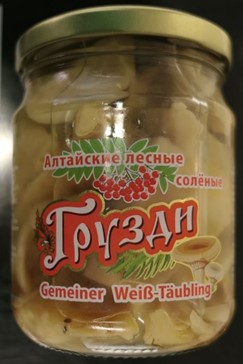
The Spanish Agency for Food Safety and Nutrition (AESAN) has been informed by the German health authorities, through the European Food Alert Network (RASFF), of the presence of botulinum toxin in mushrooms in brine of the TPYZAH brand with an expiration date of 20/05/25.

People who have the product included in this alert at home are recommended to refrain from consuming it.

The Spanish Agency for Food Safety and Nutrition (AESAN) has learned, through the European Food Alert Network (RASFF), of an alert notification sent by the German health authorities regarding the presence of botulinum toxin in mushrooms in brine.

The data of the product involved are:

  • Product name: Common white russula ( Russula delica ) cut, in brine.
  • Brand: Tpyzah.
  • Product appearance: Packaged in glass jar.
  • Barcode number: 4250370532731.
  • Best before date: 05/20/2025
  • Unit weight: 500g.
  • Room temperature.

Available image is attached.

Article related to the alert

Taiwan – Six hospitalized in Taichung after suspected food poisoning from oysters

Taiwan News

TAIPEI (Taiwan News) — Six people were hospitalized in Taichung last week after experiencing food poisoning symptoms following a seafood meal.

A man surnamed Lin (林) visited a stir-fry restaurant with friends. They had grilled oysters and other seafood dishes, according to CNA.

Lin later sought medical attention on June 18 and had diarrhea, abdominal pain, and nausea. Doctors suspected food poisoning.

Lin suspected the seafood may have been undercooked or spoiled. His friends reported experiencing similar symptoms, leading to the hospitalization of all six individuals.

Li’s Hospital Daja confirmed Lin’s emergency room visit on Wednesday (June 26). Examination revealed elevated inflammatory markers and blood in his stool.

Concerns about a potential food-borne illness outbreak arose when two of Lin’s friends also sought medical attention. Hospital staff promptly notified the Taichung Health Bureau

 Italy – Mushrooms (Russula Delica) sliced ​​in brine – Clostridium botulinum

Salute

Brand : Lackmann Food Group

Name : Mushrooms (Russula Delica) sliced ​​in brine

Reason for reporting : Recall due to microbiological risk

Publication date : 27 June 2024

Documentation

Documentation

France – Sardine fillet – Histamine

Gov France

Product Category
Food
Product subcategory
Fishing and aquaculture products
Product brand name
Unbranded
Model names or references
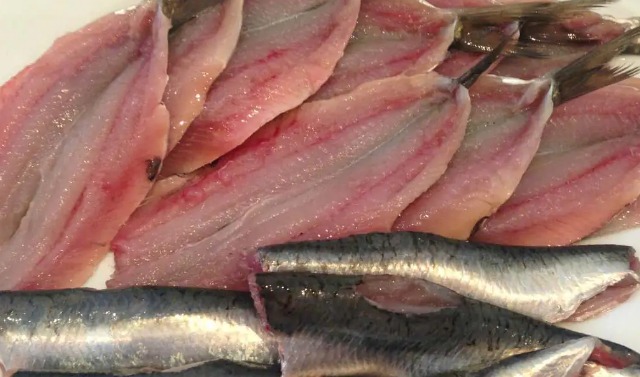
Sardine fillets sold on the seafood stall from 06/18 to 06/22
Product identification
Batch
see list of products in attachment
Products List
Untitled_Document_-_Google Docs.pdfAttachment
Packaging
Sold in bulk on the Marée stall
Start/end date of marketing
From 06/18/2024 to 06/22/2024
Storage temperature
Product to keep in the refrigerator
Further information
Sardine fillets sold on the seafood stall from 06/18 to 06/22
Geographical sales area
bi1 Luzy
Distributors
bi1 Luzy
List of points of sale
Untitled_Document_-_Google Docs.pdf

RASFF Alerts – Aflatoxin – Groundnuts – Peanuts – Almonds – Hazelnuts – White Maize Flour – Pistachios – Pearl Millet Flour

RASFF

Aflatoxin in USA groundnuts in the Netherlands

RASFF

Aflatoxins in U.S.A. peanuts in the Netherlands

RASFF

Aflatoxin in USA groundnuts in the Netherlands

RASFF

Groundnuts USA Aflatoxin in the Netherlands

RASFF

Aflatoxin B1 in shelled almonds in the Netherlands

RASFF

High levels of aflatoxin in hazelnuts from Georgia in Bulgaria and Slovakia

RASFF

Aflatoxins and fumonisins in white maize flour from Serbia in Switzerland

RASFF

Aflatoxin in Pistachios from Turkey origin Iran in Italy and Germany

RASFF

Aflatoxin B1 in U.S.A. peanuts in the Netherlands

RASFF

Too high content of aflatoxins in pearl millet flour from India via Italy in Spain and Switzerland

RASFF

Aflatoxins in almond kernels from the United States in the Netherlands and Germany

RASFF Alert- Fumonisins – White Maize Flour

RASFF

Aflatoxins and fumonisins in white maize flour from Serbia in Switzerland

RASFF Alert- Histamine – Tuna

RASFF

Histamine in tuna (Thunnus obesus) from Spain in Portugal

RASFF Alerts – Ochratoxin – Basmati Rice – Organic Wheat Flakes

RASFF

Ochratoxin in Basmati from Pakistan in the Netherlands

RASFF

Ochratoxin A in organic wheat flakes from Germany, produced with raw material from France


RASFF Alert- Clostridium botulinum – Pickled Mushrooms

RASFF

Clostridium botulinum toxins in pickled mushrooms from the Russian Federation in Belgium, Czech Republic, Germany, Italy, Luxembourg, Russia, Spain, Sweden, Switzerland and United Kingdom.

Research – Botulism: a mimic for brainstem strokes and Miller Fisher syndrome

MJA

Clinical record

A 61‐year‐old man with moderate stroke risk factors, including hypertension and hyperlipidaemia, presented with rapidly progressive ptosis, diplopia, ataxia and dysarthria. No infective prodrome or suspected food poisoning was initially disclosed. Given this presentation, brainstem stroke was the primary differential diagnosis.

On Day 2, he developed vomiting, dysphagia and severe respiratory distress, requiring intubation. He subsequently developed complete ophthalmoplegia, descending flaccid paralysis and required ventilation. A differential diagnosis of Miller Fisher syndrome was then considered. Sequential intravenous immunoglobulin and plasma exchanges were minimally effective. Cerebrospinal fluid analysis was unremarkable with no raised protein levels. Test results for anti‐ganglioside antibodies, including anti‐GQ1‐b (both IgG and IgM), were negative. Nerve conduction studies and electromyogram (performed on Day 4) results confirmed a generalised, predominantly motor neuropathy (Box 1 and Box 2). Results from the magnetic resonance imaging (MRI) scan of the brain and spine/plexus with contrast were normal.

Box 1

Day 4 results from the nerve conduction study and electromyogram suggesting a severe motor predominant neuropathy with relative sensory sparing (likely too early to appreciate muscle denervation)

Box 2

Day 88 results from the nerve conduction study and electromyogram showing persisting generalised reduction in upper and lower limb motor amplitudes, (although improving), with relative sparing of sensory responses

Further history on Day 15 revealed that the patient had consumed foul‐tasting almond milk 12–36 hours prior to symptom onset. The differentials then expanded to include botulism. Following consultation with the infectious diseases department, further tests were requested. Clostridium botulinum culture and test results for toxin A‐G nucleic acid were negative on retained milk sample and stool. The results from the C. botulinum direct toxin test using the mouse bioassay (pooled antitoxin A, B and E) demonstrated the presence of botulinum toxin in a retained sample of the milk. The FilmArray BioThreat Panel (BioFire Defense) test on a retained sample of milk detected botulinum toxin A nucleic acid. After guidance from infectious diseases and public health authorities on Day 16, the patient was administered botulin antitoxin obtained from the National Medical Stockpile. The implicated milk product was subsequently recalled. The patient was weaned off mechanical ventilation five months after admission to the intensive care unit.