Category Archives: Food Pathogen

USA – Mystery Salmonella Outbreak sickens 212 in 23 States

Food Poison Journal

Since the last update on July 21, 2020, an additional 87 ill people have been reported in this outbreak.

Now, a total of 212 people infected with the outbreak strain of Salmonella Newport have been reported from 23 states.

31 hospitalizations have been reported. No deaths have been reported.

A specific food, grocery store, or restaurant chain has not been identified as the source of this outbreak.

CDC is not advising that consumers avoid eating any specific foods, or that retailers stop selling any specific foods.

This investigation is ongoing. CDC will provide more information as it becomes available.

Canada – Mystery Salmonella Outbreaks Sickens 59 in 5 Canadian Provinces

Food Poison Journal

According to Canadian Health officials, as of July 24, 2020, there have been 59 confirmed cases of Salmonella Newport illness linked to this outbreak in the following provinces: British Columbia (23), Alberta (31), Manitoba (3), Ontario (1), and Prince Edward Island (1). Individuals became sick between mid-June and mid-July 2020. Information is available for 28 illnesses. Out of 28 people, six individuals have been hospitalized. No deaths have been reported. Individuals who became ill are between 11 and 77 years of age. The majority of cases (54%) are female.

The United States Centers for Disease Control and Prevention (U.S. CDC) is also investigating an outbreak of Salmonella Newport illnesses that have a similar genetic fingerprint to illnesses reported in this outbreak. In the U.S., a total of 212 people infected with the outbreak strain of Salmonella Newport have been reported from 23 states. 31 hospitalizations have been reported. No deaths have been reported.

Research – Researchers identify biofilm hotspots, document danger zones

Food Safety News

Scientists in Austria have investigated where biofilms hide and what bacteria can be found in them.

Biofilms are proven sources of contamination in the food industry. They can cause additional costs in production and can be a danger to consumer health.

Researchers at the unit of food microbiology at Vetmeduni Vienna looked at biofilms in an Austrian meat processing environment that included pork, poultry and beef. Knowledge gained on presence and composition, published in the International Journal of Food Microbiology, could help to prevent and reduce biofilm formation within food processing environments.

Research – Survival of toxigenic Escherichia coli on chamomile, peppermint, green, black, ginger, and cinnamon teas during storage and brewing

Wiley Online

In this study, the persistence of toxigenic Escherichia coli (E. coli ) on dried chamomile, peppermint, ginger, cinnamon, black and green teas stored under 4, 10, and 25°C was determined. The E. coli survival rate in ginger and cinnamon teas decreased below 0 on Day 5. In the other tested teas, E. coli survivability showed a downward trend over time, but never dropped to 0. Chamomile tea retained the greatest population of viable E. coli . Meanwhile, die‐off of E. coli was higher at 25°C compared to lower temperatures. Additionally, fate of E. coli during brewing at 60, 70 and 80°C was evaluated. The E. coli population was reduced to below 2 Log colony forming units (CFU)/g after 1 min at 80°C, At the same time, the E. coli survival at 60°C was higher than that at 70°C in all tested teas. The data indicated that if E. coli survives after storage of prepared teas, it may also survive and grow after the brewing process, especially if performed using temperatures <80°C. Finally, we analyzed the correlations between temperature, time, tea varieties and E. coli survival, and successfully constructed a random forest regression model. The results of this study can be used to predict changes in E. coli during storage and fate during the brewing process. Results will form the basis of undertaking a risk assessment.

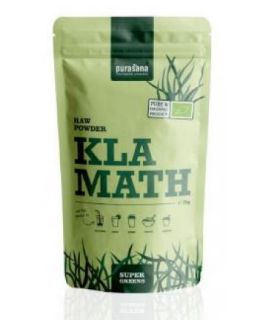
Luxembourg – RECALL: PURASANA BRAND KLAMATH POWDER – HIGH LEVEL OF MICROCYSTINS

SAP

Last name Klamath powder
Mark Purasana
Unit 75 g
Bar code 5400706103343
Lot 1706/04 and 1706/02

Danger  : High level of microcystins


Microcystin can cause adverse effects on the liver or nervous system. People who have consumed the product mentioned above are invited to consult their doctor without delay, notifying him of this consumption.

Sale in Luxembourg by: Auchan

A sale by other operators cannot be excluded.

Source of information: Auchan recall notification

Communicated by: Government Commission for Quality, Fraud and Food Safety .

Food Security Division

7A Thomas Edison Street

L-1445 Strassen

Phone. : +352 247 75620
Fax : +352 27 47 80 68
E-mail : secualim@ms.etat.lu

Further Information Link

TO KNOW MORE

Sweden – Lidl Sweden recalls Fresh Sausage Kielbasa, Svea Lantkött – Salmonella

VIA

Lidl Sweden is expanding its recall with Fresh Sausage Kielbasa from the Svea Lantkött brand after analyzes that show that this sausage may contain Salmonella. Lidl recalled Fresh Sausage Ramslök & Vitlök from Svea Lantkött for the same reason on 5 July.

Salmonella has been detected after a routine analysis. We would like to urge all our customers who bought the sausage to come back to us with the product. The relevant best-before date 2020-07-18 has been sold in all of Lidl Sweden stores. Salmonella poses no risk if you have heated the food to at least 70 degrees.

The recall only concerns the product:

Article: Fresh sausage Kielbasa

Pack size: 320g

Brand: Svea Lantkött

Best-before date: 2020-07-18

Other Svea Lantkött products are not affected. We at Lidl Sweden apologize and take what happened seriously. Consumers who have purchased the product are welcome to return it to the place of purchase, or to the nearest Lidl store. Of course, customers get their money back, even without presenting a cash receipt.

Facts Lidl’s quality checks
In addition to Lidl Sweden’s suppliers being certified with IFS (International Featured Standard), BRC (British Retail Consortium) or FSSC 22000 (Foundation Food Safety System Certification), Lidl Sweden performs regular unannounced on-site inspections at suppliers (performed by accredited institution). We go further than required by law and also test all products in external accredited laboratories to ensure that our products meet the highest quality.

Contacts

New Zealand – Recall to manage Listeria risk

MPI 

Temuka business Talbot Forest Cheese is recalling a range of products because of a potential risk of contamination with Listeria.

Listeria is commonly found in the environment and can make people sick (listeriosis) if they consume contaminated food.

Infection can be serious for those with poor immunity and for pregnant women, says Ministry for Primary Industries Director of Compliance Gary Orr.

“We’ve received unconfirmed test results indicating the presence of Listeria in one of the products processed at the company’s factory in Geraldine. The company recognizes the potential risk and is working to have the product removed from shelves. We will be working with the company to ensure it is properly managing future risk of product contamination by Listeria.

“The following brands are determining which products are being affected by this issue.

  • Talbot Forest Cheese
  • Cuisine Canteen (FoodHQ)
  • Gibbston Valley Cheese
  • Imperial Foods
  • Pams Finest (Foodstuffs Own Brands Limited)
  • Griffiths

More detail about the specific products affected will be published on MPI’s website tonight.

For more information and photos of the affected products please see our recall page at:

Recalled food products

These products were available at retail outlets across New Zealand. None of the product has been exported.

“We are working with Toi Te Ora Public Health to identify the source of Listeria for the three cases of listeriosis in Tauranga. While it is important to note that there is no evidence at this stage of a link between these products and the cases in Tauranga, it is a timely reminder for those who are more at risk of listeriosis – including pregnant women and their unborn babies, newborn babies, people with weakened immune systems and elderly people – what foods they should avoid. These include the following products:

  • uncooked, smoked or ready-to-eat fish or seafood, including oysters, prawns, sashimi or sushi
  • paté, hummus and tahini-based dips and spreads
  • cold pre-cooked chicken
  • processed meats including ham and all other chilled pre-cooked meat products including chicken, salami and other fermented or dried sausages
  • pre-prepared, pre-packaged or stored salads (including fruit salads) and coleslaws
  • raw (unpasteurised) milk and any food that contains unpasteurised milk
  • soft-serve ice creams

If you or anyone in your household is in an at-risk group, it is especially important to take a few simple food safety precautions:

  • Avoid eating the high-risk foods listed above.
  • Follow good food hygiene practices, such as washing and drying hands before preparing food and after handling or preparing raw foods.
  • Eat freshly cooked or freshly prepared foods.
  • Wash all raw fruit and vegetables very well before eating.
  • Cook foods thoroughly.
  • Refrigerate leftovers immediately and do not keep for more than 2 days. Reheat to steaming hot before eating.

People not in the above risk groups can generally consume these food products safely. However, if they do become infected they may experience very mild diarrhea and flu-like symptoms, generally occurring within a few days of eating Listeria-contaminated food.

For those in the high risk groups, listeriosis typically has an incubation period of 2-3 weeks (or longer) before symptoms appear.

If you are concerned about your health or believe you have been affected, please talk to your doctor.

For more information about Listeria and prevention visit the Ministry of Health website at:

Listeria – Ministry of Health

Information on Listeria and food safety from the Ministry for Primary Industries:

RASFF Alert – Salmonella – Chilled Minced Pork – Peeled Almonds – Chicken Breast Fillets – Sesame Seeds – MSM Chicken Meat – Chilli Powder – Broiler Fillets

RASFF-Logo

RASFF -Salmonella (in 3 out of 5 samples /10g) in chilled minced pork from Poland in Lithuania

RASFF – Salmonella (presence /250g) in peeled almonds from the United States in Germany

RASFF – Salmonella enterica ser. Enteritidis (present /25g) in frozen chicken breast fillets from Poland in Denmark

RASFF – Salmonella (in 1 out of 5 samples /25g) in sesame seeds from Nigeria in Spain

RASFF – Salmonella enterica ser. Enteritidis (presence /25g) in frozen mechanically separated (MSM) chicken meat from Spain in Spain

RASFF – Salmonella (presence /25g) in chilli powder from China in Spain

RASFF – Salmonella enterica ser. Infantis (presence /25g) in frozen chicken broiler fillets from Hungary in Lithuania

RASFF Alert – Listeria monocytogenes – Chilled Cooked Tropical Shrimps

RASFF-Logo

RASFF – Listeria monocytogenes (present /25g) in chilled cooked tropical shrimps (Litopenaeus vannamei) from Spain, with raw material from Venezuela in Italy

RASFF Alert – STEC E.coli – Chilled Lamb Meat

RASFF-Logo

RASFF – shigatoxin-producing Escherichia coli (stx1+ stx2+ eae- /25g) in chilled lamb meat from New Zealand in the Netherlands