Category Archives: Food Microbiology Research

Europe – Yersiniosis – Annual Epidemiological Report for 2019

ECDC

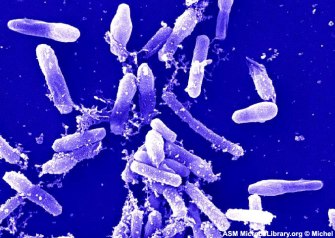
Yersinia p

For 2019, 29 countries reported 7 048 confirmed yersiniosis cases in the EU/EEA. The overall notification rate of 1.7 per 100 000 population remained stable from 2015 to 2019. The highest rates were reported by Finland, Lithuania and Czechia. The highest rate was detected in 0–4 year-old children, with 7.2 per 100 000 population for males and
5.9 per 100 000 population for females.

Download

Research – Listeria monocytogenes Biofilms in the Food Industry: Is the Current Hygiene Program Sufficient to Combat the Persistence of the Pathogen?

MDPI

Biofilms contain microbial cells which are protected by a self-produced matrix and they firmly attach themselves to many different food industry surfaces. Due to this protection, microorganisms within biofilms are much more difficult to eradicate and therefore to control than suspended cells. A bacterium that tends to produce these structures and persist in food processing plants is Listeria monocytogenes. To this effect, many attempts have been made to develop control strategies to be applied in the food industry, although there seems to be no clear direction on how to manage the risk the bacteria poses. There is no standardized protocol that is applied equally to all food sectors, so the strategies for the control of this pathogen depend on the type of surface, the nature of the product, the conditions of the food industry environment, and indeed the budget. The food industry performs different preventive and corrective measures on possible L. monocytogenes-contaminated surfaces. However, a critical evaluation of the sanitization methods applied must be performed to discern whether the treatment can be effective in the long-term. This review will focus on currently used strategies to eliminate biofilms and control their formation in processing facilities in different food sectors (i.e., dairy, meat, fish, chilled vegetables, and ready-to-eat products). The technologies employed for their control will be exemplified and discussed with the objective of understanding how L. monocytogenes can be improved through food safety management systems. View Full-Text

Research – Evaluation of foodborne pathogen die-off in back-sweetened wine and apple cider models

Journal of Food Protection

Wine and alcoholic apple cider are commonly back-sweetened with unpasteurized juice to produce fresh, natural, and palatable sweetened alcoholic beverages. Foodborne pathogens may be introduced from unpasteurized juice into alcoholic beverages through this back-sweetening process. Although pathogens generally do not survive under low pH conditions or high alcohol environment, the die-off of these pathogens has not been established to ensure the safety of the products. To determine the safety of these back-sweetened beverages, we evaluated the survival of three common foodborne pathogens, E. coli O157:H7, Salmonella enterica , and Listeria monocytogenes in modified white grape juice and apple juice models. White grape juice and apple juice were modified with hydrochloric acid/sodium hydroxide and ethanol to achieve conditions that are similar to the back-sweetened white wine and alcoholic apple cider. Pathogen cocktails were inoculated separately into modified juice models and their survival in the juice models were recorded over a 96-hour period. Our results show that a combination of low pH and high ethanol content resulted in a faster pathogen die-off compared to higher pH and lower ethanol conditions. The holding times required for different combinations of pH and ethanol concentration for each juice model to achieve 5-log reduction were reported. This research provides data to validate pathogen die-off to comply with Juice HACCP 5-log pathogen inactivation requirements for back-sweetened wine and alcoholic apple cider.

Research – Impact of a Combination of UV-C Irradiation and Peracetic Acid Spray Treatment on Brochothrix thermosphacta and Yersinia enterocolitica Contaminated Pork

MDPI

Efficient ways of decontamination are needed to minimize the risk of infections with Yersinia (Y.) enterocolitica, which causes gastrointestinal diseases in humans, and to reduce the numbers of Brochothrix (B.) thermosphacta to extend the shelf-life of meat. While many studies have focused on a single treatment of peracetic acid (PAA) or UV-C-irradiation, there are no studies about a combined treatment on meat. Therefore, in the present study, pork was inoculated with either Y. enterocolitica or B. thermosphacta, and was treated with a combination of 2040 mJ/cm2 UV-C irradiation followed by a 2000 ppm PAA spray treatment (30 s). Samples were packed under modified atmosphere and stored for 1, 7, or 14 days. The samples were examined for Y. enterocolitica and B. thermosphacta content, chemical and sensory effects, and meat quality parameters. For Y. enterocolitica, a significant reduction of up to 2.16 log10 cfu/cm2 meat and for B. thermosphacta, up to 2.37 log10 cfu/cm2 meat was seen on day 14 after UV-C/PAA treatment compared to the untreated controls.

Research – Case Report: Identification of the Source for Salmonella Contamination of Carcasses in a Large Pig Slaughterhouse

MDPI

To identify the major source of Salmonella contamination in a pig slaughterhouse, samples were collected from the clean and unclean area and Salmonella isolates were further typed. Carcasses entering the clean area showed a Salmonella contamination rate of 96.7% in the oral cavity and 55.0% in the rectum content samples. Evisceration seemed not to be critical as the contamination rate of the carcasses was similar before (16.7%) and after (18.3%) this slaughter step. In the unclean area, a limited number of oral cavity samples were positive after bleeding, while a dramatic increase of positives was observed after dehairing. Salmonella was detected in up to 0.01 mL of the recycled water collected from the dehairing machine. Genotyping of Salmonella isolates showed that similar pulsotypes were present in the oral cavity and recycled water. Based on these observations it can be concluded that the recycled water used in the dehairing machine was the major source for the carcass contamination in this slaughterhouse. View Full-Text

Research – High risk of potential diarrheagenic Bacillus cereus in diverse food products in Egypt

Journal of Food Protection

bacillus

Bacillus cereus is one of the important foodborne pathogens that can be found in various foodstuffs; causing diarrheal and/or emetic syndromes. This study aimed to evaluate the prevalence, antimicrobial susceptibility profile, pathogenic potential, and genotypic diversity of B. cereus isolated from diverse food products from markets in Cairo, Egypt. A total of 39 out of 165 food samples were positive for B. cereus (detection rate of 24%) with a contamination level ranged from 2 to 6 log CFU/g and a higher incidence of > 3 log bacterial count. Antimicrobial susceptibility testing showed that B. cereus isolates were fully sensitive to all tested antimicrobial agents except β-lactams. The pathogenic potential of the 39 B. cereus isolates was assessed by detecting and profiling the secreted virulence or toxin encoding genes including the chromosomal-carried genes hblA , bceT , plc , sph , nheA , entFM , cytK associated with the diarrheal syndrome and the plasmid-carried ces gene associated with the emetic syndrome. The most frequently detected  genes were hblA , nheA and entFM . All isolates harbored more than one of the diarrheal enterotoxins encoding genes with the genetic profile hblA-bceT-nheA-entFM-cytK-plc-sph was the most prevalent (in 20/39 isolates). The emetic toxin ces was not detected at all. ERIC-based analysis of the 20 B. cereus isolates harboring the prevalent genetic profile revelated that they were genetically distinct. In conclusion, the findings of this study provide useful information for public health management and serve as a warning of the potential risk of diarrheagenic B. cereus in diverse food products. Therefore, the consideration to extensively study the epidemiology of this food pathogen in Egypt is warranted. Additionally, strict procedures should be applied to monitor, protect, and safely handle food products, particularly ready to eat foodstuffs that are usually consumed without heat treatment.

Hong Kong – Centre for Food Safety announces test results on Lunar New Year food (first phase)

CFS

The Centre for Food Safety (CFS) of the Food and Environmental Hygiene Department today (January 15) announced the test results of a recently completed seasonal food surveillance project on Lunar New Year (LNY) food (first phase). The test results of around 570 samples collected were satisfactory, except for a date sample found to contain a preservative at a level exceeding the legal limit and in breach of the food labelling regulation and a rice cake sample found with sodium content inconsistent with the declared content on its nutrition label, which were announced earlier.

A spokesman for the CFS said, “The LNY is coming soon and the CFS is conducting this seasonal food surveillance project in two phases. During the first phase of the project, different types of LNY food including steamed puddings (e.g. turnip puddings and festive cakes), fried dumplings (e.g. sesame balls and crispy triangles), candies, glutinous rice balls, melon seeds and dried aquatic products were collected from different retailers (including online retailers) for chemical and microbiological tests as well as nutrition content analysis.”

Chemical tests targeted preservatives, colouring matters, metallic contaminants and others. Microbiological tests covered different food poisoning pathogens. For nutrition content analysis, the contents of total fat, sodium and sugars of the samples were tested to see if the test results were consistent with the declared values on the nutrition labels.

The spokesman urged the food trade to observe the relevant laws and regulations in the preparation of food, follow Good Manufacturing Practice and use permitted food additives only in an appropriate manner. Retailers should source food from reliable suppliers, and conduct quality checks of incoming materials and end products to ensure that ingredients used are within legal standards. In addition, the food trade should maintain proper records in accordance with the requirements of the Food Safety Ordinance to allow source tracing if needed.

The spokesman also advised consumers to buy LNY food from reliable retailers with good hygiene conditions; make sure the packaging of prepackaged cakes and snacks is intact and the products have not expired; refer to the nutrition labels on the sugar, salt (sodium) and fat content and more for healthy choices; and pay attention to the hygiene conditions of food containers and the personal hygiene of staff when buying loose-packed food (e.g. candied lotus seeds, nuts and melon seeds).

“Consumers should choose food products with natural colours. Bright white pistachios may have been bleached and melon seeds with an unnatural gloss may have had mineral oil added. Consumption of these food products can cause gastrointestinal discomfort,” the spokesman said.

“Festive cakes that are not for immediate consumption should be kept refrigerated or stored according to the instructions on the package, and should be eaten before they expire. Reheat hot-served festive cakes thoroughly before consumption, consume them as soon as possible, and avoid keeping them at room temperature for a long time. Foods like nuts and melon seeds should not be kept for a long time. Those with mould or an abnormal smell or taste should not be eaten,” he added.

The spokesman reminded the public to maintain a balanced diet and avoid foods that are high in energy, sugar, salt or fat during the LNY.

The CFS will continue to conduct surveillance on LNY food and the second-phase results will be released in a timely manner to ensure food safety.

Research – Breakthrough in understanding ‘tummy bug’ bacteria

Science Daily

Scientists have discovered how bacteria commonly responsible for seafood-related stomach upsets can go dormant and then “wake up.”

Vibrio parahaemolyticus is a marine bacterium that can cause gastroenteritis in humans when eaten in raw or undercooked shellfish such as oysters and mussels.

Some of these bacteria are able to turn dormant in poor growth conditions such as cold temperatures — and can remain in that state of hibernation for long periods before resuscitating.

University of Exeter scientists have identified a population of these dormant cells that are better at waking up, and have discovered an enzyme involved in that waking up process.

“Most of these bacteria die when they encounter poor growth conditions, but we identified sub-populations of bacteria that are able to stay dormant for long periods of time,” said lead author Dr Sariqa Wagley, of the University of Exeter.

“We found that this population has a better ability to revive when conditions improve.

“Our tests show that when these dormant bacteria are revived they are just as virulent and able to cause disease.”

The findings could have implications for seafood safety, as dormant cells are not detectable using routine microbiological screening tests and the true bacterial load (amount of bacteria) could be underestimated.

“When they go dormant, these bacteria change shape, reduce respiration activities and they don’t grow like healthy bacteria on agar plates used in standard laboratory tests, so they are much harder to detect,” Dr Wagley explained.

“Using a range of tools, we were able to find dormant bacteria in seafood samples and laboratory cultures and look at their genetic content to look for clues in how they might survive for long periods.

“It is important to note that thorough cooking kills bacteria in seafood.

“Our results may also help us predict the conditions that dormant bacteria need in order to revive.”

Working with the seafood industry, the Exeter team identified a lactate dehydrogenase enzyme that breaks down lactic acid into pyruvate, a key component of several metabolic pathways (chemical reactions in a cell).

The findings suggest that lactate dehydrogenase is essential both for maintaining bacterial dormancy and resuscitation back to an active form.

Vibrio parahaemolyticus usually grows in warm and tropical marine environments, although Dr Wagley said that due to rising sea temperatures in recent years it is now prevalent in UK waters during the summer months.

During the winter, it is not detected in the marine environment around the UK and it is thought to die due to the cold winter temperatures.

This study could explain how Vibrio parahaemolyticus is able remerge in the environment during the summer.

The study was partly funded by the Biotechnology and Biological Sciences Research Council (BBSRC), with additional funding and support from Lyons Seafoods.

Research – Condensation removal practices and its potential for contributing to environmental pathogen contamination in food processing facilities

Journal of Food Protection

listeria

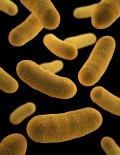
Food manufacturers often use squeegees as a tool to remove condensation from overhead surfaces. This practice is done to reduce the likelihood of environmental pathogen contamination by eliminating condensed water droplets that could fall from overhead surfaces during production. However, this practice may actually spread environmental pathogens across these surfaces, defeating its purpose and further increasing the risk for contamination in the processing area. To understand the risk associated with this common practice, test pipes inoculated with Listeria innocua ATCC 33090 were exposed to steam to produce condensation, which was then removed by squeegees. The pipe surfaces, droplets, and squeegees were subsequently analysed for Listeria to determine the distance the organism spread across the pipe, and how many organisms were transferred to the droplets and the squeegees. Results showed that Listeria travelled as far as 16 inches across the surface of the pipe, and bacterial transfer to the droplets decreased as the squeegee travelled further away from the contaminated area. Sanitisers alone were able to remove about 1 – 2 log CFU/in 2 of Listeria from the squeegee blades. Among the cleaning protocol evaluated, an extensive cleaning regimen was able to remove 3 – 4 log CFU/in 2 , which would be recommended to reduce the risk associated with environmental pathogens transfer. This study provides evidence that supports recommendations for minimising the cross-contamination risk associated with condensation management practices.

Switzerland – Early detection for food safety

FFSVO

For sustainable assurance of food safety and the prevention of fraud, the FSVO identifies newly emerging risks to the health of Switzerland’s population. Early detection of this kind allows appropriate action to be taken in real time.

The FSVO compiles the most important food safety information every month 

Monitoring developments in the field of food safety is an essential task of early detection. This is why the FSVO summarises and evaluates the main information in Seismo Info. The publication is sent out by newsletter.

The aim of early detection for food safety is to identify and assess potential risks of food to the health of consumers.

The FSVO distinguishes between different types of risk:

  • Microbiological risks in foodstuffs and food fraud and deception
  • Chemical risks in foodstuffs and commodities
  • Nutrition-related risks

Monitoring system

The detection of newly emerging risks requires vigilant monitoring of societal and ecological changes, technological developments, economic trends and political conditions.

To perform these tasks, the FSVO manages an early detection system for food safety. This system considers information from a variety of sources, as well as the opinion of experts from the federal government, the cantons, industry and universities. The FSVO is also part of an international network that regularly shares information on new risks, assesses these risks and discusses the action to be taken.

Information and communication

The information gathered is compiled in the ADURA database, which can be accessed by federal and cantonal experts and to some extent also by the public.

The FSVO summarises and evaluates the main information every month in Seismo Info. The publication is communicated via the «Food safety and nutrition» newsletter (Subscription in French, German or Italian).

«Briefing letters» are short summaries of issues. They are characterised by in-depth research on a specific topic. Their purpose is to draw attention to hazards or risks that could endanger food safety in the medium to long term.

Anyone can contribute to early detection by submitting information to seismo@blv.admin.ch. Specialists check the information and incorporate it into the ADURA database or Seismo Info as appropriate.