Category Archives: Food Microbiology Blog

Italy – Giuncatina Santa Caterina Primosale Santa Caterina – Bacterial Contamination

Salute

Brand : Giuncatina Primosale

Name : Giuncatina Santa Caterina Primosale Santa Caterina

Reason for reporting : Recall due to microbiological risk

Publication date : 7 March 2022

Click to access C_17_PubblicazioneRichiami_1668_azione_itemAzione0_files_itemFiles0_fileAzione.pdf

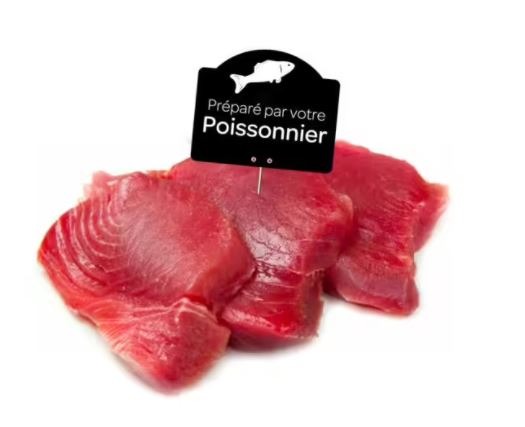
France – Tuna steak sold at the traditional stand – Histamine

Gov france

Identification information of the recalled product

  • Product category Food
  • Product subcategory Fishery and aquaculture products
  • Product brand name Unbranded
  • Model names or references Sliced ​​tuna loin in store (Darne de thon) sold at the traditional stand of the CARREFOUR MARKET store in SANCERRE between 21/02/2022 and 22/02/2022
  • Identification of products
    Lot
    Lot sold between 02/21/22 and 02/22/22
  • Packaging by weight, presented sliced
  • Marketing start/end date From 21/02/2022 to 22/02/2022
  • Storage temperature Product to be stored in the refrigerator
  • Health mark EN 34.336.503 EC
  • Further information Sliced ​​tuna loin in store (Darne de thon) sold at the traditional stand of the CARREFOUR MARKET store in SANCERRE between 21/02/2022 and 22/02/2022
  • Geographic area of ​​sale SANCERRE MARKET STORE ONLY
  • Distributors SANCERRE MARKET STORE ONLY

Practical information regarding the recall

  • Reason for recallPresence of Histamine
  • Risks incurred by the consumerEndogenous toxins: histamine (fish, cheese, alcoholic beverages, meats)

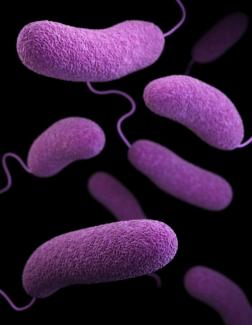
Research – Rainfall strongly affects infectious Vibrio bacteria in Ala Wai Canal

Science Daily

Food Illness

Study authors Olivia Nigro, then a graduate student in the oceanography at UHM and now an assistant professor at HPU, and Grieg Steward, professor in the UHM School of Ocean and Earth Science and Technology (SOEST), first assessed Vibrio in 2006 when Oliver Johnson died from a V. vulnificus infection after having cuts and scrapes exposed to Ala Wai Harbor water.

“His exposure occurred after many days of heavy rainfall, which, given our results, suggests this may have been an exacerbating factor,” said Steward. “At the time, we realized there was almost no data on the ecology of V. vulnificus in the canal, or in Hawai’i generally, and remarkably, very little in tropical waters anywhere.”

After a quick pilot study in 2006 that showed the bacteria are present in high, but not unexpected numbers, the team geared up for a year-long study in 2008-2009 with better methods to understand the variability in abundance over a seasonal cycle.

At higher latitudes, the abundance of V. vulnificus shows a very strong seasonal cycle — nearly disappearing in winter when temperatures are cold. In Hawai’i, temperatures are warm year-round, so freshwater input becomes a more important control.

“V. vulnificus occurs naturally in warm, brackish waters,” said Nigro. “So we expect to find this bacterium anywhere that temperatures are warm and freshwater and seawater mix in about equal proportions. When conditions are right, the Ala Wai Canal can be a great incubator for this bacterium!”

France- Special hamburger patty 20% 2x180g – Salmonella

Gov france

Identification information of the recalled product

  • Product category Food
  • Product subcategory Meats
  • Product brand name The Beautiful Meadow
  • Model names or references Special hamburger patty 20% 2x180g
  • Identification of products
    GTIN Lot Dated
    3700502706208 22061-9517 Use-by date 03/10/2022
  • Products List Product_list.pdf Attachment
  • Packaging tray under modified atmosphere 2x180g
  • Marketing start/end date From 02/03/2022 to 10/03/2022
  • Storage temperature Product to be stored in the refrigerator
  • Health mark EN 13.097.003 EC
  • Geographic area of ​​sale Departments: ALPES-MARITIMES (06), VAR (83)
  • Distributors SUPMEATS / TSA MEAT

Practical information regarding the recall

  • Reason for recall presence of salmonella
  • Risks incurred by the consumer Salmonella spp (causative agent of salmonellosis)

India – 1,000 hospitalised due to food poisoning in Mehsana

India Express

Over 1,000 people who attended a wedding dinner in the Savala village of Visnagar, Mehsana on Friday were rushed to health facilities following food poisoning. According to Visnagar taluka police, an inquiry has been initiated and proceedings shall be initiated accordingly.

According to police inspector BL Maheriya of Visnagar taluka police station, the wedding of former Congress leader Wazir Khan Pathan’s son was held on March 3 and the next day on March 4 a dinner was organised at Savala with “12,000-15,000 guests in attendance”, of which around 1,057 guests started exhibiting symptoms of food poisoning such as vomiting and diarrhoea and were admitted at various health facilities in Gandhinagar.

“FSL and FDCA has taken samples of sweets and other food items served at the dinner and the results are awaited. Health department too is working on this and have taken samples of the vomit and stool. Prima facie it seems the caterer may have been negligent and there could have been adulteration in the food,” Gohil said.

Spain – Food alert due to the presence of Listeria monocytogenes in fresh goat cheese and mixture of Andalusia

JA

The Ministry of Health and Families, through the General Directorate of Public Health and Pharmaceutical Regulation, has been made aware of the presence of Listeria monocytogenes in fresh, semi-cured and cured goat and mixed cheese that have been distributed in the province of Malaga, from the company HERMANOS VARGAS JIMENEZ SL located in the town of Álora (Málaga), with the El Llano Jaral brand, refrigerated, presented in 2 kg, 1 kg, 500 gr and 250 gr containers, and in all batches and date of expiration. The company has activated its product withdrawal protocol by communicating to its customers immediately.

The data of the products involved are:

  • PRODUCT NAME : FRESH, SEMI-CURED AND CURED GOAT’S MILK CHEESE AND MIXTURE.
  • BRAND : THE PLAIN JARAL.
  • PRESENTATION : Containers of 2 kg, 1 kg, 500 gr and 250 gr.
  • LOT : ALL.
  • EXPIRY DATE : ALL.
  • TEMPERATURE : REFRIGERATED.

Specifically, the products have been distributed in the towns of Estepona, Alhaurín de la Torre, Mijas, Cártama, Álora, Málaga, Manilva, Ronda.

March 4

The Ministry of Health and Families, through the General Directorate of Public Health and Pharmaceutical Regulation, has been made aware of the presence of Listeria monocytogenes in fresh, semi-cured and cured goat and mixed cheese that have been distributed in the province of Malaga, from the company HERMANOS VARGAS JIMENEZ SL located in the town of Álora (Málaga), with the El Llano Jaral brand, refrigerated, presented in 2 kg, 1 kg, 500 gr and 250 gr containers, and in all batches and date of expiration. The company has activated its product withdrawal protocol by communicating to its customers immediately.

The data of the products involved are:

  • PRODUCT NAME : FRESH, SEMI-CURED AND CURED GOAT’S MILK CHEESE AND MIXTURE.
  • BRAND : THE PLAIN JARAL.
  • PRESENTATION : Containers of 2 kg, 1 kg, 500 gr and 250 gr.
  • LOT : ALL.
  • EXPIRY DATE : ALL.
  • TEMPERATURE : REFRIGERATED.

Specifically, the products have been distributed in the towns of Estepona, Alhaurín de la Torre, Mijas, Cártama, Álora, Málaga, Manilva, Ronda.

This information has been transferred to the official control services of the province involved, in order to verify the effective withdrawal of the affected products from the marketing channels.

With the information available there is NO record in Andalusia of any notified case associated with this food alert

People who have products affected by this alert at home are recommended to refrain from consuming them and return them to the point of purchase.

In the case of having consumed products from the affected batch and presenting symptoms compatible with listeriosis (vomiting, diarrhea or fever), it is recommended to go to a health center and inform the health professionals.

Israel – Shamir Salads 2006 Ltd. recalls several herring products due to Listeria monocytogenes contamination

Click to access NEWS_recalls_food_rcl_02032022.pdf

Research – Don’t take a risk with food safety during and after floods

Medical Express

Following extensive flooding in eastern Australia the Food Safety Information Council is warning people not to take food safety risks during and after flood.

Lydia Buchtmann, the Council’s Communication Director, said that floodwater can be contaminated with sewage, agricultural and , and other substances that can cause illness so there is a danger that any food, surfaces and cooking utensils that have come into contact with floodwater might be contaminated.

“Spills and sewage discharges can also contaminate  and food gardens. If in doubt throw out any food that might not be safe to eat and follow these simple steps:

  1. Throw out food that has come into contact with floodwater or has an unusual odor, color or texture. Do not taste or cook it.
  2. Check canned and unopened bottled food and throw out any cans that are dented, swollen or damaged. For  that appear useable remove the label and thoroughly wash the outside of the can with drinking-quality water, sanitize the can in bleach for 1 minute, then rinse in drinking-quality water re-label the can with a waterproof pen.
  3. Carefully check dishes, pots, pans, cutlery and kitchen equipment that might have been in contact with floodwater. Throw away damaged or cracked items, items made from porous material such as wood, plastic or rubber including wooden chopping boards as they cannot be adequately sanitized.
  4. Wash utensils and surfaces in hot, soapy, drinking-quality water. Take apart and clean the non-electrical pieces of any kitchen equipment that can be safety taken apart and then rinse in clean, hot water.
  5. Sanitize silverware, metal utensils, pots, pans and kitchen equipment in pieces by boiling in water for 10 minutes. Sanitize dishes by immersing glass, porcelain, china and enamel-ware for 10 minutes in a disinfecting solution of 1 tablespoon of chlorine bleach per 2 liters of warm water. Clean cupboards and counters with hot soapy water then rinse with a chlorine bleach solution before storing dishes or food.
  6. Air dry items because towels might have been splashed with contaminated water.
  7. Commercial and most domestic dishwashers are capable of sanitizing all eating and cooking utensils as part of their normal cycle
  8. Vegetable gardens can take a month to become suitable for harvest after flood or sewage discharge. Discard all leafy green produce or damaged vine or dropped tree fruits. After 1 month, wash other vegetables then sanitize in a weak bleach solution of 1 tablespoons bleach to 2 liters of water. Then rinse in drinking-quality water, peel and use.

“Finally, after a flood tap water and private water supplies such as from tanks, wells and bores sometimes might not be safe to drink and use for cooking and cleaning so monitor public announcements and those from the local water supplier to know if tap water is safe to use. If the water is unsafe, use only bottled, boiled or treated —in that order of preference—for drinking, cooking or preparing , washing utensils and surfaces, brushing teeth, hand washing, making ice, and bathing,” Ms Buchtmann concluded.


Explore further

Proper handling of fresh produce can reduce risk of foodborne illness

Ireland – Recall of Some Coleslaws and Other Products Containing Shredded Cabbages or Carrots due to the Possible Presence of Listeria monocytogenes

FSAI

Summary
Category 1: For Action
Alert Notification: 2022.16
Product: Please see table below.
Batch Code: Please see table below for further details.
Country Of Origin: Ireland

Message:

Following a voluntary withdrawal of some shredded cabbages and carrots by Milnes Foods Ltd., a range of retail products are being recalled due to the possible presence of Listeria monocytogenes in products made with the shredded cabbages and carrots.  Please see table below for details of the affected batches.  Point-of-sale recall notices will be displayed in stores supplied with the implicated products.

Nature Of Danger:

Symptoms of Listeria monocytogenes infection can include mild flu-like symptoms, or gastrointestinal symptoms such as nausea, vomiting and diarrhoea.  In rare cases, the infection can be more severe, causing serious complications. Some people are more vulnerable to Listeria monocytogenes infections, including pregnant women, babies, and people with weakened immune systems, including the elderly.  The incubation period (time between initial infection and first symptoms appearing) is on average 3 weeks but can range between 3 and 70 days.

Action Required:

Consumers:

Consumers are advised not to eat the implicated batches.

Table of products
DS products
Hannifys

Belgium – Geay brand oysters – Norovirus

AFSCA

Product: Geay brand oysters.
Problem: presence of Norovirus.
Following a notification via the RASFF system (European Food and Feed Rapid Alert System), the presence of Norovirus was detected in oysters (12 or 24 pieces) of the Geay brand.

The FASFC has therefore decided to withdraw this product from sale and to recall it from consumers.

The AFSCA asks not to consume this product and to bring it back to the point of sale where it was purchased.

Product Description :

– Product: Oysters (12 or 24 pieces)
– Brand: Geay
– Batch numbers/product code: 21/02/2022 to 28/02/2022

The product was distributed via several points of sale in Belgium.

For any additional information, you can contact the FASFC contact point for consumers: 0800/13.550 or pointdecontact@afsca.be .