Category Archives: food death

India – 200 hotels shut in crackdown on stale food after food poisoning death in Kerala

Hindustan Times

A week after a 16-year-old girl died in north Kerala after consuming stale shawarma, the government launched a crackdown on the eateries during which over 200 hotels were shut and large quantity of stale meat and fish was seized in a week-long operation across the state.

“During the drive, over 500 kg stale meat and 6,000 kg fish laced with chemicals was seized in the state,”said a food safety official said, adding, “the checking drive will be intensified.” Last week, the high court had registered a case suo motu and asked the government and food safety officials to conduct regular examinations instead of acting only after a tragedy.

India – Food poisoning: E.Coli, Coliforms found in samples from snacks shop

New Indian Express

KASARGOD: The presence of e-Coli and coliform bacteria was found in the food samples taken from Ideal snacks bar at Cheruvathur, said an official source. The Department of Food Safety had sent the samples for testing at the Regional Analytical Laboratory in Kozhikode after a schoolgirl, who had shawarma from the eatery, died, and another 52 persons who ate from there fell sick.

The presence of the highly contagious shigella bacteria, which causes intestinal infection, was found in the blood and stool samples of the patients tested at Kozhikode Medical College Hospital.
The laboratory is now conducting tests on the food samples to ascertain the presence of shigella and salmonella, another bacteria that affect the intestinal tracts, said the source. Only after these two tests, the report would be officially released.

India – Shigella caused food poisoning in girl who died after eating shawarma: Kerala health department

India Express

Shigella - kswfoodworld

Kerala health department on Tuesday identified shigella bacteria as the cause of food poisoning which claimed the life of a student and led to the hospitalisation of around 30 others in the state’s Kasaragod district.

District medical officer Dr S K Ramdas said the presence of shigella was confirmed after testing the blood and faeces of those undergoing treatment for food poisoning. The samples collected from the hospitalised persons were tested at the government medical college hospital in Kozhikode, he said.

USA – FDA Investigation of Cronobacter Infections: Powdered Infant Formula (February 2022)

FDA

If you want to check if your powdered formula is part of the recall, you can enter the product lot code on the bottom of your package on the company’s websiteExternal Link Disclaimer.

If you have questions or need information about the recall, you can Submit Questions/Get Assistance.

If your infant is experiencing symptoms related to Cronobacter infection, such as poor feeding, irritability, temperature changes, jaundice, grunting breaths, or abnormal body movements; contact your health care provider to report their symptoms and receive immediate care.

To report an illness or adverse event, you can

The U.S. Food and Drug Administration (FDA), along with the Centers for Disease Control and Prevention (CDC) and state and local partners are investigating consumer complaints and/or reports of infant illness, received from 9/20/2021 to 1/11/2022, related to products from Abbott Nutrition’s Sturgis, MI, facility. The four ill patients are reported to have consumed powdered infant formula produced from Abbott Nutrition’s Sturgis, MI, facility.

Following the voluntary recall and hold of certain powdered infant formula products produced at the Abbott Nutrition facility in Sturgis, MI, Abbott has committed to completing enhanced testing of stored product batches prior to making release determinations. While the FDA recognizes that Abbott has conducted standard product testing, there were a limited number of samples tested. Additionally, although finished product testing does not eliminate the risk of contamination, the enhanced testing will provide for a greater chance to detect Cronobacter sakazakii, if present; however, this enhanced level of testing will take additional time.

In the meantime, the FDA has informed Abbott Nutrition that the agency has no objection to the company immediately releasing product to individuals needing urgent, life-sustaining supplies of the specialty and metabolic formulas listed below on a case-by-case basis. The FDA is concerned that the risk of not having certain specialty and metabolic products available could significantly worsen underlying medical conditions and in some cases pose life-threatening risks for infants and individuals who rely on these products. In these circumstances, the benefit of allowing parents, in consultation with their healthcare providers, to access these products may outweigh the potential risk of bacterial infection.

Abbott has confirmed with the FDA that the company will consider release of these products on a case-by-case basis, depending on product availability and the severity of the individual’s need. Patients and caregivers seeking access to these products should contact Abbott directly to request that a product be made available to them by calling 1-800-881-0876.

It is important for parents and caregivers to understand that any products released on a case-by-case basis at this time were made at Abbott Nutrition’s Sturgis, MI, facility, and that the processes, procedures, and conditions that the FDA observed during its inspection of the Sturgis MI production facility from January 31 – March 3, 2022, raise concerns that powdered infant formula produced at this facility prior to the FDA’s inspection carry a risk of contamination. Therefore, those seeking access should consult with their healthcare provider in considering whether the benefit of consuming such product outweighs the potential risk of bacterial infection in the user’s particular circumstances. Parents and caregivers should continue to work with their medical provider to consider whether comparable alternative products may be appropriate.

Parents and caregivers who obtain these products should carefully follow Abbott’s preparation instructions as indicated on the product container. Should product released on a case-by-case basis be used, parents and caregiver should pay close attention to the user’s health status and alert a healthcare provider immediately of any change in health status. In the meantime, the FDA is continuing to work diligently to ensure the safe resumption of production of infant formula at Abbott Nutrition’s Sturgis, Michigan facility.

Specialty and Metabolic Formulas that may be Released on a Case-By-Case Basis:

  • Glutarex-1
  • Glutarex-2
  • Cyclinex-1
  • Cyclinex-2
  • Hominex-1
  • Hominex-2
  • I-Valex-1
  • I-Valex-2
  • Ketonex-1
  • Ketonex-2
  • Phenex-1
  • Phenex-2
  • Phenex-2 Vanilla
  • Pro-Phree
  • Propimex-1
  • Propimex-2
  • ProViMin
  • Calcilo XD
  • Tyrex-1
  • Tyrex-2
  • Similac PM 60/40

Recommendation

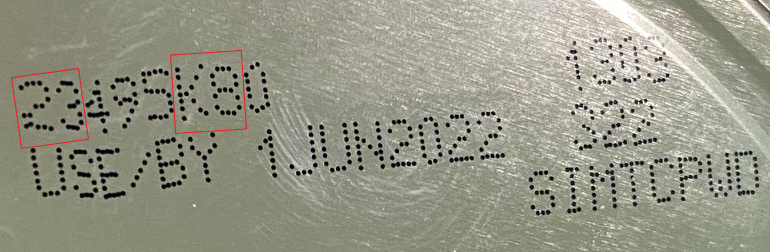
The FDA is advising consumers not to use recalled Similac, Alimentum, or EleCare powdered infant formulas. Recalled products can be identified by the 7 to 9 digit code and expiration date on the bottom of the package (see image below). Products are included in the recall if they have all three items below:

  • the first two digits of the code are 22 through 37 and
  • the code on the container contains K8, SH, or Z2, and
  • the expiration date is 4-1-2022 (APR 2022) or later.

In addition to products described above, Abbott Nutrition has recalled Similac PM 60/40 with a lot code 27032K80 (can) / 27032K800 (case). At this time, Similac PM 60/40 with lot code 27032K80 (can) / 27032K800 (case) is the only type and lot of this specialty formula being recalled. Additional recall information for the initial recall is available on the FDA website. Parents can also enter their product lot code on the company’s websiteExternal Link Disclaimer to check if it is part of the recall.

Additional information for parents and caregivers of infants receiving medical specialty infant formulas and individuals using certain medical foods is available below.

Additional Information for Parents and Caregivers:

The recalls do not include liquid formula products.

Parents and caregivers should never dilute infant formula and should not make or feed homemade infant formula to infants. Consumers should also avoid purchasing imported formula through online sales, as it has the potential to be counterfeit.

If your regular formula is not available, contact your child’s healthcare provider for recommendations on changing feeding practices.

If you get infant formula through WIC, do not throw the formula out. Instead, you should take it to the store for a refund and exchange or call the company at 1-800-986-8540 to help you. WIC recipients should be able to obtain a different brand of similar formula. Call your local WIC clinic for more guidance. Also see:

More information on Cronobacter and infant formula is available on CDC’s website.

Recalled powdered infant formulas have the potential to be contaminated with Cronobacter, a bacterium that can cause severe foodborne illness primarily in infants. Cronobacter infections are rare but are especially high risk for newborn infants (see symptoms below).

Cronobacter bacteria can cause severe, life-threatening infections (sepsis) or meningitis (an inflammation of the membranes that protect the brain and spine). Symptoms of sepsis and meningitis may include poor feeding, irritability, temperature changes, jaundice (yellow skin and whites of the eyes), grunting breaths, and abnormal body movements. Cronobacter infection may also cause bowel damage and may spread through the blood to other parts of the body.

If your child is experiencing any of these symptoms, you should notify your child’s healthcare provider and seek medical care for your child immediately. Healthcare providers and health departments are encouraged to report any confirmed cases of Cronobacter sakazakii to CDC.

Former employee blows whistle on baby formula production plant tied to outbreak – Cronobacter

EFOOD ALERT

A whistle blower document regarding product safety at a plant that manufactured infant formula linked to a deadly, ongoing outbreak provides damning information against Abbott Nutrition, the maker of Similac and other popular formulas that have been recalled in relation to the outbreak.

The document, sent to top officials at the Food and Drug Administration in October 2021, sparked outrage from U.S. Rep. Rosa DeLauro who has already demanded information from the FDA regarding the Cronobacter outbreak among babies. DeLauro, D-CT, on April 28 shared a redacted version of the whistle blower complaint and renewed her criticism of FDA and Abbott Nutrition for their slow response to the outbreak in which at least four babies have been hospitalized, with two having died.

“I am deeply concerned about the practices at this Abbott facility and their apparent failure to implement and enforce internal controls at this facility. We need to know exactly who in the company was aware of this failure and the alleged attempts to hide this information from the FDA,” DeLauro said during a meeting on the Fiscal Year 2023 Budget Request for the United States Department of Agriculture.

“I am equally concerned that the FDA reacted far too slowly to this report. The report was submitted to the FDA on October 20, 2021. The FDA did not interview the whistleblower until late December 2021. According to news reports, FDA did not inspect the plant in person until January 31, 2022, and the recall was not issued until February 17, 2022.”

Read the full story at the link above.

USA – Suspected botulism death prompts warning about home-canned food

Food Safety News

Public health officials in Washington state are urging people to practice safe procedures for home canning after a man died during the weekend.

The man, from Grays Harbor County, was between 55 and 65 years old, according to a news release from the public health department. 

The department has not yet released any other information about the man, except to say it is believed he died from botulism poisoning. Testing is ongoing to confirm the cause of death.

“Grays Harbor County Environmental Health assisted the property owner with the safe disposal of around 170 pint-sized jars of home-canned food and canning jars per CDC guidelines,” according to the county’s news release. 

Botulism is odorless and cannot be seen or tasted; however, even a small taste of food containing the toxin can be deadly, according to the U.S. Centers for Disease control and Prevention, the county release warns.

USA – New Era of Smarter Food Safety: FDA’s Foodborne Outbreak Response Improvement Plan

I. What progress have we made to date?

The FDA and its par

FDA

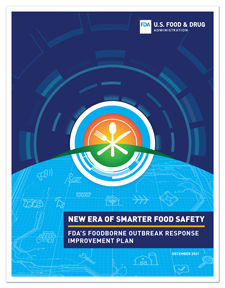
New Era of Smarter Food Safety - FDA's Foodborne Outbreak Response Improvement Plan Cover

Tackling foodborne outbreaks faster and revealing the root cause are essential for the prevention of future outbreaks. We have a plan to do that.

Foodborne disease remains a significant public health problem in the United States. The FDA’s Foodborne Outbreak Response Improvement Plan (FORIP), described in this document, is an important step that the FDA is taking to enhance the speed, effectiveness, coordination, and communication of outbreak investigations. (Unless stated otherwise, this report focuses exclusively on the response to human food and not animal food.)

Our ultimate goal is to bend the curve of foodborne illness in this country.


France – Nestlé recalls pizzas as officials suggest link to E. coli cases; 2 children dead

Food Safety News

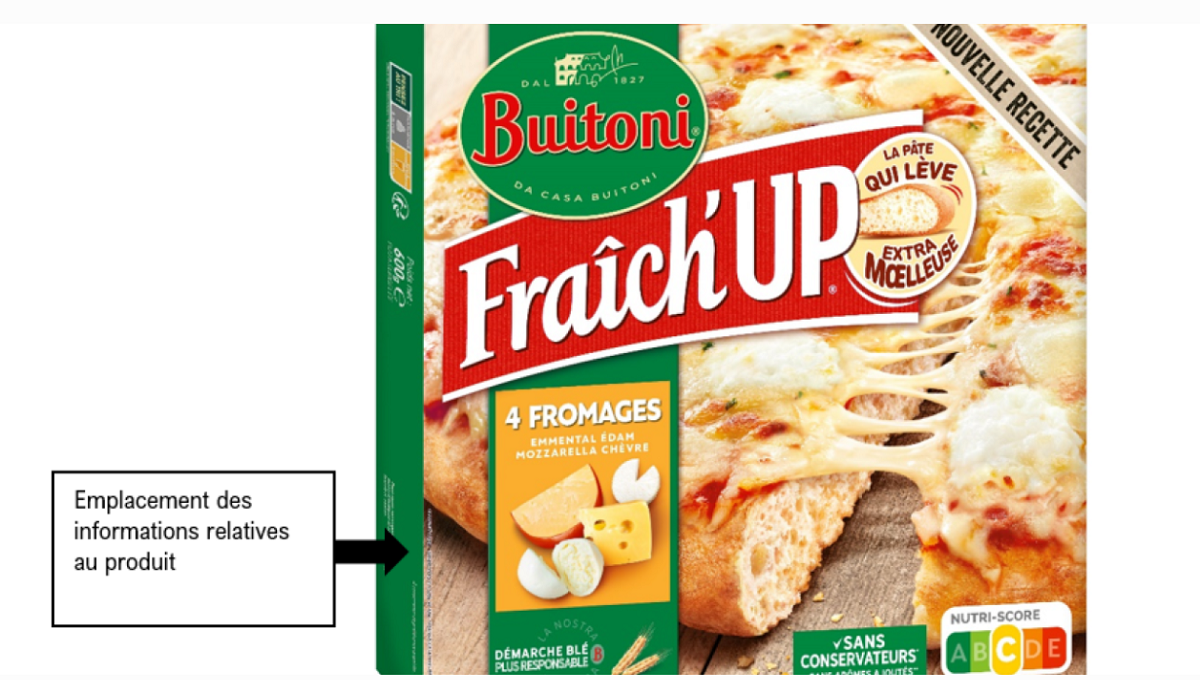
buitoni pizza nestle france e. coli

Nestlé has recalled some frozen pizzas in France after authorities linked them to an outbreak of E. coli infections.

Buitoni brand Fraîch’Up pizzas have been withdrawn and recalled because of possible contamination by E. coli O26. Nestlé took action after being told about the presence of E. coli in dough used in the frozen pizzas.

Investigations by authorities into a number of hemolytic uremic syndrome (HUS) cases have pointed to a possible connection with consumption of the frozen pizzas. HUS is a type of kidney failure  associated with E. coli infections that can result in lifelong, serious health problems and death.

In total, 27 cases of HUS or serious infection caused by E. coli with similar characteristics, have been identified, and 31 other infections are under investigation.

The sick children, aged from 1 to 18 years old with a median age of 5 and a half had symptoms between Jan. 10 and March 10, 2022. Two youngsters have died.

In France, Shiga toxin-producing E. coli (STEC) surveillance is based only on HUS in children younger than 15, so it only catches the most severe cases of E. coli infection. It is unknown how many adults might be infected.

USA – FDA Investigation of Cronobacter Infections: Powdered Infant Formula (February 2022) – The problem is more than two years old.

FDA

If you want to check if your powdered formula is part of the recall, you can enter the product lot code on the bottom of your package on the company’s websiteExternal Link Disclaimer.

If you have questions or need information about the recall, you can Submit Questions/Get Assistance.

If your infant is experiencing symptoms related to Cronobacter infection, such as poor feeding, irritability, temperature changes, jaundice, grunting breaths, or abnormal body movements; contact your health care provider to report their symptoms and receive immediate care.

To report an illness or adverse event, you can

The FDA, along with CDC and state and local partners are investigating consumer complaints and/or reports of infant illness related to products from Abbott Nutrition’s Sturgis, MI facility. All of the ill patients are reported to have consumed powdered infant formula produced from Abbott Nutrition’s Sturgis, MI facility.

The FDA is releasing the FDA Form 483s from three inspections conducted at Abbott Nutrition’s facility on Sept. 16-24, 2019Sept. 20-24, 2021, and Jan. 31-March 18, 2022. The inspectional observations in these Form 483s do not constitute final FDA determinations of whether any condition was or is in violation of the Federal Food, Drug, and Cosmetic Act or any of its implementing regulations. FDA will take appropriate action in the future – if warranted – as we continue to evaluate the 2022 inspectional findings.

Important observations noted in the 2022 Form 483 include, but are not limited to:

  • [Abbott Nutrition] did not establish a system of process controls covering all stages of processing that was designed to ensure that infant formula does not become adulterated due to the presence of microorganisms in the formula or in the processing environment.
  • [Abbott Nutrition] did not ensure that all surfaces that contacted infant formula were maintained to protect infant formula from being contaminated by any source.

Once the immediate public health risk is minimized, FDA will conduct a programmatic review to ensure the maximum effectiveness of agency programs and policies related to infant formula and special medical food complaints, illnesses, and recalls.

Conducting this review is a top priority for the FDA and will be done as efficiently as possible, and we can ensure this effort will not interfere with the immediate recall response activities. We will and must continue focusing on taking all steps possible to protect the health of those who rely on safe powdered infant formula.

Recommendation

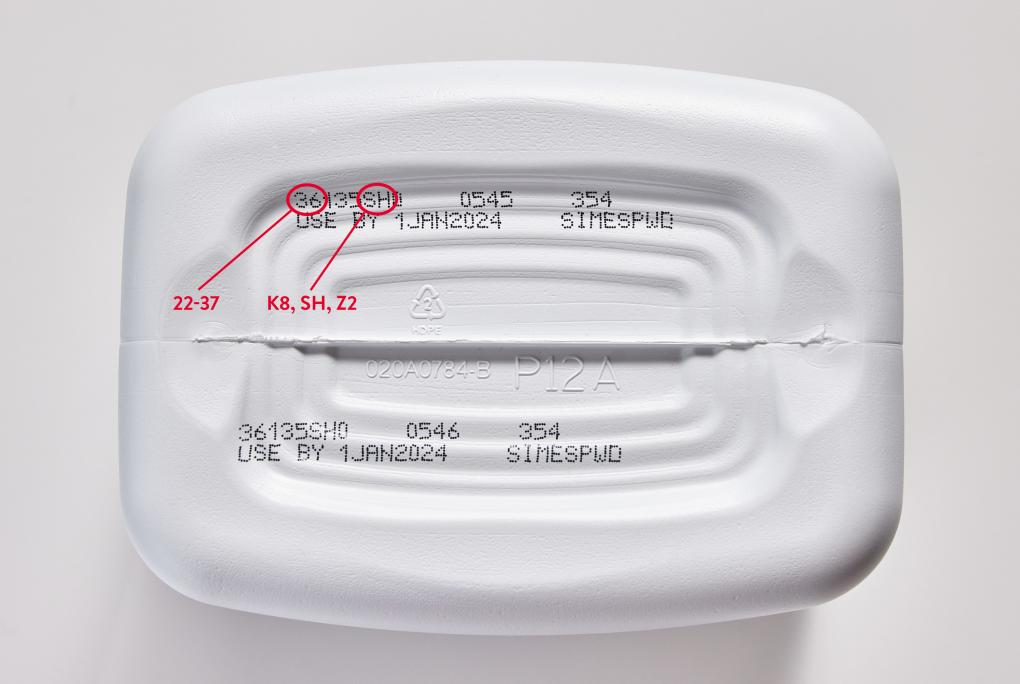
The FDA is advising consumers not to use recalled Similac, Alimentum, or EleCare powdered infant formulas. Recalled products can be identified by the 7 to 9 digit code and expiration date on the bottom of the package (see image below). Products are included in the recall if they have all three items below:

  • the first two digits of the code are 22 through 37 and
  • the code on the container contains K8, SH, or Z2, and
  • the expiration date is 4-1-2022 (APR 2022) or later.

In addition to products described above, Abbott Nutrition has recalled Similac PM 60/40 with a lot code 27032K80 (can) / 27032K800 (case). At this time, Similac PM 60/40 with lot code 27032K80 (can) / 27032K800 (case) is the only type and lot of this specialty formula being recalled. Additional recall information for the initial recall is available on the FDA website. Parents can also enter their product lot code on the company’s websiteExternal Link Disclaimer to check if it is part of the recall.

Additional information for parents and caregivers of infants receiving medical specialty infant formulas and individuals using certain medical foods is available below.

Additional Information for Parents and Caregivers:

The recalls do not include liquid formula products.

Parents and caregivers should never dilute infant formula and should not make or feed homemade infant formula to infants. Consumers should also avoid purchasing imported formula through online sales, as it has the potential to be counterfeit.

If your regular formula is not available, contact your child’s healthcare provider for recommendations on changing feeding practices.

If you get infant formula through WIC, do not throw the formula out. Instead, you should take it to the store for a refund and exchange or call the company at 1-800-986-8540 to help you. WIC recipients should be able to obtain a different brand of similar formula. Call your local WIC clinic for more guidance. Also see:

More information on Cronobacter and infant formula is available on CDC’s website.

Recalled powdered infant formulas have the potential to be contaminated with Cronobacter, a bacterium that can cause severe foodborne illness primarily in infants. Cronobacter infections are rare but are especially high risk for newborn infants (see symptoms below).

Cronobacter bacteria can cause severe, life-threatening infections (sepsis) or meningitis (an inflammation of the membranes that protect the brain and spine). Symptoms of sepsis and meningitis may include poor feeding, irritability, temperature changes, jaundice (yellow skin and whites of the eyes), grunting breaths, and abnormal body movements. Cronobacter infection may also cause bowel damage and may spread through the blood to other parts of the body.

If your child is experiencing any of these symptoms, you should notify your child’s healthcare provider and seek medical care for your child immediately. Healthcare providers and health departments are encouraged to report any confirmed cases of Cronobacter sakazakii to CDC.


Product Images

Sample Product Image from the FDA Investigation of Cronobacter and Salmonella Complaints about Powdered Infant Formula (February 2022)

Case Counts

Total Adverse Events: 4
Hospitalizations: 4
Reported Deaths: 2*
Illness Onset Date Range: 9/6/2021 – 1/4/2022
States with Adverse Events: MN (1), OH (2), TX (1)
Product Distribution: Nationwide and International
* Two deaths have been reported. Cronobacter infection may have contributed to the cause of death for both patients.

USA – Mystery Salmonella and Listeria Outbreaks sicken 75 in United States while infant formula kills 2

Food Poison Journal

The Food and Drug Administration has posted an increase in the number of patients in an outbreak of Listeria monocytogenes infections as it continues investigations into three other outbreaks.

The new patient count in the Listeria outbreak is 16, up from 14 reported a week ago. As of March 16 the FDA had not determined the cause of the outbreak. The agency has initiated traceback efforts, but has not revealed what food or foods are involved in those activities.

The FDA has not revealed any demographic information on the Listeria patients and has not reported where they live.

In other outbreak news the FDA is investigating a new outbreak of Salmonella SaintPaul infections that has sickened 59 people. The agency announced the outbreak on March 16. As with the Listeria outbreak investigation, the FDA has not released any patient information for the Salmonella outbreak and has not reported where the patients live. Traceback efforts have begun, according to the FDA, but the agency did not report what food or foods are involved.