Category Archives: Food Chemistry

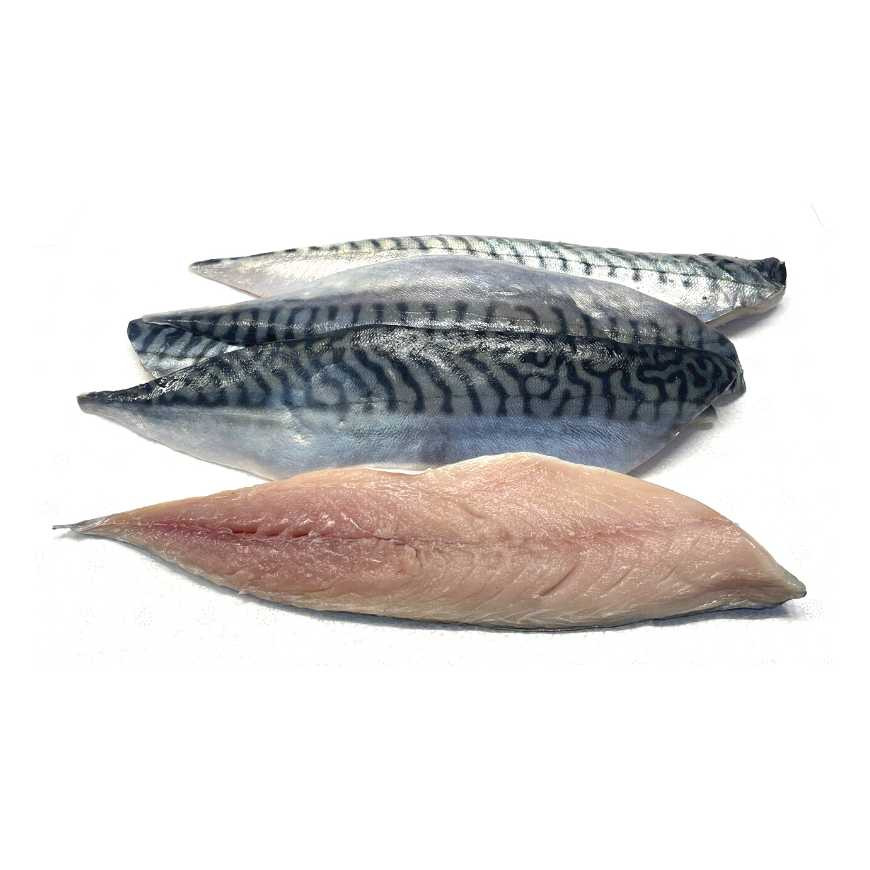
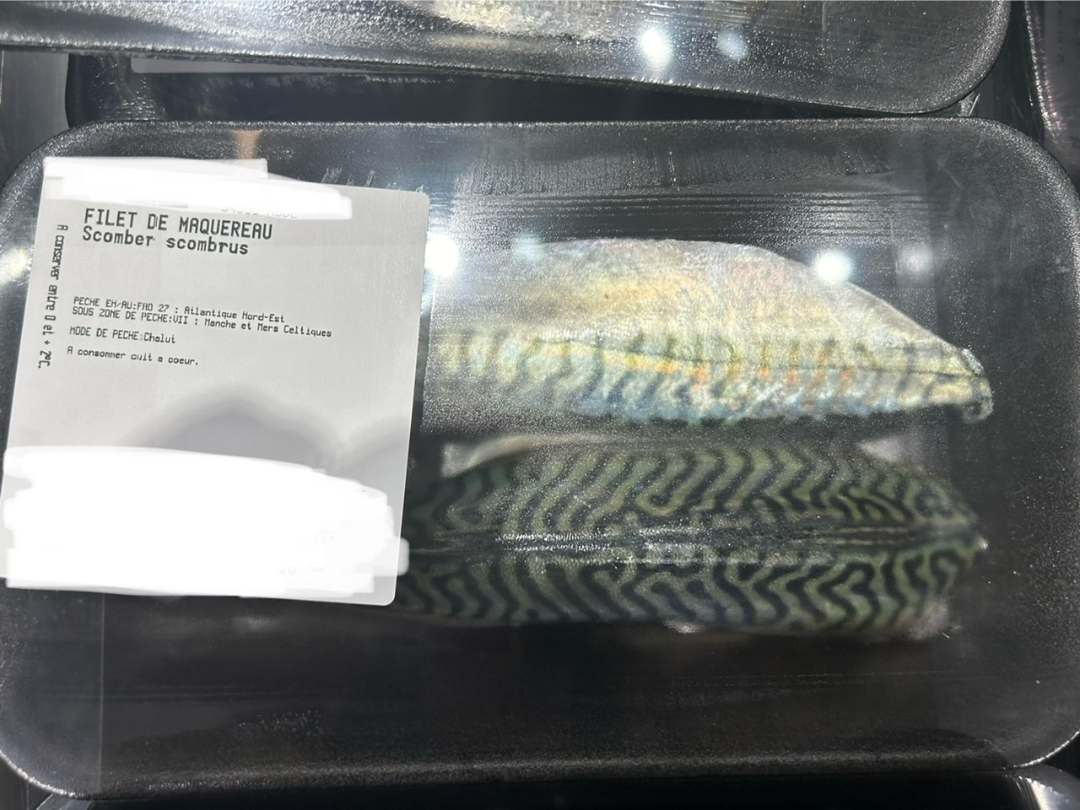
France – Mackerel Fillets – Histamine

Gov France

Product Category
Food
Product subcategory
Fishery and aquaculture products
Product brand name
WITHOUT
Model names or references
without
Product identification
GTIN Batch Date
2888866000000 10/07/2024 Expiry date 07/13/2024
Packaging
Tray under film
Start/End of marketing date
From 07/10/2024 to 07/12/2024
Storage temperature
Product to be kept in the refrigerator
Geographic area of ​​sale
Agde
Distributors
Intermarche Agde

RASFF Alert- Microbial and Chemical spoilage of food for special medical purpos

RASFF

Microbial and Chemical spoilage of food for special medical purposes from the UK in Malta

France – Mackerel Fillet – Histamine

Gov france

Identification information of the recalled product

  • Product category Feed
  • Product subcategory Others
  • Product brand name captain houat
  • Model names or references captain houat mackerel fillet
  • Identification of products
    Batch Date
    330440310 Use-by date 02/27/2023
  • Packaging 3 kg
  • Marketing start/end date From 02/16/2023 to 02/21/2023
  • Storage temperature Product to be stored in the refrigerator
  • Health mark EN 62.160.722 CE
  • Geographic area of ​​sale point of sale
  • Distributors INTERMARCHE

Practical information regarding the recall

  • Reason for recall presence of histamine
  • Risks incurred by the consumer Endogenous toxins: histamine (fish, cheese, alcoholic beverages, meats)

Switzerland – Early detection for food safety

FFSVO

For sustainable assurance of food safety and the prevention of fraud, the FSVO identifies newly emerging risks to the health of Switzerland’s population. Early detection of this kind allows appropriate action to be taken in real time.

The FSVO compiles the most important food safety information every month 

Monitoring developments in the field of food safety is an essential task of early detection. This is why the FSVO summarises and evaluates the main information in Seismo Info. The publication is sent out by newsletter.

The aim of early detection for food safety is to identify and assess potential risks of food to the health of consumers.

The FSVO distinguishes between different types of risk:

  • Microbiological risks in foodstuffs and food fraud and deception
  • Chemical risks in foodstuffs and commodities
  • Nutrition-related risks

Monitoring system

The detection of newly emerging risks requires vigilant monitoring of societal and ecological changes, technological developments, economic trends and political conditions.

To perform these tasks, the FSVO manages an early detection system for food safety. This system considers information from a variety of sources, as well as the opinion of experts from the federal government, the cantons, industry and universities. The FSVO is also part of an international network that regularly shares information on new risks, assesses these risks and discusses the action to be taken.

Information and communication

The information gathered is compiled in the ADURA database, which can be accessed by federal and cantonal experts and to some extent also by the public.

The FSVO summarises and evaluates the main information every month in Seismo Info. The publication is communicated via the «Food safety and nutrition» newsletter (Subscription in French, German or Italian).

«Briefing letters» are short summaries of issues. They are characterised by in-depth research on a specific topic. Their purpose is to draw attention to hazards or risks that could endanger food safety in the medium to long term.

Anyone can contribute to early detection by submitting information to seismo@blv.admin.ch. Specialists check the information and incorporate it into the ADURA database or Seismo Info as appropriate.

Canada – Kandy brand Tuna Dry Fish recalled due to Histamine

CFIA

Recall / advisory date:
December 2, 2020
Reason for recall / advisory:
Chemical
Hazard classification:
Class 2
Distribution:
Ontario
Extent of the distribution:
Retail
Reference number:
14125

Affected products

Brand Name Common Name Size UPC Code(s) on Product
Kandy Tuna Dry Fish 200 g 4 796000 574936 Date of Manufacture: 12.10.2020
Date of Expiry: 11.10.2021
Batch No. HP/CA010/2020

Public enquiries and media

Public enquiries
Toll-free: 1-800-442-2342 (Canada and U.S.)
Telephone: 1-613-773-2342 (local or international)
Email: cfia.enquiries-demandederenseignements.acia@canada.ca
Media relations
Telephone: 613-773-6600
Email: cfia.media.acia@canada.ca

Research – CLIMATE CHANGE: UNPACKING THE BURDEN ON FOOD SAFETY

Click to access CA8185EN.pdf

While the impacts of climate change on global food production and food security
are well known, the effects of climate change on food safety are much less so.
Since, the relationship between climate change and food safety hazards is not always
easy to see, this publication, Climate change: Unpacking the burden on food safety,
attempts to provide some clarity. Changes in global food systems and the increased
globalization of the food supply means that populations worldwide are at risk of
exposure to various food safety hazards. This can affect public health, food security,
national economies and international trade. In this already complicated scenario,
the challenges posed by climate change have additional implications that need to be
understood and addressed. This publication is aimed at a broad audience and it is
hoped that everyone who reads this comes away with a realization of the complexity
of the issues at stake and an appreciation of the work that lay in front of us.

RASFF Alert – Histamine – Tuna

RASFF – Histamine (240 mg/kg – ppm) in chilled tuna loins from Spain

UK – LABhelp – Independent Advisors with Over 20 years of Combined Experience of 3rd Party Auditing to ISO17025

LABhelp LH

We are home based UK Microbiology & Chemistry Laboratory Technical & Quality Advisors providing bespoke laboratory services which can be both site based and off-site. Off-site support services include, but are not limited to, procedure & method review, results interpretation, external proficiency interpretation. On-site services include hands-on training in laboratory bench practices & best practice techniques, procedure & record streamlining, internal auditing & method witnessing.


Hong Kong – 19 Diners Sick with Cigutera Poisoning

South China Morning Post

Health authorities are launching an investigation into food poisoning case in which 19 people fell ill after eating coral reef fish at a Lamma Island eatery on Saturday.

Fourteen men and five women, aged 23 to 71, had eaten fish at the seafood restaurant, and had fallen ill with symptoms of the potentially lethal ciguatera poisoning three to 19 hours later, the Centre for Health Protection said.

The restaurant in question was the Wai Kee Sea Food Restaurant in Sok Kwu Wan.

Symptoms can include numbness of the mouth and limbs, heart palpitations fatigue, vomiting, diarrhoea and flushes. Excessive consumption can also affect the circulatory and nervous systems.

Six of the diners had sought medical help and at least one person was admitted to hospital. All are in now in stable condition, the CHP said.

RASFF Alerts – Hepatitis A Oysters and Berries- ASP in Scallops- Enterococci in Dessciated Coconut

RASFF – Amnesic Shellfish Poisoning (ASP) toxins in chilled scallops from France

RASFF – Hepatitis A virus in chilled oysters from France and the Netherlands

RASFF – Hepatitis A virus in frozen berry mix from Italy, with raw material from Bulgaria in Italy

RASFF – Faecal streptococci (17000 CFU/g) in desiccated coconut from Indonesia, via Malaysia in Italy