Category Archives: escherichia coli

Research – Antibacterial Properties of TMA against Escherichia coli and Effect of Temperature and Storage Duration on TMA Content, Lysozyme Activity and Content in Eggs

MDPI

Studies on trimethylamine (TMA) in egg yolk have focused on how it impacts the flavor of eggs, but there has been little focus on its other functions. We designed an in vitro antibacterial test of TMA according to TMA concentrations that covered the TMA contents typically found in egg yolk. The change in TMA content in yolk was analyzed at different storage temperatures and for different storage durations. The known antibacterial components of eggs, including the cuticle quality of the eggshell and the lysozyme activity and content in egg white, were also assessed. The total bacterial count (TBC) of different parts of eggs were detected. The results showed that the inhibitory effect of TMA on Escherichia coli (E. coli) growth increased with increasing TMA concentration, and the yolk TMA content significantly increased with storage duration (< 0.05). The cuticle quality and lysozyme content and activity significantly decreased with storage time and increasing temperature, accompanied by a significant increase in the TBC on the eggshell surface and in the egg white (< 0.05). This work reveals a new role for trace TMA in yolks because it reduces the risk of bacterial colonization, especially when the antibacterial function of eggs is gradually weakened during storage.

Research – Comparative efficiency of carbohydrates on the biofilm-forming ability of enteroaggregative Escherichia coli

Wiley Online

The biofilm-forming ability of microbes is often correlated with drug resistance; however, this association among enteroaggregative Escherichia coli (EAEC) strains remains naïve. Moreover, the investigations exploring uptake and assimilation of sugars either qualitatively or quantitatively by the biofilm-forming EAEC strains have not yet been documented. Hence, this study investigated the role of various categories of sugars (monosaccharides, disaccharides, and polysaccharide) on the biofilm-forming ability of three each of multi-drug-resistant (MDR) as well as non-MDR typical EAEC strains. The EAEC strains exhibited black colonies on congo red agar (CRA) with monosaccharides and disaccharides, whereas all the strains exhibited red colonies on CRA with the polysaccharide. Although significant (p < 0.001) biofilm-forming ability was observed by all the EAEC strains in sugar-dependent microtiter plate assay, color change from pink to orange and yellow was noticed in presence of monosaccharides and disaccharide, while absent in polysaccharides. Besides, significantly higher bacterial counts were observed in presence of monosaccharides and disaccharides (p < 0.01); however, such significant bacterial counts were not noticed with the polysaccharide. Further, the real-time PCR data exhibited comparatively higher relative expression of biofilm-associated fis gene among EAEC strains grown in presence of monosaccharides, followed by disaccharide and polysaccharide, respectively that concurred with the flow cytometry data. No significant (p > 0.05) difference was observed in the biofilm-forming ability between MDR- and non-MDR EAEC strains. This study illustrated the role of carbohydrates on the biofilm-forming ability of EAEC and warranted utmost attention concerning the usage of carbohydrates in food processing industries, for its incorporation as functional food additives.

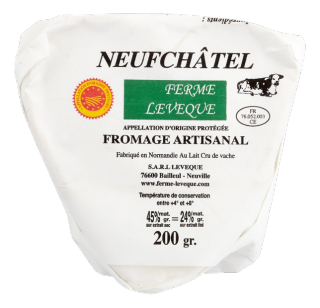
Luxembourg – Neufchâtel cheese from the Ferme Lévêque brand – STEC E.coli

SAP

Recall: Neufchâtel cheese from the Ferme Lévêque brand

Last name Neufchatel cheese
Brand Farm Leveque
Unity 200g
Article number 7960
Date of minimum durability (MDD) 2/27/2022
Sale period from 13/1/2022 to 26/1/2022 inclusive

Danger  : E. coli STEC – Escherichia coli likely to produce toxins (shigatoxins)

E. coli STEC can cause food poisoning which can occur within a week after consumption and result in gastrointestinal disorders often accompanied by cramps. These symptoms may be aggravated in young children, immunocompromised subjects and the elderly. People who have consumed these products and have these symptoms are invited to consult a doctor and report this consumption to him.

Sale in Luxembourg by: Colruyt

A sale by other operators cannot be excluded.

Source of information: Colruyt recall notification

Communicated by: Government Commission for Quality, Fraud and Food Safety .

Click to access Recall-Neuchatel-persbericht-FR-V3.pdf

USA – Toboton Creek Dairy recalls raw milk products for possible health risk – E.coli

Food Safety News

Yelm, WA- based Toboton Creek Dairy has recalled retail raw whole milk displaying Best By dates of “2/1” through “2/9”   because it may be contaminated with Escherichia coli bacteria (E. coli) that can cause serious illness.

The recall was initiated after routine sampling conducted by the Washington State Department of Agriculture (WSDA) revealed the presence of toxin-producing E. coli in retail raw milk dated 2/1 (February 1). The recalled product was bottled in half-gallon containers and was sold via retail stores in Yelm and Olympia, WA as well as on-farm sales. Toboton Creek Dairy and WSDA continue to work jointly to address the source of the problem.

Research – Wild Boars as Reservoir of Highly Virulent Clone of Hybrid Shiga Toxigenic and Enterotoxigenic Escherichia coli Responsible for Edema Disease, France

CDC

Edema disease is an often fatal enterotoxemia caused by specific strains of Shiga toxin–producing Escherichia coli (STEC) that affect primarily healthy, rapidly growing nursery pigs. Recently, outbreaks of edema disease have also emerged in France in wild boars. Analysis of STEC strains isolated from wild boars during 2013–2019 showed that they belonged to the serotype O139:H1 and were positive for both Stx2e and F18 fimbriae. However, in contrast to classical STEC O139:H1 strains circulating in pigs, they also possessed enterotoxin genes sta1 and stb, typical of enterotoxigenic E. coli. In addition, the strains contained a unique accessory genome composition and did not harbor antimicrobial-resistance genes, in contrast to domestic pig isolates. These data thus reveal that the emergence of edema disease in wild boars was caused by atypical hybrid of STEC and enterotoxigenic E. coli O139:H1, which so far has been restricted to the wildlife environment.

RASFF Alert – E.coli – Whelks

RASFF

Too high count of Escherichia coli in whelk (Buccinum undatum) from France in Belgium and the Netherlands

Slovakia – Report on zoonoses, foodborne diseases and waterborne diseases in the Slovak Republic in 2020

MPSR


The protection of human and animal health can only be achieved through the active cooperation of experts in the field of control and research in the human and veterinary field. The report on zoonoses, foodborne diseases and waterborne diseases in the Slovak Republic for 2020 contains data from official inspections carried out in the field of agriculture and health care, as well as from research institutes and universities. The preparation of the report was coordinated by the National Contact Point for Scientific and Technical Cooperation with the European Food Safety Authority (EFSA EFSA), which is established at the Department of Food Safety and Nutrition of the Ministry of Agriculture and Rural Development of the Slovak Republic (MPRV SR).

The report serves as a basis for the EFSA NCB and scientific experts to set priorities and own national food safety risk assessments. At the same time, the report serves as one of the bases for the Community risk assessment carried out by the European Food Safety Authority (EFSA). Scientific risk assessment is the basis for risk management. The report describes the situation in  35 zoonotic agents, 5 foodborne diseases (ie foodborne diseases) without zoonotic potential and 4 waterborne pathogens. Of the 44 agents monitored, 23 are bacterial, 10 parasitic, 10 viral and prion.

It presents the summary results of examinations and tests performed in 2020 in the Slovak Republic and the evaluation of the national epidemiological situation in humans and animals with a focus on trends and sources of zoonotic and foodborne diseases.

The report presents the summary results of examinations and tests carried out in 2020 and an assessment of the national epidemiological situation in humans and animals , focusing on trends and sources of zoonotic and foodborne diseases . The number of monitored authors, cooperating organizations and experts is growing every year. A wide team of more than 70 experts from 24 scientific and control organizations in the Slovak Republic took part in its elaboration .

In 2020, 17,067 human diseases caused by the study agents were reported, with 29.1% related to campylobacteriosis, 20.9% to Clostridium dificille and 20.4% to salmonellosis. Rotavirus 11.6%, Norwalk virus 5.1%, Borrelia burgdorferi sl 5.6% and  Escherichia coli 1.2% also contributed to a higher percentage of diseases.

Seven of the study agents caused 380 human epidemics, of which 56.6% were salmonellosis, 23.2% were campylobacteriosis and 12.6% of epidemics were caused by rotavirus. Norwalk virus accounted for 5.5%, tick-borne encephalitis virus 1.3%, shigella and 0.5% and yersinia 0.3%.  

35,957 food samples were examined for the presence of 15 pathogens with a positive finding in 2.2% of samples. Higher percentages of positive findings were in  Yersinia spp. 48.1%, Enterococcus spp. 46.3% and  Vibrio spp. 31.8%.

The presence of 30 pathogens was monitored in 2,483,239 samples originating from livestock and wild animals, pets and zoos taken as part of official control, preventive monitoring, research, as well as from sick or dead animals. Positive findings accounted for 0.1% of samples. Higher percentages of positive findings were recorded for  Aeromonas spp. 59.3%, Clostridium spp. 55.4%, Francisella tularensis 50.4%, Babesia spp. 41.1%, Dirofilaria spp. 34.8%, Campylobacter spp. 18.3%, Yersinia spp. 18.3%, Staphylococcus aureus 18.1%, hepatitis E virus 14.1%, Listeria monocytogenes  11.8%, Toxocara spp. 10.5%.

Feed – 385 samples were examined for the presence of Salmonella spp. (1.5% positive samples), Escherichia coli (60.0% positive samples) and Clostridium spp.

(1.7% positive samples).

35,746 water samples were examined for the presence of 9 agents, of which 7.4% were positive, of which Legionella spp. 47.1% and Vibrio spp. 39.5%.

44,633 samples from the environment were examined for the presence of 8 pathogens, of which 2.3% were positive, of which Legionella spp. 36.0%, Vibrio spp. 6.8%,  E.coli 3.6% and  Enterococcus spp. 2.6%.

The report also includes the results of examinations for the resistance of microorganisms to antimicrobials, which has a growing trend worldwide and poses a real danger in the treatment of infections. Microbial resistance was monitored in Salmonella spp., E. coli , Campylobacter spp., Staphylococcus aureus and  Enterococcus spp.

The comprehensive report, which will be published as a publication, has a length of more than 130 pages, will be published in printed form, as a publication with an assigned ISBN. Summaries of individual chapters will be translated into English and published in an electronic version as a publication with an assigned ISBN.

See the appendices for more information.

Attachments (downloadable documents)


Research – Antimicrobial Potential of Plastic Films Incorporated with Sage Extract on Chicken Meat

MDPI

The function of packaging is crucial in the maintenance of fresh meat product quality. This study aimed to assess the efficiency of six films added with coatings 2379L/220 and 2379L/221 (containing sage extracts) to inhibit Salmonella typhimurium, Staphylococcus aureus, and Escherichia coli, which showed that two of the six films had a significant effect. Additionally, the effects of the films on refrigerated skinless chicken breast meat were evaluated based on microbiological content, colour, weight loss, texture and pH. Four of the six films were examined could extend the storability of refrigerated chicken breast fillets for up to seven days. All six treated films improved the pH, colour stability, weight loss, and texture of the chicken fillets. Therefore, these findings suggested that the coatings containing sage extracts having different viscosities (2379L/220 and 2379L/221) were effective as antimicrobial adhesives in food packaging films and can be commercially applied in prolonging the storage of chicken breast meat without affecting their quality. View Full-Text

Canada – Recall issued for some Glasgow Glen Farm gouda cheese due to possible contamination – E.coli

CBC

Cheese has been recalled due to possible E. coli

Certain varieties of Glasgow Glen Farm gouda cheese are being recalled due to possible E. coli contamination.

Red chili gouda cheese slices and baby wheels packaged in September 2021 are being recalled, according to a release Saturday from P.E.I.’s Chief Public Health Office.

Glasgow Glen Farm is offering a refund on the recalled products. They were only sold on P.E.I.

Recalled products include:

Red chili gouda cheese slices

Packaged date: September 23, 2021 and Sept. 29, 2021.
Best before date: Dec. 23, 2021 and Dec. 29, 2021.
Red chili waxed baby gouda wheels

Sold Sept. 10-24, 2021 at Glasgow Glen Farm.
Consumers should throw out recalled products, the release states. There have been no reported illnesses related to the products.

“If you think you have become ill from consuming a recalled product, contact your doctor or nurse practitioner,” the release said.

Other products from Glasgow Glen Farm have not been recalled.

“The Department of Health and Wellness has completed a food safety investigation, which will not lead to the recall of other products,” the release stated.

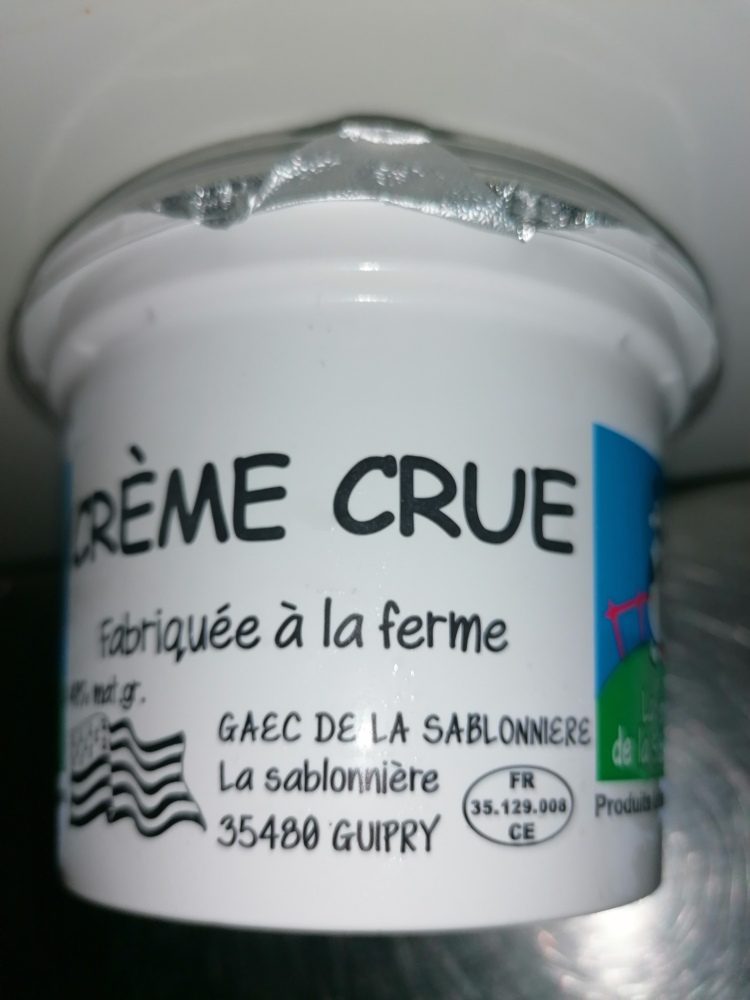
France – Cream – E.coli

Gov france

Identifying information for the recalled product

  • Product category Food
  • Product sub-category Milk and dairy products
  • Product brand name the sablonniere farm
  • Names of models or references25 cl jar 2.5 l bucket
  • Product identification
    GTIN Lot Dated
    3760093420037 1577 Use-by date 20/11/2021
  • Start date / End of marketing From 03/11/2021 to 16/11/2021
  • Storage temperature Product to be stored in the refrigerator
  • Geographical sales area Regions: Brittany, Pays-de-la-Loire
  • Distributors super u janze, leclerc st gregoire, u express reindeer, hyper u guichen, super u pipriac, inter bain de bretagne, leclerc st nicolas, leclerc vern,
  • List of points of saleCCF10112021_0002.pdf

Practical information regarding the recall

  • Reason for recall non-compliant analysis
  • Risks incurred by the consumer Escherichia coli