Listeria monocytogenes can survive in yogurt stored at a refrigeration temperature. Enterohemorrhagic Escherichia coli (EHEC) has a strong acid resistance that can survive in the yogurt with a low pH. We estimated the risk of L. monocytogenes and EHEC due to yogurt consumption with @Risk. Predictive survival models for L. monocytogenes and EHEC in drinking and regular yogurt were developed at 4, 10, 17, 25, and 36 °C, and the survival of both pathogens in yogurt was predicted during distribution and storage at home. The average initial contamination level in drinking and regular yogurt was calculated to be −3.941 log CFU/g and −3.608 log CFU/g, respectively, and the contamination level of both LM and EHEC decreased in yogurt from the market to home. Mean values of the possibility of illness caused by EHEC were higher (drinking: 1.44 × 10⁻⁸; regular: 5.09 × 10⁻⁹) than L. monocytogenes (drinking: 1.91 × 10⁻¹⁵; regular: 2.87 × 10⁻¹⁶) in the susceptible population. Both pathogens had a positive correlation with the initial contamination level and consumption. These results show that the foodborne illness risk from L. monocytogenes and EHEC due to yogurt consumption is very low. However, controlling the initial contamination level of EHEC during yogurt manufacture should be emphasized.
Phenolic compounds (PC) affect many metabolic processes of microbes; however, there is no information about their effectiveness when these act in combination with low temperatures for the control of Escherichia coli pathotypes. In this study, four PC, (tannic acid [TA], gallic acid [GA], methyl gallate [MG], and epigallocatechin gallate [EG]) in combination with cold shock (CS, 10°C) were evaluated for their effect on growth, swarming motility, biofilm formation, and expression of selected virulence-related genes of E. coli pathotypes [enteropathogenic (EPEC), enterohemorrhagic (EHEC), and enterotoxigenic (ETEC)]. Sub-inhibitory concentrations of the PC were used alone (37°C) or in combination with CS. For CS assays, E. coli strains were grown at 37°C until mid-log phase and then subjected to 10°C for 4 hr. Membrane damage was determined by flow cytometry; swarming motility was measured on soft-LB agar, biofilm formation was analyzed by crystal violet staining, and gene expression of CS, biofilm, and swarming motility related-genes was determined by qPCR. Sub-inhibitory concentrations of the PC did not affect the viability of the strains. The combination of CS + TA provoked the highest (p ≤ .05) mortality in all pathotypes. CS + GA inhibited (100%) the motility of EHEC and ETEC. PC and CS + PC reduced (p ≤ .05) biofilm formation. The combination of PC and CS affected virulence factors and their gene expression of pathogenic E. coli presenting a novel alternative for its control in foods.
The occurrence of most zoonotic pathogens in animals was stable in 2020 compared to previous years. The occurrence in humans, however, decreased in 2020 due to the COVID-19 situation. The decrease was highest in campylobacteriosis, salmonellosis and E. coli (EHEC/VTEC) infections, mainly due to less travel associated cases. Introduction The Zoonosis Report is published annually in Norway in accordance with the requirements of the EU Council Directive 2003/99/EC. In addition, data on specified zoonoses in feed, animals and food are reported to the European Food Safety Authority (EFSA). Corresponding data from humans are reported to the European Center for Disease Control (ECDC).
These two European institutions compile an annual European zoonosis report based on the received data: https://www.efsa.europa.eu/en/efsajournal/pub/6971The Norwegian Veterinary Institute (NVI) is responsible for reporting of Norwegian data to EFSA, while the Norwegian Institute of Public Health (NIPH) reports Norwegian data to ECDC. The Zoonosis Report is written by the NVI in collaboration with the Norwegian Food Safety Authority (NFSA) and NIPH.
Assessing Romaine lettuce “Forward Processing” for potential impacts on EHEC growth, antimicrobial susceptibility, and infectivity
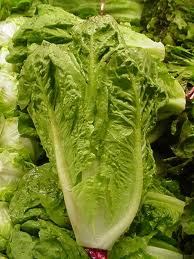
Consumption of Romaine lettuce has been linked to multiple foodborne illness outbreaks due to contamination of pathogenic Escherichia coli strains. Recently, these outbreaks have occurred in the United States every year since 2016, causing great damage to consumer health and economic wellbeing of the fresh produce industry. The pathogen strains isolated from these outbreaks showed great similarity by genomic analyses. These outbreaks showed a pattern of heavy concentration especially in northeastern USA, prompting questions from the leafy green industry that the practice of “forward processing” could be linked to the outbreaks. “Forward processing” is a practice that the raw lettuce commodity is transported in trucks to facilities far away from the production area for washing and packaging, and regional marketing. We propose to work closely with the leafy green industry to comprehensively assess the forward processing for its effects on the integrity and safety of the raw commodity and the packaged products. In addition, the forward processing conditions will be simulated in the laboratory with the pathogenic E. coli strains. Emphases will be on how these conditions would affect the physiology of the pathogenic strains as well as other microorganisms on the raw commodity and packaged products. The findings in the research could provide important information that can be used by the leafy green industry for improving the forward processing practice and reducing the risks of fresh produce such as Romaine lettuce.
Quantifying risk associated with changes in EHEC physiology during post-harvest pre-processing stages of leafy green production
The goal of this project is to determine if the time between harvest and end use of romaine lettuce impacts E. coli O157:H7 pathogenicity and detectability resulting in increased health risk. Laboratory scale experiments with inoculated lettuce undergoing simulated harvest and cooling will be used to measure changes in E. coli O157:H7 stress tolerance and virulence. Input from industry partners including temperature data from commercial romaine harvesting and cooling, and details on supply chain logistics, will be combined with the laboratory scale experimental data and used to model risk associated with specific harvest and handling practices. The resulting quantitative tool will be publicly available and allow for growers and producers to determine any practices that should be implemented to reduce the potential for O157 transmission on romaine lettuce.
The FDA is releasing the findings of a sampling assignment for which FDA collected and tested romaine lettuce from commercial coolers in Yuma County, Arizona during February and March 2021. The agency tested the lettuce for Shiga toxin-producing Escherichia coli (STEC), specifically enterohemorrhagic Escherichia coli (EHEC), and Salmonella spp. This assignment was part of the FDA’s ongoing surveillance following multistate E. coli O157:H7 outbreaks of foodborne illness in recent years linked to or potentially linked to romaine lettuce.
The agency’s goal in conducting this assignment was to determine whether the target pathogens and specific strains may be present in romaine lettuce from the Yuma agricultural region, to help prevent foodborne illness when possible. If product that tested positive for EHEC or Salmonella was found, the Agency planned to work with industry and state regulatory partners to identify the cause (e.g., farm follow-up investigation) to inform future regulatory and/or research efforts and to develop strategies that could help preventive additional outbreaks.
The FDA collected 504 romaine samples for EHECs and Salmonella spp., with the testing performed by an independent laboratory on contract, as part of a pilot project. Each sample consisted of 10 subsamples, and each subsample was made up of at least 300 grams of romaine lettuce (whole heads, hearts or individual leaves). Collecting and testing samples composed of multiple subsamples increases the probability of detecting pathogens if present, since microbial hazards may not be uniformly present.
During the assignment the FDA detected E. coli O130:H11 in one sample. The isolate was found to be moderate to high risk and could be capable of causing severe illness in humans, though it was not linked to any known human illnesses, and no product ever reached consumers. The owner of the product did not harvest the remaining crop from the field where it was grown.
In response to the finding, FDA conducted an investigation at the farm to identify possible sources and routes of contamination. The FDA was able to collect romaine lettuce from the field, multiple samples of soil, water, sediment, and animal fecal material. FDA also assessed farm equipment and other surfaces. Only one of the total 24 samples yielded STEC (specifically, E. coli O116:H-). This sample came from the outer leaves of romaine lettuce. The strain was further characterized as low risk to human health, and FDA’s analysis indicated the strain was not linked with any past known foodborne illness outbreaks.
Helping to ensure the microbiological safety of leafy greens continues to be a priority of the FDA. Romaine lettuce and other leafy greens are among the most widely consumed vegetables in the United States and are an important part of a healthy diet. The agency is working on several fronts to help prevent microbial contamination of leafy greens and to prevent outbreaks of foodborne illness. Chief among these efforts is the FDA’s Leafy Greens STEC Action Plan (LGAP), which features public health approaches related to response, prevention and addressing knowledge gaps. The FDA continues to collaborate with industry, states, academia and other stakeholders through activities outlined in the LGAP to address this important public health issue.
Washing soft fresh produce such as strawberries, baby leaves, and sliced onions with sanitizing agents is challenging due to their fragile texture. Thus, treatments like aerosolization using slightly acidic electrolyzed water (SAEW) and ultraviolet C light-emitting diode (UVC LED) irradiation may be good alternatives. In the present study, the reduction effects of a combined treatment of aerosolization using SAEW and UVC LED irradiation on enterohemorrhagic Escherichia coli (EHEC) and Staphylococcus aureus attached to strawberries, baby leaves, and sliced onions were investigated. The behaviours of EHEC and S. aureus, moisture loss, colour measurement, and visual appearance were also analyzed at 10 and 15 °C for 7 days. The reduction effect of the combined treatment with 100 SAEW and UVC LED was higher (0.53–0.92 log CFU g−1) than a single aerosolization treatment (0.11–0.41 log CFU g−1), regardless of samples or pathogens. A greater effect on EHEC and S. aureus reduction was observed in strawberries (0.74 and 0.92 log CFU g−1) than in baby leaves (0.62 and 0.53 log CFU g−1) and sliced onions (0.55 and 0.62 log CFU g−1). The combined treatment further reduced the EHEC and S. aureus populations in strawberries during 7 days of storage at 10 and 15 °C. However, the EHEC and S. aureus populations were maintained in baby leaves and sliced onions at 10 °C for 7 days. Additionally, the greatest effect on the maintenance of colour and appearance was obtained in the combined treatment. Since the combined treatment reduces EHEC and S. aureus populations and preserves visual quality, it could be expected to extend the shelf life of soft fresh produce at the retailer stage of the supply chain. View Full-Text
Wheat flour has been connected to outbreaks of foodborne illnesses with increased frequency in recent years, specifically, outbreaks involving Salmonella enterica and enterohemorrhagic Escherichia coli (EHEC). However, there is little information regarding the survival of these pathogens on wheat grain during long-term storage in a low-moisture environment. This study aims to evaluate the long-term survival of these enteric pathogens on wheat grain over the course of a year. Hard red spring wheat was inoculated with strains of four serovars of Salmonella enterica (Enteritidis , Agona, Tennessee, and Montevideo) and six serotypes of EHEC (O157:H7, O26:H11, O121:H19, O45:NM, O111:H8, and O103:H2) in triplicate, sealed in Mylar bags to maintain the water activity, and stored at room temperature (22 ± 1°C). The survival of each pathogen was evaluated by plating onto differential media . Viable counts of strains from all four serovars of Salmonella (Enteritidis , Agona, Tennessee, and Montevideo) were detected on wheat grain stored at room temperature (22 ± 1°C) for the duration of the study (52 weeks). Viable counts of strains from EHEC serotypes O45:NM, O111:H8, and O26:H11 were only detected for 44 weeks and strains from serotypes O157:H7, O121:H19, and O103:H2 were only detected for 40 weeks until they passed below the limit of detection (2.0 log CFU/g). D -values were found to be significantly different between Salmonella and EHEC (adj. p ≤ 0.05) with Salmonella D -values ranging from 22.9 ± 2.2 to 25.2 ± 1.0 weeks and EHEC D -values ranging from 11.4 ± 0.6 to 13.1 ± 1.8 weeks. There were no significant differences amongst the four Salmonella strains or amongst the six EHEC strains (adj. p > 0.05). These observations highlight the wide range of survival capabilities of enteric pathogens in a low-moisture environment and confirm these pathogens are a food safety concern when considering the long shelf life of wheat grain and its products.
The main pathogenic bacteria in food are Campylobacter and Salmonella. But Listeria in cheese and enterohemorrhagic Escherichia coli (ECEH) bacteria in young shoots have also made headlines in recent years.
Current
Smoked fish, what are the health risks?
04/16/2021 – Smoked fish are popular specialties in Switzerland. Consumed without cooking, they can become a food safety concern if hygiene rules are not respected during processing.
An assessment of the dietary risks associated with smoked fish was carried out as part of a pilot study in collaboration with the Office for Consumer Affairs of the canton of Vaud.
The study did not reveal any major risk, but follow-up should be ensured in order to maintain a high level of food safety and quality. The cantonal authorities concerned will keep this topic in their monitoring program and the FSVO plans to carry out a more detailed assessment.
Likewise, it is very important to wash your hands after coming into contact with animal products, as Campylobacter, Salmonella, Listeria and EHEC are transmitted from animals to humans. These diseases are called zoonoses.
Campylobacter
Infection with Campylobacter bacteria is the most common zoonosis in Switzerland, as in other European countries. It is the cause of gastrointestinal diseases in humans. The illness can last for about a week and in some circumstances may require hospitalization.
Campylobacter infection is characterized by abdominal pain, watery or bloody diarrhea, and an increase in temperature. Vomiting and high fever can also occur.
Infection is caused by contaminated food that has not been sufficiently cooked before consumption or that has come into direct contact with animals. In southern countries, contaminated water sources also represent a significant risk. The main source of infection, however, remains poultry meat.
According to data from the Federal Office of Public Health (OFSP), there are around 1,000 cases of Campylobacter infections each year. All patients do not consult their doctor, this figure is actually much higher. Overall, the number of cases has grown steadily over the past few years to reach around 7,500 during the year 2014.
Prevent Campylobacter infections
Campylobacter bacteria can survive in food, but cannot multiply there. Since contamination by Campylobacter does not affect foodstuffs, it is not possible to identify their presence by smell or appearance.
Campylobacter can be safely eliminated by thoroughly cooking the food at 70 ° C for at least 2 minutes by roasting, cooking or pasteurization. Freezing the food reduces the number of Campylobacter, without eliminating them completely.
Salmonella
Salmonella infection is most often manifested by inflammatory bowel disease with sudden onset of diarrhea, nausea, vomiting, fever, headache and abdominal pain. Salmonella infections are subject to notification .
They usually occur by ingesting contaminated food. The danger comes mainly from poultry, eggs, egg preparations, unpasteurized milk and meat products. Contamination through other animal products, utensils used, water, humans, etc. can occur throughout the food manufacturing process.
Prevent salmonellosis
Salmonella infections are fought on two levels:
the number of infected domestic animals should be reduced;
contamination of food with salmonella must be avoided and their multiplication stopped.
Listeria
In people without weakened immune systems, a Listeria infection is usually accompanied by mild symptoms or even no symptoms at all. People who are immunocompromised can experience a variety of serious symptoms, the outcome of which can be fatal. During pregnancy, a Listeria infection can lead to miscarriage or cause a child to have sepsis or meningitis when it is born.
Listeria transmission is caused by the ingestion of contaminated raw food, mainly of animal origin: meat, smoked fish, cold cuts, soft cheese. Transmission through contact with infected animals is rarer.
Prevent listeriosis
In the first place, the general rules of hygiene should be observed when in contact with food and animals. Pregnant women and people with weakened immune systems should in particular avoid raw vegetables, raw or undercooked meat as well as raw fish and seafood, soft cheese and cheese made from unpasteurized milk. .
Enterohemorrhagic Escherichia coli (EHEC)
The majority of people infected with EHEC have abdominal pain accompanied by cramping, a short-term fever followed by intestinal colic which becomes violent, and slightly bloody hemorrhagic diarrhea. In a minority of people, only watery diarrhea is observed. Cases of EHEC infections are very rare in Switzerland. The mortality rate reaches 3 to 5%.
Escherichia coli bacteria naturally belong to our intestinal flora. EHECs are a pathogenic line of these generally harmless bacteria. Infection occurs first by consuming contaminated animal foods, mainly undercooked ground beef and unpasteurized dairy products. Contaminated drinking water, young shoots, potatoes and unpasteurized apple juice can, for example, also contain EHEC. More rarely, cases of transmission of EHEC are observed through contact with animals or animal faeces.
Prevent EHEC infections
Since a very small number of infectious agents is enough to get sick, it is important to follow the general rules of hygiene. It is therefore strongly recommended to wash your hands thoroughly after having been in contact with animals and to cook the meat thoroughly when preparing meals. Raw food should always be stored in the refrigerator.




 FoodWorld