Archives
-
Join 346 other subscribers
KSWFoodWorld
Blog Stats
- 442,748 Views
Category Archives: Decontamination Microbial
Research – Bacillus cereus in Dairy Products and Production Plants
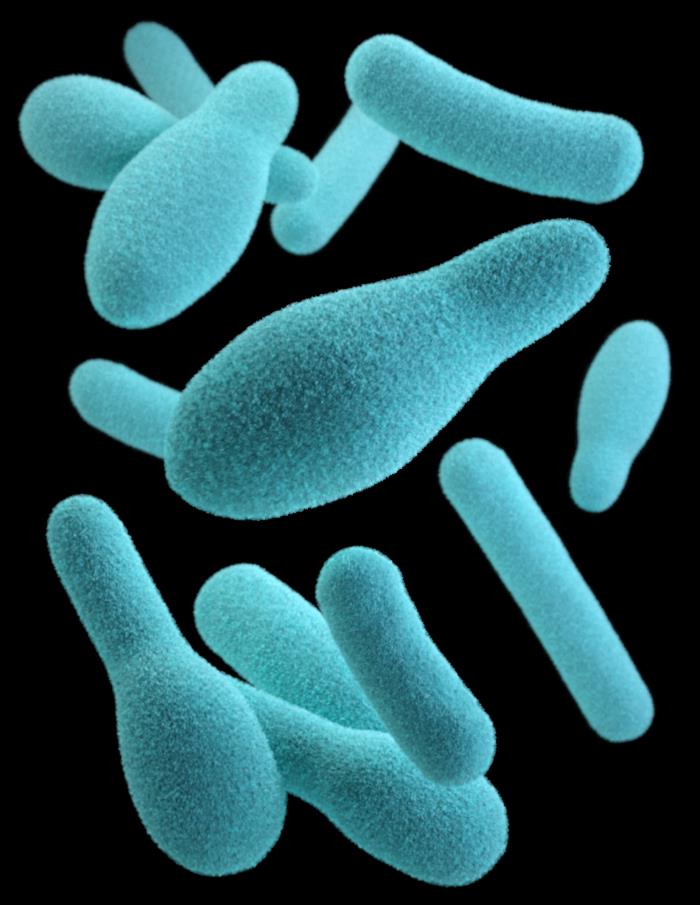
Spore-forming Bacillus cereus is a common contaminant of dairy products. As the microorganism is widespread in the environment, it can contaminate milk at the time of milking, but it can also reach the dairy products in each phase of production, storage and ripening. Milk pasteurization treatment is not effective in reducing contamination and can instead act as an activator of spore germination, and a potential associated risk still exists with the consumption of some processed foods. Prevalences and concentrations of B. cereus in milk and dairy products are extremely variable worldwide: in pasteurized milk, prevalences from 2% to 65.3% were reported, with concentrations of up to 3 × 10⁵ cfu/g, whereas prevalences in cheeses ranged from 0 to 95%, with concentrations of up to 4.2 × 10⁶ cfu/g. Bacillus cereus is also well known to produce biofilms, a serious concern for the dairy industry, with up to 90% of spores that are resistant to cleaning and are easily transferred. As the contamination of raw materials is not completely avoidable, and the application of decontamination treatments is only possible for some ingredients and is limited by both commercial and regulatory reasons, it is clear that the correct application of hygienic procedures is extremely important in order to avoid and manage the circulation of B. cereus along the dairy supply chain. Future developments in interventions must consider the synergic application of different mild technologies to prevent biofilm formation and to remove or inactivate the microorganism on the equipment. View Full-Text
Posted in Bacillus, Bacillus cereus, Decontamination Microbial, Food Micro Blog, Food Microbiology, Food Microbiology Blog, Food Microbiology Research, Food Microbiology Testing, microbial contamination, Microbiological Risk Assessment, Microbiology, Microbiology Investigations, Microbiology Risk, Research
UK – Vulnerable consumers advised of ongoing risk of Listeria associated with ready to eat smoked fish
The Food Standards Agency (FSA), Food Standards Scotland (FSS), and the UK Health Security Agency (UKHSA) are reinforcing their advice to vulnerable groups of consumers in relation to the risks of Listeria monocytogenes infection linked to ready to eat smoked fish.
The advice to those who are over 65, pregnant or have weakened immune systems is that they should ensure that ready to eat smoked fish is thoroughly cooked before they eat it. ‘Ready to eat smoked fish’ refers to chilled smoked fish products that would not normally be cooked at home before being eaten.
This is because of an ongoing outbreak of Listeria monocytogenes which is particularly unsafe for those who are susceptible to Listeria infection.
The investigation has identified 14 linked cases of listeriosis since 2020, with eight of these since January 2022. Cases have been identified in England and Scotland. The majority of these individuals reported eating ready to eat smoked fish. One case has been a pregnant woman.
Listeriosis is a form of food poisoning caused by the bacterium Listeria monocytogenes. Most people who are affected get mild gastroenteritis which subsides in a few days.
However, certain individuals are particularly at risk of severe illness such as meningitis and life-threatening sepsis. These include those over the age of 65, those with certain underlying conditions such as cancer, liver and kidney failure or who are taking medications which can weaken the immune system. Listeriosis in pregnancy can cause miscarriages and severe sepsis or meningitis in new-born babies.
While the risks to the general public of becoming seriously ill due to Listeria are very low, we need people who are vulnerable – specifically those over 65, pregnant women and people with weakened immune systems – to be aware of the ongoing risks of consuming ready to eat smoked fish.
If anyone from these groups is eating ready to eat smoked fish, we are reminding them of the advice to ensure that it is thoroughly cooked before they eat it including when served as part of a dish.
People can also further reduce the risk by keeping chilled ready to eat smoked fish cold (5⁰C or below), always using products by their use-by date, following the storage instructions on the label, and cooking it until it is piping hot right through.
Most people won’t have any symptoms of the infection or will only experience mild symptoms such as abdominal pain or diarrhoea, which usually pass within a few days without the need for treatment.
However, some people are at higher risk of much more serious illness, including those over 65, people who are pregnant or new-born babies, and those with weakened immune systems including people undergoing immunosuppressive treatment, and people with chronic liver or kidney disease.
In light of this ongoing outbreak, we are advising pregnant and vulnerable people to only eat ready to eat smoked fish that has been thoroughly cooked to reduce the risk of listeriosis. If you have any concerns about your health please speak to your midwife, GP or hospital specialist team.
More on Listeria:
Listeria is a bacterium that causes an illness called listeriosis. It is widespread in the environment and once a food product has been contaminated it can grow on food at standard refrigeration temperatures. It can be destroyed by thorough cooking. It is of most concern in chilled, ready to eat foods that are not normally cooked before being eaten, such as smoked fish. The full list risky foods associated with listeriosis is available on the NHS website: Listeriosis page.
The risk of listeriosis is particularly high but not completely limited to individuals above 65 years of age, those with cancer, organ transplants, patients taking steroids, patients undergoing immunosuppressive or cytotoxic treatment including biologics and chemotherapy, people who are pregnant and their unborn or new-born babies, those with uncontrolled HIV infection, uncontrolled diabetes, chronic liver or kidney disease, people with an alcohol dependency and those with iron overload.
More information can be found on the Listeria guidance page on the FSA website.
Posted in Decontamination Microbial, Food Micro Blog, Food Microbiology, Food Microbiology Blog, Food Microbiology Research, Food Microbiology Testing, fsa, Listeria, Listeria monocytogenes, microbial contamination, Microbiological Risk Assessment, Microbiology, Microbiology Investigations, Microbiology Risk
Research – Toxoplasma gondii in Foods: Prevalence, Control, and Safety

Abstract
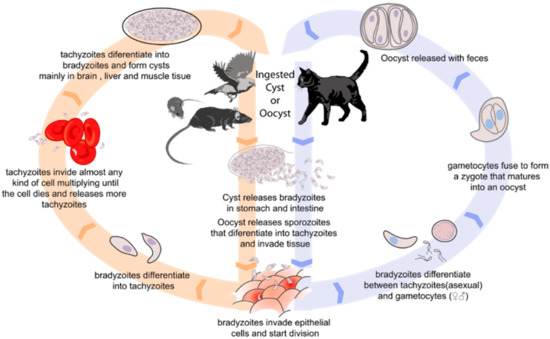
Toxoplasma gondii is an obligate intracellular parasite that causes toxoplasmosis, with approximately one third of the population around the world seropositive. The consumption of contaminated food is the main source of infection. These include meat products with T. gondii tissue cysts, and dairy products with tachyzoites. Recently, contamination has been detected in fresh products with oocysts and marine products. Despite the great health problems that are caused by T. gondii, currently there are no standardized methods for its detection in the food industry. In this review, we analyze the current detection methods, the prevalence of T. gondii in different food products, and the control measures. The main detection methods are bioassays, cell culture, molecular and microscopic techniques, and serological methods, but some of these do not have applicability in the food industry. As a result, emerging techniques are being developed that are aimed at the detection of multiple parasites simultaneously that would make their application more efficient in the industry. Since the prevalence of this parasite is high in many products (meat and milk, marine products, and vegetables), it is necessary to standardize detection methods, as well as implement control measures. View Full-Text
Posted in Decontamination Microbial, Food Micro Blog, Food Microbiology, Food Microbiology Blog, Food Microbiology Research, Food Microbiology Testing, microbial contamination, Microbiological Risk Assessment, Microbiology, Microbiology Investigations, Microbiology Risk, Parasite, Protozoan, Research, Toxoplasma gondii, Toxoplasmosis
Research -Strategies to Reduce Clostridium botulinum Risk in Fresh-Cut Produce
The risks associated with Clostridium botulinum and low-acid canned foods, meats, seafood, and temperature-abused foods are generally well-established. However, there has been increasing consideration toward C. botulinum and its potential as a pathogen of concern for fresh-cut vegetables, fruits, and mushrooms.
For an industry segment beleaguered by recent outbreaks of Shiga toxin-producing Escherichia coli, Salmonella enterica, and Listeria monocytogenes, consideration of a bacterial pathogen with vastly different growth characteristics—one that is less traditionally associated with fresh produce—may seem burdensome. However, recent incidences of C. botulinum in packaged mushrooms,1 increased characterization of the growth conditions required by nonproteolytic C. botulinum, widespread industry adoption of modified atmosphere packaging (MAP), and even increasing fuel costs may necessitate a second look at this pathogen’s association with fresh produce.
Posted in Clostridium, Clostridium botulinum, Decontamination Microbial, Food Micro Blog, Food Microbiology, Food Microbiology Blog, Food Microbiology Research, Food Microbiology Testing, Listeria, Listeria monocytogenes, microbial contamination, Microbiological Risk Assessment, Microbiology, Microbiology Investigations, Microbiology Risk, Research, Salmonella, STEC, STEC E.coli
Research – Enhancement of Thermal Inactivation of Cronobacter sakazakii in Apple Juice at 58 ºC by Inclusion of Butyl Para-Hydroxybenzoate and Malic Acid.
After studies with powdered infant formula indicated that the enhancement of thermal inactivation of Cronobacter sakazakii by butyl para-hydroxybenzoate (BPB) was blocked by the presence of high protein levels, we hypothesized that BPB would retain its synergistic activity in foods with a limited protein content and lipid content. This hypothesis was explored by examining the ability of BPB to enhance the thermal inactivation of Cronobacter sakazakii 607 at 58 °C in commercial apple juice, including examining the effects of pH and the possible synergistic effects with malic acid. Apple juice was adjusted to designated pH values between 3.2 and 9.0, supplemented with selected levels of BPB (≤125 ppm), inoculated with early stationary phase C. sakazakii 607, and thermally treated (58 °C) for 15 min using submerged coil apparatus. The same methods were used to study the enhancement of thermal inactivation by malic acid. Samples were plated on Tryptic Soy Agar for recovery and enumeration. Survival curves were plotted, and D-values were calculated and compared using ANOVA. Our results indicated BPB significantly enhanced thermal inactivation in a concentration dependent manner, with D-values of a few seconds at the original pH (3.8). The enhancement of thermal inactivation was pH dependent over the range of pH 3.4 to 9.0. Malic acid enhanced thermal inactivation as the pH was decreased from 3.8 to 3.2. The study supports the hypothesis that BPB can enhance the thermal inactivation of C. sakazakii in low protein foods.
Posted in Cronobacter sakazakii, cross contamination, Decontamination Microbial, Food Micro Blog, Food Microbiology, Food Microbiology Blog, Food Microbiology Research, Food Microbiology Testing, microbial contamination, Microbiological Risk Assessment, Microbiology, Microbiology Investigations, Microbiology Risk, Research
Research – Pulsed light technology effectively kills harmful pathogens in new study
Novel food decontamination method inactivates pathogens like E. coli and Salmonella
A light-based, food sanitization technique successfully eliminated multiple harmful pathogens in a new study. The pulsed light technique shows promise as an effective alternative to the chemical, heat and water-based antimicrobial technologies commonly used in the food industry — and could be applicable more generally in sanitized environments such as hospitals, water treatment facilities and pharmaceutical plants, according to the researchers.
Posted in Decontamination Microbial, E.coli, Food Micro Blog, Food Microbiology, Food Microbiology Blog, Food Microbiology Research, Food Microbiology Testing, Food Pathogen, Food Technology, microbial contamination, Microbiological Risk Assessment, Microbiology, Microbiology Investigations, Microbiology Risk, Pathogen, pathogenic, Research, Salmonella, Technology
Resaerch- Evaluation of Various Lactic Acid Bacteria and Generic E. coli as Potential Non-pathogenic Surrogates for In-Plant Validation of Biltong Dried Beef Processing
Validation studies conducted within a food processing facility using surrogate organisms could better represent the manufacturing process than controlled laboratory studies with pathogenic bacteria on precision equipment in a BSL-2 lab. The objectives of this project were to examine potential surrogate bacteria during biltong processing, conduct biltong surrogate validation lethality studies, and measure critical factors and intrinsic parameters during processing. Beef pieces (1.9 cm × 5.1 cm × 7.6 cm) were inoculated with four-strain mixtures of Carnobacterium divergens/C. gallinarum, Pediococcus acidilactici/P. pentosaceous, and Biotype 1 E. coli ATCC BAA (-1427, -1428, -1429, and -1430), as well as a two-strain mixture of Latilactobacillus sakei and other commercially available individual bacterial cultures (P. acidilactici Saga200/Kerry Foods; Enterococcus faecium 201224-016/Vivolac Cultures). Inoculated beef was vacuum-tumbled in marinade and dried in a humidity-controlled oven for 8–10 days (24.9 °C; 55% relative humidity). Microbial enumeration of surviving surrogate bacteria and evaluation of intrinsic factors (water activity, pH, and salt concentration) were performed post inoculation, post marination, and after 2, 4, 6, 8, and 10 days of drying. Trials were performed in duplicate replication with triplicate samples per sampling time and analyzed by one-way RM-ANOVA. Trials conducted with E. faecium, Pediococcus spp., and L. sakei never demonstrated more than 2 log reduction during the biltong process. However, Carnobacterium achieved a >5 log (5.85 log) reduction over a drying period of 8 days and aligned with the reductions observed in previous trials with pathogenic bacteria (Salmonella, E. coli O157:H7, L. monocytogenes, and S. aureus) in biltong validation studies. Studies comparing resuspended freeze-dried or frozen cells vs. freshly grown cells for beef inoculation showed no significant differences during biltong processing. Carnobacterium spp. would be an effective nonpathogenic in-plant surrogate to monitor microbial safety that mimics the response of pathogenic bacteria to validate biltong processing within a manufacturer’s own facility. View Full-Text
Posted in Decontamination Microbial, E.coli, E.coli O157, E.coli O157:H7, Enterococcus, Enterococcus faecium, Food Micro Blog, Food Microbiology, Food Microbiology Blog, Food Microbiology Research, Food Microbiology Testing, lactic acid bacteria, Listeria, Listeria monocytogenes, microbial contamination, Microbiological Risk Assessment, Microbiology, Microbiology Investigations, Microbiology Risk, Research, Salmonella, Staphylococcus aureus
USA – 2 Florida deaths linked to bacterial infection from eating raw oysters – Vibrio vulnificans
A warning to shellfish lovers: Health officials are investigating the deaths of two people in Florida linked to eating raw oysters.
The deaths are reportedly linked to oysters from Louisiana. The two separate occasions happened a week apart in Escambia and Broward counties, according to the Florida Department of Health.
Eating raw oysters and other undercooked seafood can put people at risk for infections, including vibriosis, which is caused by certain strains of Vibrio bacteria, according to the Centers for Disease Control and Prevention.
So far this year, there have been 26 Vibrio vulnificus infections reported in Florida. Six of those resulted in deaths, data from the Florida Department of Health shows. Nationally, an estimated 80,000 people have fallen ill and 100 deaths are reported every year from the bacterium that usually lives in warm, brackish seawater, the nation’s top public health agency reports.
Posted in Decontamination Microbial, Food Micro Blog, Food Microbiology, Food Microbiology Blog, Food Microbiology Testing, Food Poisoning Death, microbial contamination, Microbiological Risk Assessment, Microbiology, Microbiology Investigations, Microbiology Risk, Poisoning, Vibrio, Vibrio vulnificans
RASFF Alert – Animal Feed – Ergot Alkaloids – Mycotoxin – Peas
Ergot (Claviceps purpurea) in peas from Belgium in the Netherlands
USA – With E. coli Outbreaks in Ohio and Michigan, what do you need to know?
With at least 18 ill in Ohio and nearly 100 ill in Michigan – not yet clear if the outbreaks from the two states are linked – the public is looking for information about this potentially deadly pathogen.
Read all about it at the link above
Posted in Decontamination Microbial, E.coli, food bourne outbreak, Food Illness, Food Micro Blog, Food Microbiology, Food Microbiology Blog, Food Microbiology Research, Food Microbiology Testing, Foodborne Illness, foodborne outbreak, foodbourne outbreak, Illness, microbial contamination, Microbiological Risk Assessment, Microbiology, Microbiology Investigations, Microbiology Risk, outbreak