Category Archives: Decontamination Microbial
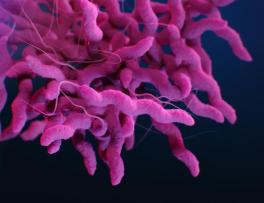
Research – Molecular Epidemiological Evidence Implicates Cattle as a Primary Reservoir of Campylobacter jejuni Infecting People via Contaminated Chickens
Posted in Campylobacter, campylobacter coli, Campylobacter jejuni, Decontamination Microbial, Food Micro Blog, Food Microbiology, Food Microbiology Blog, Food Microbiology Research, Food Microbiology Testing, microbial contamination, Microbial growth, Microbiological Risk Assessment, Microbiology, Microbiology Investigations, Microbiology Risk, Research
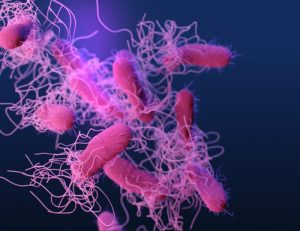
USA – Salmonella Typhimurium outbreak (reference # 1113)
As of November 16, 2022, a Salmonella Typhimurium outbreak (reference # 1113) has been identified in the United States with no known source as the cause of the outbreak. A total of 264 cases have been identified in connection with the outbreak, though the number of actual cases is thought to be much higher and the investigation remains ongoing. The Food and Drug Administration (FDA) is leading the investigation in collaboration with both federal, state, and local partners. The FDA is currently working vigilantly to find the source of the Salmonella Typhimurium outbreak and will update the public accordingly.
Posted in Decontamination Microbial, food bourne outbreak, Food Illness, Food Micro Blog, Food Microbiology, Food Microbiology Blog, Food Microbiology Research, Food Microbiology Testing, Foodborne Illness, foodborne outbreak, foodbourne outbreak, Illness, microbial contamination, Microbial growth, Microbiological Risk Assessment, Microbiology, Microbiology Investigations, Microbiology Risk, outbreak, Salmonella
Research – Crustaceans (shrimp, crab, and lobster): A comprehensive review of their potential health hazards and detection methods to assure their biosafety
Abstract
Crustaceans are popular seafood items worldwide owing to their rich nutritional value, unique tastes, and their incorporation in a variety of cuisines. There has been a great concern about the safety of crustaceans for human consumption being more prone to hazardous contaminants due to their exposure to diverse habitats and unhealthy farming and handling practices. These hazards can arise from chemical contaminants such as heavy metals, environmental pollutants, and biotoxins or biological sources, that is, pathogenic microbes and parasites. The different types of chemical contamination of crustaceans as well as biological hazards are reviewed as major part of this review. Although there are many reviews on contaminants in fisheries, nothing is traces to crustaceans. The current review compiles the food safety hazards of crustaceans arising from both chemical and biological origins and their impact on human health in farmed versus wild origins. The different methods of contaminants detection, viz. microbiological, molecular, and analytical methods, as well as control measures viz. cooking and processing methods that can be implemented to safeguard consumer safety are also reviewed. Future perspectives have been raised toward HACCP protocol implementation during handling, processing, and storage of crustaceans and posing real-time freshness monitoring tools such as intelligent packaging.
Research – Combined Pulsed Electric Field with Antimicrobial Caps for Extending Shelf Life of Orange Juice
Abstract
Posted in Decontamination Microbial, Food Micro Blog, Food Microbiology, Food Microbiology Blog, Food Microbiology Research, Food Microbiology Testing, Food Safety, Food Safety Management, food safety training, Food Technology, microbial contamination, Microbial growth, Microbiological Risk Assessment, Microbiology, Microbiology Investigations, Microbiology Risk
Hong Kong – Draft ‘Oysters Intended for Raw Consumption – the Food Safety Guidelines for Food Businesses’
The Centre for Food Safety has drafted a set of trade guidelines on oysters intended for raw consumption. This set of guidelines aims to assist the food businesses in understanding the risks associated with raw oysters and implementing appropriate and practical food safety measures in their operations to reduce the occurrence of foodborne illnesses while also allowing susceptible groups of consumers to make informed choices. We are inviting members of the trade to provide comments on the draft guidelines. Your valuable comments will help us improve this set of guides. Please return your comments by 30 November 2022. Thank you.
Draft Oysters Intended for Raw Consumption – Food Safety Guidelines for Food Businesses
Research – Low levels of E. coli found in Norwegian produce testing
Testing of fresh produce in Norway has found a low level of E. coli contamination.
The Norwegian Food Safety Authority (Mattilsynet) commissioned the Veterinary Institute to examine ready-to-eat lettuce and sugar snap peas in 2021.
A total of 118 samples, of which 37 were sugar snap peas and 81 ready-to-eat leafy greens, were analyzed. Salmonella was not detected, while E. coli was found in 11 samples, one of sugar snap peas and 10 of lettuce. E. coli, as a hygiene indicator, at levels above the guideline values was only detected in one sample of lettuce.
Results were considered unsatisfactory if three or more samples contained more than 100 colony forming units per gram or one sample contained above 1,000 CFU/g.
Officials said finding high levels of E. coli in lettuce may indicate the production process is not working optimally. Good raw material control and management of the washing and rinsing process are important, so microorganisms do not build-up and cross-contamination via water is minimized.
Posted in Decontamination Microbial, E.coli, Food Micro Blog, Food Microbiology, Food Microbiology Blog, Food Microbiology Research, Food Microbiology Testing, microbial contamination, Microbial growth, Microbiological Risk Assessment, Microbiology, Microbiology Investigations, Microbiology Risk, Salmonella
Research – The underestimated risk of mycotoxins in dairy cows
It is a myth that rumen microbial activity allows dairy cows to handle mycotoxin toxicity completely. A closer look at rumen degradation capability shows that this is not the case. Therefore, a mitigation strategy should be holistic, practical and beyond binding.
Risk, impact, and diagnostics
A complex and diverse Total Mixed Ration (TMR) poses multiple mycotoxin toxicity challenges. Although rumen microbes can reduce the toxicity of some mycotoxins, not all mycotoxins are equally degraded in the rumen. In high-yielding dairy cows high-starch diets can compromise the detoxification capacity of rumen microbes. For some mycotoxins, such as zearalenone (ZEN), rumen degradation may increase the toxicity. Furthermore, extended periods of exposure to low levels of multiple mycotoxins may lead to chronic toxicity, an increasing issue that is notoriously difficult to diagnose at an early stage.
Mycotoxins can threaten dairy cows’ health, rumen function, feed intake, milk yield, milk quality, lameness, and reproductive abilities. Many “mouldy silage syndrome” cases in the field have shown incidences of increased somatic cell counts, undigested faecal feed particles, laminitis, mastitis and ruminitis cases. Cases of reproductive challenges and vaccination failures have been reported with multiple mycotoxins in TMR.
Read more at the link above
Posted in Aflatoxin, Aflatoxin B1, Animal Feed Mould Toxin, Aspergillus Toxin, Decontamination Microbial, Food Micro Blog, Food Microbiology Blog, Food Toxin, Fusarium Toxin, microbial contamination, Microbial growth, Microbiological Risk Assessment, Microbiology, Microbiology Investigations, Microbiology Risk, Mold Toxin, Mould Toxin, Mycotoxin, Toxin, Zearalenone
USA – Turkey Day Myths
Quit food safety confusion cold turkey this Thanksgiving! While this holiday is a great time to spend with family and friends, it’s also time to bust some myths.
Myth 1: Refrigerating a whole cooked turkey is safe
False! Always carve your turkey after cooking. A whole cooked turkey will not cool quickly enough, thus putting it at risk for bacterial growth. Carve the turkey into smaller pieces so it cools faster in the refrigerator.
Myth 2: Thawing a turkey on the counter is safe.
Never thaw a turkey on the kitchen counter. Once a turkey has sat at room temperature beyond two hours, it enters the Danger Zone, where bacteria grow rapidly. Thawing a turkey in a refrigerator is safe. Allow approximately 24 hours of thawing time for every four to five pounds of turkey. Turkeys are also safely thawed in a microwave and cold water. When using the cold-water method, allow 30 minutes per pound of turkey and keep it in the original wrapping. Change the water every 30 minutes and cook immediately after thawing.
Myth 3: My pop-up timer is enough to know if my turkey is fully cooked.
Pop-up timers are disposable thermometers used to measure a turkey’s temperature. These timers are a great tool. However, don’t forget to check in the three recommended places as well. The turkey’s internal temperature must reach 165 F in the following locations: the thickest part of the breast, the innermost part of the thigh, and the innermost part of the wing. Use a food thermometer in addition to a pop-up timer to check the turkey’s internal temperature.
Remember the four steps to food safety:
- Clean: Wash hands before touching food.
- Separate: Keep raw meats and poultry away from fruits and vegetables.
- Cook: Turkey is safe to eat once it reaches an internal temperature of 165 F.
- Chill: Refrigerate any leftovers within two hours.
For more information, call the USDA Meat and Poultry Hotline at 1-888-MPHotline (1-888-674-6854) or email MPHotline@usda.gov to reach a food safety expert or chat live at ask.usda.gov from 10 a.m. to 6 p.m. Eastern Time, Monday through Friday. The Meat and Poultry Hotline is also open on Thanksgiving Day from 8 a.m. to 2 p.m. Eastern Time.
Research – Attribution Analysis of Foodborne Disease Outbreaks Related to Meat and Meat Products in China, 2002–2017
Abstract

This study aimed to understand the epidemiological characteristics of foodborne disease outbreaks related to meat and meat products in China from 2002 to 2017. Data collected from the National Foodborne Diseases Surveillance System and searched databases were analyzed. From 2002 to 2017, China reported 2815 outbreaks caused by foodborne diseases related to meat and meat products, resulting in 52,122 illnesses and 25,361 hospitalizations, and 96 deaths. Outbreaks were markedly seasonal and concentrated from May to September, accounting for 66.93%. Outbreaks were concentrated mainly in China’s eastern coastal and southern regions. Unidimensional attribution analysis revealed that livestock meat was the most commonly implicated food category causing the outbreaks, accounting for 28.67%. Bacteria were the most common pathogenic cause of outbreaks, accounting for 51.94%. Clostridium botulinum was the most common pathogenic cause of death, accounting for 34.38%. Improper processing was the most common contributing factor, accounting for 27.89%. Households were the most common food preparation location causing the outbreak, accounting for 34.39%. Two-dimensional and multidimensional attribution analysis found that Salmonella contamination occurred in different locations and regions, mainly caused by various contributing factors and improper processing. Nitrite poisoning is caused by improper processing in households in East China. Bacterial causes were the commonest agents associated with foodborne diseases related to meat and meat products, and improving the safety and quality of meat and meat product should be a priority.
Posted in Clostridium, Clostridium botulinum, Decontamination Microbial, food bourne outbreak, Food Micro Blog, Food Microbiology, Food Microbiology Blog, Food Microbiology Research, Food Microbiology Testing, foodborne outbreak, microbial contamination, Microbial growth, Microbiological Risk Assessment, Microbiology, Microbiology Investigations, Microbiology Risk, outbreak, Research, Salmonella
USA – Cooper’s Hawk Duval County Cyclospora Outbreak Attributed to Contaminated Basil
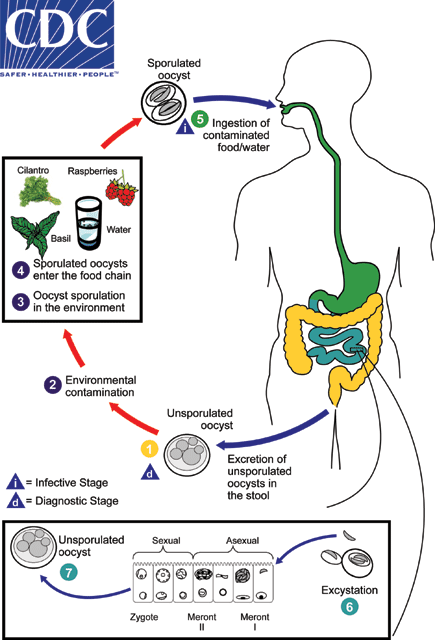
The final investigation of the 2019 Cyclospora outbreak in Duval County, Florida found the most likely cause of the Cooper’s Hawk outbreak was serving food containing contaminated fresh basil – ironically, to-date Cooper’s Hawk continues to deny it served contaminated food. The Florida Department of Health of Duval County (DOH-Duval) first announced the potential outbreak on June 22, 2019 after one of Cooper’s Hawks own restaurant managers notified them of an estimated 20 employees who had became sick with gastrointestinal illness beginning on June 18, 2019. After the first report of employee infections, reports of illnesses in customers came pouring in, with a total of 153 gastrointestinal illnesses.
Posted in Cyclospora, Cyclosporiasis, Decontamination Microbial, food bourne outbreak, Food Micro Blog, Food Microbiology, Food Microbiology Blog, Food Microbiology Research, Food Microbiology Testing, foodborne outbreak, foodbourne outbreak, microbial contamination, Microbial growth, Microbiological Risk Assessment, Microbiology, Microbiology Investigations, Microbiology Risk, outbreak