Category Archives: Clostridium

Research – Strategies to Reduce Clostridium botulinum Risk in Fresh-Cut Produce

food safety.com

The risks associated with Clostridium botulinum and low-acid canned foods, meats, seafood, and temperature-abused foods are generally well-established. However, there has been increasing consideration toward C. botulinum and its potential as a pathogen of concern for fresh-cut vegetables, fruits, and mushrooms.

For an industry segment beleaguered by recent outbreaks of Shiga toxin-producing Escherichia coliSalmonella enterica, and Listeria monocytogenes, consideration of a bacterial pathogen with vastly different growth characteristics—one that is less traditionally associated with fresh produce—may seem burdensome. However, recent incidences of C. botulinum in packaged mushrooms,1 increased characterization of the growth conditions required by nonproteolytic C. botulinum, widespread industry adoption of modified atmosphere packaging (MAP), and even increasing fuel costs may necessitate a second look at this pathogen’s association with fresh produce.

France sees a rise in outbreaks in 2021

Food Safety News

The number of outbreaks in France went up in 2021 but was still below 2018 and 2019 levels.

Figures from Santé publique France show there were 1,309 outbreaks affecting 11,056 people in 2021. A total of 512 people went to hospitals and 16 died.

Reported outbreaks rose from 1,010 in 2020 when figures were strongly impacted by the COVID-19 pandemic, according to officials.

For 327 incidents in 2021, a pathogen could be microbiologically confirmed in food or in at least one sick person per outbreak. A pathogen was suspected without microbiological confirmation for 734 outbreaks.

16 deaths in outbreaks
The most frequently microbiologically confirmed pathogen was Salmonella 147 times. It was mostly Salmonella Enteritidis, followed by monophasic Salmonella Typhimurium but the type was not known in 92 incidents. Confirmed Salmonella outbreaks were responsible for 935 patients and 166 hospitalizations.

Campylobacter caused 52 outbreaks with 178 patients and Bacillus cereus had 46 with 665 patients. Nineteen norovirus outbreaks sickened 493 and 11 histamine outbreaks affected 35 people.

Seven outbreaks were due to E. coli, six to Yersinia enterocolitica, four to Shiga toxin-producing E. coli (STEC), and one each because of Listeria monocytogenes, Clostridium botulinum, and Shigella.

The pathogen was identified in patients for 208 outbreaks, of which 143 were confirmed with Salmonella. Identification of the agent took place in food samples for 89 epidemics with 67 confirmed as Bacillus cereus, Staphylococcus aureus and Clostridium perfringens.

The top suspected pathogens based on epidemiological and clinical information, but not microbiologically confirmed, were the toxins Bacillus cereus, Staphylococcus aureus and Clostridium perfringens. For these three pathogens, 3,787 patients and 169 hospital trips were recorded.

Canada – Saladitos brand Lupini Beans recalled due to potential presence of dangerous bacteria – Clostridium botulinum

CFIA

Summary

Product
Lupini Beans
Issue
Food – Microbial Contamination – Clostridium botulinum
What to do

Do not consume, use, sell, serve or distribute recalled products

Affected products

Issue

The affected product is being recalled from the marketplace because it may permit the growth of Clostridium botulinum.

The recalled product has been sold in Ontario, Quebec, and Nova Scotia.

What you should do

  • If you think you became sick from consuming a recalled product, contact your healthcare provider
  • Check to see if you have recalled products
  • Do not consume, serve, use, sell, or distribute recalled products
  • Recalled products should be thrown out or returned to the location where they were purchased

Food contaminated with Clostridium botulinum toxin may not look or smell spoiled but can still make you sick. Symptoms in adults can include facial paralysis or loss of facial expression, unreactive or fixed pupils, difficulty swallowing, drooping eyelids, blurred or double vision, difficulty speaking, including slurred speech, and a change in sound of voice, including hoarseness. Symptoms of foodborne botulism in children can include difficulty swallowing, slurred speech, generalized weakness and paralysis. In all cases, botulism does not cause a fever. In severe cases of illness, people may die.

Research – Clostridium perfringens—Opportunistic Foodborne Pathogen, Its Diversity and Epidemiological Significance

MDPI

CDC Clost perf

Abstract

The C. perfringens species is associated with various environments, such as soils, sewage, and food. However, it is also a component of the gastrointestinal (GI) microflora (i.e., microbiota) of sick and healthy humans and animals. C. perfringens is linked with different systemic and enteric diseases in livestock and humans, such as gas gangrene, food poisoning, non-foodborne diarrhoea, and enterocolitis. The strains of this opportunistic pathogen are known to secrete over 20 identified toxins that are considered its principal virulence factors. C. perfringens belongs to the anaerobic bacteria community but can also survive in the presence of oxygen. The short time between generations, the multi-production capability of toxins and heat-resistant spores, the location of many virulence genes on mobile genetic elements, and the inhabitance of this opportunistic pathogen in different ecological niches make C. perfringens a very important microorganism for public health protection. The epidemiological evidence for the association of these strains with C. perfringens–meditated food poisoning and some cases of non-foodborne diseases is very clear and well-documented. However, the genetic diversity and physiology of C. perfringens should still be studied in order to confirm the importance of suspected novel virulence traits. A very significant problem is the growing antibiotic resistance of C. perfringens strains. The aim of this review is to show the current basic information about the toxins, epidemiology, and genetic and molecular diversity of this opportunistic pathogen.

Research – Prevalence and Characterisation of Clostridium perfringens Isolates in Food-Producing Animals in Romania

MDPI

Abstract

The aim of the current study was to investigate the prevalence of Clostridium perfringens (C. perfringens) recovered from animal faeces, as well as to determine the antimicrobial susceptibility of such isolates. A total of 14 (14/100; 14%) C. perfringens isolates were isolated from the 100 analysed samples (twelve recovered from faecal samples collected from pigs and two from veal calves’ faecal samples). The preponderant genotype was type A, with all isolates being cpa-positive. The most potent antimicrobial agents against C. perfringens proved to be vancomycin, rifampicin and lincomycin. A strong resistance to tetracycline (71.4%), penicillin (64.2%), erythromycin (42.8%) and enrofloxacin (35.7%) was also observed. To the best of our knowledge, this is the first analysis regarding the prevalence, characterization and antimicrobial susceptibility of C. perfringens in food-producing animals in Romania, adding further evidence for the probable role of animals as a source of resistant C. perfringens strains.

Viet Nam – HCMC botulism patient dies before receiving antitoxin sent from Switzerland

e-vnexpress

The World Health Organization has dispatched rare drug to HCMC to treat patients critically ill with botulism after eating pork bologna and fermented food, but one died shortly after it arrived.

Sent from Switzerland, six vials of botulism antitoxin heptavalent (BAT) arrived on Wednesday to be administered to the three men, aged 18, 26 and 45, the Ministry of Health said.

Two of them are under treatment at Cho Ray Hospital and the other at Gia Dinh Hospital.

But the 45-year-old patient at Gia Dinh died on Wednesday night before he was injected with the drug, the hospital announced Thursday morning.

Produced by Emergent BioSolutions Canada Inc., the drug effectively neutralizes all known botulinum nerve toxin serotypes. Without it, botulism patients could be paralyzed permanently.

Between May 13 and 20 six people in Thu Duc City suffered from botulinum poisoning, five after eating pork bologna sold by street vendors and one due to eating a type of fermented food.

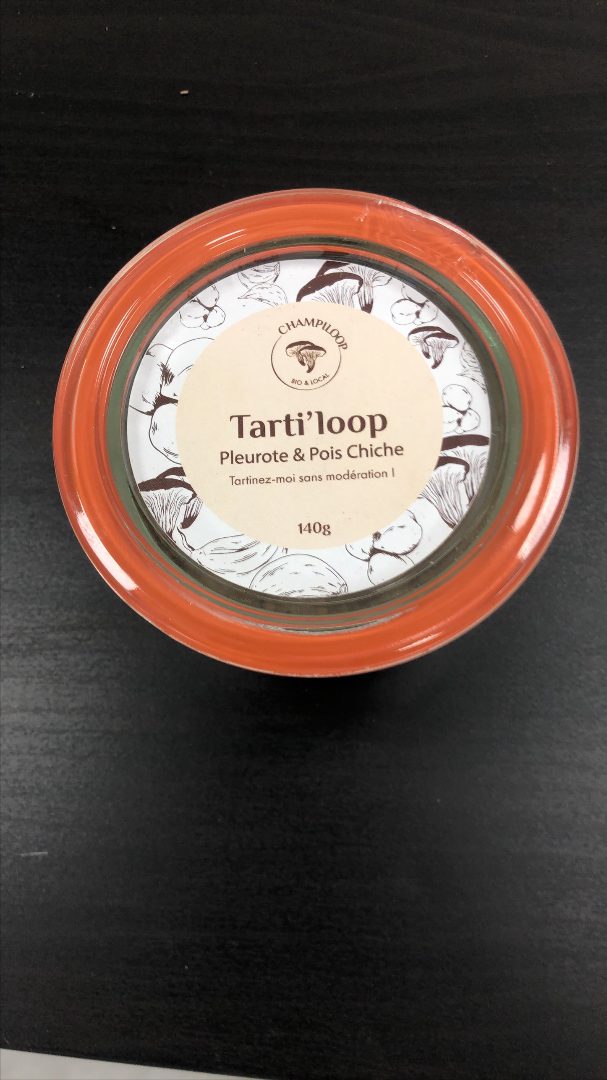
France – Chickpea Oyster Mushroom Tartiloop – Clostridium botulinum

Gov france

Identification information of the recalled product

  • Product category Feed
  • Product subcategory Others
  • Product brand name Champiloop – Tartiloop
  • Model names or references Chickpea oyster mushroom tartiloop, vegan spread with mushrooms
  • Identification of products
    GTIN Batch Date
    3770025912066 2022299-1 Use-by date 26/10/2024
  • Packaging 140g
  • Marketing start/end date From 01/11/2022 to 18/04/2023
  • Storage temperature Product to be stored at room temperature
  • Further information weck jar
  • Geographic area of ​​sale agglomeration of Grenoble
  • Distributors38000: the little ravito, montvrac, the good pickaxe, cse synchrotron 38410: manabio

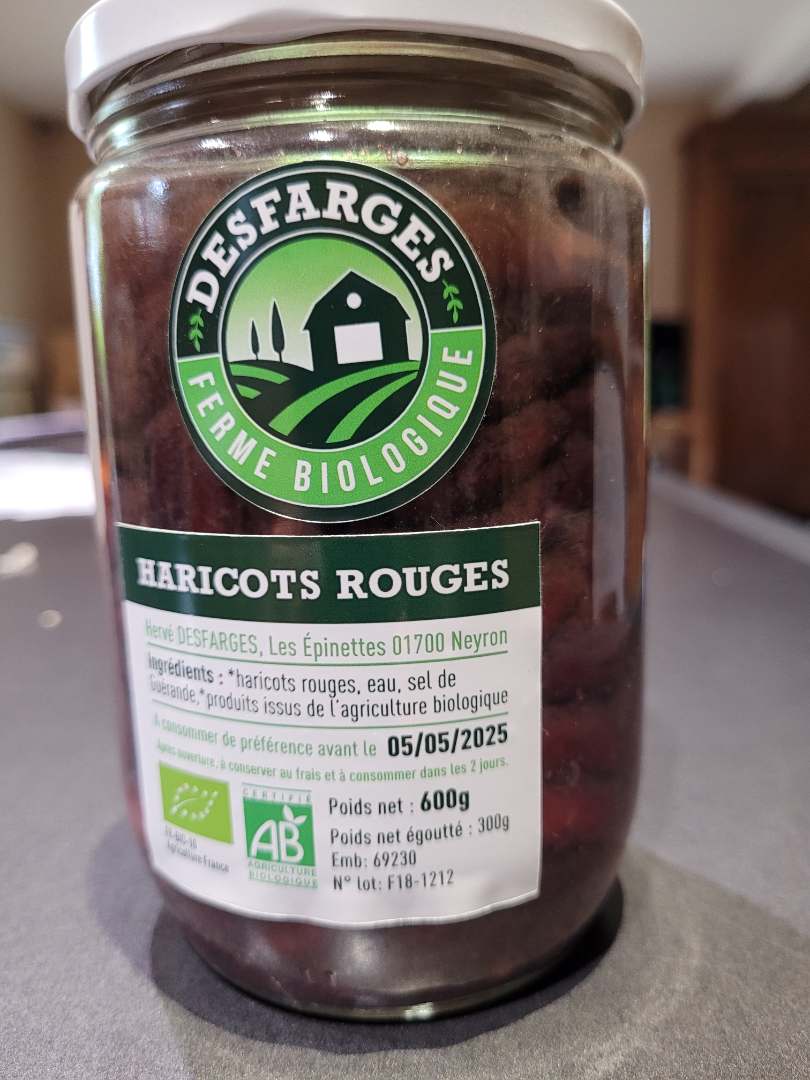
France – CANNED RED BEAN – Clostridium botulinum

Gov france

Identification information of the recalled product

  • Product category Feed
  • Product subcategory Fruits and vegetables
  • Product brand name DESFARGES
  • Model names or references Red beans in DESFARGES jars
  • Identification of products
    Batch Date
    batch F18-1212 Date of minimum durability 05/05/2025
    BATCH F48-1172 Date of minimum durability 02/12/2024
  • Packaging glass jar 600g, net drained weight 300g
  • Marketing start/end date From 10/01/2022 to 20/04/2023
  • Storage temperature Product to be stored at room temperature
  • Geographic area of ​​sale Departments: AIN (01), ISERE (38), RHONE (69)
  • Distributors so bio, biocoop, retail groceries, market

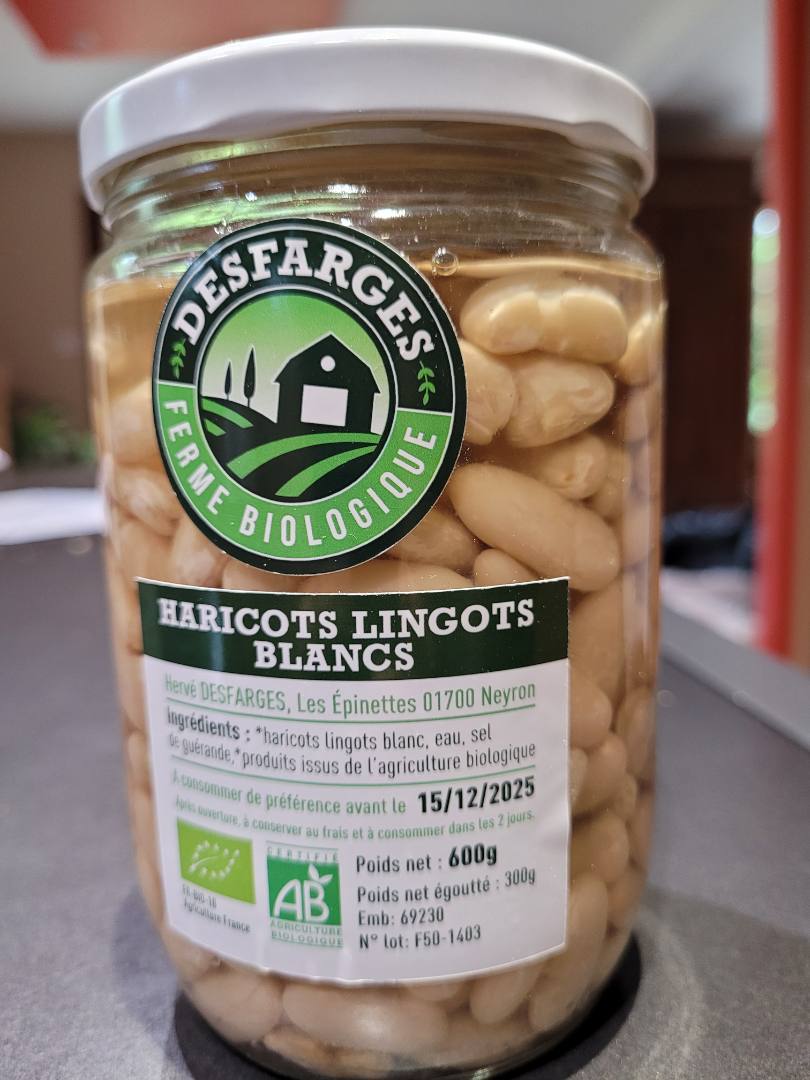
France – CANNED WHITE INGOT BEANS – Clostridium botulinum

Gov france

Identification information of the recalled product

  • Product category Feed
  • Product subcategory Fruits and vegetables
  • Product brand name DESFARGES
  • Model names or references PRESERVED WHITE INGOT BEAN
  • Identification of products
    Batch Date
    F50-1403 Date of minimum durability 12/15/2025
    BATCH F23-1229 Date of minimum durability 07/06/2025
  • Packaging GLASS JAR 600 G, DRAINED NET WEIGHT 300 G
  • Marketing start/end date From 01/07/2022 to 20/04/2023
  • Storage temperature Product to be stored at room temperature
  • Further information WHITE INGO BEANS JAR
  • Geographic area of ​​sale Departments: AIN (01), RHONE (69)
  • Distributors SO BIO, retail groceries, biocoop,

Quebec – Notice not to consume smoked mussels and warning concerning the lack of information necessary for the consumption of certain smoked fish products, prepared and sold by Poissonnerie de la Baie inc. by Bonaventure – Clostridium botulinum

Quebec

The Ministry of Agriculture, Fisheries and Food (MAPAQ), in collaboration with the company Poissonnerie de la Baie inc., located at 170, avenue de Port- Royal , in Bonaventure, warns the public not to consume the product indicated in the table below, because the retailer mentioned above has not prepared and packaged it in such a way as to ensure its safety. Indeed, this product could promote the proliferation of the bacterium  Clostridium botulinum .

Product name

Format

Affected lot

“ATKINS SMOKED MUSSELS”

Unitary

Units sold until May 12, 2023

In addition, the MAPAQ, in collaboration with the same company, warns the population not to consume the products indicated in the table below beyond 14 days following the date of packaging.

Product name

Format

Affected lot

“SMOKED SALMON BITES IN LERABLE”

Variable

Units sold until May 12, 2023

“ATKINS SMOKED TURBOT FILLET”

Variable

Units sold until May 12, 2023

The products that are the subject of this warning were offered for sale until May 12, 2023 inclusively, and only at the establishment designated above. The smoked fish products were vacuum packed in a transparent plastic bag and the smoked mussels were packed in glass jars with a metal lid. The products were all sold chilled. The label of the products included, in addition to their name, the words “Poissonnerie de la Baie”.

The operator is voluntarily recalling the products in question. It has agreed with MAPAQ to issue this warning as a precautionary measure. 

Smoked mussels  : people who have this product in their possession are advised not to consume it. They must return it to the establishment where they bought it or throw it away. Even if the affected product shows no signs of tampering or suspicious odors, its consumption may represent a health risk.

Maple Smoked Salmon Bites and Smoked Turbot Fillets  : People who have either of these products in their possession are advised not to consume it if it has been packaged for more than 14 days. They must return it to the establishment where they bought it or throw it away. Even if the affected products show no signs of tampering or suspicious odors, their consumption may represent a health risk. In fact, when smoked fish is sold refrigerated, mandatory preventive measuresThis link will open in a new window. must be taken with regard to the type of packaging and the shelf life.

It should be noted that no case of illness associated with the consumption of these foods has been reported to MAPAQ to date.