Category Archives: Clostridium perfringens

Research – From Germination to Stagnation: Sodium Diacetate’s Impact on Clostridium perfringens Spores

Wiley Online

ABSTRACT

Sodium diacetate is recognized for its high efficiency as a preservative, demonstrating strong antibacterial properties that help extend the shelf life of food products. However, it is still unclear how it influences spores. This research investigated the influence of sodium diacetate on the germination and outgrowth stage in the revival process of Clostridium perfringens (C. perfringens) spores. The germination and outgrowth rate of spores after sodium diacetate treatment were measured. The changes of spore inner membrane were monitored by laser confocal microscope, electron scanning microscope and macromolecular leakage. The interaction between sodium diacetate and DNA was investigated by EB fluorescence probe, and the finding was verified by the outgrowth of spores in ham sausage. An investigation into the effects of sodium diacetate treatment on the biological activity, inner membrane permeability, morphology, and DNA integrity of spores devoid of both the coat and cortex revealed that sodium diacetate significantly hindered the transition of germinated spores into vegetative cells. In the presence of sodium diacetate, C. perfringens spores underwent germination, characterized by the hydrolysis of the spore cortex and the disassembly of the spore coat. As the spores advanced into the outgrowth phase, sodium diacetate penetrated their structure, causing damage to the inner membrane and compromising DNA integrity. Moreover, sodium diacetate was demonstrated to effectively inhibit spore outgrowth in ham sausage. This study provided theoretical guidance and references for the application of sodium diacetate in food to control the germination and outgrowth of spore-forming bacteria.
Clostridium perfringens behind illness at New Zealand University

Food Safety News

Clostridium perfringens has been confirmed as the cause of more than 100 students falling ill at a university in New Zealand.

Health New Zealand and the Ministry for Primary Industries (MPI) investigated the outbreak among pupils at the University of Canterbury’s University Hall in Christchurch. Students fell ill a few weeks ago during the end-of-year exam period.

Laboratory testing and survey data confirmed New Zealand Food Safety’s theory that the outbreak was likely caused by unsafe preparation of shredded chicken served to students as part of a meal.

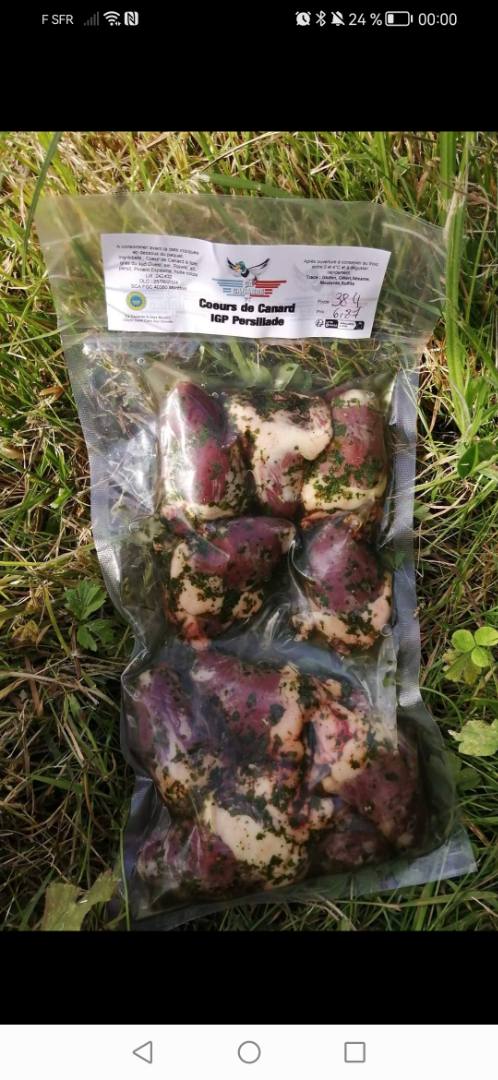
France – IGP Duck Heart in Parsley – E.coli – Clostridium perfringens

Gov France

Product Category
Food
Product subcategory
Meats
Product brand name
It’s Ducking
Model names or references
Lot 243202
Product identification
Batch Date
L 243202 Expiry date 08/20/2024
Packaging
Under a vacuum
Start/End of marketing date
From 08/09/2024 to 08/11/2024
Storage temperature
Product to be kept in the refrigerator
Geographic area of ​​sale
Sale in Blaye and Saint Ciers on Gironde
Distributors
It’s Ducking

Research – Clostridium perfringens in the Intestine: Innocent Bystander or Serious Threat?

MDPI

Abstract

The Clostridium perfringens epidemic threatens biosecurity and causes significant economic losses. C. perfringens infections are linked to more than one hundred million cases of food poisoning annually, and 8–60% of susceptible animals are vulnerable to infection, resulting in an economic loss of more than 6 hundred million USD. The enzymes and toxins (>20 species) produced by C. perfringens play a role in intestinal colonization, immunological evasion, intestinal micro-ecosystem imbalance, and intestinal mucosal disruption, all influencing host health. In recent decades, there has been an increase in drug resistance in C. perfringens due to antibiotic misuse and bacterial evolution. At the same time, traditional control interventions have proven ineffective, highlighting the urgent need to develop and implement new strategies and approaches to improve intervention targeting. Therefore, an in-depth understanding of the spatial and temporal evolutionary characteristics, transmission routes, colonization dynamics, and pathogenic mechanisms of C. perfringens will aid in the development of optimal therapeutic strategies and vaccines for C. perfringens management. Here, we review the global epidemiology of C. perfringens, as well as the molecular features and roles of various virulence factors in C. perfringens pathogenicity. In addition, we emphasize measures to prevent and control this zoonotic disease to reduce the transmission and infection of C. perfringens.

RASFF Alert – Clostridium perfringens – Organic Cinnamon Powder

RASFF

Clostridium perfringens in organic cinnamon powder from Vietnam in Spain

RASFF Alert – Clostridium perfringens –

RASFF

Occurrence of Clostridium perfringens in cinnamon from Vietnam. in Spain

Food Poisoning Tragedy at Funeral in Eastern Uganda: A Call for Food Safety and Public Health Reform

BNN

In the quiet village of Bukasami, located in the heart of Jinja district, Eastern Uganda, a somber gathering to bid farewell to Ahamad Magumba, a respected county khadhi, took an unforeseen and tragic turn. On February 13, what was meant to be a ceremony of remembrance quickly spiraled into a public health emergency. Three attendees lost their lives, and an additional 100 were hospitalized with symptoms pointing unmistakably to food poisoning.

The laboratory findings, including the detection of a high number of colony-forming units of C. perfringens in the consumed food, further cement the diagnosis. This bacterium, often found in improperly stored or cooked food, can lead to devastating outbreaks, as witnessed in Bukasami village.

Research – Characteristics of Gastroenteritis Outbreaks Investigated in Singapore: 2018–2021

MDPI

Abstract

There is a need to study the characteristics of outbreaks via Singapore’s outbreak surveillance system to understand and identify the gaps in food safety for targeted policy interventions due to the increasing trend in gastroenteritis outbreaks and consequential increase in foodborne-related deaths and economic burden on public health systems worldwide. A total of 171 gastroenteritis outbreaks were investigated in Singapore from January 2018 to December 2021. This study analyzed the annual trend of investigated gastroenteritis outbreaks, the proportion of outbreaks by implicated sources of food, and the proportion of the type of pathogens identified from human cases, food samples, and environmental swabs collected from outbreak investigations. Among the foodborne gastroenteritis outbreaks (n = 121) investigated in Singapore, approximately 42.1% of the outbreaks had food prepared by caterers, 14.9% by restaurants, and 12.4% had food prepared by in-house kitchens. Clostridium perfringens and Salmonella were the most common causative pathogens in foodborne outbreaks throughout the analysis period. The food samples and environmental swabs collected were mostly detected for Bacillus cereus. Norovirus was the most common causative pathogen in non-foodborne outbreaks and was mainly attributable to preschools. This highlights the importance of monitoring and educating the catering industry and preschools to prevent future outbreaks.

France – Various Products – Clostridium perfringens

Gov France

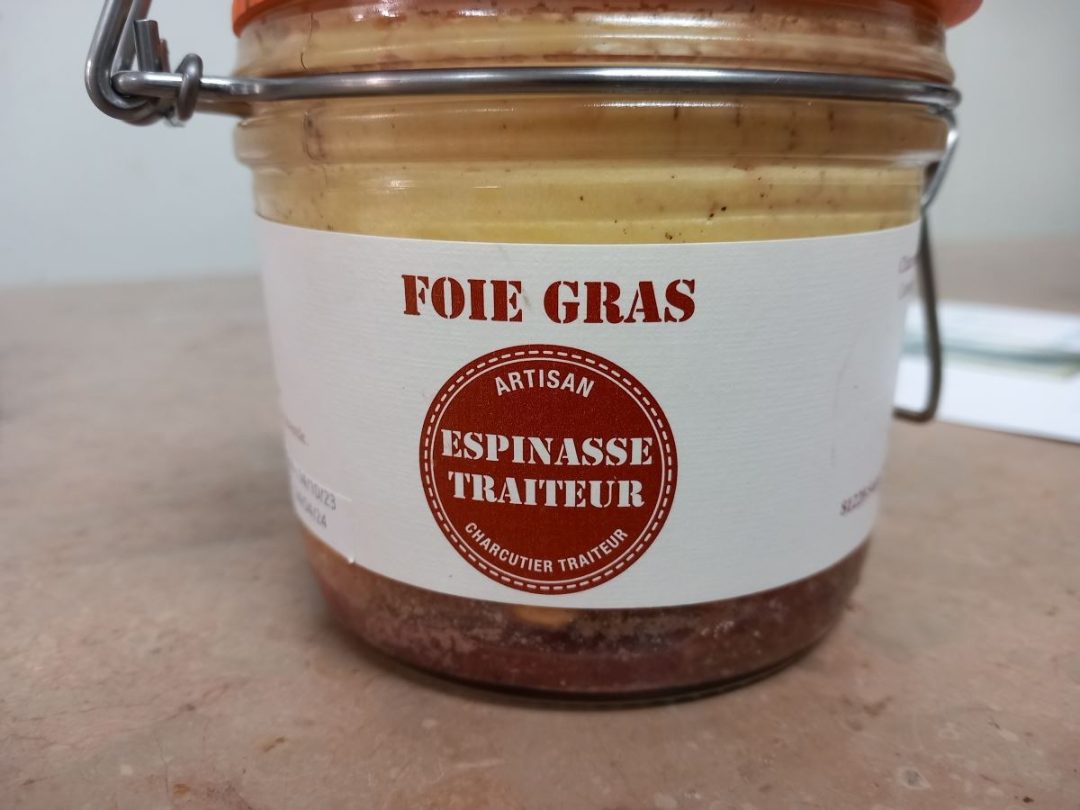
Foie gras “Espinasse caterer”

Gov France

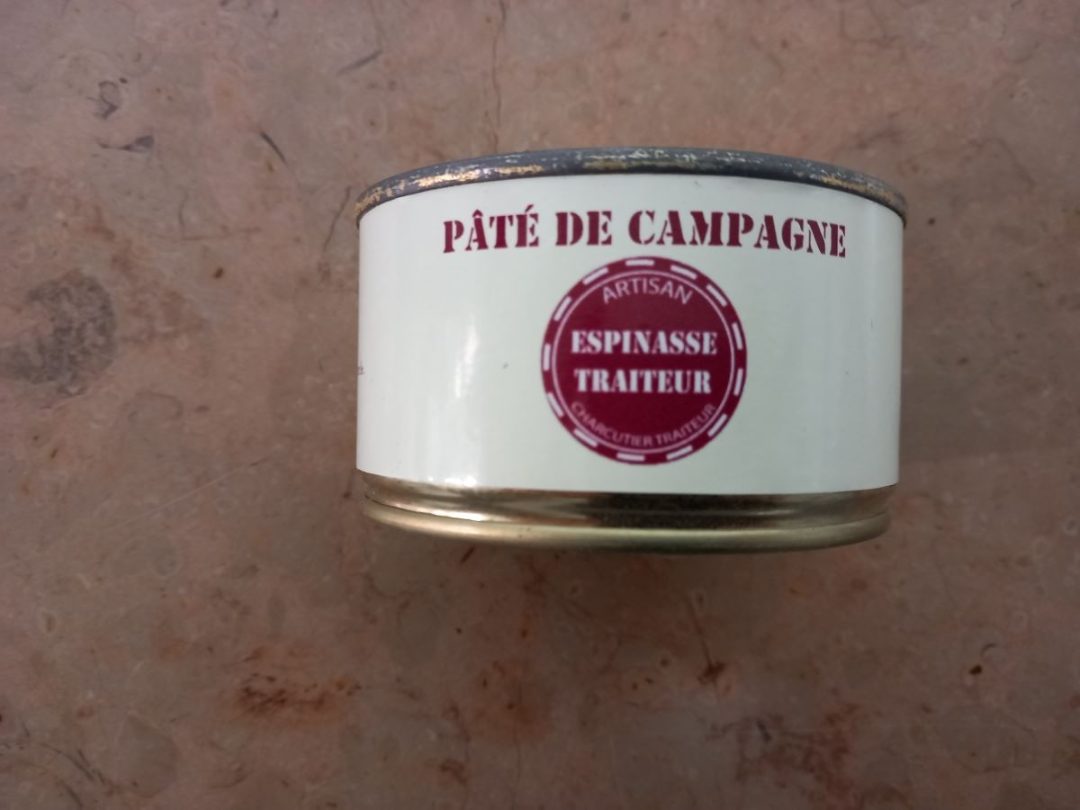
Country pâté “Espinasse caterer”

Gov France

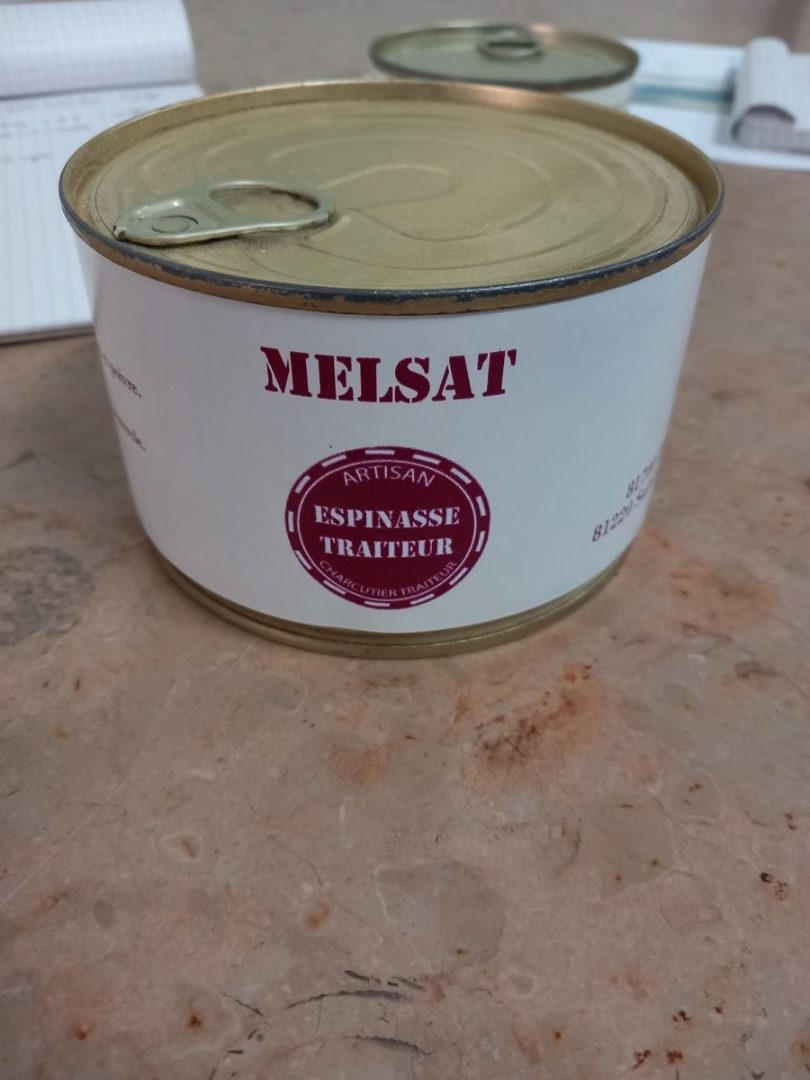
Melsat “Espinasse caterer”

Gov France

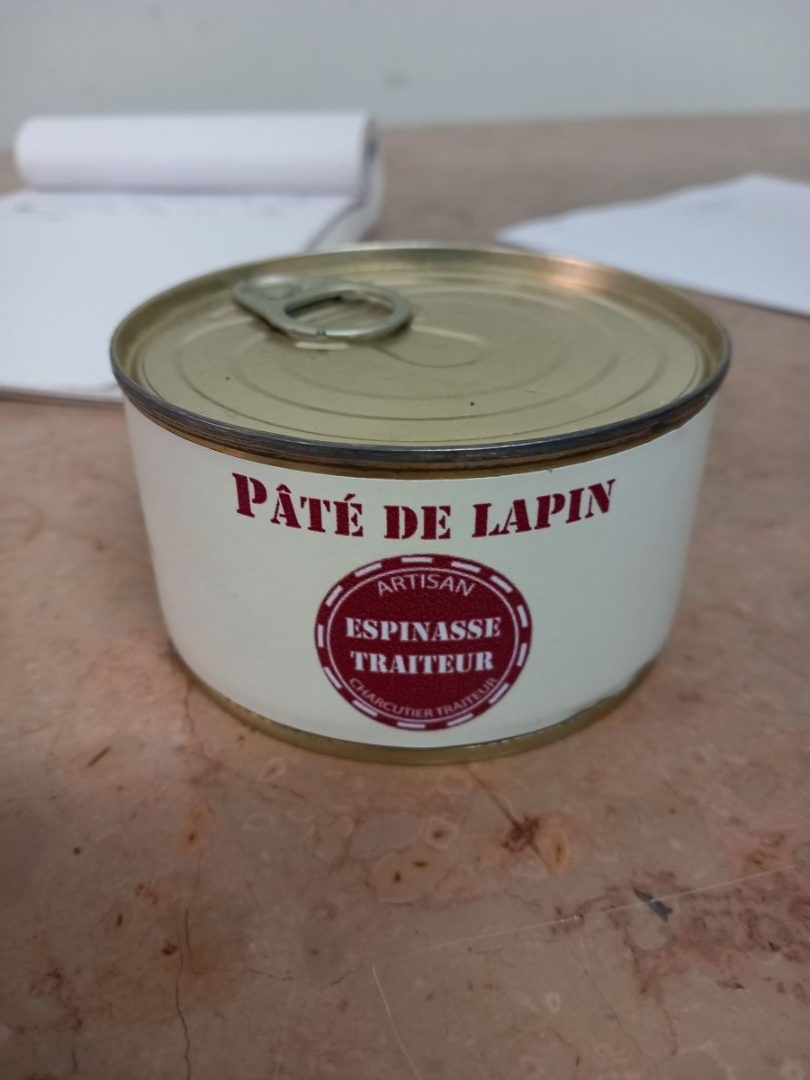
Rabbit pâté “Espinasse caterer”

Gov France

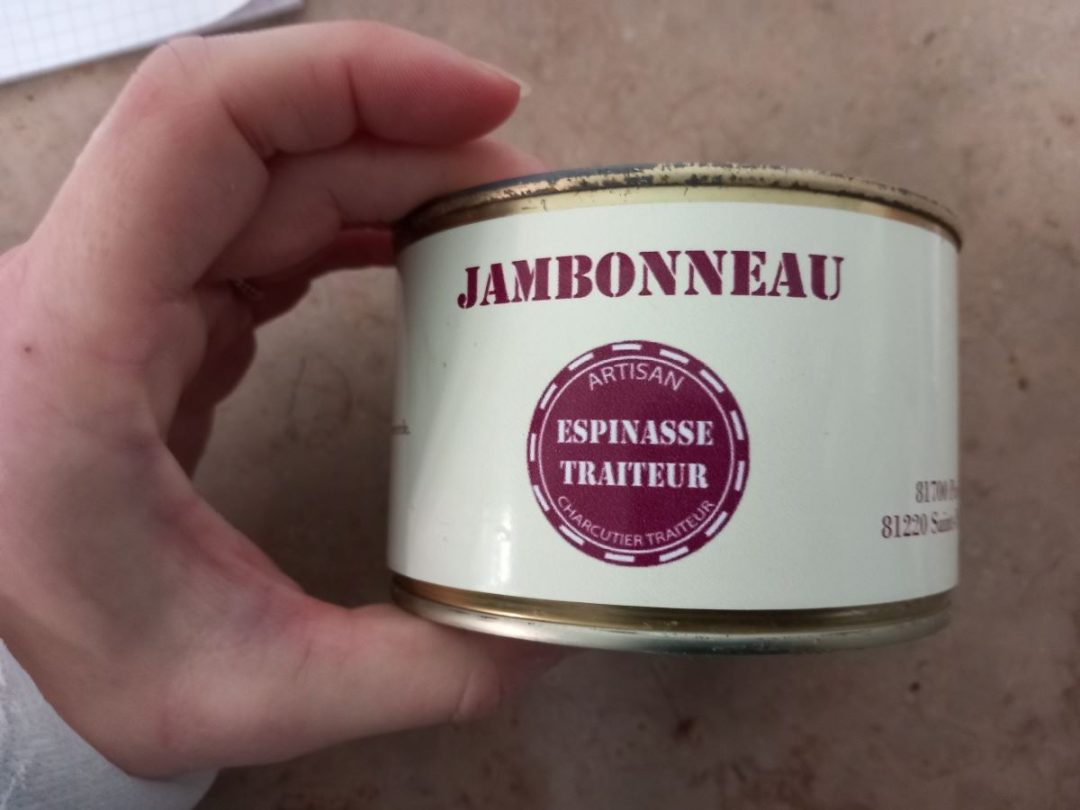
Jambonneau “Espinasse traiteur”

Research -New Detection Tools for Clostridium Perfringens, Total Viable Bacteria in Poultry Production

Food Safety

Ancera has unveiled the release of two new microbial detection tools designed to identify and enumerate Clostridium perfringens and total viable bacteria (TVB) in poultry. The assays are designed to address critical challenges within the poultry industry, from live operations to processing, and help companies increase productivity, food safety, and interventional efficacy.

Ancera’s TVB assay is the first true non-enrichment, microbial quantitation assay focused on same-shift process improvement and quality control at the plant. The tool provides quantifiable microbial information enabling integrators to understand whether their processes are working to reduce microbial load. Once fully commercialized, the technology will produce results within a single working shift, unlocking real-time trend analysis and decision-making for improved compliance and sanitation. The new assay represents a significant reduction from traditional 48–72 hour turnaround times, decreasing the risk of compliance and recall risk.