Category Archives: Bacteriophage

Research – Bacteriophage Therapy to Reduce Colonization ofCampylobacter jejuniin Broiler Chickens before Slaughter

Click to access viruses-13-01428.pdf

Research – Low-Temperature Virus vB_EcoM_VR26 Shows Potential in Biocontrol of STEC O26:H11

MDPI

Shiga toxin-producing Escherichia coli (STEC) O26:H11 is an emerging foodborne pathogen of growing concern. Since current strategies to control microbial contamination in foodstuffs do not guarantee the elimination of O26:H11, novel approaches are needed. Bacteriophages present an alternative to traditional biocontrol methods used in the food industry. Here, a previously isolated bacteriophage vB_EcoM_VR26 (VR26), adapted to grow at common refrigeration temperatures (4 and 8 °C), has been evaluated for its potential as a biocontrol agent against O26:H11. After 2 h of treatment in broth, VR26 reduced O26:H11 numbers (p < 0.01) by > 2 log10 at 22 °C, and ~3 log10 at 4 °C. No bacterial regrowth was observed after 24 h of treatment at both temperatures. When VR26 was introduced to O26:H11-inoculated lettuce, ~2.0 log10 CFU/piece reduction was observed at 4, 8, and 22 °C. No survivors were detected after 4 and 6 h at 8 and 4 °C, respectively. Although at 22 °C, bacterial regrowth was observed after 6 h of treatment, O26:H11 counts on non-treated samples were >2 log10 CFU/piece higher than on phage-treated ones (p < 0.02). This, and the ability of VR26 to survive over a pH range of 3–11, indicates that VR26 could be used to control STEC O26:H11 in the food industry. View Full-Text

Research – Isolation and characterization of a virulent bacteriophage for controlling Salmonella enteritidis growth in ready-to-eat mixed-ingredient salads

Journal of Food Protection

Recently, ready-to-eat vegetable salads have gained popularity worldwide. However, the microbial safety of ready-to-eat salads is a health concern, primarily due to Salmonella enteritidis contamination during the growing, harvesting, processing, and handling of produce. This study aimed to develop a bacteriophage-based strategy to control S. enteritidis growth in mixed-ingredient salads. A lytic Salmonella-specific phage SapYZU01 was isolated from a soil sample from a suburban vegetable field in Yangzhou, China. SapYZU01 exhibited characteristics such as a short latent period, a large burst size, and a lytic effect against 13 S. enteritidis strains isolated from various sources (human, pork, deli, chicken, and chicken meat). The SapYZU01 genome did not contain virulence or antibiotic resistance genes. SapYZU01 significantly decreased the viability of S. enteritidis cells in iceberg lettuce, chicken meat, and mixed-ingredient (lettuce+chicken) salads at 37 and 25 °C. Furthermore, bacterial counts in the salad decreased significantly (by 4.0 log colony-forming units (CFU)/g) at 25 °C upon treatment of contaminated lettuce with SapYZU01 at an MOI of 100 prior to salad preparation. Bacterial counts were decreased by 3.8 log CFU/g at 25 °C in (lettuce+chicken) salads treated with SapYZU01 at an MOI of 100 after the salad preparation. In contrast, treating cooked chicken meat with SapYZU01 at an MOI of 100 before mixing it with contaminated lettuce decreased the bacterial count of the salad by 1.2 log CFU/g at 25 °C. These findings indicate the potential application of SapYZU01 as a natural biocontrol agent against S. enteritidis in mixed-ingredient salads. Furthermore, the application of lytic bacteriophage SapYZU01 in mix-ingredient salads should considered the bacteriophage treatment method in addition to the bacteriophage concentration.

Research – Can bacterial viruses improve the microbiological safety of raw milk cheeses?

Harper Adams

Harper Adams University research is exploring a biological control method to improve the safety of popular Egyptian cheeses produced from raw cows’ milk.

The work is being conducted by Sherif Kandil, a PhD student and scholar sponsored by the Newton Mosharafa Fund. Sherif is in the final year of a three-year study, directed by Dr Lynn McIntyre, Senior Lecturer in Food Safety in the Department of Food Technology and Innovation.

Dr McIntyre explained: “The project was prompted by a number of foodborne outbreaks and prevalence data showing high levels of Staphylococcus aureus (S. aureus) and Escherichia coli (E. coli) in raw milk in Egypt.

“Cheeses made from raw cows’ milk, such as Karish, Domiatti and Ras, are popular in Egypt and Arab countries. Their strong flavour is produced by naturally occurring microorganisms in raw milk rather than the deliberate addition of starter culture organisms. However, their production also relies on smallholders in rural areas who make and store cheese under potentially uncontrolled hygiene and temperature conditions’’ Sherif added. Therefore, the growth of a variety of disease-causing (pathogenic) bacteria such as S. aureus and E. coli can be a real problem.

“These pathogens are also developing some resistance to antibiotics, but pasteurisation, normally used to kill pathogenic bacteria in raw milk, would also kill the desirable microorganisms and alter the flavours, which may be unacceptable to the consumer.”

Bacteriophages are highly specific viruses, which, unlike antibiotics, can selectively kill target bacterial species without affecting the desirable microorganisms. These could therefore have potential to target and control the disease-causing bacteria in raw cows’ milk cheeses, “an area that has not received much attention to date” according to Sherif.

For his study, Sherif collected 100 raw cows’ milk samples and processed them using a standard method to isolate and identify strains of S. aureus and E. coli in the Princess Margaret Laboratories, at Harper Adams University.

Karish, Domiatti and Ras cheeses have been successfully produced from raw cows’ milk on a small-lab-scale using traditional production methods, and their properties characterised during manufacture and storage.

A range of conditions, based on these data, has also been tested to understand how the bacteriophages behave under conditions they will be exposed to during cheese production. The last phase this year will evaluate how effective these phages are at controlling S. aureus and E. coli in milk and during further lab-scale cheese manufacture and storage.

“There is increasing interest in controlling pathogenic bacteria in food using natural non-thermal approaches without compromising the manufacturing process and product quality,” Dr McIntyre added. “We are not immune to these food safety challenges in the UK, and much of what we’ve been investigating in this project could also be applied to raw milk cheese production here.”

Research – Efficacy of Bacteriophage Cocktail to Control E. coli O157:H7 Contamination on Baby Spinach Leaves in the Presence or Absence of Organic Load

MDPI

Fruits and vegetables are high in nutrients that are essential for a healthy lifestyle. However, they also harbor an extensive array of microorganisms such as bacteria, which can be beneficial, neutral, or pathogenic. Foodborne pathogens can contaminate produce at any stage from the farm to the consumer’s table. Appropriate washing techniques using sanitizers can reduce the risk of pathogen contamination. Issues related to maintaining concentration, efficacy, and other problems have been a challenge for the food industry and, when left unresolved, have led to different outbreaks of foodborne illnesses. In this study, the efficacy of a lytic bacteriophage cocktail was examined for its ability to infect and reduce the contamination of Escherichia coli O157:H7 (E. coli O157:H7), in media with a high organic load, using a microplate technique. The study was conducted for 3 h to determine if the bacteriophage cocktail could reduce the pathogen in the presence of a high organic load. A significant (p < 0.05) reduction in the population of E. coli O157:H7 was observed, representing a 99.99% pathogen reduction at the end of 3 h. Fresh spinach leaves were washed in sterile potable or organic water (~9000 ppm organic load) containing E. coli O157:H7 and a bacteriophage cocktail to study the effectiveness of bacteriophages against the foodborne pathogen. Results indicated that the bacteriophage significantly (p < 0.05) reduced the contamination of E. coli O157:H7 in both situations. The study also demonstrated the bacteriophages’ ability to infect and reduce the pathogen in an organic-rich environment. This characteristic differs from commercially available sanitizers that have demonstrated a tendency to bind with the available organic load. Thus, these studies highlight the advantage of employing bacteriophages during produce wash to eliminate foodborne pathogen contamination on fruits and vegetables. View Full-Text

Research – Application of a Novel Lytic Podoviridae Phage Pu20 for Biological Control of Drug-Resistant Salmonella in Liquid Eggs

MDPI

kswfoodworld Salmonella

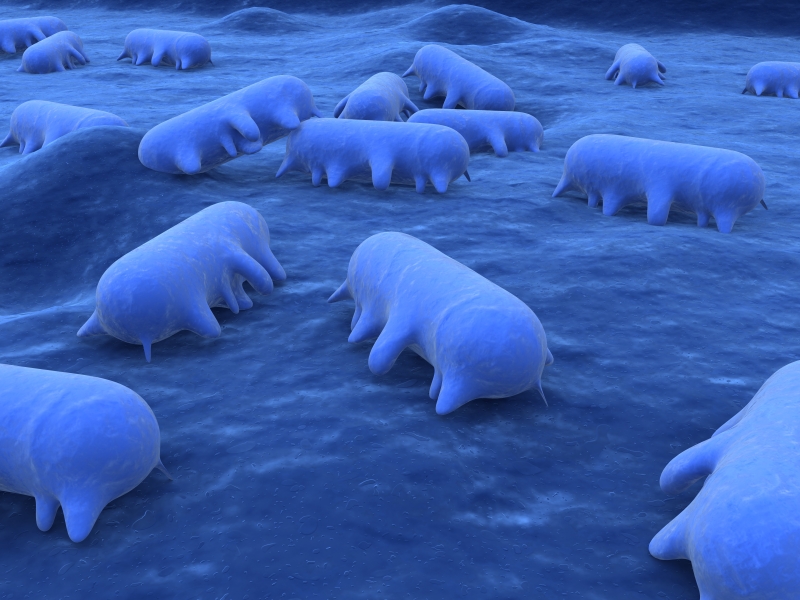
Salmonella is a globally distributed zoonotic pathogen. Among them, S. Pullorum is a host-specific pathogen that seriously affects the development of the poultry breeding industry in China. It mainly infects chickens and can cause white scabs, and the mortality rate after infection is almost 100%. As antibiotics are widely used in animal feed and other production processes, Salmonella resistance has gradually increased. Therefore, there is an increasing need to develop new technologies to control multi-drug resistant (MDR) pathogens and confirm their actual effectiveness in the target food matrix. Bacteriophage can efficiently and specifically lyse bacteria, and will be a potential bactericide to replace antibiotics. In this study, 34 strains of Salmonella bacteriophages were isolated from environmental resources. Therein, phage Pu20 with the widest host spectrum had the strongest ability to lyse tested Salmonella strains. Further studies showed that Pu20 had high pH tolerance and heat resistance, short incubation period. Pu20 can effectively inhibit the growth of two strains of MDR Salmonella in liquid egg white and yolk at 4 ℃ and 25 ℃, respectively. According to morphological and phylogenetic analysis, Pu20 belongs to the Podoviridae family. Genomic analysis of Pu20 indicates a linear 59435 bp dsDNA sequence with no homology to virulence or antibiotic resistance-related genes. Together, these results sheds light on the potential biocontrol application value of Pu20 in food products.

EU – EU project uses phages to tackle Campylobacter in poultry

Food Safety News

A European project has developed a way to help with the biocontrol of Campylobacter and reduce its prevalence in the poultry sector.

Work focuses on the development of a bacteriophage-based solution to be used as a natural antimicrobial in the farm (pre-harvest), at slaughter, and in processing facilities (post-harvest). Standard control measures at the farm level rely upon the use of antibiotics.

The project, called Campylobacter-Specific Nullification via Innovative Phage-mediated Enteropathogen Reduction (C-SNIPER), is led by AZTI, a technology center in Spain. It received funding from EIT Food, part of the European Institute of Innovation & Technology (EIT), a body of the European Union.

Poultry is the most widely consumed meat in the EU with Poland, Italy, Spain, and Germany as major producers. However, the consumption of poultry products is also considered the main route for campylobacteriosis, the most frequently reported foodborne illness in Europe.

Research -Fate of Listeria on various food contact and noncontact surfaces when treated with bacteriophage

Wiley Online

Listeria kswfoodworld food safety food poisoning

Image CDC


Study objective was to determine efficacy of a bacteriophage suspension against Listeria spp. when applied to three common types of materials used in food manufacturing facilities. Materials included two food contact materials (stainless steel and polyurethane thermoplastic belting) and one noncontact material (epoxy flooring). Coupons of each material were inoculated with a cocktail containing L. monocytogenes and L. innocua (4 to 5‐log10 CFU/cm2). Two phage concentrations and a control, 0, 2 × 107 and 1 × 108 PFU/cm2 were evaluated. Treated samples were held at 4 or 20°C for 1 and 3 hr to determine the effect of temperature and treatment time. Reductions in Listeria populations ranged from 1.27 to 3.33 log10 CFU/cm2 on stainless steel, from 1.17 to 2.76 log10 CFU/cm2 on polyurethane thermoplastic belting, and from 1.19 to 1.76 log10 CFU/cm2 on epoxy resin flooring. Higher phage concentration (1 × 108 PFU/cm2), longer treatment time (3 hr), and processing area temperature of 20°C showed a greater ( ≤ .05) reduction of Listeria on the stainless‐steel and polyurethane thermoplastic belting coupons. Overall, Listeria reduction by phage treatment occurred on all three materials tested, under all conditions.


Research – Emerging Foodborne Pathogens

Pub Med

The broad spectrum of foodborne infections has changed dramatically over time, as well-established pathogens have been controlled or eliminated, and new ones have emerged. The burden of foodborne disease remains substantial: one in four Americans is estimated to have a significant foodborne illness each year. The majority of these illnesses are not accounted for by known pathogens, so more must remain to be discovered. Among the known foodborne pathogens, those more recently identified predominate, suggesting that as more and more is learned about pathogens, they come under control. In addition to the emergence or recognition of new pathogens, other trends include global pandemics of some foodborne pathogens, the emergence of antimicrobial resistance, the identification of pathogens that are highly opportunistic, affecting only the most high-risk subpopulations, and the increasing identification of large and dispersed outbreaks. New pathogens can emerge because of changing ecology or changing technology that connects a potential pathogen with the food chain. They also can emerge de novo by transfer of mobile virulence factors, often through bacteriophage. Though this is rarely observed, it can be reconstructed. Better understanding of the ecology and dynamics of phage transmission among bacteria will help us to understand the appearance of new pathogens in the future. One may look for emerging foodborne pathogens among the silent zoonoses, and among the severe infections affecting the immunocompromised humans. We should expect the unexpected. In the past, separating human sewage and animal manure from human food and water supplies was critical to improving public health. Now, our health depends increasingly on the safety of the feed and water supplies for the animals themselves. The successes of the 20th century and the new challenges we face mean that public health vigilance, careful investigation of new problems, responsible attention to food safety from farm to table, and partnerships to bring about new foodborne disease control measures will be needed for the foreseeable future.

Research -Salmonella phage study underway on Kenyan poultry farms

Wattagenet

The use of bacteriophages to kill Salmonella in poultry flocks is currently being investigated in Kenya. The work, driven by concerns about antibiotic overuse and antibiotic resistance, should result in a commercially available product aligned to local needs and offering an alternative to antibiotics.

Full Article