Author Archives: KSW

UK – British Lion unveils new code of practice for eggs

The Grocer

A new enhanced version of the British Lion Code of Practice has been launched to mark the scheme’s 25th anniversary.

Version eight of the Lion Code incorporated the latest scientific veterinary advice and industry knowledge to ensure British Lion Eggs can continue to be produced to the highest standards of food safety, the industry body said.

The code of practice covers more than 700 auditable points from salmonella vaccination to complete traceability of hens, eggs, and feed.

It has also included enhanced sampling and testing, auditing and enforcement and updates to rodent control, on-farm protocols plus improvements to its animal welfare criteria.

The code is independently audited and the most comprehensive egg safety standard in the world. It is the UK’s most successful food safety scheme, said the British Egg Industry Council.

“The introduction of the Lion Code in 1998 effectively eliminated Salmonella and restored consumer confidence in British eggs,” said Mark Williams, BEIC chief executive.

USA – Preliminary Incidence and Trends of Infections Caused by Pathogens Transmitted Commonly Through Food — Foodborne Diseases Active Surveillance Network, 10 U.S. Sites, 2022

CDC

The figure is a photo of a worker in a produce section with information about foodborne illnesses.

Summary

What is already known about this topic?

Campylobacter and Salmonella are the leading causes of bacterial enteric infections transmitted commonly by food. Reported incidence of enteric infections was lower during the COVID-19 pandemic (2020–2021) compared with previous years.

What is added by this report?

During 2022, FoodNet identified higher incidences of Shiga toxin-producing Escherichia coli, Yersinia, Vibrio, and Cyclospora infections compared with 2016–2018. Campylobacter, Salmonella, Shigella, and Listeria incidences did not change.

What are the implications for public health practice?

Progress in reducing enteric infection incidence was not observed during 2022, as influences of the COVID-19 pandemic subsided. Collaboration among food growers, processors, retail stores, restaurants, and regulators is needed to reduce pathogen contamination during poultry slaughter and to prevent contamination of leafy greens.

USA – Cronobacter infections in babies are now a reportable disease

Food Safety News

The CDC has announced it will begin tracking infections caused by cronobacter, which was behind an outbreak in 2021-22 among babies and caused an infant formula shortage that plagued the nation for months.

The council is the body that recommends what diseases are “reportable.” That list already includes illnesses from other foodborne pathogens, including E. coli, Salmonella, and Listeria. About 120 other illnesses are on the list of “nationally notifiable” pathogens. The council and the CDC manage the list.

When the recommendation becomes active, cronobacter infections identified in infants less than 1-year-old will be reported by doctors and laboratories to state health departments. Those departments will then notify the CDC.

New Zealand – Durra brand Tahina and Halawa – Salmonella

MPI

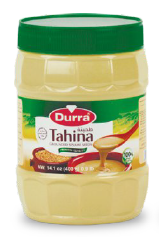
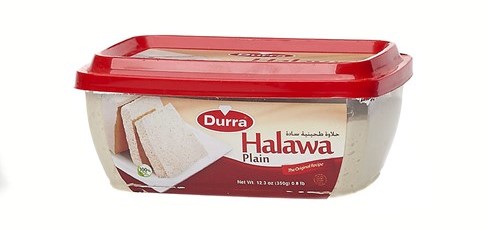
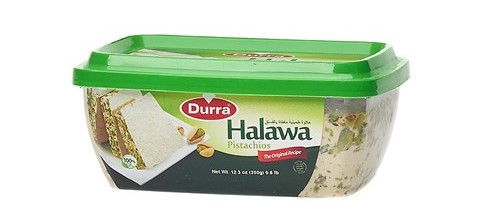
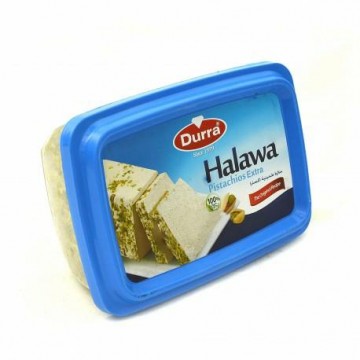
30 June 2023: Multiple importers are recalling specific batches of Durra brand Tahina and Halawa products due to the possible presence of Salmonella.

See-through jar with green lid.

Rectangular container with red lid.

Rectangular container with green lid.

Rectangular container with blue lid.

Product identification
Product type Sesame based products
Name of product (size) Durra brand Tahina (400g, 800g, 18kg)

Durra brand Halawa Plain (350g, 700g)

Durra brand Halawa Pistachio (350g, 700g)

Durra brand Halawa Extra Pistachio (350g, 700g)

Date marking Products with a date mark between EXP: 18/12/2024 up to and including EXP: 12/02/2025
Package size and description The products are sold in various packaging size variations in a plastic container or bucket.
Distribution The products are imported from Jordan.

The products are sold at retail outlets and ethnic grocery stores throughout New Zealand.

The products have not been re-exported.

Notes This recall does not affect any other Durra brand products.

Point of sale notice for retailers

If you are a retailer of the products in this recall, download a copy of the point of sale notice. You need to display it in your store for one month.

Point of sale notice – Hatem Brothers Ltd [PDF, 59 KB]

Point of sale notice – Unibrand Ltd [PDF, 59 KB]

Consumer advice

Customers are asked to check the date mark on the product.

Affected products should not be consumed. There have been no reports of associated illness in New Zealand. If you have consumed any of these products and have any concerns about your health, seek medical advice.

Customers should return the products to their retailer for a full refund.

Outbreak of Salmonella Mbandaka linked to chicken products in Ukraine

WHO

The INFOSAN Secretariat has been following the development of a multi-country outbreak (n=247) of Salmonella Mbandaka ST413 linked to chicken products from Ukraine. According to the European Centre for Disease Prevention and Control, the latest numbers available of the cases reported are Czech Republic (n=5), Estonia (n=3), Finland (n=89), France (n=10), Germany (n=2), Ireland (n=1), Israel (n=4), the Netherlands (n=1), and the United Kingdom (n=132). The latest cases have been detected as of March 2023 in the United Kingdom which have been linked through whole genome sequencing.

Information shared through the European Commission’s Rapid Alert System for Food and Feed (RASFF), implicated products linked to the outbreak has been distributed to nine countries. The INFOSAN Secretariat has promptly engaged WHO Member States outside of the RASFF to inform them of such distribution, seek additional information concerning the international distribution of implicated products and request information on any possible cases linked to the consumption of the implicated products.

Through close collaboration with the INFOSAN Emergency Contact Point and the National Focal Point for IHR in Ukraine, the INFOSAN Secretariat has been notified that no further international distribution from Ukraine to other WHO Member States, beyond those already notified by the RASFF, has been identified to date. Ukrainian authorities initiated an investigation and informed the Network of the risk management measures implemented at the facilities of the implicated manufacturer.

The INFOSAN Secretariat continues to support WHO Member States to facilitate the exchange of information in order to facilitate investigations and implementation of additional risk management measures. Further details will be shared through the Network when available.

About the hazard: Salmonella is 1 of the 4 key global causes of diarrheal diseases. Salmonella is a ubiquitous and hardy bacteria that can survive several weeks in a dry environment and several months in water.

About the disease: Salmonellosis is a disease caused by the bacteria Salmonella. It is usually characterized by acute onset of fever, abdominal pain, diarrhea, nausea and sometimes vomiting. The onset of disease symptoms occurs 6–72 hours (usually 12–36 hours) after ingestion of Salmonella, and illness lasts 2–7 days. For more information, please visit the WHO’s website about Salmonella (non-typhoidal) here.

USA – Sandwiches recalled because product was made with uncooked chicken

Food Safety News

Compass USA, of Charlotte, NC, is recalling over 2,000 Fresh To You Chicken Filet Sandwiches because the chicken sandwich was made with uncooked chicken.

According to the Centers for Disease Control and Prevention (CDC), raw chicken is often contaminated with Campylobacter bacteria and sometimes with Salmonella and Clostridium perfringens bacteria, all of which can lead to serious food poisoning.

According to the details posted online by the FDA, the recall was initiated on June 8, 2023, and is ongoing.

Salmonella outbreak ongoing with 130 sick; Listeria incident over in UK

Food Safety News

Investigations into a Salmonella outbreak are ongoing but a Listeria outbreak has ended, according to the Food Standards Agency (FSA).

More than 130 people are sick with Salmonella Mbandaka after eating chicken products from Ukraine. Four patients were admitted to hospitals and one person died.

In response to repeated non-compliance with partly cooked chicken products from Ukraine, a system of Intensified Official Controls (IOC) was started in April. This included a requirement that the next 10 imported consignments from the implicated establishment would be subject to extra inspections.

Because of continued breaches of food safety requirements, this was escalated to Imposed Checks in May. These physical, documentary and testing inspections will remain in place until a minimum of 30 consecutive favorable results are achieved.

The UK importer has stopped receipt of the steam-cooked chicken product until the issue is resolved and is testing all their uncooked product on arrival into the UK for Salmonella. An investigation by Ukrainian authorities has resulted in risk management measures being taken at the facilities of the manufacturer.

In late 2022, the European Centre for Disease Prevention and Control (ECDC) reported that Finland had 89 cases while a few patients also lived in the Czech Republic, Estonia, France, Germany, Ireland, the Netherlands, and Israel.

Shocking Increase in Norovirus Outbreaks on Cruise Ships – Vacationers Beware!

Alpha Beta Stock

As vacation-starved Americans return to cruise ships in record numbers, the surge in popularity has led to an increase in norovirus incidents on board. With occupancy rates at around 100% capacity, cruise lines like Royal Caribbean Group have reported a significant rebound in the first quarter of 2023. However, this resurgence has come with a downside, as 13 outbreaks of the highly contagious norovirus, also known as the ‘cruise ship virus,’ have been reported this year alone, marking the highest number since 2012 and emphasizing the potential health risks associated with large numbers of passengers on board.

INFOSAN Quarterly Summary, 2023 #1

WHO

Food safety incidents

The INFOSAN Secretariat was involved in 47 food safety incidents concerning 53 WHO Member States (MS) and territories from all WHO regions during this first quarter of the year. There were twenty-eight incidents involving a biological hazard [Salmonella spp. (9), Listeria monocytogenes (6), E. coli (3), Clostridium botulinum (2), Hepatitis A (2), Anisakis (1), Cronobacter (1), Entamoeba histolytica (1), Leptospira (1), Norovirus (1), and Shigella (1)]; nine involving a chemical hazard [methanol (2), aflatoxins (1), chlorothalonil (1), ergot alkaloids (1), histamine (1), lead (1), nitrogen (1), and patulin (1)]; six involving an undeclared allergen/ingredient [peanuts (2), egg (1), gluten (1), milk (1), soy (1)]; three involving a physical hazard [glass (1), metal (1), stones (1)]; and one of  an unknown hazard.

The food categories most commonly involved in the 47 incidents during the first quarter of 2023 were fish and other seafood (6),  meat and meat products (6), composite foods (5), nuts and oilseeds (5), cereals and cereal based products (3), fruit and fruit products (3), milk and dairy products (3), snacks, desserts, and other foods (3), vegetables and vegetable products (3), alcoholic beverages (2), food for infants and small children (2), herbs spices and condiments (2), legumes and pulses (1), non-alcoholic beverages (1), and two unknown food sources.

Due to the active engagement of INFOSAN members and partners, 53% of incidents were reported to the INFOSAN Secretariat by INFOSAN members (Emergency Contact Points and Focal Points), 28% of those incidents were communicated to the Secretariat through the European Commission’s Rapid Alert System for Food and Feed (RASFF), and 19% through various WHO channels.

These incidents involved 53 WHO Member States and territories from all WHO Regions. The affected Member States were distributed as follows: 23 out of 53 Member States from the European Region, 9 out of 27 in the Western Pacific, 8 out of 35 in the Americas, 7 out of 47 in Africa, 4 out of 11 in South-East Asia, and 2 out of 21 in the Eastern Mediterranean.

Russia – Mass Food Poisoning at Summer Health Camp as Multiple Children Hospitalized

Newsweek

A large number of children have reported symptoms consistent with food poisoning at a summer health camp in Russia’s southeastern Amur Oblast, according to local authorities.

The regional prosecutor’s office said 70 children fell sick at the White Mountains camp, with symptoms including abdominal pain and vomiting. Eight were hospitalized and the camp was suspended, state-run news agency Tass reported.

Reports that children had fallen ill at the health camp began circulating on social media on Thursday, sparking an investigation into how the facility had complied with sanitary and hygienic requirements.