Monthly Archives: February 2023

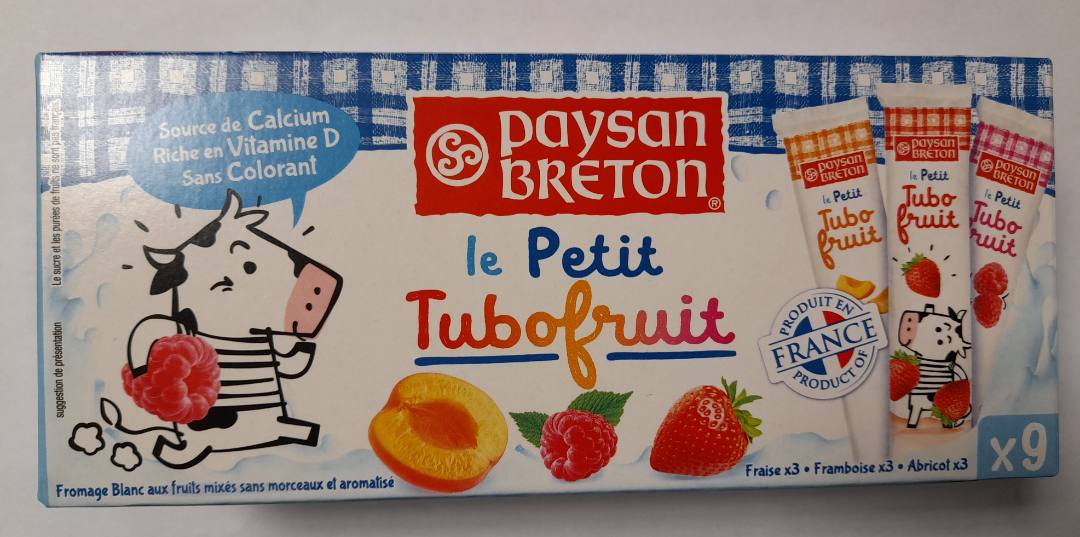
France – Tubofruit x9 – Bacterial Contamination

Gov france

Identification information of the recalled product

  • Product category Feed
  • Product subcategory Milk and dairy products
  • Product brand name Breton peasant
  • Model names or references Tubofruits x9 Paysan Breton
  • Identification of products
    GTIN Batch Date
    3412290007886 see attached product list Use-by date 02/14/2023
    3412290007886 see attached product list Use-by date 08/03/2023
    3412290007886 see attached product list Use-by date 03/21/2023
    3412290007886 see attached product list Use-by date 04/04/2023
    3412290007886 see attached product list Use-by date 04/18/2023
  • Products List traça_signal_conso_022023.pdfAttachment
  • Packaging Cardboard cases
  • Storage temperature Product to be stored in the refrigerator
  • Health mark EN 29.179.090 EC
  • Further information Tubes of white cheeses with fruits x9
  • Geographic area of ​​sale Regions: Guadeloupe, , , , French Guiana, , , , Martinique, , , , Mayotte, , , , Pays-de-la-Loire, , , , Réunion, , , , Overseas territories (tom)
  • Distributors All brands

Practical information regarding the recall

  • Reason for recall Precautionary measure due to a risk of product alteration that could make it unfit for consumption
  • Risks incurred by the consumer Other biological contaminants
    Organoleptic changes

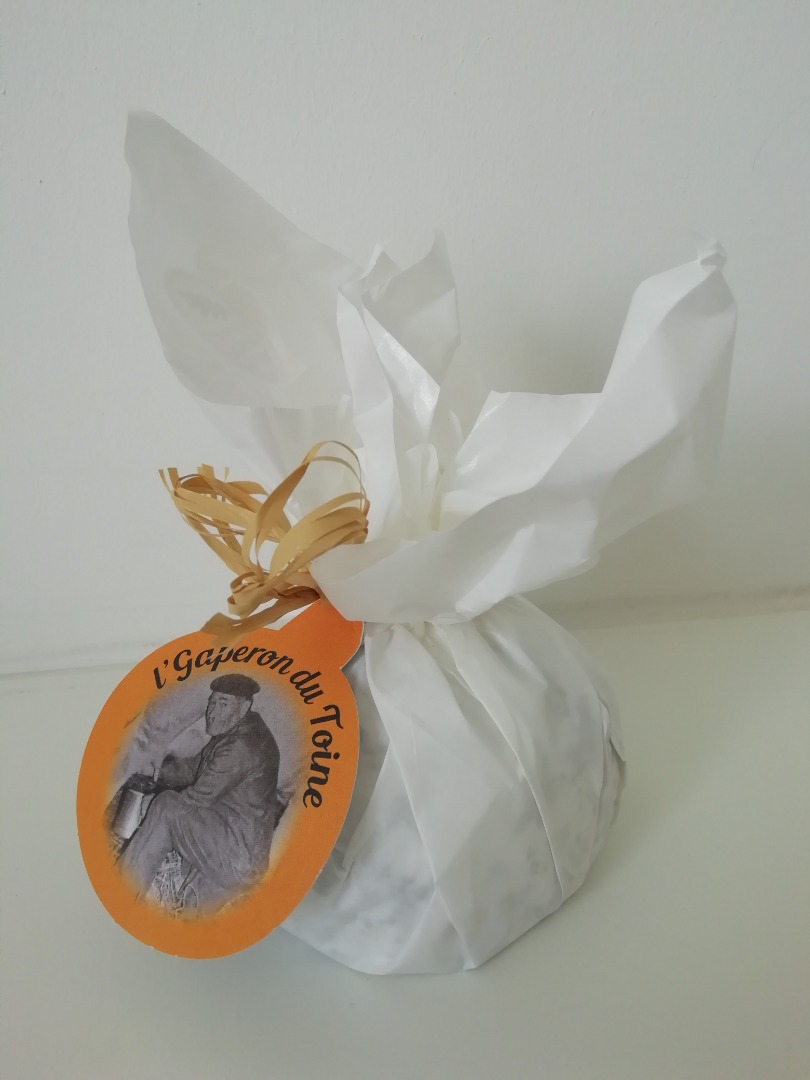
France – Cheese – GAPERON DE TOINE / GAPERON FICELLE DU TOINE -Listeria monocytogenes

Gov france

Identification information of the recalled product

  • Product category Feed
  • Product subcategory Milk and dairy products
  • Product brand name unbranded
  • Model names or references THE GAPERON FICELLE DU TOINE THE GAPERON DU TOINE
  • Identification of products
    GTIN Lot Date
    3760014990946 All lots Use-by date between 06/12/2022 and 23/03/2023
    3760014991127 All lots Use-by date between 26/11/2022 and 22/02/2023
  • Packaging Folding, individual.
  • Marketing start/end date From 11/10/2022 to 06/02/2023
  • Storage temperature Product to be stored in the refrigerator
  • Health mark FR 03 094 002 CE
  • Further information Thermized cow’s milk cheese
  • Geographic area of ​​sale Whole France
  • Distributors HELP

Practical information regarding the recall

  • Reason for recall Presence of Listeria monocytogenes
  • Risks incurred by the consumer Listeria monocytogenes (causative agent of listeriosis)

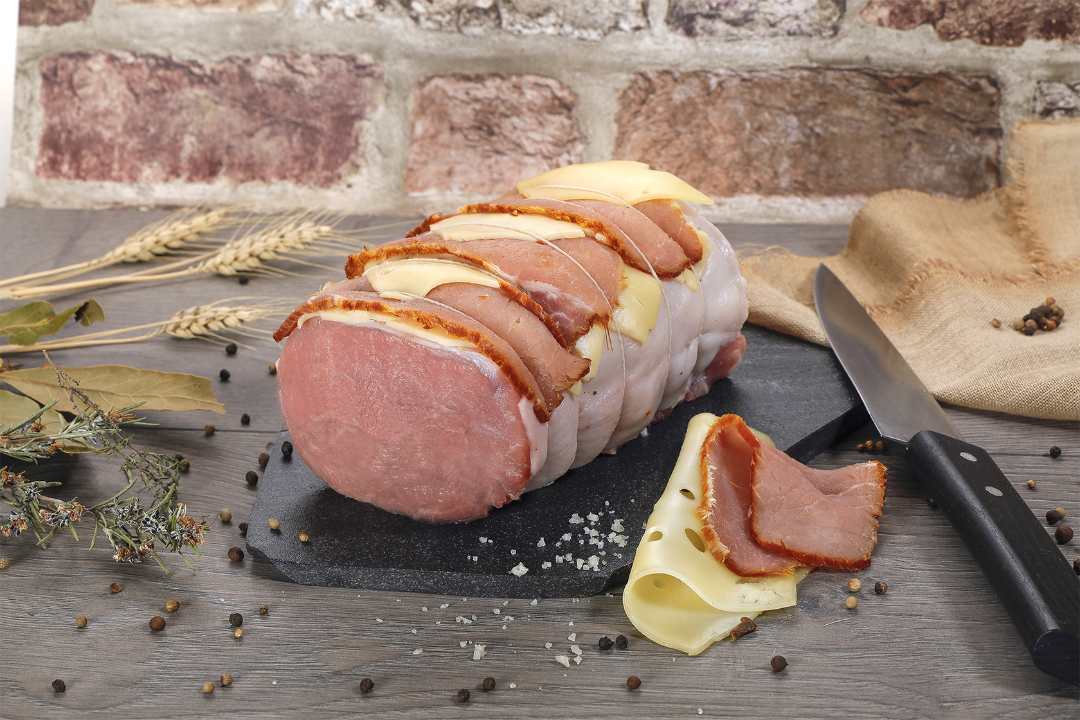
France – Orloff-style roast – Salmonella

Gov france

Identification information of the recalled product

  • Product category Feed
  • Product subcategory Meats
  • Product brand name unbranded
  • Model names or references Orloff-style roast
  • Identification of products
    Date
    Use-by date 02/11/2023
  • Packaging Product sold in the traditional department
  • Marketing start/end date From 02/01/2023 to 02/02/2023
  • Storage temperature Product to be stored in the refrigerator
  • Health mark FR-28-111-020-CE
  • Further information Roast pork elaborated about 4kg. Roast stuffed with slices of Emmental and smoked bacon, covered with slices of Emmental and bacon, all covered.
  • Geographic area of ​​sale Departments: CALVADOS (14), EURE-ET-LOIR (28), LOIR-ET-CHER (41), SARTHE (72), SEINE-ET-MARNE (77), YVELINES (78), ESSONNE (91), VAL -DE-MARNE (94)
  • Distributors Auchan, super U, crossroads, Leclerc and Intermarché
  • List of points of sale DHQUALCP_-_Orloff_TRAD.pdf

Practical information regarding the recall

  • Reason for recall Presence of Salmonella detected

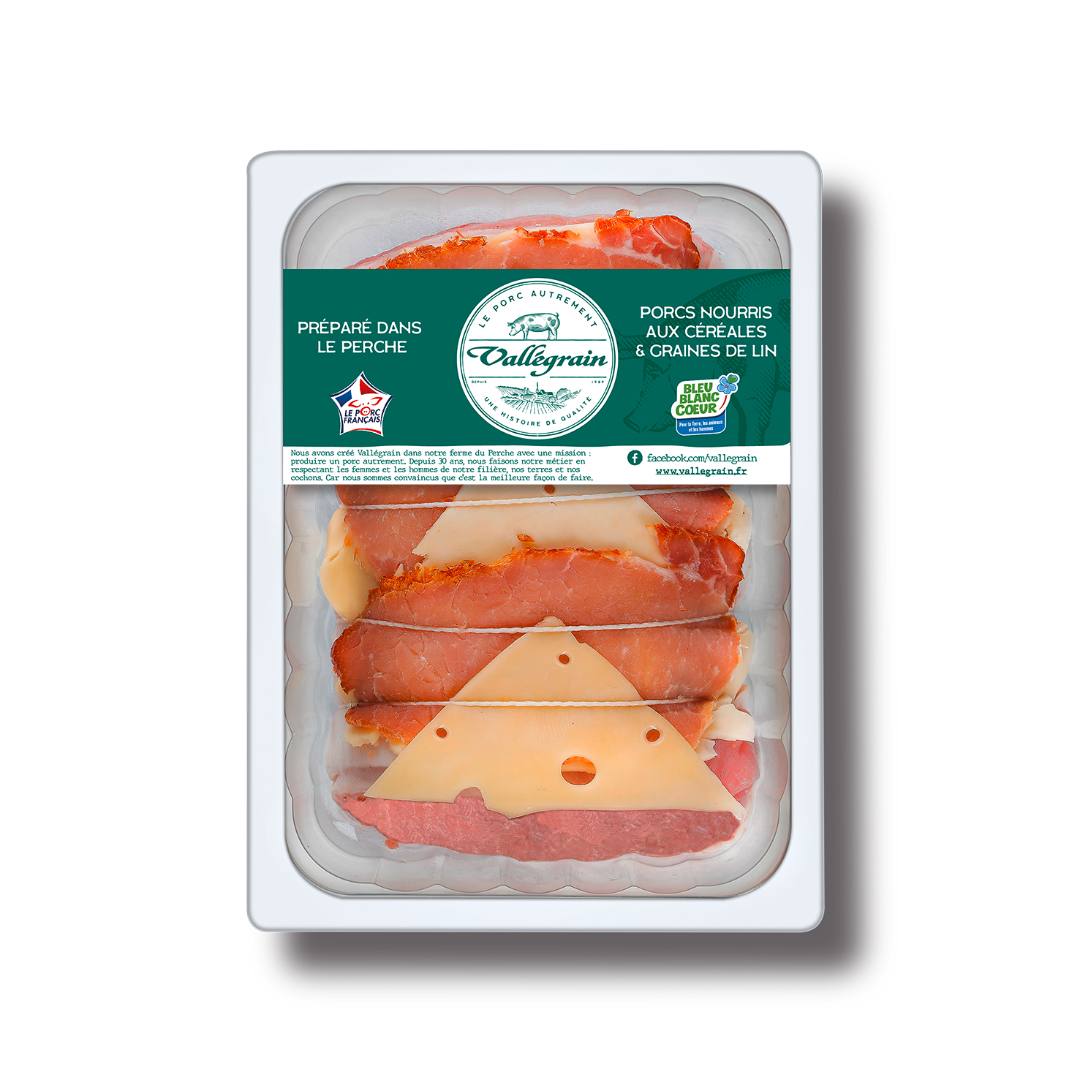
France – Orloff-style roast – Salmonella

Gov france

Identification information of the recalled product

  • Product category Feed
  • Product subcategory Meats
  • Product brand name Vallegrain
  • Model names or references Orloff-style roast
  • Identification of products
    GTIN Lot Date
    3467980061488 2303205601 Use-by date 02/11/2023
  • Packaging Tray under modified atmosphere of about 1kg
  • Marketing start/end date From 02/01/2023 to 02/02/2023
  • Storage temperature Product to be stored in the refrigerator
  • Health mark FR-28-111-020-CE
  • Further information Roast pork elaborated about 1kg. Roast stuffed with slices of Emmental and smoked bacon, covered with slices of Emmental and bacon, all covered.
  • Geographic area of ​​sale Departments: CALVADOS (14), EURE-ET-LOIR (28), ESSONNE (91)
  • Distributors U express and Intermarché
  • List of points of saleDHQUALCP_-_Orloff_LS.pdf

Practical information regarding the recall

  • Reason for recall Presence of Salmonella detected

Research – Exploring Possible Ways to Enhance the Potential and Use of Natural Products through Nanotechnology in the Battle against Biofilms of Foodborne Bacterial Pathogens

MDPI

Abstract

Biofilms enable pathogenic bacteria to survive in unfavorable environments. As biofilm-forming pathogens can cause rapid food spoilage and recurrent infections in humans, especially their presence in the food industry is problematic. Using chemical disinfectants in the food industry to prevent biofilm formation raises serious health concerns. Further, the ability of biofilm-forming bacterial pathogens to tolerate disinfection procedures questions the traditional treatment methods. Thus, there is a dire need for alternative treatment options targeting bacterial pathogens, especially biofilms. As clean-label products without carcinogenic and hazardous potential, natural compounds with growth and biofilm-inhibiting and biofilm-eradicating potentials have gained popularity as natural preservatives in the food industry. However, the use of these natural preservatives in the food industry is restricted by their poor availability, stability during food processing and storage. Also there is a lack of standardization, and unattractive organoleptic qualities. Nanotechnology is one way to get around these limitations and as well as the use of underutilized bioactives. The use of nanotechnology has several advantages including traversing the biofilm matrix, targeted drug delivery, controlled release, and enhanced bioavailability, bioactivity, and stability. The nanoparticles used in fabricating or encapsulating natural products are considered as an appealing antibiofilm strategy since the nanoparticles enhance the activity of the natural products against biofilms of foodborne bacterial pathogens. Hence, this literature review is intended to provide a comprehensive analysis of the current methods in nanotechnology used for natural products delivery (biofabrication, encapsulation, and nanoemulsion) and also discuss the different promising strategies employed in the recent and past to enhance the inhibition and eradication of foodborne bacterial biofilms.

Research – Microbial Dynamics in Mixed-Culture Biofilms of Salmonella Typhimurium and Escherichia coli O157:H7 and Bacteria Surviving Sanitation of Conveyor Belts of Meat Processing Plants

MDPI

Abstract

Biofilm formation can lead to the persistence of Salmonella Typhimurium (ST) and E. coli O157:H7 (O157). This study investigated the impact of meat processing surface bacteria (MPB) on biofilm formation by O157 (non-biofilm former; NF) and ST (strong biofilm former; BF). MPB were recovered from the contacting surfaces (CS), non-contacting surfaces (NCS), and roller surfaces (RS) of a beef plant conveyor belt after sanitation. O157 and ST were co-inoculated with MPB (CO), or after a delay of 48 h (IS), into biofilm reactors containing stainless steel coupons and incubated at 15 °C for up to 144 h. Coupons were withdrawn at various intervals and analyzed by conventional plating and 16S rRNA gene amplicon sequencing. The total bacterial counts in biofilms reached approximately 6.5 log CFU/cm2, regardless of MPB type or development mode. The mean counts for O157 and ST under equivalent conditions mostly did not differ (p > 0.05), except for the IS set at 50 h, where no O157 was recovered. O157 and ST were 1.6 ± 2.1% and 4.7 ± 5.0% (CO) and 1.1 ± 2.2% and 2.0 ± 2.8% (IS) of the final population. Pseudomonas dominated the MPB inocula and biofilms, regardless of MPB type or development mode. Whether or not a pathogen is deemed BF or NF in monoculture, its successful integration into complex multi-species biofilms ultimately depends on the presence of certain other residents within the biofilm.

Research – Prevalence of Foodborne Viruses in Berries Harvested in Canada

MDPI

Abstract

It is known that the transmission of different foodborne viruses can occur either via discharge of contaminated water close to the production environment or via close contact with animal feces. Cranberries are intimately associated with water throughout their production cycle, and blueberries grow close to the ground which could lead to contact with wildlife. The aim of this study was to evaluate the prevalence of human norovirus (HuNoV GI and GII), hepatitis A virus (HAV) and hepatitis E virus (HEV) in two berries produced commercially in Canada. The detection of HuNoV and HAV on RTE cranberries and of HEV on wild blueberries was evaluated using the ISO method 15216-1:2017. Only 3 of 234 cranberry samples tested positive for HuNoV GI (3.6, 7.4, 5.3 genome copies/g, respectively) and all were negative for HuNoV GII and HAV. PMA pre-treatment and sequencing confirmed the absence of potential intact HuNoV GI particles on cranberries. None of the 150 blueberry samples tested positive for HEV. Overall, the prevalence of foodborne viruses in RTE cranberries and wild blueberries harvested in Canada is low, making these products relatively safe for consumers.

USA – J.M. Smucker LLC – FDA Warning Letter

FDA

January 24, 2023

WARNING LETTER 638042

Dear Mr. Smucker:

The U.S. Food and Drug Administration (FDA) and the Kentucky Cabinet for Health and Family Services Food Safety Branch (CHFS-FSB) jointly inspected your manufacturing facility located at 767 Winchester Road, Lexington, KY 40505-3728 from May 19, 2022, through June 9, 2022. The inspection was initiated as part of a multistate foodborne outbreak investigation of Salmonella Senftenberg (S. Senftenberg) illnesses linked to your ready-to-eat (RTE) peanut butter. According to the Centers for Disease Control and Prevention (CDC), 21 people from 17 states were infected with the outbreak strain of S. Senftenberg. On May 20, 2022, your firm recalled all peanut butter manufactured at this facility from October 1, 2021, to May 20, 2022, due to potential contamination with Salmonella.

CDC and FDA have determined, based upon the epidemiologic, laboratory, and traceback evidence, that peanut butter manufactured at your facility was the source of this multistate S. Senftenberg outbreak. Further, the evidence establishes that you introduced adulterated peanut butter into interstate commerce as prohibited by section 301(a) of the Federal Food, Drug, and Cosmetic Act (the Act) [21 U.S.C. § 331(a)].

India – Over 100 Students Fall Sick Due To Suspected Food Poisoning In Karnataka

NDTV

Mangaluru: 

At least 137 nursing and paramedical students fell ill due to suspected food poisoning at a private hostel in Mangaluru’s Shaktinagar on Monday.

The students were rushed to various private hospitals in the city at night.

The students had developed stomach ache, vomiting and diarrhoea since 2 am on Monday.

City police commissioner N Shashi Kumar said that the police are trying to find the reason behind the incident.

“At about 9 pm, around 400-500 people gathered in front of city hospital in the city. Most of them are students and the rest are their family members. Since morning 2 am more than 100 girl students have complained of food poisoning and hospitalised. 137 students were admitted to different hospitals in the city. We are trying to find out the reason,” Shashi Kumar said.

Research – Tackle Foodborne Illness When Ordering Takeout or Delivered Foods

FSIS USDA

The Super Bowl is the biggest and most anticipated sporting event of the year. Friends and families “huddle” and consume foods and snacks for the duration of the game while cheering for their favorite team. This iconic annual event is often celebrated by ordering takeout and delivered foods, which if left out too long, can cause foodborne illness.

Leaving food out at room temperature is a big food safety penalty. Bacteria that can cause foodborne illness will start to grow to dangerous levels in the range of temperatures between 40 F and 140 F when left out for over two hours or one hour if above 90 F. This range of temperatures is called the Danger Zone.

To avoid foodborne illness during the big game, follow this game plan:

  • Keep cold foods cold and hot foods hot. Cold foods should be kept under 40 F on the buffet table by nesting serving dishes of food in bowls of ice. Hot foods should be kept above 140 F. A preheated oven, chafing dishes, preheated warming trays or slow cookers can be used to keep food hot.
  • Don’t serve all food at once. Use small platters and replace them often with fresh refrigerated platters of food, rather than adding fresh food to a serving dish already on the table. Hot foods should be reheated to 165 F as measured with a food thermometer. When reheating in the microwave, cover the food for even heating. Check the temperature of the food in several places with a food thermometer, as some microwaved foods can have cold spots.

For more information, call the USDA Meat and Poultry Hotline at 1-888-MPHotline (1-888-674-6854) or email MPHotline@usda.gov to reach a food safety expert or chat live at ask.usda.gov from 10 a.m. to 6 p.m. Eastern Time, Monday through Friday.