Monthly Archives: January 2023

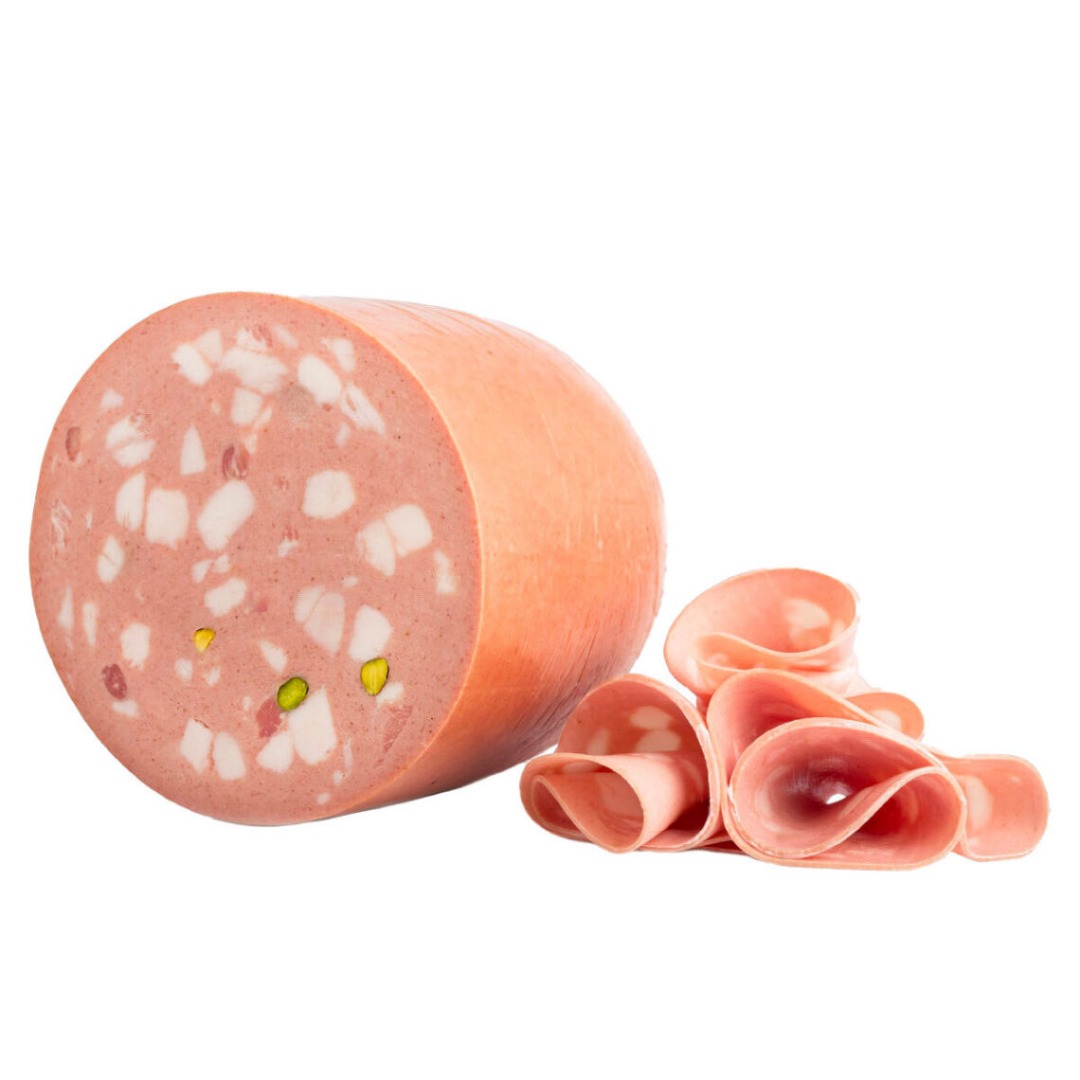
France – MORTADELLA – Listeria monocytogenes

Gov france

Identification information of the recalled product

  • Product category Feed
  • Product subcategory Meats
  • Product brand name_
  • Model names or references Not concerned
  • Identification of products
    GTIN
    2916134061900
  • Packaging Product sold by the cut in the traditional department
  • Marketing start/end date From 17/12/2022 to 23/12/2022
  • Storage temperature Product to be stored in the refrigerator
  • Geographic area of ​​sale Whole France
  • Distributors Not concerned

Practical information regarding the recall

  • Reason for recall Presence of Listeria monocytogenes < 10
  • Risks incurred by the consumer Listeria monocytogenes (causative agent of listeriosis)

Research – USA – Food Safety and Inspection Service (FSIS) 2023–2026 Strategic Plan

FSIS USDA

The Food Safety and Inspection Service (FSIS) is the public health regulatory agency of the U.S. Department of Agriculture (USDA) responsible for ensuring that domestic and imported meat, poultry, and egg products are safe, wholesome, and accurately labeled. Consistent with its role, FSIS’ mission is to protect public health by preventing illness from meat, poultry, and egg products. That mission guides FSIS’ actions—from implementing and enforcing the Acts from which it gets its regulatory authority (Box 1), to incorporating data and science into Agency decision making, and to continuously improving its operations to ensure it functions in the most efficient and effective manner. It is through that mission and the actions guided by it that FSIS works toward its vision that everyone’s food is safe

Thailand – Bangkok kids suffer food poisoning after eating free noodles for Children’s Day

The Thaiger

A group of Bangkok kids suffered food poisoning after eating free noodles on Friday for Children’s Day. Over 10 ambulances rushed to Wat Naknimit School on Soi Suksawat 14, Suksawat road, to help the 30 kids.

One female student said someone had distributed packs of instant noodles fried with crab sticks, sausages, eggs, and cabbage at a table. They later started to feel ill.

Research – IFST Fact Sheet – Safe Heating of Food

IFST

This Food Science Fact Sheet is one of a series compiled by Institute of Food Science and Technology, providing clear, concise and scientifically reliable information on key food science topics for consumers.

Safe Heating of Food – Saving energy and staying safe

Research Breakthrough in fighting Legionnaires’ disease

Eurekalert

A new study of domestic and hospital drinking water systems found Legionella in 41% of samples – with Flinders University researchers making a key connection between the pathogen’s co-existence with a ‘host’ microorganism in all samples tested.

The study found Legionella bacteria “infect the amoeba host and then once inside these hosts are protected from disinfection strategies,” says Flinders University Associate Professor of Environmental Health Harriet Whiley, a co-author of the new journal article in Water Research.

Researchers tested for Legionella and its likely amoebae hosts in 140 samples of water or biofilm (the slime found on showerheads and end of faucets) to understand how the potentially dangerous bacterium colonises and proliferates in both domestic and hospital plumbing and poses a threat to human health.

Research – Protective Bacterial Culture Could Target Foodborne Superbugs

Laboratory Equipment

Key points:

  • Researchers examined the ability of a protective culture—Hafnia alvei B16—in the prevention of infection by Salmonella.
  • According to the findings, Hafnia alvei B16 reduced Salmonella’s ability to invade human intestinal cells by nearly 90%.
  • The study also found differences in gene expression and how the two serovars responded to the protective culture in milk.

A new study published by University of Connecticut researchers builds upon our understanding of the ability of a protective culture called Hafnia alvei B16 to prevent infection by two Salmonella serovars, a grouping within the Salmonella enterica species. The serovars studied are common culprits in foodborne illness outbreaks and are resistant to multiple antibiotics.

Presently, most of the protective cultures on the market target gram-positive bacteria rather than gram-negative ones. gram-positive protective cultures are most effective against gram-positive pathogens, meaning there is a need for effective protective cultures against gram-negative pathogens, like E.coli and Salmonella.

In the study, published in Food Microbiology, the team found the Hafnia alvei worked differently than other protective cultures. Most cultures produce antimicrobial metabolites that stop the growth of competing bacteria. Meanwhile, when Hafnia alvei’s metabolites were added to a pathogenic culture, it didn’t stop their growth as expected. But, when the entire Hafnia alvei bacterium was in the presence of E. coli or Salmonella, it did. This told the team it was inhibiting the pathogen’s growth through some other mechanism.

D’Amico’s lab found that growth in the presence of Hafnia alvei decreased the expression of virulence genes in Salmonella and reduced the pathogen’s ability to invade human intestinal cells by nearly 90%.

The same study found differences in how the serovars responded to the protective culture in milk, which may impede the culture’s ability on a global level.

New Zealand – Check your freezer if you bought Pams frozen berries in the South Island

MPI

Anyone who bought Pams frozen Mixed Berries from 4 specific stores in the South Island is urged to check whether they are part of a batch that has been recalled due to a possible risk of hepatitis A associated with frozen berries sourced from Serbia.

New Zealand Food Safety is supporting Foodstuffs South Island in the recall of a specific batch of Pams brand Mixed Berries with a best before date of 14/08/2024. The product was only available for sale from these stores on Saturday, 14 January 2023.

“Foodstuffs South Island Hornby Distribution Centre, in error, released 478 bags of Pams Mixed Berries following the previous recall on 4 October 2022,” said New Zealand Food Safety (NZFS) deputy director-general Vincent Arbuckle.

Frozen berries recalled as a precaution while investigation into source of Hepatitis A continues

“Foodstuffs South Island has identified and removed most of those bags before consumers were able to buy them. However six bags have already been sold and another four are unaccounted for. So we are urging consumers who bought frozen berries from New World Ashburton, Three Parks New World in Wanaka, Pak‘nSave Hornby and Pak‘nSave Wainoni in Christchurch to check their freezers for the recalled product.

“Consumers, especially those with chronic liver damage, the elderly and pregnant people, should not eat frozen berries raw. Bringing them to the boil will make them safe to eat, or they can be returned to the place of purchase for a full refund.”

If you have consumed any of this product and are concerned for your health, contact your health professional, or call Healthline on 0800 611 116.

Today’s recall affects the following product released in error following the recall on 4 October 2022:

  • pams brand Mixed Berries (500g) with a Best Before of 14/08/2024

The product was potentially available in the following South Island stores:

  • ashburton New World
  • hornby Pak’nSave
  • 3 Parks New World, Wanaka
  • wainoni Pak’nSave, Christchurch

“In the current hepatitis A outbreak, case numbers have steadily declined, and the Ministry of Health reported on 12 January 2023 that there were 3 new cases, bringing the total cases to 35,” Mr Arbuckle said.

“New Zealand Food Safety is disappointed to be informed of this error given the hepatitis A outbreak was under control.  We will investigate this error and ensure Foodstuffs South Island put in place appropriate measures to prevent a reoccurrence.”

Up-to-date details of the recall are available on our food recall page.

New Zealand – Pams Brand Frozen Berries – Hepatitis A

MPI

15 January 2023: Foodstuffs Own Brands Ltd is recalling a specific batch of Pams brand Mixed Berries due to a possible link of Hepatitis A associated with frozen berries sourced from Serbia. The Mixed Berries were released from Foodstuffs South Island Hornby Distribution Centre in error following the recall on 4 October 2022.

4 October 2022: Foodstuffs Own Brands Ltd is recalling all batches and all dates of its Pams brand Mixed Berries, Two Berry Mix, Smoothie Berry Mix, and Raspberries as a precaution due to a possible link of Hepatitis A associated with frozen berries sourced from Serbia.

The product incorrectly released was only available in Foodstuffs (Pak’n Save, Four Square and New World) South Island on 14 January 2023. Product with a best before date of 14/08/2024 is affected by this update however, all products in this notice are subject to the recall below.


Product type

Frozen berries

Name of product (size)

Pams brand Mixed Berries 500g
Pams brand Two Berry Mix 1kg
Pams brand Two Berry Mix 750g
Pams brand Smoothie Berry Mix 500g
Pams brand Raspberries 500g
Pams brand Raspberries 350g

Batch marking

All batches

Date making

All dates

Package size and description

The products are sold in various sizes in plastic bags.

Distribution

The products are imported.

The products are sold at Trents Wholesale and Raeward Fresh stores throughout the South Island and in Pak’n Save, New World and Four Square stores throughout New Zealand.

The products have not been re-exported.

Point of sale notice for retailers

If you are a retailer of the products in this recall, download a copy of the point of sale notice. You need to display it in your store for one month.

Point of sale notice – Foodstuffs Own Brands [PDF, 223 KB]

You can also download and display a copy of the Making berries safe to eat poster, providing guidance to consumers.

Making berries safe to eat poster [PDF, 434 KB]

Consumer advice

New Zealand Food Safety’s advice to consumers is to:

  • Briefly boil frozen berries before eating them, or if you have a thermometer at home, ensure cooking temperatures exceed 85 degrees Celsius for 1 minute. Heated berries can be safely refrozen for later use.
  • If you microwave berries, you should stir half-way through the cooking process to make sure they are cooked through. Microwave’s settings will vary, the important thing is to ensure the berries reach boiling.
  • Wash your hands before eating and preparing food.

Until and unless a definitive source is identified, this advice applies to all frozen berry products.

There have been reports of illness in New Zealand. If you have consumed any of these products and have any concerns about your health, seek medical advice.

Alternatively, customers can return the products to their retailer for a full refund.

Hepatitis A update

Information on the cases is available through the following link to the Ministry of Health website.

Hepatitis A and frozen berries − Ministry of Health  

Who to contact

If you have questions, contact Foodstuffs Own Brands Ltd:

  • Phone: 0800 24 51 14
  • Address: 35 Landing Drive, Mangere, Auckland.

France – Hepatitis A – Information

Sante Publique

The hepatitis A virus is most often transmitted by the hands, or by ingesting food or water contaminated with feces. Its prevention is based on hygiene and vaccination.

Our missions

  • Monitor the epidemiological evolution of hepatitis A
  • Quickly detect clusters or outbreaks
  • Allow to adapt preventive measures 
  • Inform healthcare professionals

Videos, infographics, key figures, expert interviews… find here the latest news and key information on hepatitis A at the link above

Hong Kong – Trade instructed to suspend importing and selling raw oysters harvested in area 56.09.3 Rivière de Crac’h-Les Presses in France – Norovirus

CFS

The Centre for Food Safety (CFS) of the Food and Environmental Hygiene Department today (January 13) instructed the trade to suspend the import of raw oysters harvested in area 56.09.3 Rivière de Crac’h-Les Presses in France. The trade should also stop using or selling the product concerned immediately should they possess it.

A spokesman for the CFS said, “The CFS received notifications from the Rapid Alert System for Food and Feed of the European Commission that ready-to-eat raw oysters harvested in area 56.09.3 Rivière de Crac’h-Les Presses in France were detected with norovirus and the area concerned was closed. Preliminary investigation by the CFS found that, a local importer, M&C Asia Limited, had imported the affected raw oysters. For the sake of prudence, the CFS has immediately suspended the import into and sale within Hong Kong of raw oysters harvested in the area concerned, and instructed the importer to stop sale and remove from shelves the affected oysters.”

The spokesman said that preliminary investigation by the CFS found that 9.5 kilograms of the affected oysters had been imported by the importer concerned. Some were distributed to a restaurant and were consumed, while the remaining oysters were destroyed. The trade should also stop selling other products from the affected area if they possess them.

The spokesman pointed out that as oysters feed by filtering a large volume of seawater, pathogens can accumulate in them if they are grown in or harvested from contaminated water. Raw or partially cooked oysters are high-risk foods. Susceptible groups, such as pregnant women, young children, the elderly and people with weakened immune systems or liver diseases, should avoid eating raw oysters.

The CFS will inform the French authorities and will also notify the local trade. It will continue to follow up on the incident and take appropriate action to safeguard food safety and public health. An investigation is ongoing.