Monthly Archives: March 2022

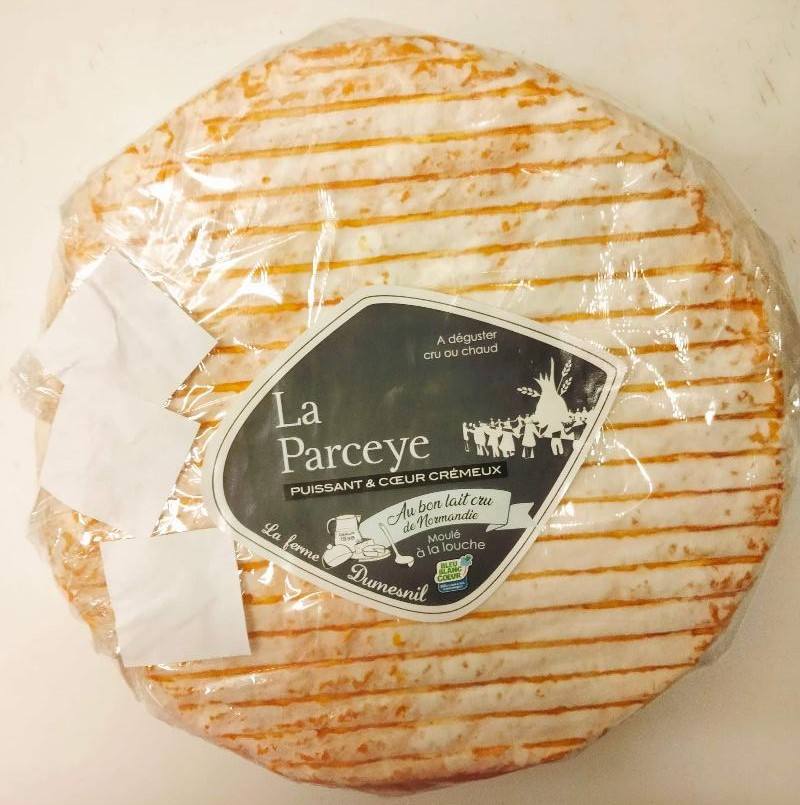
France – La Parceye – Raw Milk Cheese -Salmonella

Gov france

Identification information of the recalled product

  • Product category Food
  • Product subcategory Milk and dairy products
  • Product brand name THE FARM DUMESNIL
  • Model names or references La Parceye, powerful & creamy heart, with raw milk from Normandy
  • Identification of products
    GTIN Lot Date
    0656272158231 py250122 Use-by date 04/15/2022
  • Packaging Whole cheese wrapped in food wrap
  • Marketing start/end date From 07/02/2022 to 02/03/2022
  • Storage temperature Product to be stored in the refrigerator
  • Health mark FR 76,658,003 CE
  • Geographic area of ​​sale Regions: Normandy
  • Distributors See table List of points of sale below
  • List of points of saleTRACABILITE_PARCEYE_du_25.01.22.pdf

Practical information regarding the recall

  • Reason for recall presence of Salmonella
  • Risks incurred by the consumer Salmonella spp (causative agent of salmonellosis)

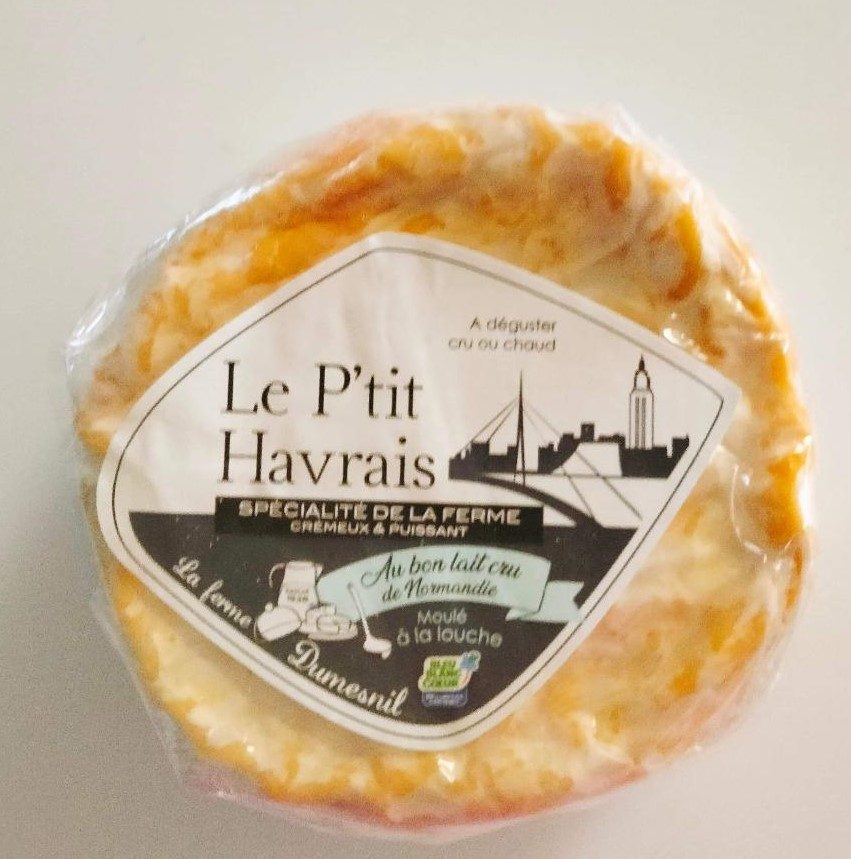
France- Le P’tit Havrais – Raw Milk Cheese – Salmonella

Gov france

Identification information of the recalled product

  • Product category Food
  • Product subcategory Milk and dairy products
  • Product brand name THE FARM DUMESNIL
  • Model names or references Le P’tit Havrais, specialty of the farm, powerful & creamy heart, with raw milk from Normandy
  • Identification of products
    GTIN Lot Date
    0656272139568 pth250122 ou gh250122 Use-by date 03/26/2022
  • Packaging Whole cheese wrapped in food wrap
  • Marketing start/end date From 08/02/2022 to 10/02/2022
  • Storage temperature Product to be stored in the refrigerator
  • Health mark FR 76,658,003 CE
  • Geographic area of ​​sale Regions: Normandy
  • Distributors See table List of points of sale below
  • List of points of saleTRACABILITE_P_TIT_HAVRAIS_du_25.01.22.pdf

Practical information regarding the recall

  • Reason for recall presence of Salmonella
  • Risks incurred by the consumer Salmonella spp (causative agent of salmonellosis)

Australia – Sliced Ham – Listeria monocytogenes

FSANZ

​Date published: 10 March 2022

Product information

Uncle’s Smallgoods is conducting a recall of sliced ham. The product has been available for sale at independent and specialty grocery stores, butchers and IGAs in Victoria.

Date markings

Best Before: 23 MAR 22

Problem

The recall is due to microbial contamination (listeria monocytogenes).

Food safety hazard

Food products contaminated with (listeria monocytogenes) may cause illness. Listeria monocytogenes may cause illness in pregnant women and their unborn babies, the elderly and people with low immune systems.

Country of origin

Australia

What to do​

Consumers should not eat this product. Any consumers concerned about their health should seek medical advice and should return the product to the place of purchase for a full refund.


For further information pl​ease contact:

Uncle’s Smallgoods

03 9793 0135

http://www.unclessmallgoods.com ​

​​Related links:

UK – Sneyd’s Wonderfeeds Ltd recalls pet feed because of the presence of salmonella

FSA

9 March 2022

Sneyd’s Wonderfeeds Ltd is recalling several pet feed products because of the presence of salmonella in one of the ingredients used to manufacture the products listed below.

Product details

Sneyd’s Wonderdog Active Light
Pack size 15Kg
Batch code 57 58
Best before 21 December 2022 06 January 2023
Sneyd’s Wonderdog Special
Pack size 15Kg
Batch code All batches from 1383 through to 1408
Best before All dates from 03 December 2022 up to and including 14 February 2023
Sneyd’s Wonderdog Original
Pack size 15Kg
Batch code All batches from 3239 through to 3264
Best before All dates from 03 December 2022 up to and including 14 February 2023

Risk statement

The presence of salmonella in the products listed above. Salmonella is a bacterium that can cause illness in humans and animals. The products could therefore carry a potential risk, because of the presence of salmonella, either through direct handling of the product, or indirectly, for example from pet feeding bowls, utensils or contact with the faeces of animals.

In humans, symptoms caused by salmonella usually include fever, diarrhoea and abdominal cramps. Infected animals may not necessarily display signs of illness, but symptoms can include diarrhoea.

Action taken by the company

Sneyd’s Wonderfeeds is recalling the above products. Point of sale notices will be displayed in all retail stores that have sold these products. These notices explain to customers why the products are being recalled and tell them what to do if they have bought the products.

Our advice to consumers

(pet owners): If you have bought any of the above products do not use them. Instead contact Sneyd’s Wonderfeeds for further advice: Call 01724 872 448 or email info@wonderdog.co.uk

Research – High-pressure processing: food safety without compromising quality

EFSA

High-pressure processing (HPP) of food is effective at destroying harmful microorganisms and poses no more food safety concerns than other treatments. These are two of the conclusions of a scientific opinion published by EFSA today.

EFSA experts assessed the safety and efficacy of HPP of food and, more specifically, whether it can be used to control Listeria monocytogenes in ready-to-eat (RTE) foods and as an alternative to thermal pasteurisation of raw milk.

HPP is a non-thermal food preservation technique that kills microorganisms that can cause diseases or spoil food. It uses intense pressure for a certain time and has minimal effects on taste, texture, appearance, or nutritional values.

HPP can be used at different steps of the food chain, usually on pre-packed products. It can be applied to raw materials such as milk, fruit juices, and smoothies but also to products that have already been processed, such as sliced cooked meat products and RTE meals. In the latter case, it reduces the contamination originating from the manufacturing environment, for example during slicing and manipulation of the products.

This processing method reduces levels of Listeria monocytogenes in RTE meat products, at specific time-pressure combinations defined in the scientific opinion. In general, the longer the duration and intensity of the pressure, the more reduction is achieved. This is an important finding because L. monocytogenes contamination of RTE foods is a public health concern in the EU. HPP also proved to be effective at decreasing the levels of other pathogens, such as Salmonella and E. coli.

For raw milk, experts identified the time-pressure combinations that can be considered to have the same effect as thermal pasteurisation. These vary depending on the pathogen considered.

HPP is not specifically regulated at EU level and EFSA’s advice will inform the possible decisions of risk managers in this field.

Research – The Importance of Shiga Toxin-Producing Escherichia coli O145:NM[H28]/H28 Infections in Argentina, 1998–2020

MDPI

Shiga toxin-producing Escherichia coli (STEC) is known as a pathogen associated with food-borne diseases. The STEC O145 serogroup has been related with acute watery diarrhea, bloody diarrhea, hemorrhagic colitis, and hemolytic uremic syndrome (HUS). Argentina has the highest rate of HUS worldwide with 70% of the cases associated with STEC infections. We aimed to describe the epidemiology and genetic diversity of STEC O145 strains isolated across Argentina between 1998–2020. The strains isolated from 543 cases of human disease and four cattle, were pheno-genotipically characterized. Sequencing of five strains was performed. The strains were serotyped as O145:NM[H28]/H28, O145:H25, and O145:HNT, and mainly characterized as O145:NM[H28]/stx2a/eae/ehxA (98.1%). The results obtained by sequencing were consistent with those obtained by traditional methods and additional genes involved in different mechanisms of the pathogen were observed. In this study, we confirmed that STEC O145 strains are the second serogroup after O157 and represent 20.3% of HUS cases in Argentina. The frequency of STEC O145 and other significant serogroups is of utmost importance for public health in the country. This study encourages the improvement of the surveillance system to prevent severe cases of human disease. View Full-Text

Research – Biocontrol Approaches against Escherichia coli O157:H7 in Foods

MDPI

Shiga-toxin-producing Escherichia coli O157:H7 is a well-known water- and food-borne zoonotic pathogen that can cause gastroenteritis in humans. It threatens the health of millions of people each year; several outbreaks of E. coli O157:H7 infections have been linked to the consumption of contaminated plant foods (e.g., lettuce, spinach, tomato, and fresh fruits) and beef-based products. To control E. coli O157:H7 in foods, several physical (e.g., irradiation, pasteurization, pulsed electric field, and high-pressure processing) and chemical (e.g., using peroxyacetic acid; chlorine dioxide; sodium hypochlorite; and organic acids, such as acetic, lactic, and citric) methods have been widely used. Although the methods are quite effective, they are not applicable to all foods and carry intrinsic disadvantages (alteration of sensory properties, toxicity, etc.). Therefore, the development of safe and effective alternative methods has gained increased attention recently. Biocontrol agents, including bacteriophages, probiotics, antagonistic bacteria, plant-derived natural compounds, bacteriocins, endolysins, and enzymes, are rapidly emerging as effective, selective, relatively safe for human consumption, and environmentally friendly alternatives. This paper summarizes advances in the application of biocontrol agents for E. coli O157:H7 control in foods. View Full-Text

Research – Fruit Juice Spoilage by Alicyclobacillus: Detection and Control Methods—A Comprehensive Review

MDPI

Fruit juices have an important place in humans’ healthy diet. They are considered to be shelf stable products due to their low pH that prevents the growth of most bacteria. However thermo-acidophilic endospore forming bacteria of the genus Alicyclobacillus have the potential to cause spoilage of commercially pasteurized fruit juices. The flat sour type spoilage, with absence of gas production but presence of chemical taint compounds (mostly guaiacol) and the ability of Alicyclobacillus spores to survive after pasteurization and germinate under favorable conditions make them a major concern for the fruit juice industry worldwide. Their special characteristics and presence in the fruit juice industry has resulted in the development of many isolation and identification methods based on cell detection (plating methods, ELISA, flow cytometry), nucleic acid analysis (PCR, RAPD-PCR, ERIC-PCR, DGGE-PCR, RT-PCR, RFLP-PCR, IMS-PCR, qPCR, and 16S rRNA sequencing) and measurement of their metabolites (HPLC, GC, GC-MS, GC-O, GC-SPME, Electronic nose, and FTIR). Early detection is a big challenge that can reduce economic loss in the industry while the development of control methods targeting the inactivation of Alicyclobacillus is of paramount importance as well. This review includes a discussion of the various chemical (oxidants, natural compounds of microbial, animal and plant origin), physical (thermal pasteurization), and non-thermal (High Hydrostatic Pressure, High Pressure Homogenization, ultrasound, microwaves, UV-C light, irradiation, ohmic heating and Pulse Electric Field) treatments to control Alicyclobacillus growth in order to ensure the quality and the extended shelf life of fruit juices.

Research – Antimicrobial effect of chitosan and extracellular metabolites of Pediococcus pentosaceus CM175 against Salmonella Typhimurium and Escherichia coli O157:H7

Wiley Online

Foodborne illness outbreaks caused by consuming cantaloupe melon contaminated with Salmonella spp. and Escherichia coli O157:H7 are recurrent. The objective of this work was to investigate the antimicrobial effect of the combination of chitosan (Q) and extracellular metabolites of Pediococcus pentosaceus CM175 (EmPp) on the surface of cantaloupe against E. coli O157:H7 and Salmonella Typhimurium. The minimum inhibitory and bactericide concentrations (MIC and MBC) of Q and EmPp were determined by the method of microdilution in broth and viability in plate, respectively. The antimicrobial effect derived from the combination of Q and EmPp was evaluated using the chessboard technique. The antimicrobial activity of the different treatments in cantaloupe was performed employing plate counting. The viability and membrane integrity of S. Typhimurium and E. coli O157:H7 after treatments application were observed by fluorescence microscopy. The results showed that MIC and MBC of Q against S. Typhimurium were 0.1% and 0.7%, respectively; 0.004% and 0.03% for E. coli O157:H7, respectively; for EmPp, MIC was 8.0% and MBC was 10% for both bacteria. The combination of 0.1% Q and 6.6% EmPp against S. Typhimurium and 0.01% Q and 5.0% EmPp against E. coli O157:H7 showed an additive effect. The highest reductions of S. Typhimurium and E. coli O157:H7 in cantaloupe were exerted by the combinations of 0.1% Q with 6.6% EmPp and 0.01% Q with 5.0% EmPp, respectively. These results show that combination of Q and EmPp could be an effective and promising alternative against the tested pathogens.

Finland – Finland on alert after Yersinia outbreak reports

Food Safety News

National public health officials in Finland are monitoring the situation following local reports of Yersinia outbreaks.

Two outbreaks of Yersinia enterocolitica serotype O:3 have been reported to the Finnish Institute for Health and Welfare (THL) in recent weeks from the South Savo and Helsinki-Uusimaa regions.

Another suspected outbreak has been recorded in the Pirkanmaa region but patient samples have not been serotyped. People fell sick between early and mid-February.

A total of 39 cases were noted in all of Finland in February 2022, which is less than the 55 infections in February 2021.

In February 2022, five cases of Yersinia enterocolitica from South Savo were reported to the Infectious Diseases Register, which is run by THL, while from 2019 to 2021 there were no illnesses at the same time.