Monthly Archives: March 2022

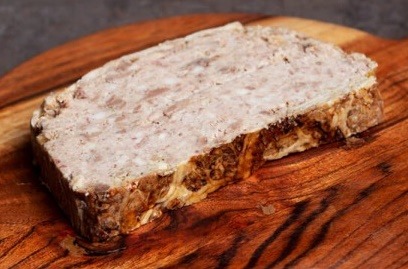
France – Country pâté CABROL – Listeria monocytogenes

Gov france

Identification information of the recalled product

  • Product category Food
  • Product subcategory Meats
  • Product brand name CABROL
  • Model names or references Product sold between 03/7/2022 and 03/12/2022 in the traditional department.
  • Identification of products
    GTIN Lot Dated
    3573432049346 53 Use-by date 03/29/2022
  • Products List country_paste.pdf Attachment
  • Packaging On demand
  • Marketing start/end date From 07/03/2022 to 12/03/2022
  • Storage temperature Product to be stored in the refrigerator
  • Health mark lot 53
  • Further information Product purchased from the cut section / traditional sale between 7/03/2022 and 12/03/2022
  • Geographic area of ​​sale Whole France
  • Distributors LECLERC BEZIERS MONTIMARAN

Practical information regarding the recall

  • Reason for recall Presence of listeria
  • Risks incurred by the consumer Listeria monocytogenes (causative agent of listeriosis)

Research – Biofilm through the Looking Glass: A Microbial Food Safety Perspective

MDPI

Food-processing facilities harbor a wide diversity of microorganisms that persist and interact in multispecies biofilms, which could provide an ecological niche for pathogens to better colonize and gain tolerance against sanitization. Biofilm formation by foodborne pathogens is a serious threat to food safety and public health. Biofilms are formed in an environment through synergistic interactions within the microbial community through mutual adaptive response to their long-term coexistence. Mixed-species biofilms are more tolerant to sanitizers than single-species biofilms or their planktonic equivalents. Hence, there is a need to explore how multispecies biofilms help in protecting the foodborne pathogen from common sanitizers and disseminate biofilm cells from hotspots and contaminate food products. This knowledge will help in designing microbial interventions to mitigate foodborne pathogens in the processing environment. As the global need for safe, high-quality, and nutritious food increases, it is vital to study foodborne pathogen behavior and engineer new interventions that safeguard food from contamination with pathogens. This review focuses on the potential food safety issues associated with biofilms in the food-processing environment. View Full-Text

Australia – Don’t take a risk with food safety during and after floods (4 March 2022)

Food Safety Council

Following extensive flooding in eastern Australia the Food Safety Information Council is warning people not to take food safety risks during and after flood.

Lydia Buchtmann, the Council’s Communication Director, said that floodwater can be contaminated with sewage, agricultural and industrial waste, and other substances that can cause illness so there is a danger that any food, surfaces and cooking utensils that have come into contact with floodwater might be contaminated.

‘Spills and sewage discharges can also contaminate water supplies and food gardens. If in doubt throw out any food that might not be safe to eat and follow these simple steps:

  1. Throw out food that has come into contact with floodwater or has an unusual odour, colour or texture. Do not taste or cook it.
  2. Check canned and unopened bottled food and throw out any cans that are dented, swollen or damaged. For cans that appear useable remove the label and thoroughly wash the outside of the can with drinking-quality water, sanitise the can in bleach for 1 minute, then rinse in drinking-quality water re-label the can with a waterproof pen.
  3. Carefully check dishes, pots, pans, cutlery and kitchen equipment that might have been in contact with floodwater. Throw away damaged or cracked items, items made from porous material such as wood, plastic or rubber including wooden chopping boards as they cannot be adequately sanitised.
  4. Wash utensils and surfaces in hot, soapy, drinking-quality water. Take apart and clean the non-electrical pieces of any kitchen equipment that can be safety taken apart and then rinse in clean, hot water.
  5. Sanitise silverware, metal utensils, pots, pans and kitchen equipment in pieces by boiling in water for 10 minutes. Sanitise dishes by immersing glass, porcelain, china and enamel-ware for 10 minutes in a disinfecting solution of 1 tablespoon of chlorine bleach per 2 litres of warm water. Clean cupboards and counters with hot soapy water then rinse with a chlorine bleach solution before storing dishes or food.
  6. Air dry items because towels might have been splashed with contaminated water.
  7. Commercial and most domestic dishwashers are capable of sanitising all eating and cooking utensils as part of their normal cycle
  8. Vegetable gardens can take a month to become suitable for harvest after flood or sewage discharge. Discard all leafy green produce or damaged vine or dropped tree fruits. After 1 month, wash other vegetables then sanitise in a weak bleach solution of 1 tablespoons bleach to 2 litres of water. Then rinse in drinking-quality water, peel and use.

‘Finally, after a flood tap water and private water supplies such as from tanks, wells and bores sometimes might not be safe to drink and use for cooking and cleaning so monitor public announcements and those from the local water supplier to know if tap water is safe to use. If the water is unsafe, use only bottled, boiled or treated water – in that order of preference – for drinking, cooking or preparing food, washing utensils and surfaces, brushing teeth, hand washing, making ice, and bathing, Ms Buchtmann concluded.

India – 42 students affected by food poisoning at Kurnool school

Deccan Chronicle

ANANTAPUR: Some 42 students of the government school in the Viswanagar area of Nandyal town in Kurnool district fell sick after having their mid-day meal at the school premises on Friday.

There was contamination of food as spoilt eggs were used in cooking, which caused food poisoning. Soon after the students started vomiting in the school, they were taken to the government hospital at Nandyal town.

Some 92 children were studying at the government school in Viswanagar locality of Nandyal municipality. The students were served the mid-day meal consisting of rice, asparagus, boiled egg and chickpea as part of the Friday menu fixed by the state government.

Soon after having their lunch, the students went to their classrooms. Many of them soon complained of stomach pain and started vomiting.

About 50 students with sensation of vomiting were shifted to the hospital and a team of doctors treated them. Nandyal hospital superintendent Dr.Vijayakumar said contamination of food was the cause. “All are being provided necessary medical aid. The students are safe,” he said.

Luxembourg – Aflatoxins – AFROASE BRAND “WHOLE EGUSI” WHOLE MELON SEEDS

SAP

The Luxembourg food safety authorities are recalling the following product:

name Whole Egusi
Mark Afroasis
Unity 250g
bar code 8719497394456
Date of minimum durability (MDD) 20/12/2022
Lot WE56.21/279

Danger  : Too high aflatoxin content

Aflatoxins are mycotoxins produced by certain species of Aspergillus molds which develop when the temperature and humidity level of the food is high. Aflatoxins are considered genotoxic and carcinogenic by the European Food Safety Authority and can be dangerous with high and repeated consumption.

USA – FDA Investigation of Cronobacter Infections: Powdered Infant Formula (February 2022)

FDA

If you want to check if your powdered formula is part of the recall, you can enter the product lot code on the bottom of your package on the company’s websiteExternal Link Disclaimer.

If you have questions or need information about the recall, you can Submit Questions/Get Assistance.

If your infant is experiencing symptoms related to Cronobacter infection, such as poor feeding, irritability, temperature changes, jaundice, grunting breaths, or abnormal movements; contact your health care provider to report their symptoms and receive immediate care.

To report an illness or adverse event, you can

The FDA, along with CDC and state and local partners are investigating consumer complaints and/or reports of infant illness related to products from Abbott Nutrition’s Sturgis, MI facility. All of the ill patients are reported to have consumed powdered infant formula produced from Abbott Nutrition’s Sturgis, MI facility.

To provide clarity about which products are included in the Abbott Nutrition recall, FDA is publishing a full list of recalled brands  that have been included in the initial and expanded recall. Recalled products should no longer be available for sale, but if consumers have these products in their homes, they should check the lot code on the bottom of the package to determine if it is included in the recall.

The FDA is also providing additional information for parents and caregivers  of infants receiving medical specialty infant formula and individuals using certain medical foods.

We understand that infant formula is the sole source of nutrition for many infants and is an essential product. FDA is continuing to work with Abbott Nutrition to better assess the impacts of the recall and understand production capacity at other Abbott facilities that produce some of the impacted brands. We are also working with Abbott Nutrition on safe resumption of production at the Sturgis, MI facility. FDA is continuing to investigate and will update this advisory should additional consumer safety information become available.

Recommendation

The FDA is advising consumers not to use recalled Similac, Alimentum, or EleCare powdered infant formulas. Recalled products can be identified by the 7 to 9 digit code and expiration date on the bottom of the package (see image below). Products are included in the recall if they have all three items below:

  • the first two digits of the code are 22 through 37 and
  • the code on the container contains K8, SH, or Z2, and
  • the expiration date is 4-1-2022 (APR 2022) or later.

In addition to products described above, Abbott Nutrition has recalled Similac PM 60/40 with a lot code 27032K80 (can) / 27032K800 (case). At this time, Similac PM 60/40 with lot code 27032K80 (can) / 27032K800 (case) is the only type and lot of this specialty formula being recalled. Additional recall information for the initial recall is available on the FDA website. Parents can also enter their product lot code on the company’s websiteExternal Link Disclaimer to check if it is part of the recall.

Additional information for parents and caregivers of infants receiving medical specialty infant formulas and individuals using certain medical foods is available below.

Additional Information for Parents and Caregivers:

The recalls do not include liquid formula products.

Parents and caregivers should never dilute infant formula and should not make or feed homemade infant formula to infants. Consumers should also avoid purchasing imported formula through online sales, as it has the potential to be counterfeit.

If your regular formula is not available, contact your child’s healthcare provider for recommendations on changing feeding practices.

If you get infant formula through WIC, do not throw the formula out. Instead, you should take it to the store for a refund and exchange or call the company at 1-800-986-8540 to help you. WIC recipients should be able to obtain a different brand of similar formula. Call your local WIC clinic for more guidance. Also see:

More information on Cronobacter and infant formula is available on CDC’s website.

Recalled powdered infant formulas have the potential to be contaminated with Cronobacter, a bacterium that can cause severe foodborne illness primarily in infants. Cronobacter infections are rare but are especially high risk for newborn infants (see symptoms below).

Cronobacter bacteria can cause severe, life-threatening infections (sepsis) or meningitis (an inflammation of the membranes that protect the brain and spine). Symptoms of sepsis and meningitis may include poor feeding, irritability, temperature changes, jaundice (yellow skin and whites of the eyes), grunting breaths, and abnormal movements. Cronobacter infection may also cause bowel damage and may spread through the blood to other parts of the body.

If your child is experiencing any of these symptoms, you should notify your child’s healthcare provider and seek medical care for your child immediately. Healthcare providers and health departments are encouraged to report any confirmed cases of Cronobacter sakazakii to CDC.

Netherlands – Safety Warning Cocos Nucifera (Coconut Meat) – Salmonella

NVWA

Safety Warning Cocos Nucifera (Coconut Meat)

Importer Mooijer Volendam bv warns against coconut meat. Salmonella was found in the product. Do not eat the product.

Which product is it?

  • COCONUT MEAT / COCONUT MEAT / COCONUT MEAT / COCONUT MEAT, ‘Cocos Nucifera’, bag 250g (frozen)
  • Expiration date: August 2023
  • Barcode Number: 8716789014399

Website Mooijer Volendam bv

Yours sincerely

The Dutch Food and Consumer Product Safety Authority

France- Turkey roll with chorizo -Salmonella

Gov france

Identification information of the recalled product

  • Product category Food
  • Product subcategory Meats
  • Product brand name unbranded
  • Model names or references Turkey roll with chorizo
  • Identification of products
    GTIN Lot Dated
    2870119000000 sold at the traditional butcher’s stand Use-by date 03/11/2022
  • Marketing start/end date From 07/03/2022 to 10/03/2022
  • Storage temperature Product to be stored in the refrigerator
  • Geographic area of ​​sale fagnières
  • Distributors LECLERC-FAGNIERES

Practical information regarding the recall

  • Reason for recall Presence of salmonella
  • Risks incurred by the consumer Salmonella spp (causative agent of salmonellosis)

Research – France – Update on ongoing investigations into serious cases of haemolytic uraemic syndrome (HUS) in children. Reminder of food risk prevention recommendations. STEC E.coli

Sante Publique

Public Health France and the National Reference Center (CNR) Escherichia coli (Institut Pasteur – Paris), with its associated laboratory (Microbiology Laboratory of the Robert Debré Hospital – Paris), are continuing investigations concerning the increase in the number of cases haemolytic uremic syndrome (HUS) and severe Escherichia coli infection, reported since early February 2022.

Update and ongoing investigations

As of March 11, 2022, 26 cases of HUS or serious infection, linked to E. coli bacteria with similar characteristics, have been identified. These cases occurred in 9 regions of metropolitan France: New Aquitaine (6 cases), Hauts-de-France (5 cases), Ile-de-France (4 cases), Pays de la Loire (4 cases), Brittany (3 case), Bourgogne-Franche-Comté (1 case), Grand Est (1 case), Provence-Alpes-Côte-D’azur (1 case) and Auvergne-Rhône-Alpes (1 case). The sick children, aged 1 to 15 years with a median age of 8 years, presented symptoms between 01/18/2022 and 02/23/2022. Two children died. In addition, 22 additional cases are under investigation.

Public Health France, in conjunction with the CNR, the General Directorate for Food, the General Directorate for Competition, Consumption and the Repression of Fraud, and in coordination with the General Directorate for Health, are continuing investigations into all cases of pediatric HUS reported since January 1, 2022 on national territory in order to identify a possible common source of contamination and to put in place appropriate measures (for example withdrawal-recalls of incriminated products). 

At this stage, the epidemiological investigation has not made it possible to incriminate a particular source of contamination. The health authorities are therefore renewing the general recommendations for the prevention of food risks, in particular for children under 16 years of age.

Recommendations to prevent HUS

The E. coli responsible for HUS are present in the intestines of many ruminant animals (cows, calves, goats, sheep, deer, etc.) and are eliminated by the excrement which can then contaminate the environment (water, manure, soil) and foods. These bacteria tolerate cold well (survival in a refrigerator or freezer), but are destroyed by cooking.

The transmission of the bacterium can be avoided by simple gestures, in particular in children under 16 and the elderly:

  • hand washing should be systematic before meal preparation;
  • meats, and especially minced beef, but also minced meat preparations, must be well cooked through (and not pink through the core);
  • raw milk, cheeses made from raw milk and dairy products made from raw milk should not be consumed by children under 5 years of age; prefer cooked pressed cheeses (such as Emmental, Comté, Gruyère, Beaufort), processed cheese spreads and pasteurized milk cheeses;
  • flour-based preparations (pizza/cookie dough/cake/pie, etc.) should not be eaten raw or undercooked;
  • vegetables, salad, fruit and aromatic herbs, in particular those that are going to be eaten raw, must be carefully washed before consumption, after peeling if necessary;
  • raw foods should be kept separate from cooked or ready-to-eat foods;
  • cooked meals and leftover food must be quickly put in the refrigerator and sufficiently reheated and consumed quickly;
  • kitchen utensils (especially when they have previously been in contact with raw food), as well as work surfaces, must be thoroughly washed;
  • children should not drink untreated water (well water, torrent, etc.) and avoid swallowing it when swimming (lake, pond, etc.);
  • finally, it is necessary to avoid the contact of very young children (under 5 years old) with cows, calves, sheep, goats, deer, etc., and their environment; in case of contact with these animals, hand washing must be systematic.

The health authorities, who are monitoring the evolution of the situation on a daily basis, are fully mobilized to identify the source of this contamination and put in place the appropriate health measures as quickly as possible to avoid the occurrence of new cases. 

Germany – Coconut meat “Coconut Meat, Cocos Nucifera”, 250 g – Salmonella

LMW

11714980_1867503_Photo_Art-_2500_Coconut_250g_08-2023_Salmonella.jpg

Alert type:

Food

Date of first publication:

03/13/2022

Product name:

Coconut meat “Coconut Meat, Cocos Nucifera”, 250 g

ooijer Volendam bv NL
Reason for warning:

Detection of Salmonella

Packaging Unit: 250 g
Durability: 08/23
Lot identification: 8716789014399
Further information:

This food warning refers to the identical information from the Dutch authority for food and consumer product safety (NVWA)  ,  § 40 para. 2 sentence 3 LFGB.

salmonella

Salmonella disease manifests itself within a few days after infection with diarrhoea, abdominal pain and occasionally vomiting and a slight fever. The symptoms usually subside on their own after a few days. Babies, small children, senior citizens and people with a weakened immune system in particular can develop more severe illnesses. Anyone who has eaten this food and develops severe or persistent symptoms should seek medical attention and report possible salmonella infection.
It makes no sense to seek preventive medical treatment without symptoms.