
Listeria monocytogenes (910 CFU/g) in chilled beef from Poland in Germany
suspicion of Listeria monocytogenes in organic goat cheese from the Netherlands in Germany
suspicion of Listeria monocytogenes in goat’s cheese from the Netherlands in the UK

Listeria monocytogenes (910 CFU/g) in chilled beef from Poland in Germany
suspicion of Listeria monocytogenes in organic goat cheese from the Netherlands in Germany
suspicion of Listeria monocytogenes in goat’s cheese from the Netherlands in the UK
microbial contamination (yeasts, molds, Staphylococcus aureus) of pyramide cake products and rum balls from Germany in Germany
Salmonella (presence /25g) in dogchews from Poland in Germany
Salmonella (presence /25g) in rapeseed meal from Poland in Germany
Salmonella enterica ser. Agona in rapeseed meal from Belgium in Belgium
Salmonella enterica subspecies I (ssp 1) is the leading cause of hospitalizations and deaths due to known bacterial foodborne pathogens in the United States and is frequently implicated in foodborne disease outbreaks associated with spices and nuts. However, the underlying mechanisms of this association have not been fully elucidated. In this study, we evaluated the influence of storage temperature (4 or 25°C), relative humidity (20 or 60%), and food surface characteristics on the attachment and survival of five individual strains representing S. enterica ssp 1 serovars Typhimurium, Montevideo, Braenderup, Mbandaka, and Enteritidis on raw in-shell black peppercorns, almonds, and hazelnuts. We observed a direct correlation between the food surface roughness and S. enterica ssp 1 attachment, and detected significant inter-strain difference in survival on the shell surface under various storage conditions. A combination of low relative humidity (20%) and ambient storage temperature (25°C) resulted in the most significant reduction of S. enterica on shell surfaces (p < 0.05). To identify genes potentially associated with S. enterica attachment and survival on shell surfaces, we inoculated a library of 120,000 random transposon insertion mutants of an S. Enteritidis strain on almond shells, and screened for mutant survival after 1, 3, 7, and 14 days of storage at 20% relative humidity and 25°C. Mutants in 155 S. Enteritidis genes which are involved in carbohydrate metabolic pathways, aerobic and anaerobic respiration, inner membrane transport, and glutamine synthesis displayed significant selection on almond shells (p < 0.05). Findings of this study suggest that various food attributes, environmental factors, and an unexpectedly complex metabolic and regulatory network in S. enterica ssp 1 collectively contribute to the bacterial attachment and survival on low moisture shell surface, providing new data for the future development of knowledge-based intervention strategies.

Novel foods such as edible insects and food products based on insects could play an important role in both human and animal nutrition in the future. The identification of dangers associated with insect consumption is fundamental to guarantee consumer safety and adequate regulatory guidelines for operators of the food sector. While former studies have focused on the microbiological contamination of fresh or processed edible insects, so far little information is available about the occurrence of foodborne parasites such as Toxoplasma gondii, whose life cycle makes it a candidate for potential insects’ breeding substrate contamination. Hence, we investigated the presence of contaminating T. gondii in farmed edible insects to rule out this further hazard for consumers. Four species of insects most commonly used as food for human consumption were analyzed: Mealworm, African migratory locust, House cricket and Silkworms. Samples included live specimens but also minimally (dehydrated) and highly processed edible insects. Traces of T. gondii DNA were detected in samples of dehydrated mealworm. These results highlight the need for implementing good farming and processing practices with particular care paid to safe storage and handling of feed and substrates used for edible insects to reduce the chance of T. gondii entering the human food chain.
The FDA, along with CDC and state and local partners, investigated a multistate outbreak of Salmonella Stanley infections linked to wood ear mushrooms imported by Wismettac Asian Foods, Inc. of Santa Fe Springs, CA. Wood ear mushrooms are a dried mushroom, also commonly labelled or referred to as Kikurage, Dried Black Fungus, Dried Fungus, or Mu’er/Mu Er/Mu-Err.
Wismettac Asian Foods, Inc. acted quickly upon being notified of the positive test result and recalled all wood ear mushrooms within shelf life on September 23, 2020.
Wood ear mushrooms imported by Wismettac Asian Foods, Inc. were only sold to restaurants and were not available directly to consumers. Although these items have been recalled, restaurants that received recalled products should use extra vigilance in cleaning and sanitizing any surfaces that may have come in contact with the recalled product, to reduce the risk of cross contamination. All recalled product should be thrown out.
November 4, 2020
As of November 4, 2020, the CDC declared that this outbreak is over.
General Food Safety Tips for Dried Mushrooms
Dried mushrooms, that have not been recalled due to potential contamination, should always be reconstituted using boiling water to kill any pathogens. This advice does not apply to recalled products, which should be thrown out.
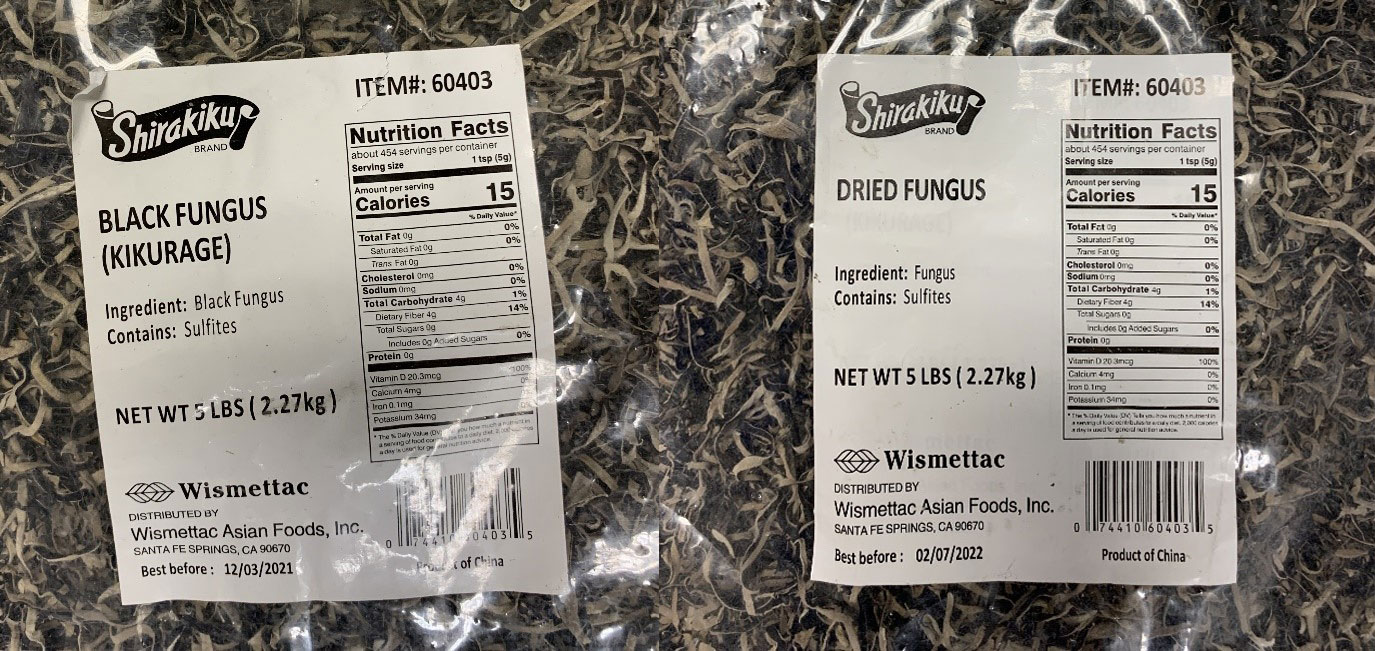
On September 23, 2020, Wismettac Asian Foods, Inc. recalled Shirakiku brand imported dried fungus. This product was labeled as Shirakiku brand Black Fungus (Kikurage) with UPC Code 00074410604305, imported from China. Product was distributed in six packs of five-pound bags to restaurants in AR, CA, CO, CT, DE, DC, FL, GA, HI, IA, IL, IN, LA, MA, MD, MI, MN, MO, MS, NC, NV, NJ, NY, OH, OR, PA, SC, TN, TX, VA, WA, and WI.
Posted in Bacteria, bacterial contamination, FDA, food bourne outbreak, food contamination, food handler, Food Hygiene, Food Illness, Food Inspections, Food Micro Blog, Food Microbiology, Food Microbiology Blog, Food Microbiology Testing, Food Pathogen, Food Poisoning, food recall, Food Safety, Food Safety Alert, Food Testing, foodborne outbreak, foodbourne outbreak, outbreak, Salmonella

Norovirus food poisoning outbreaks in Korea (South) appeared in 2000s and have been increasing since then. We aimed to investigate the epidemiological features of norovirus food poisoning outbreaks in Korea over the past years (2002 ~ 2017), based on official food poisoning statistics and available reports, and to find their association with climate factors. Norovirus was the most common cause of food poisoning among known causative substances in Korea during the study period. More than one-third of the incidents occurred in group meal-service facilities, including school lunch programs. A few of these facilities used groundwater contaminated with noroviruses to wash / cook food, which contributed to outbreaks. Norovirus occurrences showed strong seasonality; cold and relatively dry winter air may help norovirus to flourish. Both norovirus genotypes GI and GII infectious to humans were detected, with GII becoming more prevalent than GI. According to our correlation analysis in connection with climate factors, average temperatures, the highest and lowest temperatures, precipitation, the number of rain days, and humidity showed a significant negative correlation with a monthly norovirus occurrence (p < 0.05). The lowest temperature and average temperature had higher coefficients of correlation, -0.377 and -0.376, respectively. The norovirus outbreaks in Korea showed complex etiological characteristics, although it more prevailed in wintertime, and are now considered as a major public health problem. The use of groundwater in group meal-service settings has a public health impact as well as norovirus concern, therefore groundwater used in food service facilities / business should be treated for safety.
Posted in food bourne outbreak, food contamination, Food Hygiene, Food Illness, Food Inspections, Food Micro Blog, Food Microbiology, Food Microbiology Blog, Food Microbiology Research, Food Microbiology Testing, Food Pathogen, Food Poisoning, Food Safety, Food Virus, foodborne outbreak, foodbourne outbreak, Norovirus, outbreak, Poisoning, Research, Virus

| Last name | Goat cheese log (sold in the self-service cheese stand section) |
| Mark | BETTINE |
| Unit | 150 g |
| Bar code | 3060921463206 |
| Use by date (DLC) | from 28/10/2020 to 22/11/2020 |
| Lot | all |
| Last name | Goat cheese 25% |
| Mark | Centurion |
| Unit | 150/200 g |
| Use by date (DLC) | 11/15/2020 |
| Lot | EG020EGE |
Danger : Potential presence of Listeria monocytogenes
Listeria monocytogenes can cause fever, headache, and gastroenteritis. Vulnerable people such as the immunocompromised and the elderly and young children may experience neurological symptoms due to meningitis. Pregnant women should also pay special attention to these symptoms. Gastroenteritis can appear between a few hours and 3 days after consumption, while neurological symptoms can only appear after 3 months. People who have consumed these products and who present these symptoms are advised to consult a doctor, notifying him of this consumption.
Sale in Luxembourg by: Auchan et Match
A sale by other operators cannot be excluded.

Maine Center for Disease Control and Prevention (Maine CDC) has identified an outbreak of cryptosporidiosis in individuals who consumed unpasteurized/raw milk from Roux Farm in Shapleigh, Maine, within the last two months. Epidemiologists identified at least four individuals who became ill and tested positive for cryptosporidiosis. Anyone who consumed raw milk (regular or any flavor) from Roux Farm produced before October 18, 2020, may be at elevated risk of cryptosporidiosis. Raw milk from the farm was sold through a variety of stores in the state.
Posted in Contaminated water, Cryptosporidiosis, Cryptosporidium, food contamination, Food Hygiene, Food Illness, Food Inspections, Food Micro Blog, Food Microbiology, Food Microbiology Blog, Food Microbiology Testing, Food Pathogen, food recall, Food Safety, Food Safety Alert, Protozoan, Raw Milk, Water, water microbiology, Water Safety
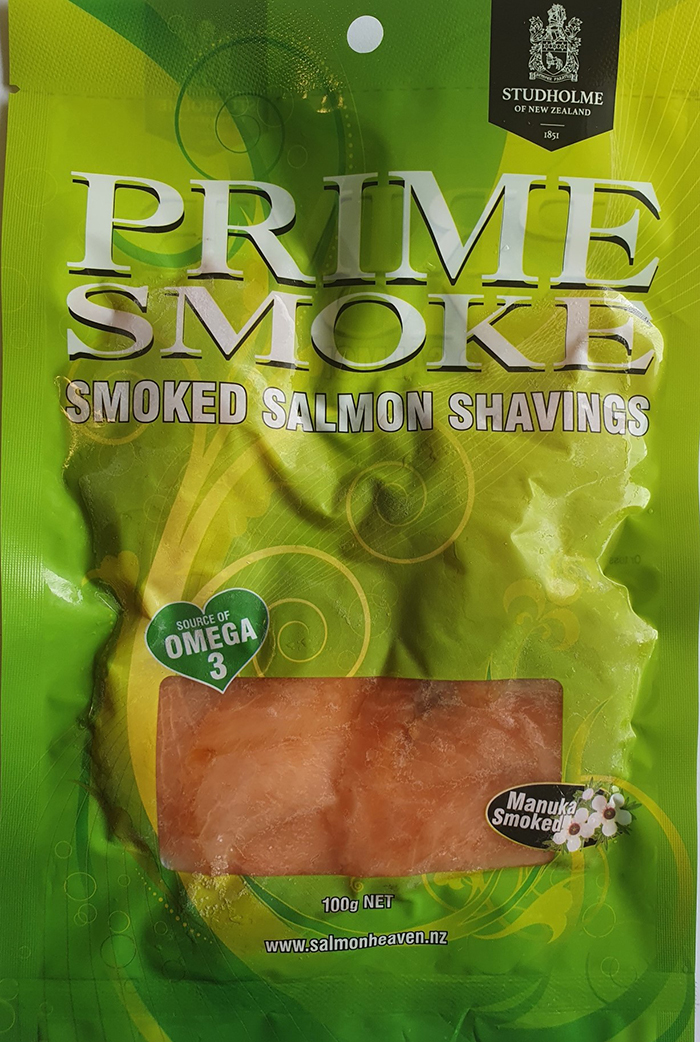
| Product type | Ready-to-eat Smoked fish |
| Name of product (size) | Prime Smoke brand Smoked Salmon Shavings (100g) |
| Batch marking | 13012608F |
| Package size and description | The product is sold in a 100g plastic bag. |
| Distribution | The product is sold at the below supermarkets in the North Island:
Auckland
Waikato
Bay of Plenty
Taranaki
Wellington
The product has not been exported. |
| Notes | This recall does not affect any other Prime Smoke brand products or any other products from Hororata Foods Ltd. |
Customers are asked to check the batch marking printed on the sticker on the back of the packet.
Affected product should not be consumed unless the product is cooked thoroughly (piping hot all the way through). There have been no reports of illness, however, if you have consumed any of this product and have any concerns about your health, seek medical advice.
Customers should return the product to their retailer for a full refund or cook thoroughly (piping hot all the way through).
Information on Listeria and food safety from the Ministry for Primary Industries:
If you have questions, contact Hororata Foods Ltd:

 FoodWorld