Brand : CONSORZIO COOPERATIVE RIUNITE DELLA PESCA MARCEDDI’
Name : ARSELLE CUORE – VONGOLE VERACI MARCEDDI’
Reason for reporting : Recall due to chemical risk
Publication date : 10 June 2024


Brand : CONSORZIO COOPERATIVE RIUNITE DELLA PESCA MARCEDDI’
Name : ARSELLE CUORE – VONGOLE VERACI MARCEDDI’
Reason for reporting : Recall due to chemical risk
Publication date : 10 June 2024
Posted in Algal Toxin, food contamination, food handler, Food Hazard, Food Hygiene, Food Inspections, Food Micro Blog, Food Microbiology, Food Microbiology Blog, Food Microbiology Testing, Food Poisoning, Food Quality, food recall, Food Safety, Food Safety Alert, Food Safety Management, Food Safety Regulations, Food Testing, Food Toxin, Lipophilic Marine Biotoxin, Marine Biotoxin, Shellfish, shellfish toxin
Brand : cirdu
Name : arselle Cuore
Reason for reporting : Recall due to chemical risk
Publication date : 10 June 2024
Posted in Algal Toxin, food contamination, food handler, Food Hazard, Food Hygiene, Food Inspections, Food Micro Blog, Food Microbiology, Food Microbiology Research, Food Microbiology Testing, Food Poisoning, Food Quality, food recall, Food Safety, Food Safety Alert, Food Safety Management, Food Safety Regulations, Food Testing, Food Toxin, Lipophilic Marine Biotoxin, Marine Biotoxin, Shellfish, shellfish toxin
Do not use, sell, serve or distribute the affected product.
JustJuice Organic brand 100% Pure Juice – Pineapple recalled due to mould
Confirmation of the Vibrio cholera 01 Ogawa serotype in an individual in Kathmandu raises the risk of an outbreak during the monsoon season.

Product category
Food
Product subcategory
Meats
Product brand name
Unbranded
Model names or references
Ground beef / ground beef steak
Product identification
GTIN Batch
0212770000000 145 – 2024 – LOCAL
Packaging
Bulk
Start/end date of marketing
From 05/24/2024 to 06/06/2024
Storage temperature
Product to keep in the refrigerator
Geographical sales area
E.Leclerc Creutzwald and surrounding areas
Distributors
E.Leclerc Creutzwald
Posted in food contamination, food handler, Food Hazard, Food Hygiene, Food Inspections, Food Micro Blog, Food Microbiology, Food Microbiology Blog, Food Microbiology Testing, Food Pathogen, Food Quality, food recall, Food Safety, Food Safety Alert, Food Safety Management, Food Safety Regulations, Food Testing, Listeria, Listeria France, Listeria monocytogenes
|
Product |
Recall Number |
Classif ication |
Code Information |
Product Quantity |
Reason for Recall |
|
|---|---|---|---|---|---|---|
| 1 |
F-1300-2024 |
Class II |
4109N1 4110N1 4106N3 4107N3 4108N3 4109N3 4110N3 4116N1 4117N1 4109N4 4110N4 4115N1 |
29,019 Cases (Total all products) |
Potential Salmonella contamination |
|
| 2 |
Panera Oatmeal Raisin with Berries Cookie, Net Wt. 41.25 lb (18.71kg), 220/3 oz cookie dough pucks/case |
F-1301-2024 |
Class II |
4109N1 4110N1 |
29,019 Cases (Total all products) |
Potential Salmonella contamination |
| 3 |
Panera Kitchen Sink Cookie, Net Wt. 45 lb (20.41 kg), 120/6 oz dough pucks/case |
F-1302-2024 |
Class II |
4110N3 |
29,019 Cases (Total all products) |
Potential Salmonella contamination |
| 4 |
Rise Baking Company Cowboy Cookie, Net Wt. 18.75 lb (8.5 kg), 300/ 1.0 oz dough pucks/case |
F-1303-2024 |
Class II |
4117N1 |
29,019 Cases (Total all products) |
Potential Salmonella contamination |
Posted in food recall, product recall, Recall, Salmonella
Costco Frozen Cookie Dough in several flavors, along with Panera Cookie Dough and Rise Baking Company Cookie Dough, are being voluntarily recalled for possible Salmonella contamination. There is no mention about whether or not any illnesses have been reported to the company to date in connection with the consumption of these products, since the recall was posted on the FDA’s Enforcement Reports Page, and not the regular recall page. The recalling firm is Rise Baking Company, doing business as South Coast Baking of Springdale, Arkansas.
Posted in food recall, product recall, Recall, Salmonella
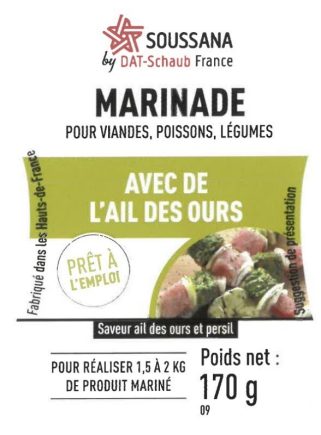
| Name | Marinade with wild garlic |
| Brand | Soussana |
| Unit | 170g |
| Barcode | 3079999328607 |
| DLC/DDM | 05/31/2025 |
| Batch | 248470; 250498 |
Danger : Possible presence of Salmonella
Salmonella can cause symptoms such as nausea, vomiting, abdominal cramps, diarrhea, fever and headache within 6 to 72 hours after consumption. These symptoms may be aggravated in young children, immunocompromised individuals and the elderly. People who have consumed these products and present these symptoms are invited to consult a doctor and report this consumption.
The product can be distributed by different points of sale in Luxembourg.
Posted in food contamination, food handler, Food Hazard, Food Hygiene, Food Inspections, Food Micro Blog, Food Microbiology, Food Microbiology Blog, Food Microbiology Testing, Food Pathogen, Food Quality, food recall, Food Safety, Food Safety Alert, Food Safety Management, Food Safety Regulations, Food Testing, Salmonella
Posted in FDA, FDA Enforcement Report, FDA Warning Letter, Salmonella
| Category 1: | For Action |
| Alert Notification: | 2024.25 |
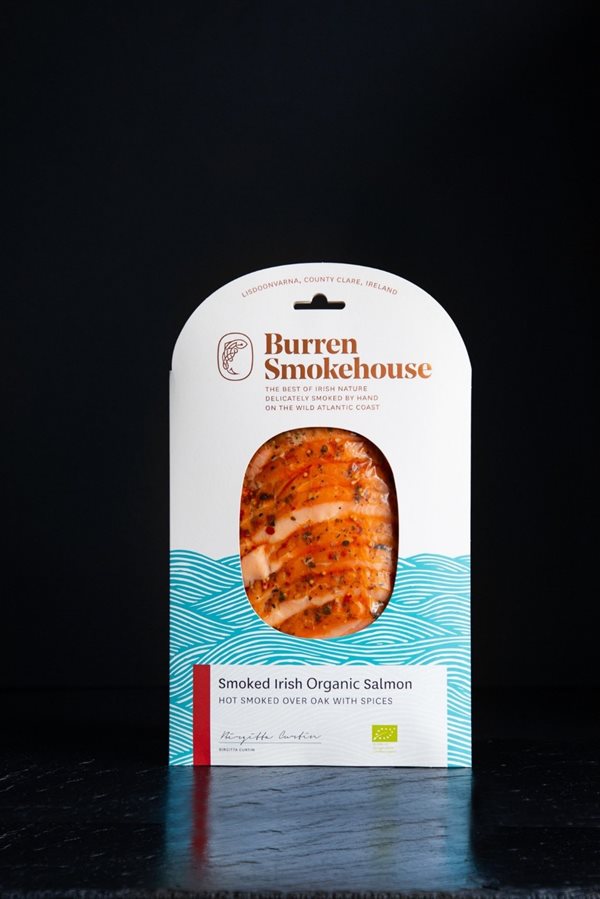
| Product Identification: | Organic Hot smoked salmon Honey Lemon Pepper; pack size:140g Organic Hot smoked salmon Honey Lemon Pepper; pack size:500g Organic Hot smoked salmon Spiced;pack size: 500g |
| Batch Code | Batch code 412421, use-by from 04/06/24 to 24/06/24. |
| Country Of Origin: | Ireland |
Message:
Symptoms of Listeria monocytogenes infection can include mild flu-like symptoms, or gastrointestinal symptoms such as nausea, vomiting and diarrhoea. In rare cases, the infection can be more severe, causing serious complications. Some people are more vulnerable to Listeria monocytogenes infections, including pregnant women, babies, and people with weakened immune systems, including the elderly. The incubation period (time between initial infection and first symptoms appearing) is on average 3 weeks but can range between 3 and 70 days.
Action Required:
Manufacturers, wholesalers, distributors, caterers & retailers:
Retailers are requested to remove the implicated products from sale and display recall notices at point-of-sale.
Wholesalers/distributors are requested to contact their affected customers and recall these products and provide a point-of-sale recall notice to their retailer customers.
Caterers should not use the implicated batch.
Consumers:
Consumers are advised not to eat the implicated products.
Posted in food contamination, food handler, Food Hazard, Food Hygiene, Food Inspections, Food Micro Blog, Food Microbiology, Food Microbiology Blog, Food Microbiology Testing, Food Pathogen, Food Quality, food recall, Food Safety, Food Safety Alert, Food Safety Management, Food Safety Regulations, Food Testing, FSAI, Listeria, Listeria monocytogenes, Listeria Smoked Fish

 FoodWorld