Presence of Salmonella spp in Tuna Flour from Spain in Italy and Greece
Salmonella (in 3 out of 5 samples /25g) in frozen raw dog food from Germany in Austria

Presence of Salmonella spp in Tuna Flour from Spain in Italy and Greece
Salmonella (in 3 out of 5 samples /25g) in frozen raw dog food from Germany in Austria
Posted in Animal Feed, Animal Feed Salmonella, Animal Feed Testing, Food Micro Blog, Food Microbiology Blog, Food Microbiology Testing, microbial contamination, Microbiological Risk Assessment, Microbiology, Microbiology Investigations, Pet Food, Pet Food Testing, RASFF, raw pet food, Salmonella, Salmonella Dog Food

Campylobacter frequently contaminates chicken. Trisodium phosphate (TSP) is used for chicken decontamination; however, reduction of chemical preservatives is desirable. This study analyzed the efficacy of two commercial citrus-based products (CitroSan [CS] and Citrol-K Ultra [CK]) alone and in combination with TSP for reduction of Campylobacter in vitro and in chicken. The minimum bactericidal concentration (MBC) of the preservatives alone or in combination was determined against Campylobacter jejuni. Their ability to reduce bacteria in raw chicken and their effect on the sensorial characteristics of the meat were determined. The MBCs obtained were 0.5 ± 0.04% for TSP, 0.05 ± 0.0006% for CS, and 0.0006 ± 0.0001% for CK. When combined, bactericidal concentrations varied. Following contact with TSP–CS and TSP–CK for 6 hr, C. jejuni was reduced from 106 to <100 CFU/g. Concentrations below those used in industry (2% TSP, 0.3% CS, and 0.05% CK) were added on the raw chicken skin before (B: treated with TSP and then inoculated) and after (A: inoculated and then treated with TSP) inoculation of Campylobacter. TSP (A) reduced C. jejuni by 92.6% after 24 hr, whereas TSP (B) caused a 36% reduction. TSP (A and B) in combination with both CS and CK caused 98.9 and 95.9% reduction, respectively, after 120 hr. The CS–CK combination (without TSP) reduced bacteria to undetectable levels after 48 hr. No significant differences were detected in the sensorial characteristics of treated wings. All the combinations tested, but especially 0.3% TSP + 0.0003% CK represent alternatives to control C. jejuni in chicken and reduce or avoid synthetic preservatives.
Posted in Campylobacter, Campylobacter jejuni, Food Micro Blog, Food Microbiology, Food Microbiology Blog, Food Microbiology Research, Food Microbiology Testing, Food Technology, microbial contamination, Microbiological Risk Assessment, Microbiology, Microbiology Investigations, Research, Technology

Xenos is recalling a number of Italian herb spreaders because salmonella has been found in the basil.
Xenos withdraws the Italian spice spreader (article 818499) with the mentioned best before date from sale. Salmonella was found by our supplier in one of the herbs (the bruschetta herbs), namely in the basil. The bruschetta contains 1% basil, which gives a very small chance of complications. Despite the small chance, we do not want to take any risk for our customers. The presence of salmonella can pose health risks to babies, the elderly and people with weakened immune systems.
We ask customers who have the article with a best before date of 25/02/23 and 25/03/23 not to use it anymore and to return it to one of our 150 stores . A receipt is not necessary and you will receive the purchase amount back. We apologize for any inconvenience.
If you have any questions about this message, please contact Xenos customer service on 088-0274300 .
St. John Creamery of Stanwood, WA, is recalling unpasteurized, raw goat milk because of possible Listeria monocytogenes contamination.
The recall was initiated after routine sampling conducted by the Washington State Department of Agriculture (WSDA) revealed the presence of Listeria monocytogenes in retail raw goat milk dated 100321 — Oct. 3.
There is concern that consumers may have unused portions of the raw milk in their homes because the best-by dates run through Oct. 10. Anyone who has consumed the raw milk or anyone they served it to should monitor themselves for signs of Listeria infection for the next 70 days.
The whole, raw goat milk, which was bottled in half-gallon and one-pint containers, was sold at the on-farm store, directly to private customers via drop groups, and at retail stores in Western Washington.
Posted in food contamination, food handler, Food Hazard, Food Hygiene, Food Inspections, Food Micro Blog, Food Microbiology, Food Microbiology Blog, Food Microbiology Testing, Food Pathogen, food recall, Food Safety, Food Safety Alert, Food Testing, Listeria, Listeria monocytogenes, Raw Milk, raw milk cheese
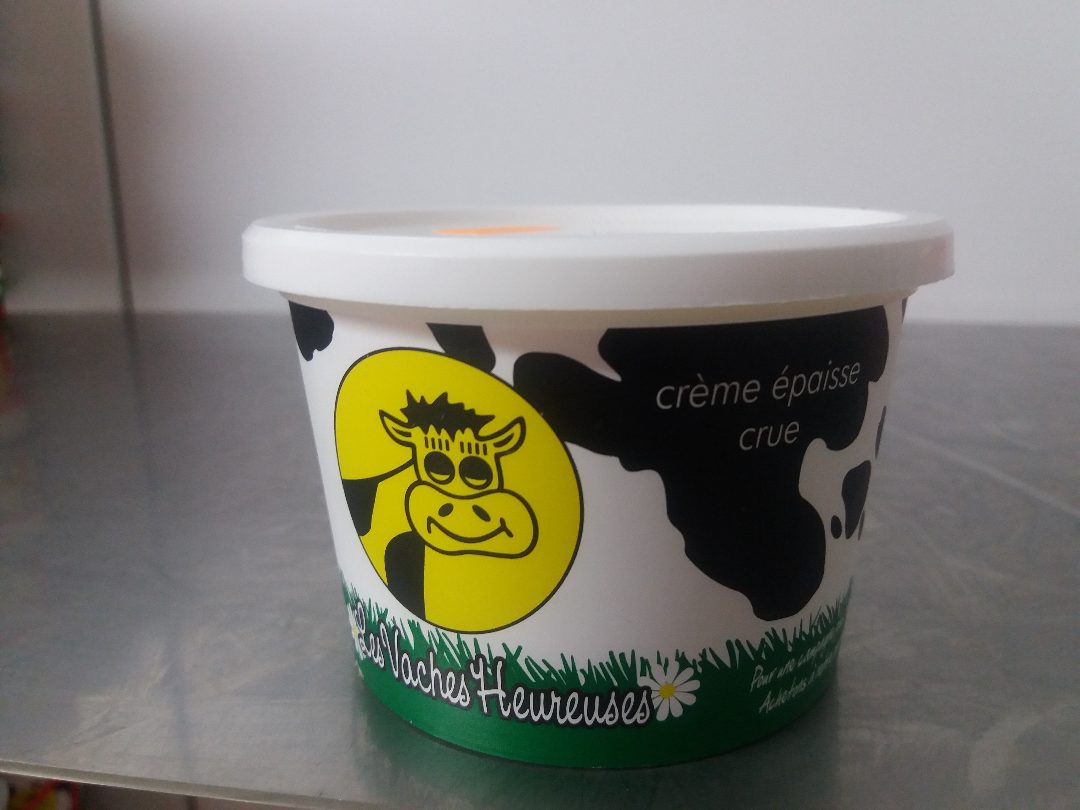
| Dated | ||
|---|---|---|
| Use-by date 10/07/2021 | ||

| Lot | Dated | |
|---|---|---|
| 21260 | Use-by date 10/22/2021 | |

| GTIN | Lot | Dated |
|---|---|---|
| 2000006024336 | 09/17/21 | Use-by date 09/22/2021 |

| GTIN | Lot | Dated |
|---|---|---|
| 3385990025019 | 212450003 | Use-by date 01/10/2021 |
| 3385990022100 | 212450214 | Use-by date 01/10/2021 |
| 3385990022100 | 212450340 | Use-by date 01/10/2021 |

| Lot | ||
|---|---|---|
| cheeses from 5/09/2021 | ||
DECOCINO “Fondant black”

Customer information
DEKOBACK GmbH
It cannot be ruled out that traces of mold have formed on the surface, which are expressed in the form of white / brownish dots.
Baden-Württemberg:poststelle@mlr.bwl.de
| Press releases and information | |
|---|---|
| title | Attachment or web link |
|
Customer information
|
|


