Research – The Prevalence and Epidemiology of Salmonella in Retail Raw Poultry Meat in China: A Systematic Review and Meta-Analysis

MDPI

Foodborne disease caused by Salmonella is an important public health concern worldwide. Animal-based food, especially poultry meat, is the main source of human salmonellosis. The objective of this study was to evaluate the prevalence and epidemiology of Salmonella contamination in raw poultry meat commercialized in China. Following the principle of systematic review, 98 sets of prevalence data were extracted from 74 publications conducted in 21 Chinese provincial regions. The random-effect model was constructed for subgrouping analysis by meat category, preservation type, and geographical location. The prevalence levels differed from high to low among raw poultry meat, including chicken, 26.4% (95% CI: 22.4–30.8%); pigeon, 22.6% (95% CI: 18.2–27.8%); duck, 10.1% (95% CI: 5.3–18.2%); and other poultry meat, 15.4% (95% CI: 12.0–19.5%). Prevalence data on the preservation type revealed that chilled poultry meat might be more likely to experience cross-contamination than non-chilled poultry meat in China. The distribution map of Salmonella for raw poultry meat showed that a higher prevalence level was found in the Shaanxi, Henan, Sichuan, and Beijing regions. All subgroups possessed high amounts of heterogeneity (I2 > 75%). The scientific data regarding the differences in prevalence levels between meat category, preservation method, and geographical region sources might be useful to improve specific interventions to effectively control the incidence of Salmonella in poultry meat. View Full-Text

Research – Microbiological Food Safety of Seaweeds

MDPI

The use of seaweeds in the human diet has a long history in Asia and has now been increasing also in the western world. Concurrent with this trend, there is a corresponding increase in cultivation and harvesting for commercial production. Edible seaweed is a heterogenous product category including species within the green, red, and brown macroalgae. Moreover, the species are utilized on their own or in combinatorial food products, eaten fresh or processed by a variety of technologies. The present review summarizes available literature with respect to microbiological food safety and quality of seaweed food products, including processing and other factors controlling these parameters, and emerging trends to improve on the safety, utilization, quality, and storability of seaweeds. The over- or misuse of antimicrobials and the concurrent development of antimicrobial resistance (AMR) in bacteria is a current worldwide health concern. The role of seaweeds in the development of AMR and the spread of antimicrobial resistance genes is an underexplored field of research and is discussed in that context. Legislation and guidelines relevant to edible seaweed are also discussed. View Full-Text

Research – First report on the molecular characterization and the occurrence of extended-spectrum β-lactamase producing Enterobacteriaceae in unpasteurized bovine’s buttermilk

Wiley Online

The dairy products have been reported as a source of extended-spectrum β-lactamase (ESBL)-producing bacteria. The aim of this study is to determine the potential transfer of ESBL Enterobacteriaceae to humans due to the consumption of buttermilk made from raw, unpasteurized milk collected in Batna province (Northeast of Algeria) as well as to identify isolates and genes encoding resistance in these isolates. Two hundred and forty-three samples of buttermilk made from raw, unpasteurized milk were collected and screened for the presence of ceftazidime-resistant Enterobacteriaceae. The suspected isolates were identified by molecular methods. Enterobacteriaceae isolates were subjected to antimicrobial susceptibility testing and were examined phenotypically for ESBL production and confirmed by using PCR assay and DNA sequencing. Thirteen ceftazidime-resistant Enterobacteriaceae were observed at a rate of 5.76% including Escherichia coli (n = 4), Klebsiella pneumoniae (n = 4), Klebsiella oxytoca (n = 1), Hafnia paralvei (n = 3), and Citrobacter freundii (n = 1). Eight Enterobacteriaceae (61.53%, 8) revealed multidrug resistance, while (61.53%, 8) were confirmed as ESBL-producing Enterobacteriaceae. Polymerase chain reaction assay revealed that blaTEM (87.5%, 7) was the most common gene, followed by the blaCTX-M gene (75%, 6) and finally the blaSHV gene (50%, 4). The sequencing of genes identified blaTEM-1D, blaSHV-1, and blaSHV-11. Our findings signified that buttermilk made from raw, unpasteurized milk could be the reservoir for the prevalence of ESBL-producing Enterobacteriaceae and the potential source of transmission for the consumer. Pasteurization of buttermilk is critical to reduce the risk associated with ESBL-producing isolates.

Research – Attachment of Shiga Toxin-Producing Escherichia coli (STEC) to Pre-Chill and Post-Chill Beef Brisket Tissue

MDPI

Shiga toxin-producing Escherichia coli (STEC) has caused numerous foodborne illness outbreaks where beef was implicated as the contaminated food source. Understanding how STEC attach to beef surfaces may inform effective intervention applications at the abattoir. This simulated meat processing conditions to measure STEC attachment to adipose and lean beef tissue. Beef brisket samples were warmed to a surface temperature of 30 °C (warm carcass), while the remaining samples were maintained at 4 °C (cold carcass), prior to surface inoculation with an STEC cocktail (O26, O45, O103, O111, O121, O145, and O157:H7). Cocktails were grown in either tryptic soy broth (TSB) or M9 minimal nutrient medium. Loosely and firmly attached cells were measured at 0, 3, 5, and 20 min and 1, 3, 8, 12, 24 and 48 h. TSB-grown STEC cells became more firmly attached throughout storage and a difference in loosely versus firmly attached populations on lean and adipose tissues was observed. M9-grown STEC demonstrated a 0.2 log10 CFU/cm2 difference in attachment to lean versus adipose tissue and variability in populations was recorded throughout sampling. Future research should investigate whether a decrease in intervention efficacy correlates to an increase in firmly attached STEC cells on chilled carcasses and/or subprimals, which has been reported. View Full-Text

Research – Case Study on the Microbiological Quality, Chemical and Sensorial Profiles of Different Dairy Creams and Ricotta Cheese during Shelf-Life

MDPI

This work investigated the microbiological quality and chemical profiles of two different dairy creams obtained by centrifugation vs. natural creaming separation systems. To this aim, an untargeted metabolomics approach based on UHPLC-QTOF mass spectrometry was used in combination with multivariate statistical tools to find potential marker compounds of the two different types of two dairy creams. Thereafter, we evaluated the chemical, microbiological and sensorial changes of a ricotta cheese made with a 30% milk cream (i.e., made by combining dairy creams from centrifugation and natural creaming separation) during its shelf-life period (12 days). Overall, microbiological analysis revealed no significant differences between the two types of dairy creams. On the contrary, the trend observed in the growth of degradative bacteria in ricotta during shelf-life was significant. Metabolomics revealed that triacylglycerols and phospholipids showed significant strong down-accumulation trends when comparing samples from the centrifugation and natural creaming separation methods. Additionally, 2,3-Pentanedione was among the best discriminant compounds characterising the shelf-life period of ricotta cheese (VIP score = 1.02), mainly related to sensorial descriptors, such as buttery and cheesy. Multivariate statistics showed a clear impact of the shelf-life period on the ricotta cheese, revealing 139 potential marker compounds (mainly included in amino acids and lipids). Therefore, the approach used showed the potential of a combined metabolomic, microbiological and sensory approach to discriminate ricotta cheese during the shelf-life period. View Full-Text

Australia – Monitoring the incidence and causes of disease potentially transmitted by food in Australia: Annual report of the OzFoodNet network, 2016The OzFoodNet Working Group

AU 

In 2016, a total of 44,455 notifications of enteric diseases potentially related to food were received by state and territory health departments in Australia. Consistent with previous years, campylobacteri-osis (n = 24,171) and salmonellosis (n = 18,060) were the most frequently-notified infections. Notable increases in incidence were observed for shiga toxin-producing Escherichia coli (n = 343; 166% increase), shigellosis (n = 1,408; 93% increase), campylobacteriosis (33% increase) and salmonellosis (30% increase) when compared with the historical five-year mean. The extent to which the intro-duction of culture-independent testing as a method of diagnosis has contributed to these increases remains unclear. In total, 188 gastrointestinal outbreaks, including 177 foodborne outbreaks, were reported in 2016. The 11 non-foodborne outbreaks were due to environmental or probable environ-mental transmission (nine outbreaks) and animal-to-person or probable animal-to-person transmis-sion (two outbreaks). No outbreaks of waterborne or probable waterborne transmission were reported in 2016. Foodborne outbreaks affected 3,639 people, resulting in at least 348 hospital admissions and four deaths. Eggs continue to be a source of Salmonella Typhimurium infection across the country: 35 egg-related outbreaks, affecting approximately 510 people, were reported across six jurisdictions in 2016. Three large multi-jurisdictional Salmonella outbreaks associated with mung bean sprouts (n = 419 cases); bagged salad products (n = 311 cases); and rockmelons (n = 144 cases) were investigated in 2016. These outbreaks highlight the risks associated with fresh raw produce and the ongoing need for producers, retailers and consumers to implement strategies to reduce potential Salmonellacontamination.

USA – Salmonella, Mold/Mould prompt recall of Marijuana Syrups and Distallates

Food Safety News

Aflatoxin

Image CDC

Public health officials in Arizona are reporting a recall of several marijuana products after testing found Salmonella and Aspergillus mold. The Arizona Department of Health Services reports that the recall includes edible products in the forms of honey-like syrup and distallates.

Several unidentified dispensaries and other unspecified marijuana-related businesses initiated the recall. Consumers who bought the products listed below are being advised to throw them away.

Although no illnesses or reactions have been confirmed as of the posting of the recall notice, Salmonella can cause serious infections and Aspergillus can cause life-threatening reactions in people who have certain mold allergies.

Australia – Health warning over oysters after spike in food poisoning cases – Vibrio parahaemolyticus

9News

Food Illness

A warning has been issued over a popular seafood dish after a dramatic increase in cases of food poisoning.
Food Safety bosses in South Australia say they have seen a spike in cases of a gastro infection linked to shellfish after people ate raw oysters.
SA Health’s acting director of Food and Controlled Drugs Branch, Joanne Cammans, said there have been 36 cases of Vibrio parahaemolyticus infections linked to eating raw oysters since September.

Research – Agronomic Factors Influencing the Scale of Fusarium Mycotoxin Contamination of Oats

MDPI

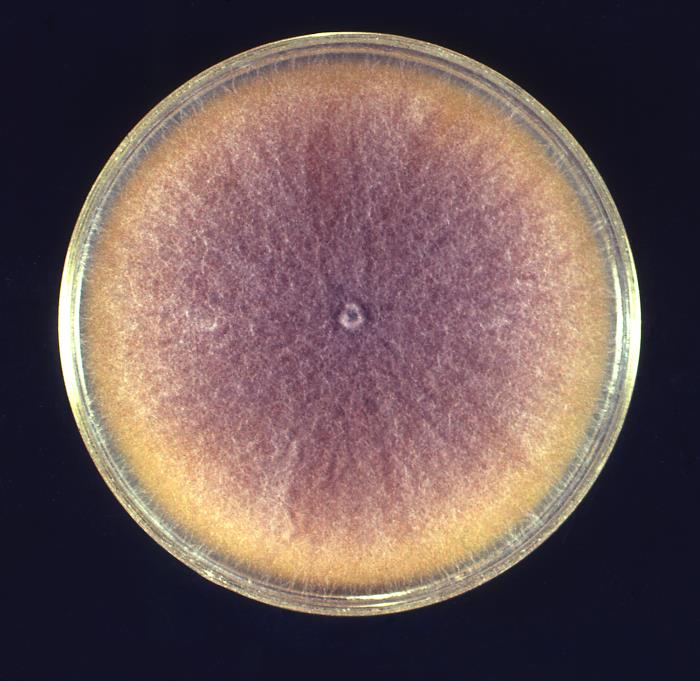
CDC Fusarium

Seven agronomic factors (crop season, farming system, harvest date, moisture, county, oat variety, and previous crop) were recorded for 202 oat crops grown across Ireland, and samples were analysed by LC-MS/MS for four major Fusarium mycotoxins: deoxynivalenol (DON), zearalenone (ZEN), T-2 toxin and HT-2 toxin. Type A trichothecenes were present in 62% of crops, with 7.4% exceeding European regulatory limits. DON (6.4%) and ZEN (9.9%) occurrences were relatively infrequent, though one and three samples were measured over their set limits, respectively. Overall, the type of farming system and the previous crop were the main factors identified as significantly influencing mycotoxin prevalence or concentration. Particularly, the adherence to an organic farming system and growing oats after a previous crop of grass were found to decrease contamination by type A trichothecenes. These are important findings and may provide valuable insights for many other types of cereal crops as Europe moves towards a much greater organic-based food system.

USA – FDA Core Investigations Table Update

FDA

The FDA has closed an investigation of an outbreak of infections from Listeria monocytogenes without being able to identify a source.