Research – Machine Learning and Predictive Microbiology: Enhancing Food Safety Models

Frontiers In.org

The field of food safety is critical in ensuring that the food supply remains safe and nutritious from production to consumption. One of the most pressing challenges in this area is controlling microbial growth, which can significantly reduce the shelf life of food products and pose health risks. The composition and physicochemical characteristics of food can either inhibit or promote the growth of foodborne pathogens. Traditional microbial growth models, often used in laboratory settings, do not always translate well to real-world food environments due to the unique conditions present in food systems. Predictive microbiology has emerged as a valuable tool in this context, allowing researchers to predict the behavior of pathogenic and spoilage microorganisms under various controlled conditions. Despite advancements, there remain significant gaps in our understanding of how to effectively apply these models across different stages of the food processing chain. The need for more comprehensive and adaptable models is evident, particularly as the food industry continues to evolve its processing techniques to enhance food safety and shelf life.
This research topic aims to explore the development and application of predictive models in food safety throughout the processing chain. The primary objectives include understanding how new processing conditions impact microbial safety, examining the interactions between food ingredients and antimicrobials, and developing robust models that can predict microbial behavior in diverse food environments. Specific questions to be addressed include: How do changes in food composition affect microbial growth? What are the best practices for integrating machine learning into predictive microbiology? How can we construct and validate models that are applicable across various stages of food production?
To gather further insights into the boundaries of predictive models in food safety, we welcome articles addressing, but not limited to, the following themes:
– Impact of new food processing conditions on the microbial safety of the final product
– Interaction of added antimicrobials and food ingredients on food safety
– Use of growth/no growth models for the growth of pathogens
– Impact of food composition modifications on the growth of pathogens or concentration of toxins
– Development of empirical or theoretical models for assessing microbial growth under food system conditions
– Machine learning applications in predictive microbiology
– Construction and validation of tertiary predictive models

Research – EPA Approves First Antimicrobial Treatment of Foodborne Pathogens in Preharvest Agricultural Water

Food Safety.com

The first-ever registration of an antimicrobial treatment for foodborne pathogens in preharvest agricultural water has been approved by the U.S. Environmental Protection Agency (EPA), setting a new precedent for preharvest agricultural water treatments specifically intended to reduce the presence of pathogens that affect food safety.

The successful registration of SANIDATE 12.0 is the result of a collaborative effort between EPA and the U.S. Food and Drug Administration (FDA) to develop and refine an efficacy protocol to support such registrations. Using the revised efficacy protocol, the University of Arizona and industry members worked together to register SANIDATE 12.0 for use against foodborne pathogens like Escherichia coli and Salmonella in preharvest agricultural water, and to provide feedback on the protocol that informed updates regarding testing parameters and to clarify the protocol for future users.

USA – FDA – CPG Sec 540.525 Scombrotoxin (Histamine)-forming Fish and Fishery Products – Decomposition and Histamine (CPG 7108.24)

FDA

The purpose of this compliance policy guide (CPG) is to provide guidance for FDA staff on adulteration associated with decomposition and/or histamine identified during surveillance sampling and testing of fish and fishery products susceptible to histamine formation.

In general, FDA’s guidance documents do not establish legally enforceable responsibilities. Instead, guidances describe our current thinking on a topic and should be viewed only as recommendations, unless specific regulatory or statutory requirements are cited. The use of the word should in FDA guidances means that something is suggested or recommended, but not required.

Download the Compliance Policy Guide (CPG)


Related Resources

France – SPREADABLE SAUSAGE – Salmonella

Gov France

Product Category
Food
Product subcategory
Meats
Product brand name
CHARCULOR
Model names or references
SPREADABLE SAUSAGE 150G
Product identification
GTIN Batch Date
3327511633952 All lots Expiry date between 11/21/2024 and 12/01/2024
3327511633969 All lots Expiry date between 11/21/2024 and 12/01/2024
3327516395343 All lots Expiry date between 11/21/2024 and 12/01/2024
Packaging
ARTIFICIAL CASING 150G
Start/End of marketing date
From 10/28/2024 to 11/08/2024
Storage temperature
Product to be kept in the refrigerator
Health mark
FR 57.160.001CE
Geographic area of ​​sale
Regions: Grand-Est
Distributors
GREEN STORE / LECLERC / INTERMARCHE / AUCHAN / CORA / MATCH / COLRUYT / CARREFOUR / SUPER U /

France – SALMON STONE – Listeria monocytogenes

Gov France

Product Category
Food
Product subcategory
Fishery and aquaculture products
Product brand name
UNBRANDED
Model names or references
UNBRANDED SALMON STONE SOLD ON THE STALL
Product identification
GTIN Batch
000000000000 24287
List of products
POSTER_REMINDER_SALMON_SLAB_06.11.2024.pdfAttachment
Packaging
By the piece
Start/End of marketing date
From 10/22/2024 to 10/25/2024
Storage temperature
Product to be kept in the refrigerator
Health mark
PL22621813WE
Additional information
Product sold on the fish stall
Geographic area of ​​sale
Roubaix
Distributors
Leclerc Roubaix

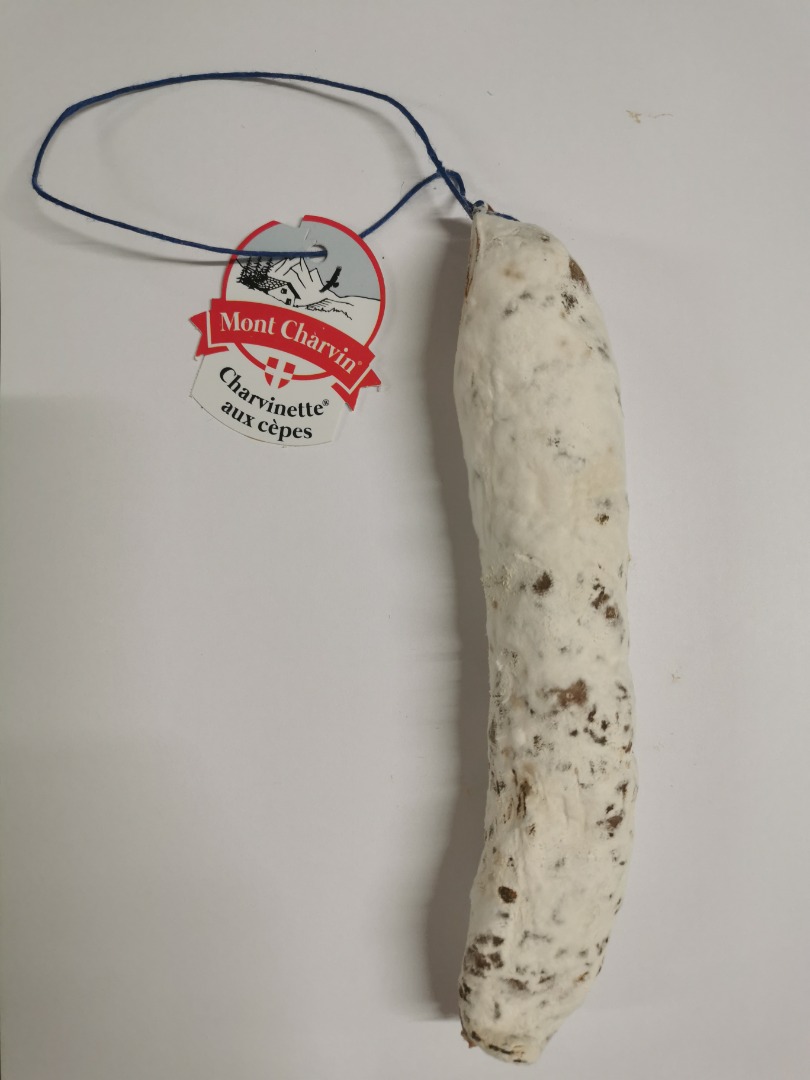
France – CHARVINETTE WITH PORCINI MUSHROOMS – Bacillus cereus

Gov France

Product Category
Food
Product subcategory
Meats
Product brand name
Mont Charvin Salting
Model names or references
Lot 261/24
Product identification
Batch
Lot 261/24
List of products
List_of_products_affected_by_the_recall.pdfAttachment
Storage temperature
Product to be kept in the refrigerator
Health mark
FR.74-104-001 CE
Geographic area of ​​sale
Whole France
Distributors
FROMAGERIE BOUCHET, LA CHAINEE CUTING, KD’O, SAS Our farmers of Savoy, SICA MOUTIERS MAG VALLEE ET MONTAGNE, SAS Our farmers of Savoy, RUGA NICOLE, LA MAISON DU SAUCISSON, MAGMONT CHARVIN DOUSSARD/GILLY, SICA MOUTIERS

France – Tahin helva – Halva mit Vanille – Salmonella

Gov France

Product Category
Food
Product subcategory
Nuts and seeds
Product brand name
buram
Model names or references
Tahin helva – Halva mit Vanille
Product identification
GTIN Batch Date
4260157578548 LN: SH 2308 Minimum durability date 13/12/2025
Storage temperature
Product to be stored at room temperature
Geographic area of ​​sale
Departments: ALPES-MARITIMES (06), BOUCHES-DU-RHONE (13), PUY-DE-DOME (63), SEINE-SAINT-DENIS (93)
Distributors
see attachment

Research – How a Lack of Legionella Training Contributed to Devastating Legionnaires’ Outbreak

Legionella Control

In this article we examine the impact of inadequate Legionella training and a lack of available resources on an organisations ability to control Legionella risks effectively, meet its water safety compliance obligations, and ultimately keep people safe. The article highlights how a detailed understanding of such failings can be used to modify behaviours to prevent future outbreaks of Legionnaires’ disease.

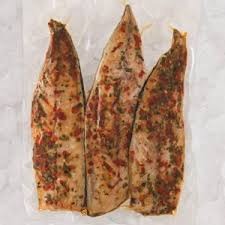
France – Smoked Provençal mackerel fillet – Listeria monocytogenes

Gov France

Product Category
Food
Product subcategory
Fishery and aquaculture products
Product brand name
Unbranded (product smoked on site)
Model names or references
Smoked Provençal mackerel fillet
Product identification
GTIN Batch Date
0209416000000 DLC between 10/26/2024 and 10/30/2024 inclusive Expiry date between 10/26/2024 and 10/30/2024
Packaging
Self-service vacuum packaging
Start/End of marketing date
From 10/11/2024 to 10/30/2024
Storage temperature
Product to be kept in the refrigerator
Geographic area of ​​sale
Poitiers Saint-Benoit
Distributors
E.Leclerc Poitiers Saint-Benoit

RASFF Alerts – Ochratoxin – Dried Figs

RASFF

Sum of aflatoxins and ochratoxins in dried figs from Türkiye in Italy

RASFF

Sum of aflatoxins and ochratoxins in dried figs from Türkiye in Italy

RASFF

Presence of ochratoxins in dried figs from Türkiye in Italy

RASFF

Ochratoxin A in dried figs from Turkey in Spain