Ireland – Potentially dangerous parasite in County Limerick water supply – Cryptosporidium

Limerick Post

DRINKING water supplies in Foynes have come under the microscope with the ongoing detection of a parasite that could pose a threat to human health.

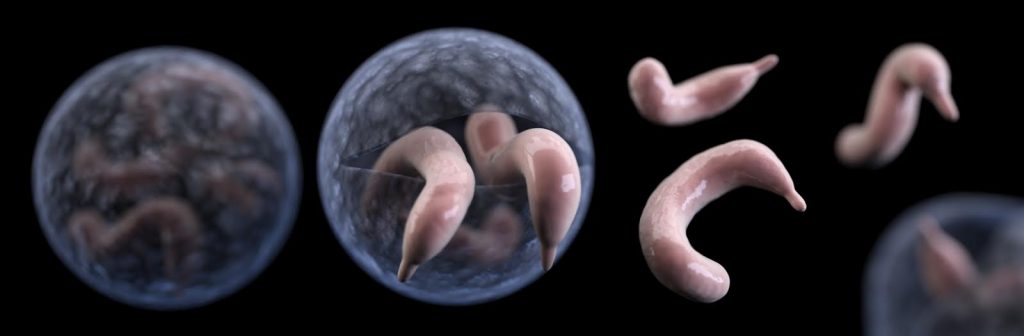
Cryptosporidium, a parasite found in human and animal faeces, has been detected in the Foynes/Shannon Estuary water treatment plant this year.

The Environmental Protection Agency said it was “very concerned” after it conducted an audit which detected two breaches of recommended limits of cryptosporidium at the plant on February 23 and April 13.

The EPA said that it was most likely due to “a deterioration in raw water quality combined with significant deficiencies and pressures on the treatment processes at the plant”.

The environmental watchdog said the incident was suitably escalated and managed to protect the health of the population of over 7,200 in the Foynes area who use the water supply.
USA – Is TikTox, Twitter and Reddit the new FDA and CDC as it relates to the Daily Harvest mystery?

Food Poison Journal

A lot of people say they have had liver complication and have had their gallbladders removed.

A number of people say they got sick after eating different Daily Harvest products, most commonly the recalled Leek and Lentil meals.

Doctors seem to have very few answers as to what is causing their illnesses.

TikTok:

https://www.tiktok.com/foryou?is_copy_url=1&is_from_webapp=v1 — TIkTok user posts about illness after eating Daily Harvest.

Twitter:

“I ate the Daily Harvest Lentil + Leek crumbles. I was lucky I didn’t end in the ER. I felt really sick: fever, headache, stomach ache, nausea and severe bouts of vomiting. I was not able to eat. I spent 2 days in bed recovering. Daily Harvest response is a joke” — @sandrav_nyc, June 23 (Twitter)

Reddit posts:

“Two weeks ago I tried the crumbles for the first time. That night, I had debilitating stomach pain, like nothing I had ever felt before. It was so bad I had to go to the ER as a last ditch effort to alleviate and manage the pain. After a CT scan, IV, meds, and a week on a bland diet I thought perhaps it was some sort of bug.

USA – 470 illnesses and potential liver function issues reports linked to Daily Harvest product

Food Safety News

Daily Harvest has received approximately 470 reports of illness or adverse reactions to their products, specifically their “French Lentil + Leek Crumbles.”

In response to consumer reports of gastrointestinal illness and potential liver function issues, Daily Harvest has recalled all French Lentil + Leek Crumbles.

From April 28 to June 17, 2022, approximately 28,000 units of the recalled product were distributed to consumers in the United States through online sales and direct delivery, as well as through retail sales at the Daily Harvest store in Chicago, IL, and a “pop-up” store in Los Angeles, CA.

Samples were also provided to a small number of consumers. Daily Harvest directly notified by email those consumers who were shipped the affected product, and other consumers for whom the company had contact information, and consumers were issued a credit for the recalled product.

Canada – Gelato Artigianale al gusto di Raspberry Gelato recalled due to possible Norovirus contamination of raspberries used in product

CFIA

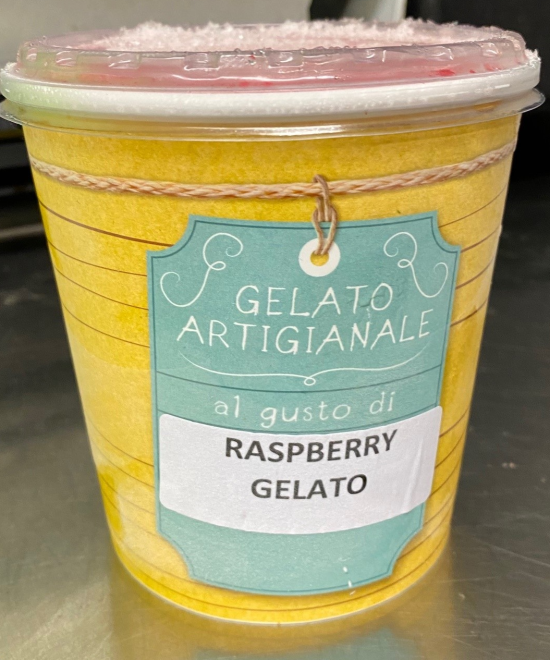
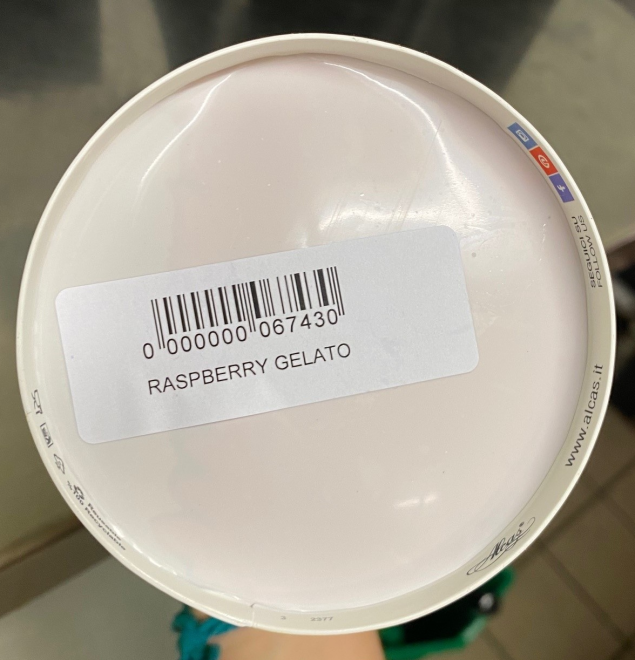
None – Gelato Artigianale al gusto di Raspberry Gelato - 1 L None – Gelato Artigianale al gusto di Raspberry Gelato - 1 L (label)

Summary

Product
Gelato Artigianale al gusto di Raspberry Gelato
Issue
Food – Microbial Contamination – Norovirus
What to do

Do not consume, use, sell, serve, or distribute recalled products

Affected products

The affected product is being recalled from the marketplace due to possible norovirus contamination of the raspberries used in this product.

The recalled product has been sold at Angelo’s Italian Market Inc. (London, ON).

What you should do

  • If you think you became sick from consuming a recalled product, contact your healthcare provider
  • Check to see if you have recalled products
  • Do not consume, serve, use, sell, or distribute recalled products
  • Recalled products should be thrown out or returned to the location where they were purchased

People with norovirus illness usually develop symptoms of gastroenteritis within 24 to 48 hours, but symptoms can start as early as 12 hours after exposure. The illness often begins suddenly. Even after having the illness, you can still become re-infected by norovirus. The main symptoms of norovirus illness are diarrhea, vomiting (children usually experience more vomiting than adults), nausea and stomach cramps. Other symptoms may include low-grade fever, headache, chills, muscle aches and fatigue (a general sense of tiredness). Most people feel better within one or two days, with symptoms resolving on their own, and experience no long-term health effects. As with any illness causing diarrhea or vomiting, people who are ill should drink plenty of liquids to replace lost body fluids and prevent dehydration. In severe cases, patients may need to be hospitalized and given fluids intravenously.

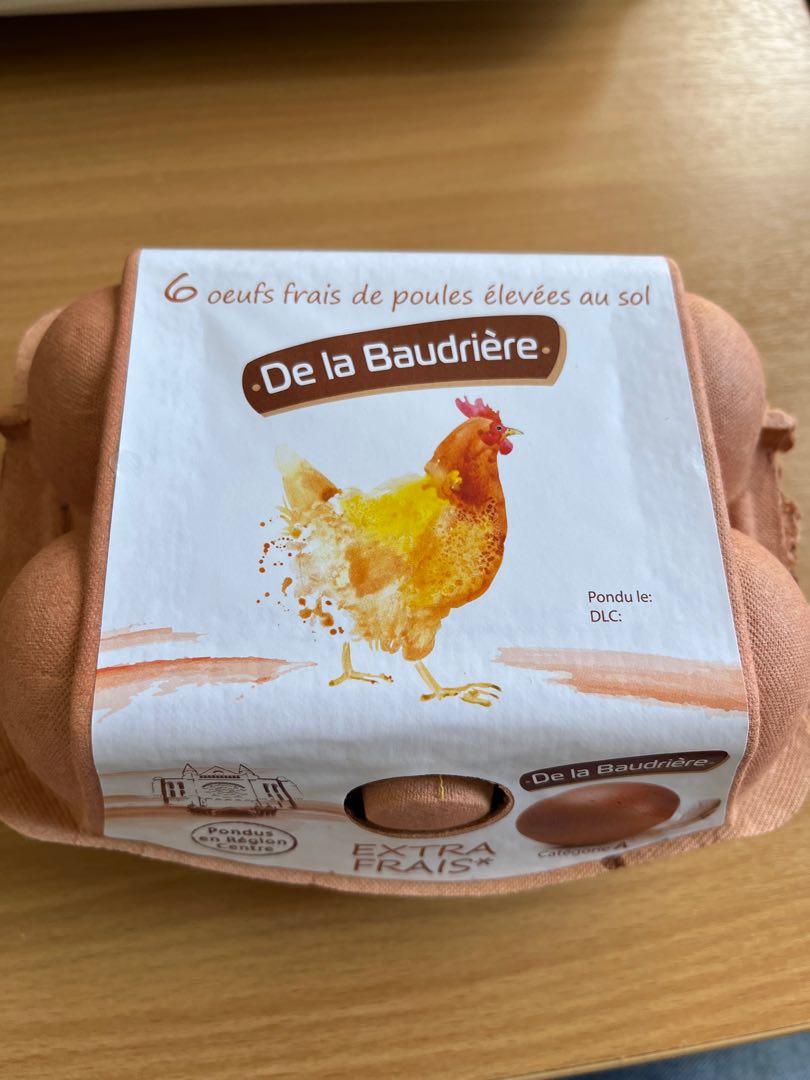
France – Eggs – Salmonella

Gov france

Identification information of the recalled product

  • Product category Feed
  • Product subcategory Eggs and egg products
  • Product brand name harness
  • Model names or references ALL EGGS BEARING AS DCR DATE FROM 06/21/22 TO 07/14/22
  • Identification of products
    GTIN Batch Date
    3700468700357 All lots Recommended best before date between 06/21/2022 and 07/14/2022
  • Packaging BOX OF 6 EGGS AND TRAYS OF 30 EGGS
  • Marketing start/end date From 05/24/2022 to 06/10/2022
  • Storage temperature Product to be stored in the refrigerator
  • Health markFR28.324.001
  • Geographic area of ​​sale Departments: EURE-ET-LOIR (28)
  • DistributorsG20 COURVILLE SUR EURE

Practical information regarding the recall

  • Reason for recall SALMONELLA
  • Risks incurred by the consumer Salmonella spp (causative agent of salmonellosis)

Czech Republic – Milbona SELECTION PECORINO – Mold/Mould

Potravinynapranyri

Illustration photo no. 1

Illustration photo no. 4

Place of inspection:
Roznov pod Radhostem ( Meziricska 2302/0, 756 61 Roznov pod Radhostem )
Company ID: 26178541
Food group: Milk and milk products / Cheese

Milbona SELECTION PECORINO
Category: Dangerous food
Unsatisfactory parameter:

mold visible to the eye

Mold was found under part of the package under the packaging. Food is not considered safe if it shows signs of spoilage. 

The food has not expired. During the inspection, unsatisfactory storage temperatures of this product were not found.

Date of minimum durability: 04.06.2022
Cover: PP + label
Quantity of product in package: 0,083 kg
Country of origin:  Italy
Date of sampling: 17. 5. 2022
Reference number: 22-000192-SZPI-CZ
The sample was found by an official inspection of the State Agricultural and Food Inspection Authority.

UK – Sainsbury’s recalls by Sainsbury’s Cooked and Peeled Frozen Large King Prawns because of possible presence of undercooked prawns

FSA

Sainbury’s is recalling by Sainsbury’s Cooked and Peeled Frozen Large King Prawns because of possible presence of undercooked prawns. The possible presence of undercooked prawns may make this product unsafe to eat.

Product details

by Sainsbury’s Cooked and Peeled Frozen Large King Prawns
Pack size 180g
Best before May 2023, June 2023, July 2023, August 2023, September 2023, and October 2023
by Sainsbury’s Cooked and Peeled Frozen Large King Prawns
Pack size 400g
Best before May 2023, June 2023, July 2023, August 2023, September 2023, and October 2023

Risk statement

The possible presence of undercooked prawns may make this product unsafe to eat.

Action taken by the company

Sainsbury’s is recalling the above products. Point of sale notices will be displayed in all retail stores that are selling these products. These notices explain to customers why the products are being recalled and tell them what to do if they have bought the product. Please see the attached notice.

Our advice to consumers

If you have bought any of the above products do not eat them. Instead, return them to the store from where they were bought for a full refund. If you have any questions or concerns, please visit Sainsbury’s website at Sainsburys.co.uk/help or contact their careline on 0800636262.

Czech Republic – Sliced ​​natural semi-hard cheese – Visible Mould

Potravinynapranyri

Place of inspection:
Ustek ( Mirove namesti 57, 411 45 Ustek )
Company ID: 69412936
Food group: Milk and milk products / Cheese

Sliced ​​natural semi-hard cheese
Category: Dangerous food
Unsatisfactory parameter:

mold visible to the eye

Brown and white mold colonies were found on the surface of the food. Food is not considered safe if it shows signs of spoilage.

Expiration date: 11.05.2022
Packaging: PP plastic
Quantity of product in package: 100 g
Sampling date: 29. 4. 2022
Reference number: 22-000194-CAFIA-CZ
The sample was found by an official inspection of the State Agricultural and Food Inspection Authority.

Research – Temporal changes in the proportion of Salmonella outbreaks associated with twelve food commodity groups in the United States

Cambridge Org

kswfoodworld Salmonella

Abstract

Using data from twenty years of Salmonella foodborne outbreaks, this study investigates significant trends in the proportion of outbreaks associated with twelve broad commodity groups. Outbreak counts are demonstrated to have a stronger trend signal than outbreak illness counts.

The number of outbreaks with an identified food vehicle increased significantly between 1998 and 2000. This was followed by a 10-year period when the number of outbreaks decreased. The number of outbreaks increased significantly between 2010 and 2014 and then remained unchanged for the remainder of the study period.

During the period of 1998 through 2017, the proportion of outbreaks for three commodities groups, consisting of eggs, pork, and seeded vegetables, changed significantly. No significant changes were observed in the remaining nine commodity groups. Simple approximations are derived to highlight the effect of dependencies between outbreak proportions and a consumption analysis for meat and poultry is used to enhance the limited interpretability of the changes in these proportions.

Given commodity-specific approaches to verifying food safety and promoting pathogen reduction, regulatory agencies benefit from analyses that elucidate illness trends attributable to the products under their jurisdiction. Results from this trend analysis can be used to inform the development and assessment of new pathogen reduction programs in the United States.

Research – Interlaboratory Evaluation of Enterococcus faecium NRRL B-2354 as a Salmonella Surrogate for Validating Thermal Treatment of Multiple Low-Moisture Foods

Journal of Food Protection

This multi-institutional study assessed the efficacy of Enterococcus faecium NRRL B-2354 as a non-pathogenic Salmonella surrogate for thermal processing of nonfat dry milk powder, peanut butter, almond meal, wheat flour, ground black pepper, and date paste. Each product was analyzed by two laboratories (five independent laboratories total), with the lead laboratory inoculating (E. faecium or a five-strain Salmonella enterica cocktail of S. Agona, Reading, Tennessee, Mbandaka, Montevideo) and equilibrating the product to the target water activity before shipping. Both laboratories subjected samples to three isothermal treatments (between 65 and 100°C). A log-linear/Bigelow model was fit to survivor data via one-step regression. Based on D80°C  values estimated from the combined model, E. faecium was more thermally resistant (P < 0.05) than Salmonella in ), nonfat dry milk powder (DEf-80°C: 100.2 ± 5.8 min; DSal-80°C: 28.9 ± 1.0 min), peanut butter (DEf-80°C: 133.5 ± 3.1 min; DSal-80°C: 57.6 ± 1.5 min), almond meal (DEf-80°C: 34.2 ± 0.4 min; DSal-80°C: 26.1 ± 0.2 min), ground black pepper (DEf-80°C: 3.2 ± 0.8 min; DSal-80°C: 1.5 ± 0.1 min), and date paste (DEf-80°C: 1.5 ± 0.0 min; DSal-80°C: 0.5 ± 0.0 min). Although the combined-laboratory D80°C for E. faecium was lower (P < 0.05) than for Salmonella in wheat flour (DEf-80°C: 9.4 ± 0.1 min; DSal-80°C: 10.1 ± 0.2 min), the difference was ~7%. The zT-values for Salmonella in all products and for E. faecium in milk powder, almond meal, and date paste were not different (P > 0.05) between laboratories. Therefore, this study demonstrated the impact of standardized methodologies on repeatability of microbial inactivation results. Overall, E. faecium NRRL B-2354 was  more thermally resistant than Salmonella, which provides support for utilizing E. faecium as a surrogate for validating thermal processing of multiple low-moisture products. However, product composition should always be considered before making that decision.