Tahin Halva in plastic tray with snap-on lid
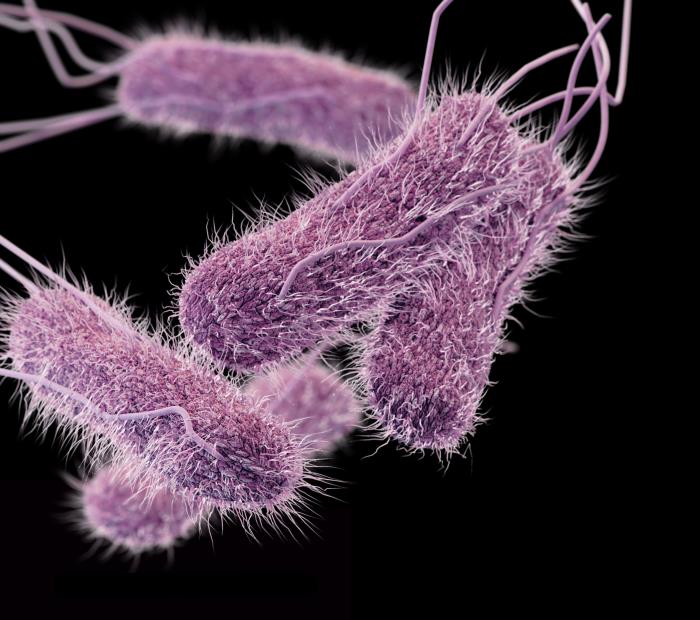
The product contains Salmonella of serogroup C.
Tahin Halva in plastic tray with snap-on lid
The product contains Salmonella of serogroup C.

Global Foods Trading GmbH Am Winkelgraben 1A 64584 Biebesheim am Rhein
Detection of Salmonella spp.
Salmonella disease manifests itself within a few days after infection with diarrhoea, abdominal pain and occasionally vomiting and a slight fever. The symptoms usually subside on their own after a few days. Babies, small children, senior citizens and people with a weakened immune system in particular can develop more severe illnesses. Anyone who has eaten this food and develops severe or persistent symptoms should seek medical attention and report possible salmonella infection.
It makes no sense to seek preventive medical treatment without symptoms.
Further information on the pathogen can be found here: http://www.infection-protection.de/erregersteckbriefe/salmonellen
Reference is made to the attached customer information.
Posted in food contamination, food handler, Food Hazard, Food Hygiene, Food Inspections, Food Micro Blog, Food Microbiology, Food Microbiology Blog, Food Microbiology Testing, Food Pathogen, food recall, Food Safety, Food Safety Alert, Food Safety Management, food safety training, Food Testing, Salmonella
Brand : Fonte Valle Reale
Name : Oligomineral Natural Mineral Water 1.5 lt
Reason for reporting : Recall due to microbiological risk
Publication date : 2 August 2022
Posted in Contaminated water, food contamination, food handler, Food Hazard, Food Hygiene, Food Inspections, Food Micro Blog, Food Microbiology, Food Microbiology Blog, Food Microbiology Testing, Food Pathogen, Food Poisoning, food recall, Food Safety, Food Safety Alert, Food Testing, Staphylococcus aureus, Water, water microbiology, Water Safety

| GTIN | Batch | Date |
|---|---|---|
| 3266110051043 | 22607676 22.43 | Use-by date 08/26/2022 |
Posted in food contamination, food handler, Food Hazard, Food Hygiene, Food Inspections, Food Micro Blog, Food Microbiology, Food Microbiology Blog, Food Microbiology Testing, Food Pathogen, food recall, Food Safety, Food Safety Alert, Food Safety Management, Food Testing, Listeria, Listeria monocytogenes

| Batch | Date | |
|---|---|---|
| 716158 | Use-by date 08/09/2022 | |
Posted in food contamination, food handler, Food Hazard, Food Hygiene, Food Illness, Food Inspections, Food Micro Blog, Food Microbiology, Food Microbiology Blog, Food Microbiology Testing, Food Pathogen, food recall, Food Safety, Food Safety Alert, food safety training, Food Testing, Listeria, Listeria monocytogenes

The biofilm is a conglomerate of cells surrounded by an extracellular matrix, which contributes to the persistence of infections. The difficulty in removing the biofilm drives the research for new therapeutic options. In this work, the effect of terpenes (−)-trans-Caryophyllene, (S)-cis-Verbenol, (S)-(−)-Limonene, (R)-(+)-Limonene, and Linalool was evaluated, individually and in combinations on bacterial growth, by assay with resazurin; the formation of biofilm, by assay with violet crystal; and the expression of associated genes, by real-time PCR, in two clinical isolates of Staphyloccocus aureus, ST30-t019 and ST5-t311, responsible for more than 90% of pediatric infections by this pathogen in Paraguay. All combinations of terpenes can inhibit biofilm formation in more than 50% without affecting bacterial growth. The most effective combination was (−)-trans-Caryophyllene and Linalool at a 500 μg/mL concentration for each, with an inhibition percentage of 88%. This combination decreased the expression levels of the sdrD, spa, agr, and hld genes associated with the initial cell adhesion stage and quorum sensing. At the same time, it increased the expression levels of the cap5B and cap5C genes related to the production of capsular polysaccharides. The combinations of compounds tested are promising alternatives to inhibit biofilm formation in S. aureus. View Full-Text
Posted in Biofilm, Decontamination Microbial, Food Micro Blog, Food Microbiology, Food Microbiology Blog, Food Microbiology Research, Food Microbiology Testing, Food Technology, microbial contamination, Microbiological Risk Assessment, Microbiology, Microbiology Investigations, Microbiology Risk, Research, Staphylococcus aureus
Pathogenic Vibrio spp. are largely responsible for human diseases caused through consumption of contaminated seafood. The aim of this study was to determine the prevalence, population densities, species diversity and molecular characteristics of pathogenic Vibrio in various seafood commodities and its associated health risks. Samples of finfish and shellfish (oysters and sea urchins) were collected from different regions and analyzed for Vibrio using the Most Probable Number (MPN) technique. Genomic DNA of putative Vibrio isolates was analyzed by whole genome sequencing (WGS) for taxonomic identification and identification of genes responsible for virulence and antimicrobial resistance. The risk of vibrio-related illnesses due to the consumption of contaminated seafood was assessed using Risk Ranger. Population densities of presumptive Vibrio fell in the range of 2.6 – 4.4 Log MPN/g and correlated with seasonality, with the summer season favoring significantly (p < 0.05) higher Vibrio counts. A total of 15 Vibrio isolates were identified as V. alginolyticus (5), V . parahaemolyticus (6), V. harveyi (2) or V. diabolicus (2). Two of the six V. parahaemolyticus isolates (ST 2504 and ST 2505) originating from oysters were found to be either tdh + or trh + and thus considered a human pathogen due to elaboration of Thermostable Direct Hemolysin (TDH) or TDH-related hemolysin (TRH). In addition to virulence genes, the shellfish isolates also harbored genes encoding resistance to multiple antibiotics including tetracycline, penicillin, quinolone and beta-lactam antibiotics, thus arousing concern. The risk assessment exercise pointed to an estimated 21 annual cases of V. parahaemolyticus -associated gastroenteritis in the general population attributed to consumption of contaminated oysters. This study highlights not only the wide prevalence and diversity of Vibrio in seafood, but also the potential of certain strains to threaten public health.
Posted in Decontamination Microbial, Food Micro Blog, Food Microbiology, Food Microbiology Blog, Food Microbiology Research, Food Microbiology Testing, microbial contamination, Microbiological Risk Assessment, Microbiology, Microbiology Investigations, Microbiology Risk, Vibrio, Vibrio albensis, Vibrio alginolyticus, Vibrio cholera, vibrio cholerae, Vibrio parahaemolyticus, Vibrio vulnificans, Vibrio vulnificus
Adaptive stress tolerance responses are the driving force behind the survival ability of Listeria monocytogenes in different environmental niches, within foods, and ultimately, the ability to cause human infections. Although the bacterial stress adaptive responses are primarily a necessity for survival in foods and the environment, some aspects of the stress responses are linked to bacterial pathogenesis. Food stress-induced adaptive tolerance responses to acid and osmotic stresses can protect the pathogen against similar stresses in the gastrointestinal tract (GIT) and, thus, directly aid its virulence potential. Moreover, once in the GIT, the reprogramming of gene expression from the stress survival-related genes to virulence-related genes allows L. monocytogenes to switch from an avirulent to a virulent state. This transition is controlled by two overlapping and interlinked transcriptional networks for general stress response (regulated by Sigma factor B, (SigB)) and virulence (regulated by the positive regulatory factor A (PrfA)). This review explores the current knowledge on the molecular basis of the connection between stress tolerance responses and the pathogenesis of L. monocytogenes. The review gives a detailed background on the currently known mechanisms of pathogenesis and stress adaptation. Furthermore, the paper looks at the current literature and theories on the overlaps and connections between the regulatory networks for SigB and PrfA.
Posted in Decontamination Microbial, Food Micro Blog, Food Microbiology, Food Microbiology Blog, Food Microbiology Research, Food Microbiology Testing, Listeria, Listeria monocytogenes, microbial contamination, Microbiological Risk Assessment, Microbiology, Microbiology Investigations, Microbiology Risk, Research
A study published in China CDC Weekly provides insight into foodborne botulism outbreaks in China. Researchers conducted an epidemiological analysis for the years of 2004–2020, which revealed a high mortality rate for cases of foodborne botulism and informed recommendations for reducing such outbreaks in China.
In the epidemiological analysis, data was collected from 22 of 31 Chinese provincial-level administrative divisions (PLADs) of the National Foodborne Disease Outbreaks Surveillance system, as well as the China National Knowledge Infrastructure, Wanfang Data, and Chinese Science and Technique Journals. The number and proportion of foodborne botulism outbreaks, illnesses, and deaths by PLAD; food types associated with outbreaks; and contributing factors were observed.
In total, 80 foodborne botulism outbreaks occurred in China during 2004−2020, with 386 illnesses and 55 deaths; initial misdiagnosis occurred in 27.5 percent of botulism cases. Most outbreaks were reported between June and August, aside from a spike in cases in January. Of the 22 PLADs that reported foodborne botulism outbreaks, Xinjiang reported the largest number of outbreaks (20), followed by Qinghai (13). Home-cooked, traditionally processed stinky tofu and dried beef were the most common vehicles for Clostridium botulinum, linked to 51.25 percent of botulism cases. Improper processing and storage practices contributed to 77.5 percent of foodborne botulism outbreaks.
Based on the study’s findings, the researchers suggest the implementation of botulism prevention and food safety education for farmers and herders in Xinjiang and Qinghai. The researchers also stress the urgency of improving Chinese foodborne illness outbreak investigation.
Posted in Bacterial Toxin, Clostridium, Clostridium botulinum, food bourne outbreak, Food Micro Blog, Food Microbiology, Food Microbiology Blog, Food Microbiology Research, Food Microbiology Testing, Food Safety, Food Safety Alert, Food Safety Management, food safety training, Food Toxin, foodborne outbreak, foodbourne outbreak, microbial contamination, Microbiological Risk Assessment, Microbiology, Microbiology Investigations, Microbiology Risk, outbreak