Archives
-
Join 341 other subscribers
KSWFoodWorld
Blog Stats
- 425,875 Views
Category Archives: Vibrio parahaemolyticus
Research – Anti-Biofilm Activity of Laurel Essential Oil against Vibrio parahaemolyticus
Vibrio parahaemolyticus is a primary seafood-associated pathogen that could cause gastroenteritis. It can attach to various surfaces and form a biofilm, which poses serious threats to food safety. Hence, an effective strategy is urgently needed to control the biofilm formation of V. parahaemolyticus. Laurel essential oil (LEO) is used in food, pharmaceutical and other industries, and is commonly used as a flavoring agent and valuable spice in food industries. The potential antibiofilm effects of LEO against V. parahaemolyticus were examined in this study. LEO obviously reduced biofilm biomass at sub-inhibitory concentrations (SICs). It decreased the metabolic activity and viability of biofilm cells. Microscopic images and Raman spectrum indicted that LEO interfered with the structure and biochemical compositions of biofilms. Moreover, it also impaired swimming motility, decreased hydrophobicity, inhibited auto-aggregation and reduced attachment to different food-contact surfaces. RT-qPCR revealed that LEO significantly downregulated transcription levels of biofilm-associated genes of V. parahaemolyticus. These findings demonstrate that LEO could be potentially developed as an antibiofilm strategy to control V. parahaemolyticus biofilms in food industries.
Tools to Enumerate and Predict Distribution Patterns of Environmental Vibrio vulnificus and Vibrio parahaemolyticus
Abstract
Vibrio vulnificus (Vv) and Vibrio parahaemolyticus (Vp) are water- and foodborne bacteria that can cause several distinct human diseases, collectively called vibriosis. The success of oyster aquaculture is negatively impacted by high Vibrio abundances. Myriad environmental factors affect the distribution of pathogenic Vibrio, including temperature, salinity, eutrophication, extreme weather events, and plankton loads, including harmful algal blooms. In this paper, we synthesize the current understanding of ecological drivers of Vv and Vp and provide a summary of various tools used to enumerate Vv and Vp in a variety of environments and environmental samples. We also highlight the limitations and benefits of each of the measurement tools and propose example alternative tools for more specific enumeration of pathogenic Vv and Vp. Improvement of molecular methods can tighten better predictive models that are potentially important for mitigation in more controlled environments such as aquaculture.
RASFF Alert- Vibrio parahaemolyticus – Oysters
Vibrio parahaemolyticus in oysters from France in Switzerland
Posted in food contamination, food handler, Food Hazard, Food Hygiene, Food Inspections, Food Micro Blog, Food Microbiology, Food Microbiology Blog, Food Microbiology Testing, Food Pathogen, Food Quality, food recall, Food Safety, Food Safety Alert, Food Safety Management, Food Safety Regulations, Food Testing, RASFF, Vibrio, Vibrio parahaemolyticus
USA – Vibrio and Food

You can get a Vibrio infection by eating raw or undercooked seafood, particularly oysters. You also can get an infection if you have an open wound that comes in contact with raw or undercooked seafood, their juices, or their drippings.
If you enjoy eating seafood, fishing in coastal waters, or crabbing off the pier, learn more about how you can protect yourself and family from a Vibrio infection.
What foods are commonly linked to Vibrio?
Vibrio bacteria naturally live in coastal waters and can concentrate inside shellfish and other seafood that live in these waters.
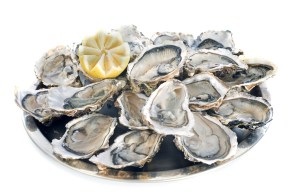
- Oysters: Oysters feed by filtering water. As oysters feed, Vibrio, norovirus, and other germs can concentrate in them. When you eat raw or undercooked oysters, germs that may be in them can make you sick. Get the facts about Vibrio and oysters >
- Other shellfish: Oysters aren’t the only shellfish that can carry Vibrio and other germs. Vibrio illnesses have also been linked to crawfish, crab meat, and other shellfish including clams, mussels, and scallops. Stay safe by following CDC’s tips for cooking shellfish and preventing wound infections.
- Fish: Although Vibrio infections from fish aren’t as common as infections from shellfish, they do happen from time to time. Other harmful germs can be found in fish, too. To help prevent infection, cook fish to 145°F or until its flesh is opaque.
How many people get a Vibrio illness (vibriosis) from food each year?
CDC estimates that vibriosis causes 80,000 illnesses each year in the United States. An estimated 52,000 of those illnesses are caused by eating food containing Vibrio. Most people with a foodborne Vibrio infection have watery diarrhea. Some people may also have stomach cramping, nausea, vomiting, fever, and chills. Symptoms usually start within 1 day after infection and last about 3 days.
Posted in Decontamination Microbial, Food Micro Blog, Food Microbiology, Food Microbiology Blog, Food Microbiology Research, Food Microbiology Testing, microbial contamination, Microbial growth, Microbiological Risk Assessment, Microbiology, Microbiology Investigations, Microbiology Risk, Vibrio, Vibrio cholera, vibrio cholerae, Vibrio parahaemolyticus, Vibrio vulnificans, Vibrio vulnificus
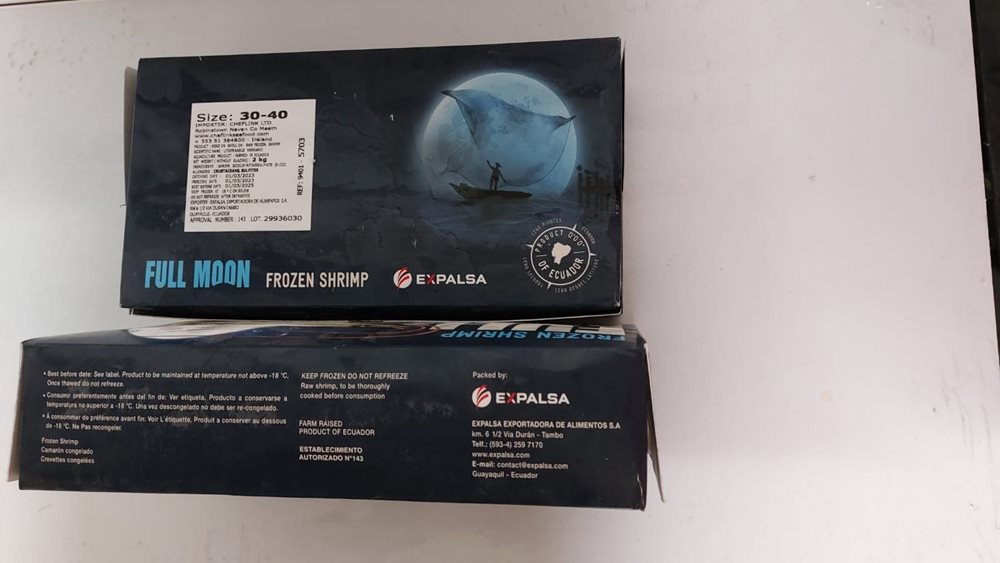
Ireland – Recall of a batch of Full Moon Frozen Shrimp due to the presence of Vibrio
| Alert Summary | |
|---|---|
| Category 1: | For Action |
| Alert Notification: | 2023.12 |
| Product Identification: | Full Moon Raw Frozen Shrimp; pack size: 2kg |
| Batch Code | 29936030; Best before: 01/03/2025 |
| Country Of Origin: | Ecuador |
Message:
The above batch of Full Moon Raw Frozen Shrimp is being recalled due to the presence of Vibrio cholera and Vibrio parahaemolyticus.
Recall notices will be displayed at point-of-sale.
Nature Of Danger:
Symptoms typically include nausea, vomiting, abdominal cramps, fever, headache, and watery diarrhoea (which may be bloody or contain flecks of mucus). Symptoms generally start within 6 to 48 hours and usually last between three to five days. However, depending on the species of Vibrio, symptoms may persist for up to 3 weeks. In some people, particularly children under 5 years of age, the elderly, or those with underlying health conditions, the infection can lead to severe dehydration, which may be fatal if not treated promptly.
Action Required:
Manufacturers, wholesalers, distributors, caterers & retailers:
Retailers are requested to remove the implicated batch from sale and display recall notices at point of sale.
Consumers:
Consumers are advised not to eat the implicated batch.

Posted in food contamination, food handler, Food Hazard, Food Hygiene, Food Inspections, Food Micro Blog, Food Microbiology, Food Microbiology Blog, Food Microbiology Testing, Food Pathogen, Food Quality, food recall, Food Safety, Food Safety Alert, Food Safety Management, Food Safety Regulations, Food Testing, FSAI, Vibrio, Vibrio parahaemolyticus
Research – Scientists Discover How Foodborne Vibrio Infects People, Could Lead to New Treatments

Researchers at the University of Texas (UT) Southwestern Medical Center have discovered how foodborne pathogen Vibrio parahaemolyticus infects people after eating raw or undercooked shellfish. The findings could lead to new ways to treat illness caused by the enteric bacteria.
The study provides the first visual evidence of how a gut bacterial pathogen uses an “assembly method” to build syringe-like structures to inject toxins into intestinal cells, giving a new view of how enteric bacteria, when exposed to bile acids, efficiently respond and build a virulence system.
Posted in Antimicrobials, Decontamination Microbial, Food Micro Blog, Food Microbiology, Food Microbiology Blog, Food Microbiology Research, Food Microbiology Testing, microbial contamination, Microbial growth, Microbiological Risk Assessment, Microbiology, Microbiology Investigations, Microbiology Risk, Vibrio, Vibrio albensis, Vibrio alginolyticus, Vibrio cholera, vibrio cholerae, Vibrio parahaemolyticus, Vibrio vulnificans, Vibrio vulnificus
RASFF Alert- Vibrio parahaemolyticus – Shrimps
Presence of vibrio parahaemolyticus in frozen aquaculture shrimps from Ecuador in Greece
Posted in food contamination, food handler, Food Hazard, Food Hygiene, Food Inspections, Food Micro Blog, Food Microbiology, Food Microbiology Blog, Food Microbiology Testing, Food Pathogen, Food Quality, food recall, Food Safety, Food Safety Alert, Food Safety Management, Food Safety Regulations, Food Testing, RASFF, Vibrio, Vibrio parahaemolyticus
Research – Surveillance of Vibrio parahaemolyticus pathogens recovered from ready-to-eat foods
This study examined the occurrence of V. parahaemolyticus from ready-to-eat (RTE) food in Delta State, Nigeria. It also characterized antibiotic resistance and virulence gene profile patterns to determine the associated health risk hazard. Food samples total of 380 were collected randomly and assessed for V. parahaemolyticus. V. parahaemolyticus isolates were characterized for their virulence and antibiogram potentials using a phenotypic and polymerase chain reaction (PCR) approach. A total of 42 (11.1%) samples were contaminated with V. parahaemolyticus. In 17/42 (40.5%) of the V. parahaemolyticus-positive samples, the densities were < 10 MPN/g. However, 19/42 (45.2%) and 6/42 (14.3%) of the samples had densities of 10 – 102 and > 102 MPN/g, respectively. A total of 67 V. parahaemolyticus isolates were identified using PCR; 54(80.6%) isolates were multidrug resistant. A total of 22 (32.8%), 39 (58.2%), and 67 (100%) of the V. parahaemolyticus harbored the tdh, trh, and tlh toxin genes, respectively. The T3SS1 gene (vcrD1) was detected in 67 (100%) of the isolates. The T3SS2α genes which were vcrD2, vopB2, and vopT were detected in 21 (31.3%), 11 (16.4%) and 30 (44.8%) of the isolates respectively. Some of the V. parahaemolytics strains harbored the orf8 gene 20 (29.9%), and a combination of orf8 + tdh genes 12 (17.9%), categorized as pandemic strains. The antibiotic resistance genes detected in this study include blaTEM 33 (49.3), tetM 19 (28.4), cmlA 32(47.8) and sul1 14 (20.9). The concentration levels and prevalence of V. parahaemolyticus in RTE foods indicate contamination of ready-to-eat foods, particularly street foods consumed in the Delta State of Nigeria, threatening public health and consumer safety.
Posted in Decontamination Microbial, Food Micro Blog, Food Microbiology, Food Microbiology Blog, Food Microbiology Research, Food Microbiology Testing, microbial contamination, Microbial growth, Microbiological Risk Assessment, Microbiology, Microbiology Investigations, Microbiology Risk, Vibrio, Vibrio parahaemolyticus, Water, water microbiology, Water Safety
Research – Raw Aquatic Food Products – A Source of Pathogens and Parasites
The harmful microorganisms of concern include both bacteria (e.g. Vibrio parahaemolyticus (VP) and Vibrio cholerae (VC)) and viruses (e.g. norovirus). VP occurs naturally in seawater (estuaries and coastal areas). Hence, some seafood is inevitably contaminated with VP. On the other hand, VC can live in both saltwater and freshwater such as rivers. In Hong Kong, norovirus is a prevalent foodborne virus that is commonly found in polluted seawater and shellfish living in polluted areas is easily contaminated.
Posted in Contaminated water, Decontamination Microbial, Food Micro Blog, Food Microbiology, Food Microbiology Blog, Food Microbiology Research, Food Microbiology Testing, microbial contamination, Microbial growth, Microbiological Risk Assessment, Microbiology, Microbiology Investigations, Microbiology Risk, Norovirus, Norovirus Oysters, Vibrio, Vibrio cholera, Vibrio parahaemolyticus, Water, water microbiology, Water Safety
Research – Advances in science and risk assessment tools for Vibrio parahaemolyticus and V. vulnificus associated with seafood: meeting report
Globally, the Vibrio parahaemolyticus and Vibrio vulnificus represent important human pathogens associated with the consumption of seafood. In response to the requests for scientific advice from Codex Committee on Food Hygiene (CCFH), risk assessments for the pathogens V. vulnificus, V. cholerae, V. parahaemolyticus and guidance on methods for the detection of Vibrio spp. with seafood have been conducted and published previously by JEMRA. In order to provide an update on the state-of-the-art advice regarding risk assessment for V. parahaemolyticus and V. vulnificus in seafood, an expert meeting was convened.
Several critical developments in the last decade were subsequently noted by the expert working group: 1) The emergence of highly pathogenic strains; 2) In response to climate change, there has been a significant geographical spread regarding when and where these seafood-associated Vibrio infections; 3) Demographic considerations are very important; 4) A range of new approaches for best practice; and 5) A range of new methods, such as those utilising genomics and satellite imagery. This report describes the output of that expert meeting.
Posted in Decontamination Microbial, Food Micro Blog, Food Microbiology, Food Microbiology Blog, Food Microbiology Research, Food Microbiology Testing, microbial contamination, Microbial growth, Microbiological Risk Assessment, Microbiology, Microbiology Investigations, Microbiology Risk, Vibrio, Vibrio albensis, Vibrio alginolyticus, Vibrio cholera, vibrio cholerae, Vibrio parahaemolyticus, Vibrio vulnificans, Vibrio vulnificus