Category Archives: Toxin

Research – Evaluation of the effects of temperature on processed coffee beans in the presence of fungi and ochratoxin A

Wiley Online

Abstract

The coffee bean is sensitive to contamination with ocratoxigenic fungi; temperature influences the growth, and germination of these fungi, as well as the fungal toxins produced. The objectives of this study were to assess the distribution of toxigenic species, analyze the concentration of ochratoxin A (OTA) in Arabica coffee beans, and aplicate a mathematical model that considers the influence of actual temperature to predict the effects of projected temperature increase on OTA production. This toxin was, however, not detected in any of the coffee bean species analyzed here. The species with the highest incidence were Aspergillus niger and Aspergillus ochraceus. The results of the mathematical model demonstrated the influence of temperature on the production of the toxin. This information indicates the distribution of toxigenic fungal species in the regions of coffee cultivation in Minas Gerais, and thus, will assist the producers in adopting preventive measures.

Practical applications

Brazil is the largest coffee producer and exporter, which makes it a leader in the global coffee market; the state of Minas Gerais is responsible for 50% of this production. Following the global trend, Brazil has regulated the maximum permissible limit for ochratoxin A in coffee beans. This has led to a great interest in monitoring fungi and toxin production, mainly during the postharvest stage in the coffee cultivation regions of Brazil. Preventive measures can aid in the safe production of coffee beans, and the use of mathematical models capable of predicting the growth and production of fungal toxins are fundamental to informing the producers of the most favorable conditions in terms of temperature, as well as increases in ambient temperature, in specific regions of interest

USA – FDA Report on E. Coli O157 Outbreak in Romaine Lettuce Points to “Significant” Finding of Strain in Sediment of Water Reservoir

Food Safety Tech 

The November 2018 outbreak of E.coli O157:H7 infections linked to romaine lettuce caused 62 illnesses across 16 states. The FDA zeroed in on the Central Coast growing regions of northern and Central California as being responsible for the contamination. The outbreak was declared over on January 9 and yesterday FDA released the report, “Factors Potentially Contributing to the Contamination of Romaine Lettuce Implicated in the Fall 2018 Multi-State Outbreak of E.Coli O157:H7”, which provides an overview of the investigation.

The report states that a sediment sample coming from an on-farm water reservoir in Santa Maria (Santa Barbara County, California) tested positive for the outbreak strain of E. coli O157:H7. Although this particular farm was identified in several legs of the Fall 2018 traceback investigations that occurred in the United States and Canada, as well as being a possible supplier of romaine lettuce in the 2017 traceback investigations, the FDA said that the farm is not the single source of the outbreak, as there is “insufficient evidence”. The traceback suggests that the contaminated lettuce could have come from several farms, because not all tracebacks led to the farm on which the contaminated sediment was found.


RASFF Alert – Aflatoxin – Hazelnuts – Blanched Groundnuts – Groundnuts – Pistachios – Organic Muesli

RASFF-Logo

RASFF – aflatoxins (B1 = 21; Tot. = 22 µg/kg – ppb) in hazelnuts from Turkey in the Netherlands

RASFF – aflatoxins (B1 = 6.7; Tot. = 7.7 µg/kg – ppb) in blanched groundnuts from the United States in the Netherlands

RASFF – aflatoxins (B1 = 23; Tot. = 26 µg/kg – ppb) in blanched groundnuts from Argentina in the Netherlands

RASFF – aflatoxins (B1 = 10; Tot. = 15 µg/kg – ppb) in groundnut kernels from Argentina in the Netherlands

RASFF – aflatoxins (B1 = 33.5; Tot. = 36.9 µg/kg – ppb) in groundnuts in shell from Egypt in Italy

RASFF – aflatoxins (B1 = 11; Tot. = 13 µg/kg – ppb) in groundnuts from Paraguay in the Netherlands

RASFF – aflatoxins (B1 = 2.7 µg/kg – ppb) in groundnuts from Argentina in the Netherlands

RASFF – aflatoxins (B1 = 16.93; Tot. = 19.09 µg/kg – ppb) in roasted and salted pistachios in shell from Turkey in Germany

RASFF – aflatoxins (B1 = 2.2 µg/kg – ppb) in groundnuts from Argentina in the Netherlands

RASFF – aflatoxins (B1 = 18; Tot. = 60 µg/kg – ppb) in groundnuts from Argentina in the Netherlands

RASFF – aflatoxins (B1 = 4.9; Tot. = 5.6 µg/kg – ppb) in blanched groundnuts from the United States in the Netherlands

RASFF – aflatoxins (B1 = 7.6 µg/kg – ppb) in blanched groundnuts from the United States in the Netherlands

RASFF – aflatoxins (B1 = 36; Tot. = 40 µg/kg – ppb) in blanched groundnuts from the United States in the Netherlands

RASFF – aflatoxins (B1 = 5.7; Tot. = 8.8 µg/kg – ppb) in organic muesli from Belgium in Belgium

RASFF – aflatoxins (B1 = 46.87; Tot. = 56.11 µg/kg – ppb) in pistachio nuts without shell from Iran, via Turkey in Italy

RASFF Alerts – Ochratoxin A – Green Coffee

RASFF-Logo

RASFF – ochratoxin A (>15 µg/kg – ppb) in green coffee from Vietnam in Spain

RASFF – ochratoxin A (13.81 µg/kg – ppb) in green coffee from Vietnam in Spain

RASFF Alert – Histamine – Frozen Cooked Tuna Loins

RASFF-Logo

RASFF – histamine (359 mg/kg – ppm) in frozen cooked tuna loins from Thailand in France

New Zealand – Shellfish biotoxin alert – South Island West Coast region

MPI Mussels

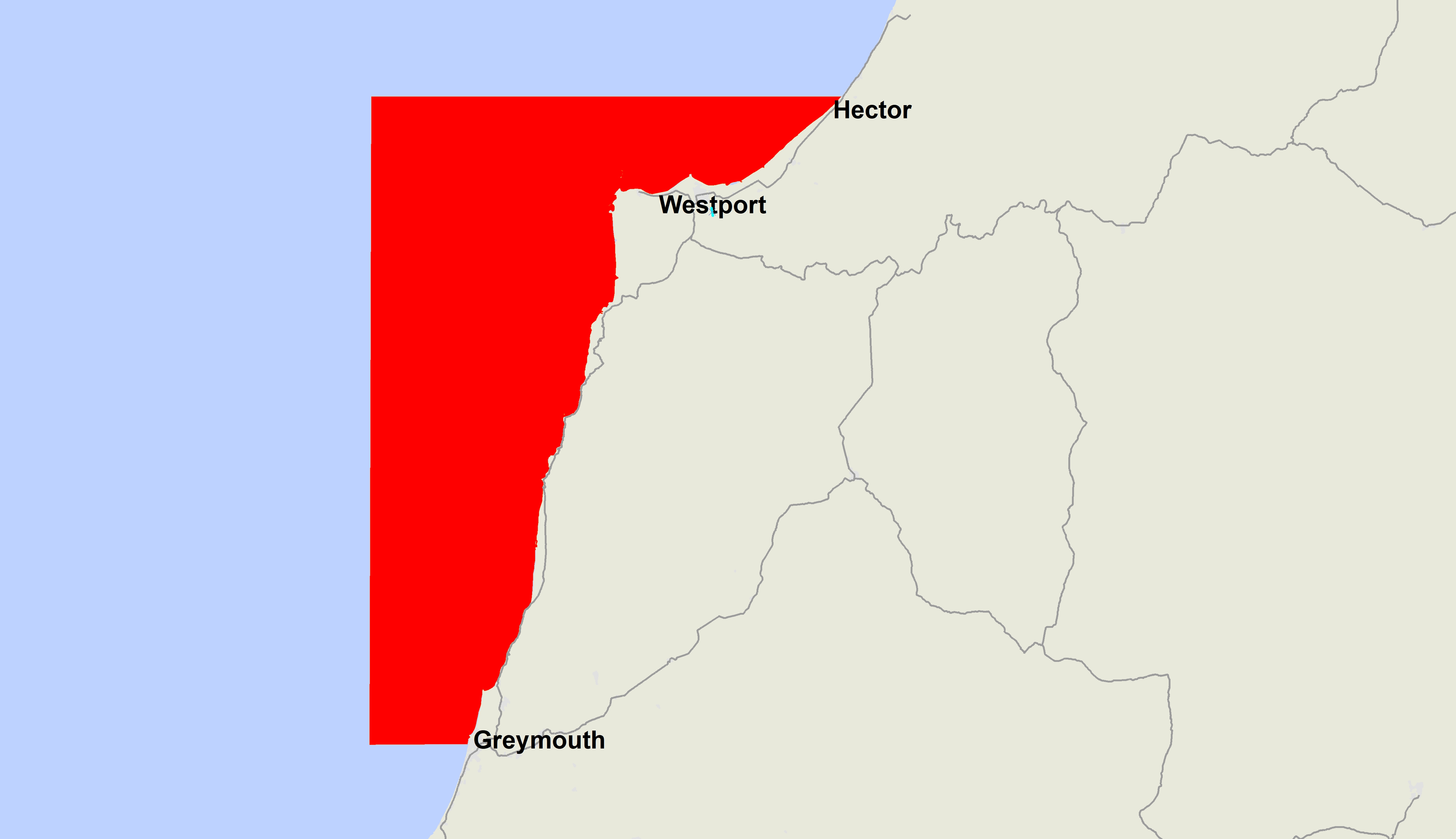
The Ministry for Primary Industries (MPI) today issued a public health warning advising the public not to collect or consume shellfish harvested from between Hector south to Greigs on the South Island West Coast.

Routine tests on shellfish samples taken from Cape Foulwind has shown levels of diarrhetic shellfish toxins above the safe limit of 0.16 mg/kg set by MPI.  Anyone eating shellfish from this area is potentially at risk of illness.

Ongoing testing will continue and any changes will be communicated accordingly.

Mussels, oysters, tuatua, pipi, toheroa, cockles, scallops, catseyes, kina (sea urchin) and all other bivalve shellfish should not be eaten.

Note: cooking shellfish does not remove the toxin.

Map highlighting in red the areas affected.

Kenya – Clovers and Mother Nature’s Peanut Butter Exceeds Aflatoxin Levels – KEBS

All Africa

Nairobi — Kenya Bureau of Standards (KEBS) has withdrawn the permits of Triclover and Mother nature’s after their peanut butter products were found to exceeded aflatoxin levels.

In a statement, KEBS said factory inspections undertaken in 2018 revealed that Clovers Peanut Butter and Mother nature’s had aflatoxin levels above the acceptable levels of 15 parts per billion.

“In the last 7 months, KEBS has been undertaking market surveillance of peanut butter. 54 samples of peanut butter have been collected from various points of sale and manufacturers from 1st July, 2018 to date and tested,” said KEBS Acting Managing Director Nguyo Bernard.


New Zealand – Shellfish biotoxin alert – Northland East Coast region

MPI

The Ministry for Primary Industries (MPI) today reduced the area affected by the public health warning against collecting shellfish on the Northland East Coast to the area between Kokota (The Sandspit) and Farmer Point.

Routine tests on shellfish samples taken from this region have shown levels of Paralytic Shellfish Poisoning (PSP) toxins above the safe limit of 0.8 mg/kg set by MPI. Anyone eating shellfish from this area is potentially at risk of illness.

Mussels, oysters, tuatua, pipi, toheroa, cockles, scallops, catseyes, kina (sea urchin) and all other bivalve shellfish should not be eaten.

Note: cooking shellfish does not remove the toxin.

Pāua, crab and crayfish may still be eaten if the gut has been completely removed prior to cooking, as toxins accumulate in the gut. If the gut is not removed its contents could contaminate the meat during the cooking process.

Symptoms typically appear between 10 minutes and 3 hours after ingestion and may include:

  • numbness and a tingling (prickly feeling) around the mouth, face, and extremities (hands and feet)
  • difficulty swallowing or breathing
  • dizziness
  • headache
  • nausea
  • vomiting
  • diarrhoea
  • paralysis and respiratory failure and in severe cases, death.

Map highlighting in red the areas affected.

Kenya – Kenya: Govt Warns Over Toxic Peanut Butter as ‘Nuteez’ Maker Refutes Claims

All Africa

The Government Chemist has confirmed the presence of aflatoxin, a poisonous substance, in peanut butter brand ‘Nuteez’, making it unfit for human consumption.

Government Chemist Francis Maina said that the peanut butter was found to be containing 24.08ppb aflatoxin, 14.08ppb more than the required limit.

“It is true that they had high levels of aflatoxin and therefore unfit for human consumption,” he said.

Jetlak Foods Limited has however refuted claims that its product has been declared unfit for human consumption.

The denial came after a viral letter, purportedly sent to the company by the Ministry of Interior and Coordination of National Government, warned about the peanut butter.

But in a rebuttal, the company, in a statement pinned on its website, said it had not received such a letter from the government.

RASFF Alert – Botulinum Toxin – Canned Sardines

RASFF-Logo

RASFF – botulinum toxin (presence /25g) in canned sardines in olive oil from Portugal in Spain