Category Archives: STEC

Research – High Occurrence of Shiga Toxin-Producing Escherichia coli in Raw Meat-Based Diets for Companion Animals—A Public Health Issue

MDPI

Feeding pets raw meat-based diets (RMBDs) is becoming increasingly popular but comes with a risk of pathogenic bacteria, including Shiga toxin-producing Escherichia coli (STEC). In humans, STEC may cause gastrointestinal illnesses, including diarrhea, hemorrhagic colitis (HC), and the hemolytic uremic syndrome (HUS). The aim of this study was to evaluate commercially available RMBDs with regard to the occurrence of STEC. Of 59 RMBD samples, 59% tested positive by real-time PCR for the presence of Shiga toxin genes stx1 and/or stx2. STECs were recovered from 41% of the 59 samples, and strains were subjected to serotyping and virulence gene profiling, using whole genome sequencing (WGS)-based methods. Of 28 strains, 29% carried stx2a or stx2d, which are linked to STEC with high pathogenic potential. Twenty different serotypes were identified, including STEC O26:H11, O91:H10, O91:H14, O145:H28, O146:H21, and O146:H28, which are within the most common non-O157 serogroups associated with human STEC-related illnesses worldwide. Considering the low infectious dose and potential severity of disease manifestations, the high occurrence of STEC in RMBDs poses an important health risk for persons handling raw pet food and persons with close contact to pets fed on RMBDs, and is of concern in the field of public health.

Research – Epidemiological investigations identified an outbreak of Shiga toxin-producing Escherichia coli serotype O26:H11 associated with pre-packed sandwiches

Cambridge Org

In October 2019, public health surveillance systems in Scotland identified an increase in the number of reported infections of Shiga toxin-producing Escherichia coli (STEC) O26:H11 involving bloody diarrhoea. Ultimately, across the United Kingdom (UK) 32 cases of STEC O26:H11 stx1a were identified, with the median age of 27 years and 64% were male; six cases were hospitalised. Among food exposures there was an association with consuming pre-packed sandwiches purchased at outlets belonging to a national food chain franchise (food outlet A) [odds ratio (OR) = 183.89, P < 0.001]. The common ingredient identified as a component of the majority of the sandwiches sold at food outlet A was a mixed salad of Apollo and Iceberg lettuce and spinach leaves. Microbiological testing of food and environmental samples were negative for STEC O26:H11, although STEC O36:H19 was isolated from a mixed salad sample taken from premises owned by food outlet A. Contamination of fresh produce is often due to a transient event and detection of the aetiological agent in food that has a short-shelf life is challenging. Robust, statistically significant epidemiological analysis should be sufficient evidence to direct timely and targeted on-farm investigations. A shift in focus from testing the microbiological quality of the produce to investigating the processes and practices through the supply chain and sampling the farm environment is recommended.

USA – Jackson County Public Health Investigating Shiga toxin-producing Escherichia coli (STEC) cases

Jackson County

Jackson County Public Health is investigating an unusually high number of Shiga toxin-producing Escherichia coli (STEC) cases. Since August 8, 2021, 16 cases have been reported to Jackson County, and 12 (75%) of these cases have been hospitalized. Age range for cases is from 11 months to 65 years of age, with the median age being 23.5. Majority of the cases are in the teens and twenties. Of the total cases 62.5% are males.

Jackson County Public Health is working with the Oregon Health Authority on this outbreak investigation.  “Right now, we do not have a definitive hypothesis on what the source of infection may be. The genome sequencing, performed at the state public health lab, has not matched any other cases in the state or nationally,” states Dr. Jim Shames, Health Officer for Jackson County Public Health. “Therefore, we continue to do in-depth interviews with those that have tested positive to help us identify a possible source of exposure.”

Jackson County Public Health is asking medical providers to be aware of the increases in STEC cases in Jackson County and collect and test stool specimens on patients suspected to have bacterial gastroenteritis. Shiga-toxigenic Escherichia coli (including 0157, HUS, and other serogroups) are reportable infections to local and state public health.

France – Product recall: Rocamadour aop 105g (3x35g) from the MONOPRIX GOURMET brand – STEC E.coli O26

Oulah

ENCOUNTERED PROBLEM

Presence of Escherichia coli STEC O26: H11

PROPOSED SOLUTION

People who hold the product in question are asked not to consume them – and more particularly young children, pregnant women, immunocompromised people and the elderly – and to return them to the point of sale where they were purchased.

People who have consumed it and who present symptoms such as diarrhea, abdominal pain or vomiting should consult their doctor as soon as possible, mentioning this consumption and the possible link with the bacterium Escherichia coli.

In the absence of symptoms within 10 days after consuming the affected products, there is no need to worry and consult a doctor.

The E. coli bacterium is naturally present in the digestive microflora of humans and warm-blooded animals. Some strains of E. coli are pathogenic, and can be responsible in humans for various disorders ranging from mild diarrhea to more serious forms such as hemorrhagic diarrhea or severe kidney damage such as HUS, mainly in young children.

FURTHER INFORMATION

▸ Names of models or references
ROCAMADOUR AOP 3X35G MONOPRIX GOURMET


▸ Affected products

GTIN Lot Dated
3350030108557 131-1 Date of minimum durability 06/24/2021

▸ Packaging
Wooden box wrapped with 3 cheeses


▸ Start / end date of marketing
From 05/22/2021 to 06/23/2021


▸ Health mark
FR 46.204.002 CE


▸ Geographical area of ​​sales throughout
France


MONOPRIX distributors


▸ Consumer service contact
0800084000


▸ Source
CASINO GOODS PURCHASES

RASFF Alerts – STEC E.coli – Reblochon Cheese- Veal Meat – Lamb Loins

RASFF

Escherichia coli shiga toxin-producing in Reblochon cheese from France in Austria and Germany

RASFF

E.coli STEC (Stx+) in veal meat from Belgium, Czech Republic, Germany, Greece, Hungary, Italy, Portugal, Slovenia and Spain.

RASFF

Escherichia coli (STEC) in frozen lamb loins from New Zealand in Italy

Research – Nanoemulsified carvacrol as a novel washing treatment reduces Escherichia coli O157:H7 on spinach and lettuce

Journal of Food Protection

Fresh produce continues to be the main source of foodborne illness outbreaks in the United States implicating bacterial pathogens such as Escherichia coli O157:H7 (EHEC). The efficacy of nanoemulsified carvacrol (NCR) as a washing treatment in reducing EHEC on fresh produce was investigated. Fresh baby spinach, Romaine lettuce, and Iceberg lettuce leaves (2.5 cm diameter cores) were spot-inoculated with a five-strain cocktail of nalidixic acid resistant EHEC at ~ 6 log CFU/cm 2 . After air-drying for 1 h, 20 pieces of each inoculated produce leaves were immersed in water-based treatment solutions (200 ml/group), including water alone, 25 or 50 ppm free chlorine, and 0.25% or 0.75% NCR for 2 minutes. Inoculated produce leaves without any treatment served as baseline. Produce leaves were stored at 10°C and surviving EHEC populations were enumerated on days 0, 2, 7 and 14. The viability of EHEC following NCR treatments on the fresh produce was visualized under fluorescence microscope. NCR treatment at 0.75% immediately reduced EHEC populations on Iceberg lettuce by 1.3 log CFU/cm 2 as compared to the produce treated with water alone (P<0.05). Antimicrobial activity of NCR against EHEC was comparable to chlorine treatments on day 0 for all produce (P>0.05). After 14-days of storage at 10°C, populations of EHEC on 0.75% NCR treated Romaine lettuce were reduced by 2.3 log CFU/cm 2 as compared to the recovery from 50 ppm chlorine treated samples (P<0.05). Microscopic images revealed that EHEC cells were observed to be clustered on the baseline samples, indicating the development of cell aggregation, as compared to the scattered cells seen on NCR-treated leaf surfaces. Treatments with NCR did not significantly affect the color on the fresh produce leaves during the 14 days of storage at 10°C. Results of this study support the potential use of NCR as a water soluble natural antimicrobial wash treatment for controlling EHEC on fresh produce.

Italy – SOTTOFESA DI VITELLO EU SV MC – STEC E.coli

Salute

Brand : METRO CHEF

Name : SOTTOFESA DI VITELLO EU SV MC

Reason for reporting : Recall due to microbiological risk

Publication date : 20 August 2021

Click to access C_17_PubblicazioneRichiami_1398_azione_itemAzione0_files_itemFiles0_fileAzione.pdf

Italy – CAP. D. PRETE VITELLO EU SV MC -STEC E.coli

Salute

Brand : METRO CHEF

Name : CAP. D. PRETE VITELLO EU SV MC

Reason for reporting : Recall due to microbiological risk

Publication date : 20 August 2021

Click to access C_17_PubblicazioneRichiami_1397_azione_itemAzione0_files_itemFiles0_fileAzione.pdf

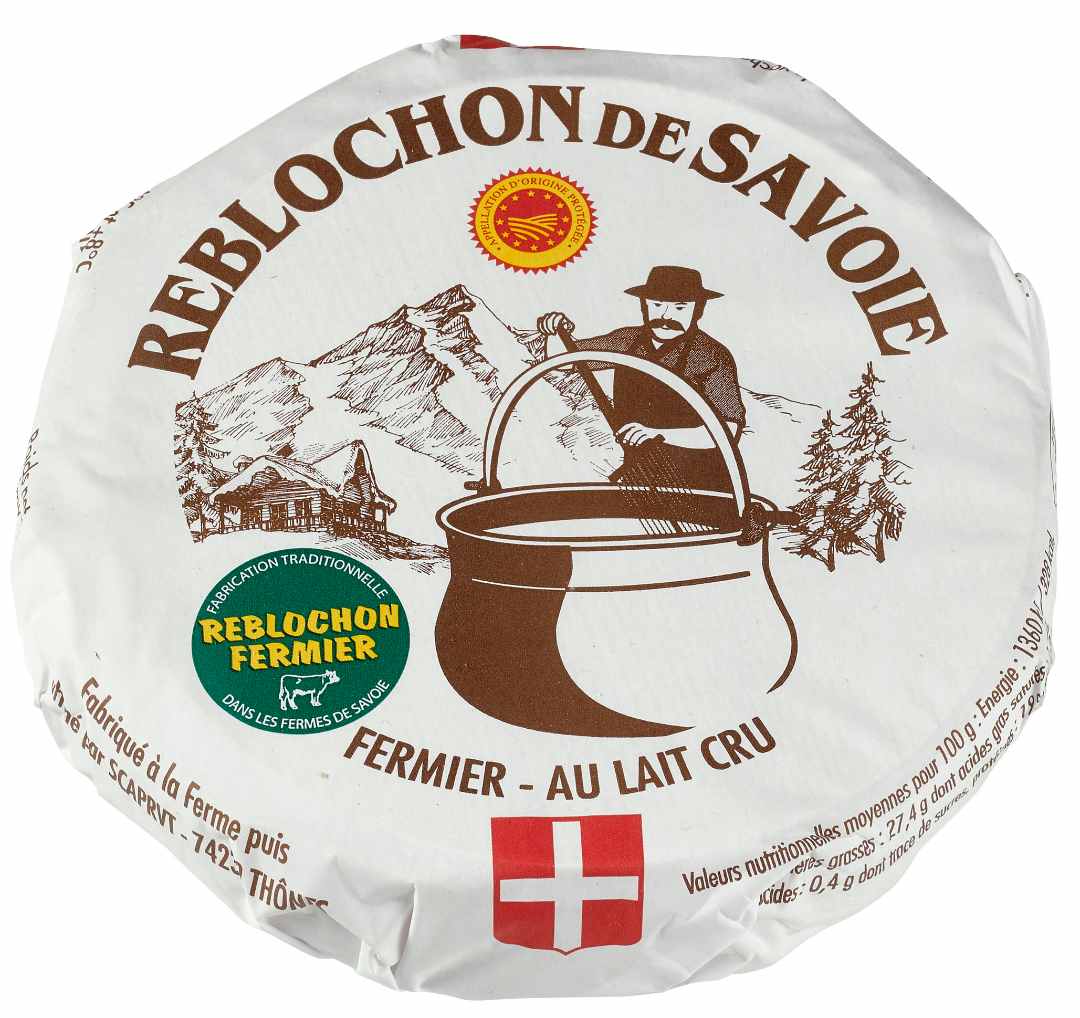
France – Farmer Reblochon AOP

Gov france

Identifying information for the recalled product

  • Product category Food
  • Product sub-category Milk and dairy products
  • Product brand name Unbranded
  • Names of models or references Reblochon de Savoie farmer AOP 450g
  • Product identification
    Lot Dated
    088421204 Date of minimum durability 09/18/2021
  • Packaging Packaged whole cheese
  • Start date / End of marketing From 08/05/2021 to 08/18/2021
  • Storage temperature Product to be stored in the refrigerator
  • Health mark FR 74.280.050 CE
  • Geographical sales area Regions: Provence-Alpes-Côte d’Azur
  • Distributors Local stores

Practical information regarding the recall

  • Reason for recall Presence of Escherichia coli STEC O157H7
  • Risks incurred by the consumer Toxinogenic Escherichia coli shiga (STEC)
  • Consumer behaviour Stop consuming
    Return the product to the point of sale
    Destroy the product
  • Sanitary recommendation Escherichia coli  can cause in the week which follows the consumption of contaminated products, sometimes bloody diarrhoea, abdominal pain and vomiting, with or without fever. These symptoms can be followed (5 to 8% of cases) by severe kidney complications, mainly in children. People who have consumed the products mentioned above and who present this type of symptoms are invited to consult their doctor without delay, notifying him of this consumption as well as the place and date of purchase. In the absence of symptoms within 10 days after consuming the affected products, there is no need to worry and consult a doctor. Generally speaking, the health authorities recall that as a precaution, raw milk and cheeses made from raw milk should not be consumed by young children, particularly those under 5 years old; preferred cooked cheeses (such as Emmental, Comté, etc.), processed cheese spreads and cheeses made from pasteurized milk. The same recommendation should be followed for pregnant women, immunocompromised people and the elderly.
  • Contact number0450320575
  • Compensation modalities Refund
    Exchange
  • End date of the recall procedure Thursday, September 2, 2021

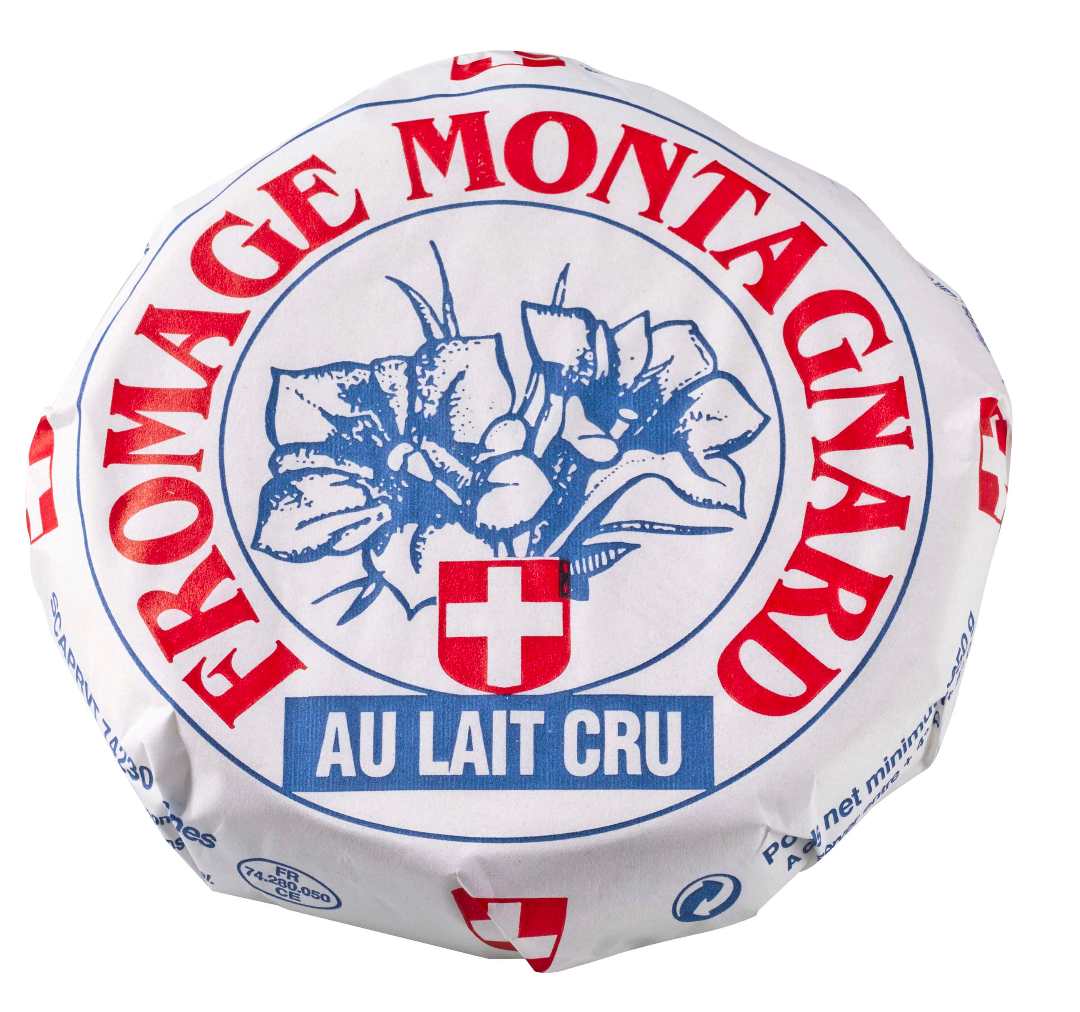
France – Mountain cheese – E.coli O157

Gov france

Identifying information for the recalled product

  • Product category Food
  • Product sub-category Milk and dairy products
  • Product brand name Unbranded
  • Names of models or references Mountain cheese 450g
  • Product identification
    Lot Dated
    088421204 Date of minimum durability 09/19/2021
  • Packaging Packaged whole cheese
  • Start date / End of marketing From 08/05/2021 to 08/18/2021
  • Storage temperature Product to be stored in the refrigerator
  • Health mark FR 74.280.050 CE
  • Geographical sales area Departments: HAUTE-SAVOIE (74)
  • Distributors Point of sale of the cooperative in Thônes

Practical information regarding the recall

  • Reason for recall Presence of Escherichia coli STEC O157H7
  • Risks incurred by the consumer Toxinogenic Escherichia coli shiga (STEC)
  • Consumer behavior Stop consuming
    Return the product to the point of sale
    Destroy the product
  • Sanitary recommendation Escherichia coli  can cause in the week which follows the consumption of contaminated products, sometimes bloody diarrhea, abdominal pain and vomiting, with or without fever. These symptoms can be followed (5 to 8% of cases) by severe kidney complications, mainly in children. People who have consumed the products mentioned above and who present this type of symptoms are invited to consult their doctor without delay, notifying him of this consumption as well as the place and date of purchase. In the absence of symptoms within 10 days after consuming the affected products, there is no need to worry and consult a doctor. Generally speaking, the health authorities recall that as a precaution, raw milk and cheeses made from raw milk should not be consumed by young children, particularly those under 5 years old; preferred cooked cheeses (such as Emmental, Comté, etc.), processed cheese spreads and cheeses made from pasteurized milk. The same recommendation should be followed for pregnant women, immunocompromised people and the elderly.
  • Contact number0450320575
  • Compensation modalities Refund
    Exchange
  • End date of the recall procedure Thursday, September 2, 2021