Category Archives: STEC

Research – Foodborne Illnesses from Leafy Greens in the United States: Attribution, Burden, and Cost

Science Direct

Abstract

Leafy green vegetables are a major source of foodborne illnesses. Nevertheless, few studies have attempted to estimate attribution and burden of illness estimates for leafy greens. This study combines results from three outbreak-based attribution models with illness incidence and economic cost models to develop comprehensive pathogen-specific burden estimates for leafy greens and their subcategories in the United States. We find that up to 9.18% (90% CI: 5.81%-15.18%) of foodborne illnesses linked to identified pathogens are attributed to leafy greens. Including ‘Unknown’ illnesses not linked to specific pathogens, leafy greens account for as many as 2,307,558 (90% CI: 1,077,815–4,075,642) illnesses annually in the United States. The economic cost of these illnesses is estimated to be up to $5.278 billion (90% CI: $3.230-$8.221 billion) annually. Excluding the pathogens with small outbreak sizes, Norovirus, Shiga toxin-producing Escherichia coli (both non-O157 and O157:H7), Campylobacter spp., and nontyphoidal Salmonella, are associated with the highest number of illnesses and greatest costs from leafy greens. While lettuce (romaine, iceberg, “other lettuce”) takes 60.8% of leafy green outbreaks, it accounts for up to 75.7% of leafy green foodborne illnesses and 70% of costs. Finally, we highlighted that 19.8% of Shiga toxin-producing Escherichia coli O157:H7 illnesses are associated with romaine among all food commodities, resulting in 12,496 estimated illnesses and $324.64 million annually in the United States.

RASFF Alert- STEC E.coli – Deer

RASFF

Escherichia coli shigatoxin-producing present in deer (Capreolus) from United Kingdom in France

Research – Comparison of Three Air Sampling Methods for the Quantification of Salmonella, Shiga-toxigenic Escherichia coli (STEC), Coliforms, and Generic E. coli from Bioaerosols of Cattle and Poultry Farms

Science Direct

Abstract

Recent fresh produce outbreaks potentially associated with bioaerosol contamination from animal operations in adjacent land highlighted the need for further study to better understand the associated risk. The purpose of this research was to evaluate three sampling methods for quantifying target bacterial bioaerosols from animal operations. A dairy cattle and poultry farm located in Georgia, U.S. were visited six times each. Air was collected for 10 min using: 2-stage Andersen impactor with and without mineral oil overlay and impingement samplers. Sampling devices were run concurrently at 0.1, 1, and 2 m heights (n = 36). Andersen samplers were loaded with CHROMagar™ Salmonella, CHROMagar™ STEC, or Brilliance™ coliforms/E. coli. The impingement sampler contained buffered peptone water (20 mL) which was vacuum filtered through a 0.45 µm filter and placed onto the respective media. Plates were incubated at 37 ℃ for 48 h. PCR confirmation followed targeting ttr for Salmonella and stx1stx2, and eae genes for STEC. No significant differences were found among methods to quantify coliforms and E. coliSalmonella and STEC bioaerosols were not detected by any of the methods (Limit of detection: 0.55 log CFU/m3). E. coli bioaerosols were significantly greater in the poultry (2.76–5.00 log CFU/m3) than in the cattle farm (0.55–2.82 log CFU/m3) (p < 0.05), and similarly distributed at both stages in the Andersen sampler (stage 1:>7 μm; stage 2: 0.65–7 μm particle size). Sampling day did not have a significant effect on the recovery of coliforms/E. coli bioaerosols in the poultry farm when samples were taken at the broiler house exhaust fan (p > 0.05). A greater and constant emission of coliforms and E. coli bioaerosols from the poultry farm warrants further investigation. These data will help inform bioaerosol sampling techniques which can be used for the quantification of bacterial foodborne pathogens and indicator organisms for future research.

RASFF Alerts – Two Week Catch Up -STEC E.coli – Beef – Raw Milk Soft Cheese – Capreolus Cuts

RASFF

E. Coli STEC en carne de vacuno de Brazil. E. Coli STEC in beef from Brazil. in Spain

RASFF

Recall of Soft Cheese Made with Raw Milk Associated with Two Cases of Shigatoxigenic E coli from Ireland in Northern Ireland

RASFF

STEC in Capreolus cuts from United Kingdom in the Netherlands

USA – CDC – Active Investigations of Multistate Foodborne Outbreaks

CDC

WHAT TO KNOW

  • CDC typically coordinates between 17 and 36 investigations of foodborne illnesses involving multiple states each week. The table below shows the number of active CDC investigations for Campylobacter, Shiga toxin-producing E. coli, Listeria monocytogenes, and Salmonella. It also includes links to any current CDC outbreak notices.
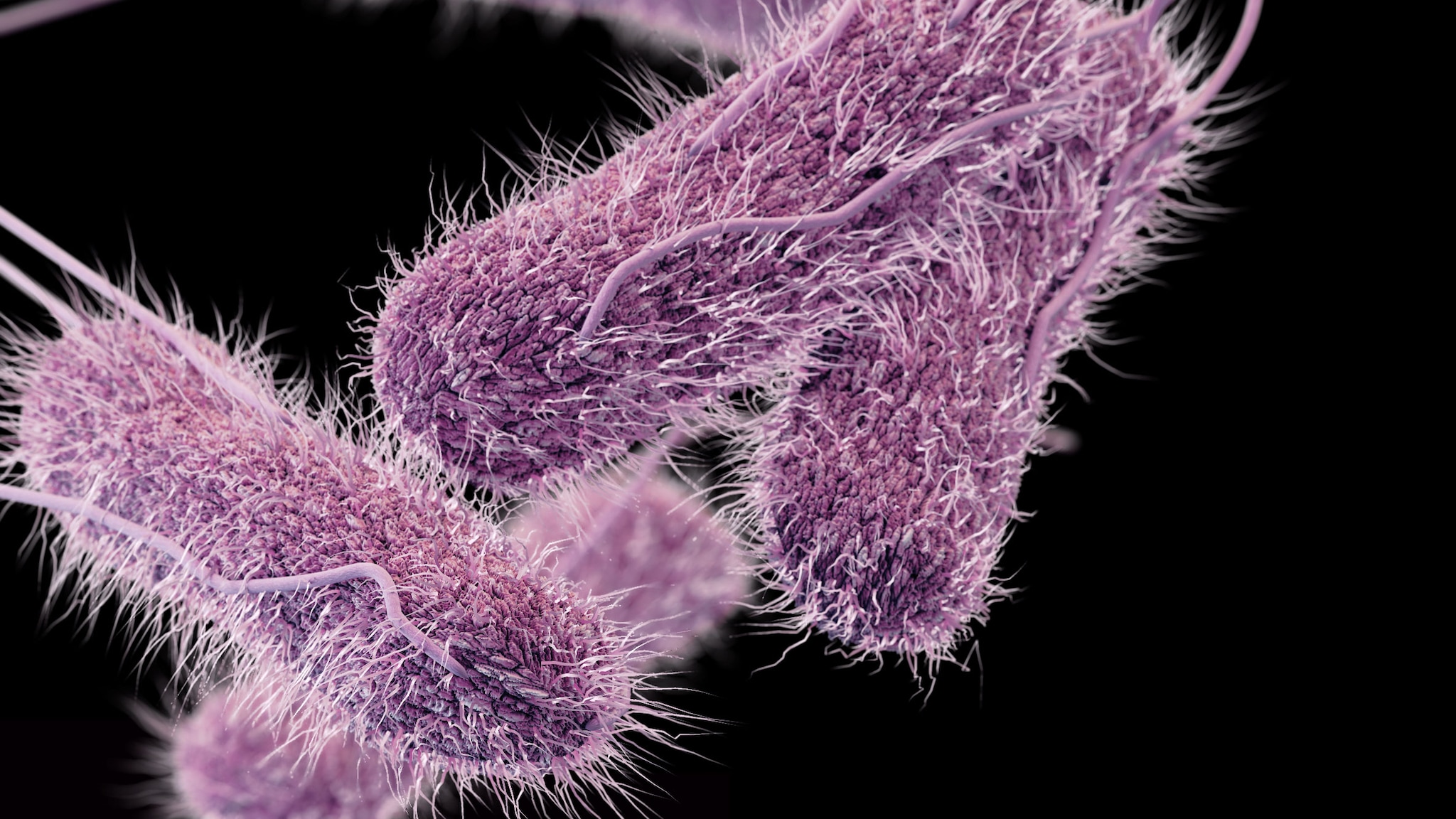
An illustration of what Salmonella looks like under a microscope.

Active multistate outbreaks

Germ Number of Active Multistate Investigations Current CDC Investigation Notices or Food Safety Alerts
Campylobacter 0
  • No active notices or alerts
E. coli 1
Listeria 5
  • No active notices or alerts
Salmonella 13

USA – Clallam, Jefferson and King Counties hit with E. coli Outbreak linked to Gibson Farms Walnuts

Food Poison Journal

Washington Department of Health has weighed in on the 2024 E. coli Multi-state Outbreak Linked to Gibson Farms Organic Walnuts.

Six Washington residents from three counties have been included in this outbreak, including Clallam (1), Jefferson (2), and King (3). Two were hospitalized and none died.

France – Recall Last Week – STEC E.coli

Gov France

Pure butter puff pastry 230g

France – Recalls from Last Week – STEC E.coli O26

Gov France

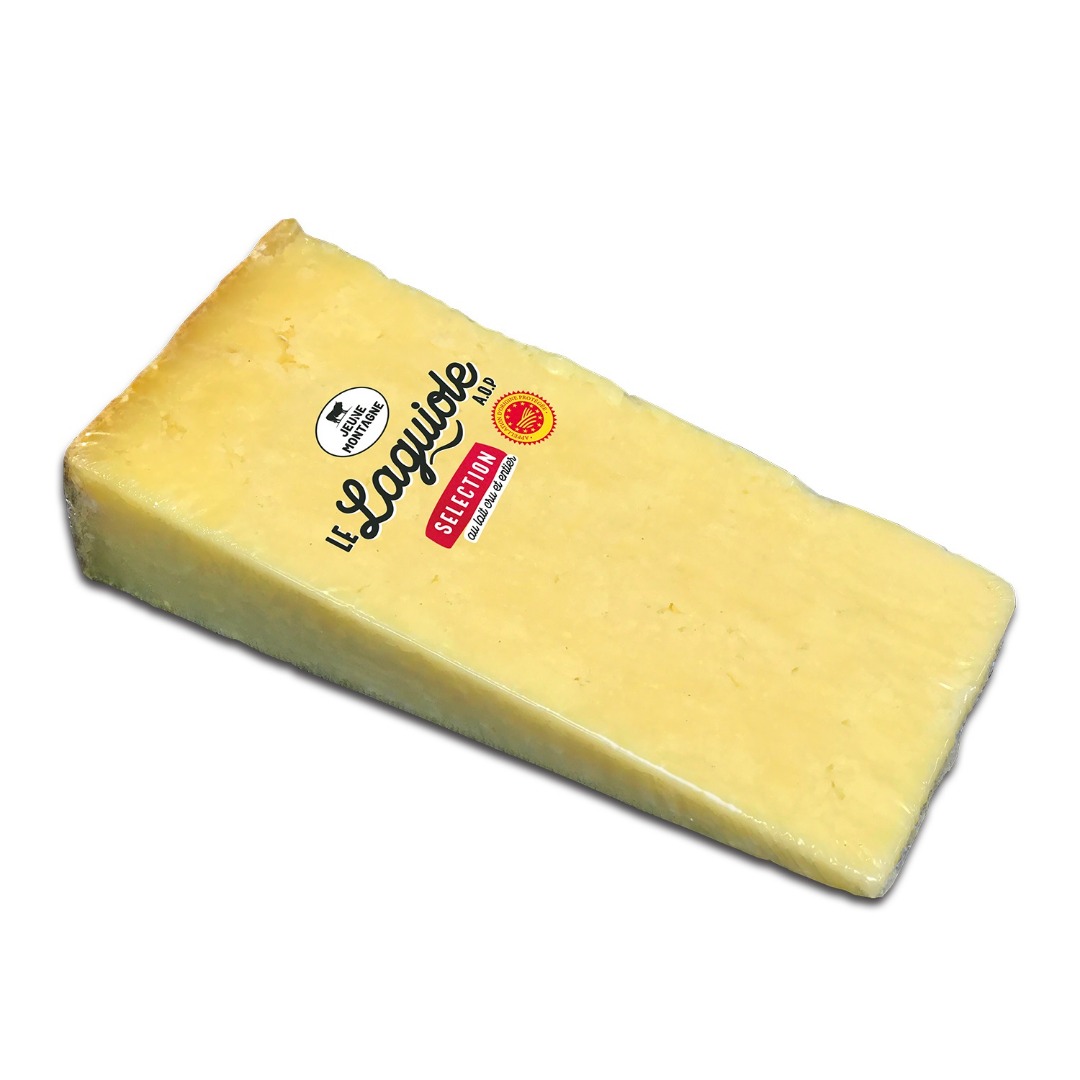
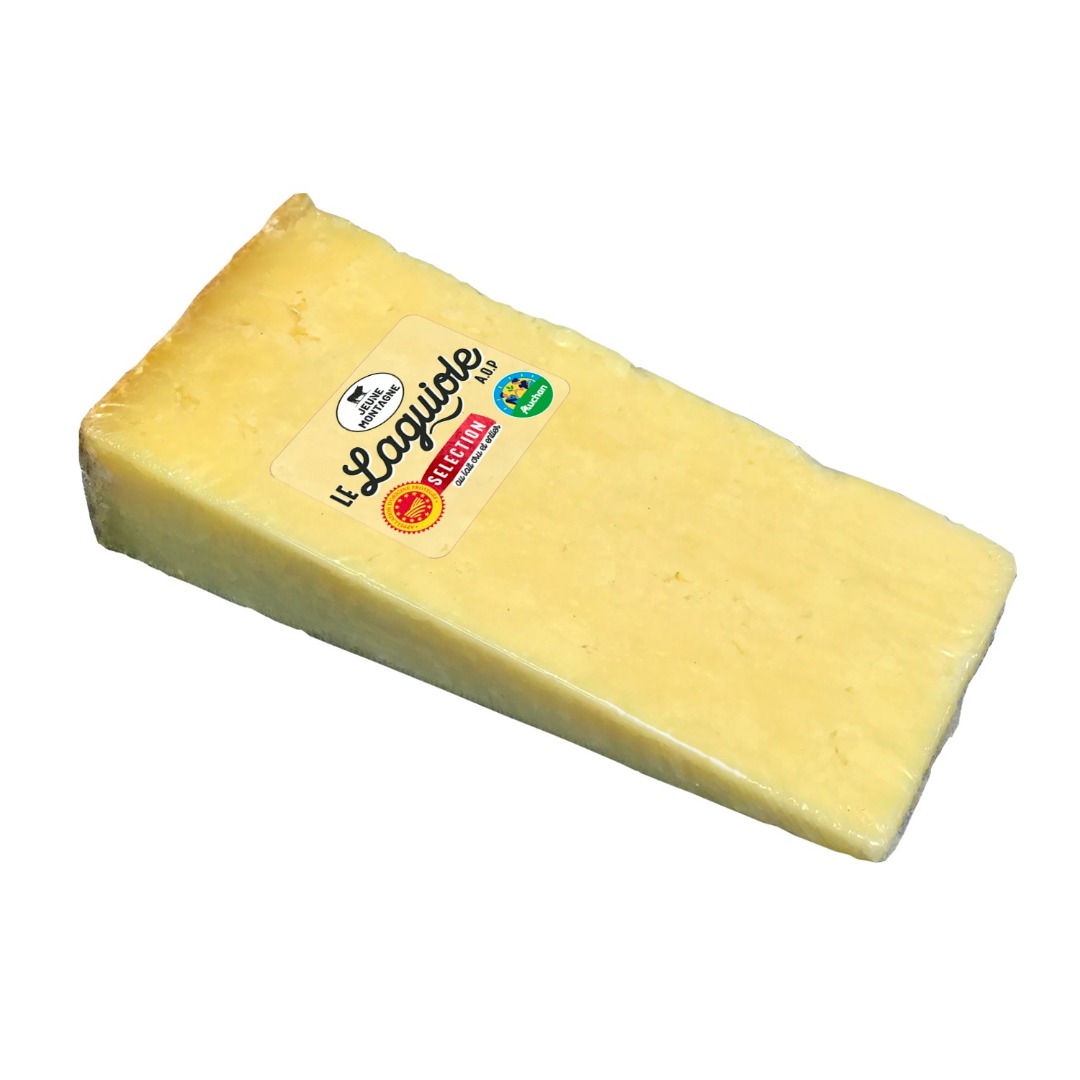
Laguiole 6 months, lot 23199

Gov France

Laguiole 6 months, lot 23199

Research-Raw meat-based diet for pets: a neglected source of human exposure to Salmonella and pathogenic Escherichia coli clones carrying mcr, Portugal, September 2019 to January 2020

Eurosurveillance

The pet industry has evolved in recent decades due to increasing pet populations, stronger human–pet bonds and demand for high-quality pet food products [1,2]. Processed pet food manufactured with various processing methods (e.g. grinding, cooking, extrusion and dehydration) has traditionally been considered microbiological safe and nutritionally suitable for feeding pets [1,3]. However, since some pet owners consider unprocessed food healthier, raw meat-based diets (RMBDs) for dogs have gained popularity [1,2,4]. The RMBDs are mainly composed of uncooked or minimally processed meat, bones and organs, with freezing as the primary treatment, and are considered to be more natural than conventional processed pet food [1,5]. Nevertheless, the scientific evidence supporting RMBD benefits is scarce, and many veterinary professional organisations (e.g. the World Small Animal Veterinary Association) and international public health agencies (e.g. the United States (US) Centers for Disease Control and Prevention (CDC)) view them as potential health hazards for both animals and humans [1,5]; awareness of this issue appears less evident in Europe [6]. The safety concerns associated with RMBDs are related to the potential contamination of raw ingredients with zoonotic pathogenic bacteria and parasites [1,3,4]. Such contamination could lead to the spread of these pathogens to both pets and humans cohabitating with pets, through direct contact with the pet or its feed, or indirectly through contact with contaminated household surfaces or hands during feed preparation.

In the European Union (EU), legal requirements for the use of animal by-products and derived products not intended for human consumption are established, including those to produce processed or raw pet food, helping to ensure microbiological safety [7]. Nevertheless, since 2020, there have been more than 20 notifications or recalls of pet food and RMBD in the EU due to the detection of zoonotic pathogens, particularly  and pathogenic  [8], and also cases of human infections with  and Shiga toxin-producing  (STEC) linked to exposure to RMBDs [911]. Several studies have also established a correlation between the microbiota of pets and their owners, including the presence of antibiotic-resistant strains, with pet food as a potential source [12,13]. However, certain antibiotic-resistant bacteria and genes of public health concern, such as the  gene conferring resistance to the last-line antibiotic colistin, have not been extensively studied in pet food and RMBDs [1,1416]. Consequently, these antibiotic-resistant strains and genes have not been recognised as notable food safety issues in the context of the pet food industry [6]. To address this knowledge gap, we aimed to investigate the occurrence of and further characterise  and other  resistant to critical antibiotics, such as colistin, in dog food, including RMBDs, that is available in stores in Portugal to investigate if they represent a possible source of these hazards to public health.

RASFF Alert – STEC E.coli 026 – 0145- Beef Tartare

 RASFF

Detection of Shigatoxin Escharichia coli (STEC) O26 and O145 in beef tartare from Poland in the UK and Netherlands