Category Archives: STEC E.coli

UK – An urgent health warning has been issued after an STEC E.coli outbreak was linked to a “nationally distributed food item”.

Sky News

An urgent health warning has been issued after an E.coli outbreak was linked to a “nationally distributed food item”.

An unspecified number of people are being treated in hospital due to the outbreak, the UK Health Security Agency (UKHSA) has said.

The UKHSA said testing indicates that most of the 113 cases reported in the UK are “part of a single outbreak” but did not give more details about the “food item” thought to be responsible.

The cases range in age from two years old to 79, with the majority of the infections in young adults.

USA – Cargill recalls ground beef from Walmart stores because of E. coli contamination

Food Safety News

Cargill Meat Solutions, a Hazleton, PA., establishment, is recalling more than 16,000 pounds of raw ground beef products that may be contaminated with E. coli O157:H7, the U.S. Department of Agriculture’s Food Safety and Inspection Service (FSIS) announced.

The ground beef was shipped to Walmart stores nationwide.

“FSIS is concerned that some product may be in consumers’ refrigerators or freezers. Consumers who have purchased these products are urged not to consume them. These products should be thrown away or returned to the place of purchase,” according to the recall notice.

France – Raw goat’s milk cheese – STEC E.coli

Gov France

Product category
Food
Product subcategory
Milk and dairy products
Product brand name
André Plaza farm cheeses
Model names or references
stools on expensive, logs
Product identification
Batch Date
2005 Minimum durability date 07/18/2024
Start/end date of marketing
From 05/21/2024 to 05/30/2024
Storage temperature
Product to keep in the refrigerator
Geographical sales area
Whole France
Distributors
Direct sales on the farm

France – Raw goat’s milk cheese – STEC E.coli

Gov France

Product category
Food
Product subcategory
Milk and dairy products
Product brand name
Saddles on expensive GIE BERRY TOURAINE
Model names or references
Stools on Cher
Product identification
Batch Date
2005 Minimum durability date 07/18/2024
Start/end date of marketing
From 05/21/2024 to 05/30/2024
Storage temperature
Product to keep in the refrigerator
Geographical sales area
Whole France
Distributors
Sté SODEGER 53204 CHATEAU GONTIER VIA GIE BERRY TOURAINE

Research – Use of dishwashers fails to inactivate foodborne pathogens in home-canned model foods

Science Direct

Unlabelled Image

Abstract

Risky home canning techniques are still performed for food preservation due to limited science-based recommendations. This study aimed to evaluate the inactivation of Shiga toxin-producing Escherichia coli O157:H7, Salmonella enterica (ser. Typhimurium, Enteritidis, and Infantis) and Listeria monocytogenes during home canning with a household dishwasher. The 450 mL of blended tomato (acidic liquid food) and potato puree (non-acidic solid food) were prepared with 1.5 % salt and 25 mL vinegar as model foods in glass jars (660 mL). The two model foods were sterilized, then inoculated with separate cocktails of each pathogen at 106–107 CFU/g. The prepared jars were placed in the bottom rack of a dishwasher and subjected to the following cycles: economic (50 °C, 122 min), express (60 °C, 54 min), and intensive (70 °C, 96 min). Temperature changes in jars were monitored by using thermocouples during heat treatment. Within the center of the jars, temperatures were measured as 45 to 53 °C in blended tomato and 44 to 52 °C in potato puree during all tested dishwasher cycles, respectively. The economic cycle treatment reduced S. entericaE. coli O157:H7, and L. monocytogenes populations by 3.1, 4.6, and 4.2 log CFU/g in blended tomato (P ≤ 0.05), where a <1.0 log reduction was observed in potato puree (P > 0.05). All pathogens showed similar heat resistance during the express cycle treatment with a log reduction ranging from 4.2 to 5.0 log CFU/g in blended tomato and 0.6 to 0.7 log CFU/g in potato puree. Reduction in L. monocytogenes population was limited (0.6 log CFU/g) compared to E. coli O157:H7 (2.0 log CFU/g) and S. enterica (2.7 log CFU/g) in blended tomato during the intensive cycle treatment (P ≤ 0.05). Dishwasher cycles at manufacturer defined settings failed to adequately inactivate foodborne pathogens in model foods. This study indicates that home-canned vegetables may cause foodborne illnesses when dishwashers in home kitchens are used for heat processing.

Italy – 2 TARTARE GUSTOSE – STEC E.coli

Salute

Brand : FIORANI CS R L. (IT 592 S CE)

Name : 2 TARTARE GUSTOSE

Reason for reporting : Recall due to microbiological risk

Publication date : 27 May 2024

Documentation
Documentation
Recall model FIORANI CS R L. (IT 592 S CE) – 2 TASTY TARTARE

28-05-2024 – PDF (124.7 Kb)

 Italy – 2 TARTARE GUSTOSE – STEC E.coli

Salute

Brand : FIORANI CS R L. (IT 592 S CE)

Name : 2 TARTARE GUSTOSE

Reason for reporting : Recall due to microbiological risk

Publication date : 27 May 2024

Documentation

Documentation

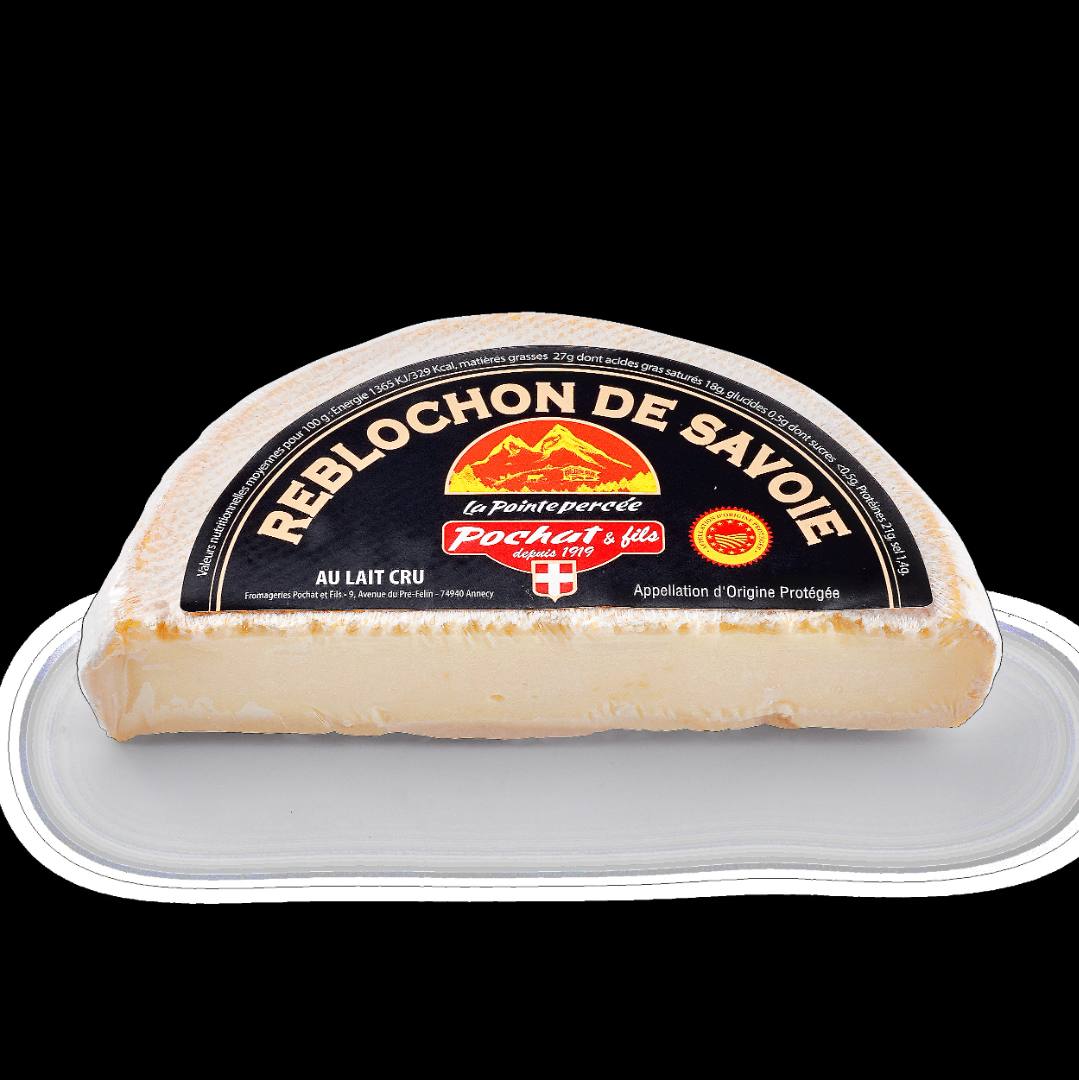
France – Half Reblochon from Savoie – STEC E.coli O103:H2

Gov France

Product category
Food
Product subcategory
Milk and dairy products
Product brand name
POCHAT POINTE PERCEE
Model names or references
Half-reblochon
Product identification
GTIN Batch Date
3294580944275 145184212 Minimum durability date 06/14/2024
Packaging
packaging in film, 230 g
Start/end date of marketing
From 05/23/2024 to 05/24/2024
Storage temperature
Product to keep in the refrigerator
Health mark
FR 74-011-060 CE
Geographical sales area
Whole France
Distributors
CROSSROADS

Research – Foodborne Illnesses from Leafy Greens in the United States: Attribution, Burden, and Cost

Science Direct

Abstract

Leafy green vegetables are a major source of foodborne illnesses. Nevertheless, few studies have attempted to estimate attribution and burden of illness estimates for leafy greens. This study combines results from three outbreak-based attribution models with illness incidence and economic cost models to develop comprehensive pathogen-specific burden estimates for leafy greens and their subcategories in the United States. We find that up to 9.18% (90% CI: 5.81%-15.18%) of foodborne illnesses linked to identified pathogens are attributed to leafy greens. Including ‘Unknown’ illnesses not linked to specific pathogens, leafy greens account for as many as 2,307,558 (90% CI: 1,077,815–4,075,642) illnesses annually in the United States. The economic cost of these illnesses is estimated to be up to $5.278 billion (90% CI: $3.230-$8.221 billion) annually. Excluding the pathogens with small outbreak sizes, Norovirus, Shiga toxin-producing Escherichia coli (both non-O157 and O157:H7), Campylobacter spp., and nontyphoidal Salmonella, are associated with the highest number of illnesses and greatest costs from leafy greens. While lettuce (romaine, iceberg, “other lettuce”) takes 60.8% of leafy green outbreaks, it accounts for up to 75.7% of leafy green foodborne illnesses and 70% of costs. Finally, we highlighted that 19.8% of Shiga toxin-producing Escherichia coli O157:H7 illnesses are associated with romaine among all food commodities, resulting in 12,496 estimated illnesses and $324.64 million annually in the United States.

RASFF Alert- STEC E.coli – Deer

RASFF

Escherichia coli shigatoxin-producing present in deer (Capreolus) from United Kingdom in France