Category Archives: Staphylococcal Toxin

Singapore- Recall of Joymom’s Musang King Snowskin Mooncake and Fragrance’s Single Yolk LotusPaste Baked Mooncake – Staphylococcus aureus

SFA

The Singapore Food Agency (SFA) is conducting a recall for two food products. The
products are:
i. Joymom’s Musang King Snowskin Mooncake
ii. Fragrance’s Single Yolk Lotus Paste Baked Mooncake

2 SFA has detected Staphylococcus aureus (S. aureus) in Joymom’s Musang King
Snowskin Mooncake, and aflatoxins in Fragrance’s Single Yolk Lotus Paste Baked Mooncake,
both at levels exceeding the maximum limits stipulated in Singapore’s Food Regulations.

3 As a precautionary measure, SFA has directed the respective importers, Taste Right
Pte Ltd and Fragrance Foodstuff Pte Ltd, to recall the implicated products. The recall is
ongoing

Japanese boxed meal maker banned from operations over food poisoning

English News

TOKYO, Sept. 25 (Xinhua) — A boxed meal maker in northeastern Japan has been banned by public health authorities from operating due to hundreds of food poisoning cases caused by its products, local media reported.

Yoshidaya, a local maker of boxed meals, commonly known as “bento” in Japanese, voluntarily suspended operations starting Sunday, after being banned from operations on Saturday by public health authorities in Aomori Prefecture.

Nearly 300 people from 24 prefectures in the country, more than half the number of prefectures across Japan, reported symptoms such as diarrhea and vomiting after eating bento meals supplied by the company based in Hachinohe city, Aomori Prefecture.

The number of patients might further increase, a public health official in Hachinohe said.

Staphylococcus aureus and Bacillus cereus, which cause food poisoning, were detected in the feces of the patients who ate bento meals as well as unopened products made by the company, Japan’s Jiji Press reported, citing Hachinohe public health officials.

RASFF Alert – Staphylococcal Enterotoxin in Raw milk Cheese

RASFF

Staphylococcal enterotoxin in raw milk cheese from Switzerland in Germany

Research – First Report of Food Poisoning Due to Staphylococcal Enterotoxin Type B in Döner Kebab (Italy)

MDPI

Abstract

Staphylococcal food poisoning results from the consumption of food contaminated by staphylococcal enterotoxins. In July 2022, the Turin local health board was notified of a suspected foodborne outbreak involving six children who had consumed döner kebab purchased from a takeaway restaurant. The symptoms (vomiting and nausea) were observed 2–3 h later. A microbiological analysis of the food samples revealed high levels (1.5 × 10⁷ CFU/g) of coagulase-positive staphylococci (CPS). The immunoassay detected a contamination with staphylococcal enterotoxins type B (SEB). The whole genome sequencing of isolates from the food matrix confirmed the staphylococcal enterotoxin genes encoding for type B, which was in line with the SEB detected in the food. This toxin is rarely reported in staphylococcal food poisoning, however, because there is no specific commercial method of detection. The involvement of enterotoxin type P (SEP) was not confirmed, though the corresponding gene (sep) was detected in the isolates. Nasal swabs from the restaurant food handlers tested positive for CPS, linking them to the likely source of the food contamination.

RASFF Alert- Staphylococcus aureus – Babi Pangang

RASFF

Too high of Staphylococcus aureus in babi pangang  from the Netherlands in Belgium

Research – Isolation of Biofilm-Forming Staphylococci from the Bulk-Tank Milk of Small Ruminant Farms in Greece

MDPI

Abstract

The objectives of this study were (i) to describe staphylococcal isolates recovered from bulk-tank raw milk collected from sheep and goat farms during a countrywide study performed in Greece, (ii) to study management factors potentially associated with their presence in bulk-tank milk and (iii) to provide evidence regarding their association with the quality of the milk. In total, 312 staphylococcal isolates, recovered from samples of bulk-tank raw milk from 444 small ruminant farms in Greece, were evaluated in this work. The in vitro formation of biofilm by the isolates was tested by combining the findings of (a) culture appearance on Congo Red agar plates and (b) results of a microplate adhesion test. The most frequently identified species was Staphylococcus aureus (75 isolates); other frequently recovered species were S. simulans (44 isolates), S. equorum (34 isolates) and S. haemolyticus (26 isolates); in total, 23 species were identified. In total, 224 (71.8%) isolates were biofilm-forming and were recovered from the bulk-tank milk samples of 148 sheep flocks (45.5%) and 55 goat herds (46.2%). There was evidence of seasonality in the isolation of staphylococci: during spring, mostly biofilm-forming isolates were recovered, whilst during summer, mostly non-biofilm-forming isolates were recovered. Among farms applying machine-milking, the proportion of farms from which biofilm-forming isolates were recovered was higher where water with temperature < 50 °C or ≥90 °C was used to clean the milking parlour. In the multivariable analyses, for farms applying machine-milking, the temperature of the water emerged as the only significant variable (p = 0.024), whilst in farms applying hand-milking, the only tendency that emerged was for the frequency of collection of milk from the farm tank (p = 0.08). In sheep flocks, recovery of biofilm-forming staphylococci from the bulk-tank milk was associated with higher somatic cell counts and higher total bacterial counts in the milk. The study identified abiotic factors related to the presence and isolation of these bacteria, specifically the temperature of water used for the cleaning of the milking parlour (in farms where machine-milking is applied) and the frequency of milk collection from the farm tank. These factors apply after the production of milk, and they could thus be regulated appropriately in order to reduce bacterial load and improve the quality of milk delivered to dairy plants. In sheep farms, an association was also seen between recovery of biofilm-forming staphylococci and high somatic cell counts in milk.

Research – Dynamic Modelling to Describe the Effect of Plant Extracts and Customised Starter Culture on Staphylococcus aureus Survival in Goat’s Raw Milk Soft Cheese

MDPI

Abstract

This study characterises the effect of a customised starter culture (CSC) and plant extracts (lemon balm, sage, and spearmint) on Staphylococcus aureus (SA) and lactic acid bacteria (LAB) kinetics in goat’s raw milk soft cheeses. Raw milk cheeses were produced with and without the CSC and plant extracts, and analysed for pH, SA, and LAB counts throughout ripening. The pH change over maturation was described by an empirical decay function. To assess the effect of each bio-preservative on SA, dynamic Bigelow-type models were adjusted, while their effect on LAB was evaluated by classical Huang models and dynamic Huang–Cardinal models. The models showed that the bio-preservatives decreased the time necessary for a one-log reduction but generally affected the cheese pH drop and SA decay rates (logDref = 0.621–1.190 days; controls: 0.796–0.996 days). Spearmint and sage extracts affected the LAB specific growth rate (0.503 and 1.749 ln CFU/g day−1; corresponding controls: 1.421 and 0.806 ln CFU/g day−1), while lemon balm showed no impact (p > 0.05). The Huang–Cardinal models uncovered different optimum specific growth rates of indigenous LAB (1.560–1.705 ln CFU/g day−1) and LAB of cheeses with CSC (0.979–1.198 ln CFU/g day−1). The models produced validate the potential of the tested bio-preservatives to reduce SA, while identifying the impact of such strategies on the fermentation process.

Research – Staphylococcus aureus in the Processing Environment of Cured Meat Products

MDPI

Abstract

The presence of Staphylococcus aureus in six dry-cured meat-processing facilities was investigated. S. aureus was detected in 3.8% of surfaces from five facilities. The occurrence was clearly higher during processing (4.8%) than after cleaning and disinfection (1.4%). Thirty-eight isolates were typified by PFGE and MLST. Eleven sequence types (STs) were defined by MLST. ST30 (32%) and ST12 (24%) were the most abundant. Enterotoxin genes were detected in 53% of isolates. The enterotoxin A gene (sea) was present in all ST30 isolates, seb in one ST1 isolate, and sec in two ST45 isolates. Sixteen isolates harbored the enterotoxin gene cluster (egc) with four variations in the sequence. The toxic shock syndrome toxin gene (tst) was detected in 82% of isolates. Regarding antimicrobial resistance, twelve strains were susceptible to all the antibiotics tested (31.6%). However, 15.8% were resistant to three or more antimicrobials and, therefore, multidrug-resistant. Our results showed that in general, efficient cleaning and disinfection procedures were applied. Nonetheless, the presence of S. aureus with virulence determinants and resistance to antimicrobials, particularly multidrug-resistant MRSA ST398 strains, might represent a potential health hazard for consumers.

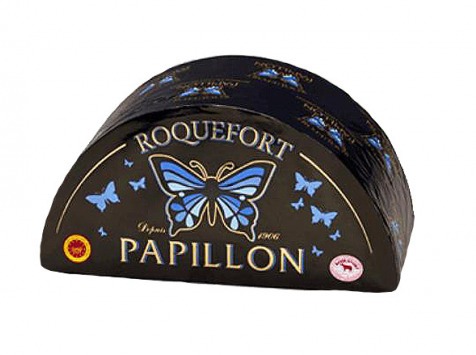
France – ROQUEFORT AOP BLACK BUTTERFLY – Staphylococcal Toxins

Gov france

Identification information of the recalled product

  • Product category Feed
  • Product subcategory Milk and dairy products
  • Product brand name BUTTERFLY
  • Model names or references BLACK BUTTERFLY
  • Identification of products
    GTIN Batch Date
    0205248000000 0390217430 Date of minimum durability 05/24/2023
  • Packaging cut sale
  • Marketing start/end date From 03/31/2023 to 05/05/2023
  • Storage temperature Product to be stored in the refrigerator
  • Geographic area of ​​sale 44700 ORVAULT
  • Distributors E.Leclerc Orvault Grand Val

Research – Evaluation of antimicrobial activity and mechanism of Mentha longifolia L. essential oil

Wiley Online

As the interest in “natural” and “safe” products grows, the use of natural products instead of synthetic preservatives to combat food spoilage and poisoning caused by microorganisms during processing and storage has become a prioritized option. The present research evaluated the antibacterial activity of the Mentha longifolia L. essential oil (MLEO) against several pathogenic bacteria, and the mechanism of action against methicillin-resistant Staphylococcus aureus (MRSA). Gas Chromatography Quadrupole Time-of-Flight Mass Spectrometry (GC-Q-TOF MS) analysis suggested that main components of MLEO were carvone (47.39%) and limonene (12.48%). The oil showed considerable antibacterial activity with MIC values of 0.394–1.576 mg/mL, and could be a promising bactericide. Non-targeted metabolomics analysis based on GC-Q-TOF MS identified 66 different metabolites, and Kyoto Encyclopedia of Genes and Genomes enrichment analysis of these metabolites revealed that MLEO achieves the effects by affecting amino acid metabolism in MRSA.