A Salmonella outbreak in Denmark is continuing to affect more people and has also been linked to three deaths.
The Statens Serum Institut (SSI) previously reported that 25 people were infected and 14 had needed hospital treatment with most falling ill this past month.
The agency has now revealed 33 people have the same type of Salmonella typhimurium in the country and 19 have been hospitalized.
The main pathogenic bacteria in food are Campylobacter and Salmonella. But Listeria in cheese and enterohemorrhagic Escherichia coli (ECEH) bacteria in young shoots have also made headlines in recent years.
Current
Smoked fish, what are the health risks?
04/16/2021 – Smoked fish are popular specialties in Switzerland. Consumed without cooking, they can become a food safety concern if hygiene rules are not respected during processing.
An assessment of the dietary risks associated with smoked fish was carried out as part of a pilot study in collaboration with the Office for Consumer Affairs of the canton of Vaud.
The study did not reveal any major risk, but follow-up should be ensured in order to maintain a high level of food safety and quality. The cantonal authorities concerned will keep this topic in their monitoring program and the FSVO plans to carry out a more detailed assessment.
Likewise, it is very important to wash your hands after coming into contact with animal products, as Campylobacter, Salmonella, Listeria and EHEC are transmitted from animals to humans. These diseases are called zoonoses.
Campylobacter
Infection with Campylobacter bacteria is the most common zoonosis in Switzerland, as in other European countries. It is the cause of gastrointestinal diseases in humans. The illness can last for about a week and in some circumstances may require hospitalization.
Campylobacter infection is characterized by abdominal pain, watery or bloody diarrhea, and an increase in temperature. Vomiting and high fever can also occur.
Infection is caused by contaminated food that has not been sufficiently cooked before consumption or that has come into direct contact with animals. In southern countries, contaminated water sources also represent a significant risk. The main source of infection, however, remains poultry meat.
According to data from the Federal Office of Public Health (OFSP), there are around 1,000 cases of Campylobacter infections each year. All patients do not consult their doctor, this figure is actually much higher. Overall, the number of cases has grown steadily over the past few years to reach around 7,500 during the year 2014.
Prevent Campylobacter infections
Campylobacter bacteria can survive in food, but cannot multiply there. Since contamination by Campylobacter does not affect foodstuffs, it is not possible to identify their presence by smell or appearance.
Campylobacter can be safely eliminated by thoroughly cooking the food at 70 ° C for at least 2 minutes by roasting, cooking or pasteurization. Freezing the food reduces the number of Campylobacter, without eliminating them completely.
Salmonella
Salmonella infection is most often manifested by inflammatory bowel disease with sudden onset of diarrhea, nausea, vomiting, fever, headache and abdominal pain. Salmonella infections are subject to notification .
They usually occur by ingesting contaminated food. The danger comes mainly from poultry, eggs, egg preparations, unpasteurized milk and meat products. Contamination through other animal products, utensils used, water, humans, etc. can occur throughout the food manufacturing process.
Prevent salmonellosis
Salmonella infections are fought on two levels:
the number of infected domestic animals should be reduced;
contamination of food with salmonella must be avoided and their multiplication stopped.
Listeria
In people without weakened immune systems, a Listeria infection is usually accompanied by mild symptoms or even no symptoms at all. People who are immunocompromised can experience a variety of serious symptoms, the outcome of which can be fatal. During pregnancy, a Listeria infection can lead to miscarriage or cause a child to have sepsis or meningitis when it is born.
Listeria transmission is caused by the ingestion of contaminated raw food, mainly of animal origin: meat, smoked fish, cold cuts, soft cheese. Transmission through contact with infected animals is rarer.
Prevent listeriosis
In the first place, the general rules of hygiene should be observed when in contact with food and animals. Pregnant women and people with weakened immune systems should in particular avoid raw vegetables, raw or undercooked meat as well as raw fish and seafood, soft cheese and cheese made from unpasteurized milk. .
Enterohemorrhagic Escherichia coli (EHEC)
The majority of people infected with EHEC have abdominal pain accompanied by cramping, a short-term fever followed by intestinal colic which becomes violent, and slightly bloody hemorrhagic diarrhea. In a minority of people, only watery diarrhea is observed. Cases of EHEC infections are very rare in Switzerland. The mortality rate reaches 3 to 5%.
Escherichia coli bacteria naturally belong to our intestinal flora. EHECs are a pathogenic line of these generally harmless bacteria. Infection occurs first by consuming contaminated animal foods, mainly undercooked ground beef and unpasteurized dairy products. Contaminated drinking water, young shoots, potatoes and unpasteurized apple juice can, for example, also contain EHEC. More rarely, cases of transmission of EHEC are observed through contact with animals or animal faeces.
Prevent EHEC infections
Since a very small number of infectious agents is enough to get sick, it is important to follow the general rules of hygiene. It is therefore strongly recommended to wash your hands thoroughly after having been in contact with animals and to cook the meat thoroughly when preparing meals. Raw food should always be stored in the refrigerator.
Orkla Care is recalling all products under the HUSK and FiberHusk brands that are sold in health food stores, pharmacies and in the grocery trade.
Orkla Care is recalling all HUSK products
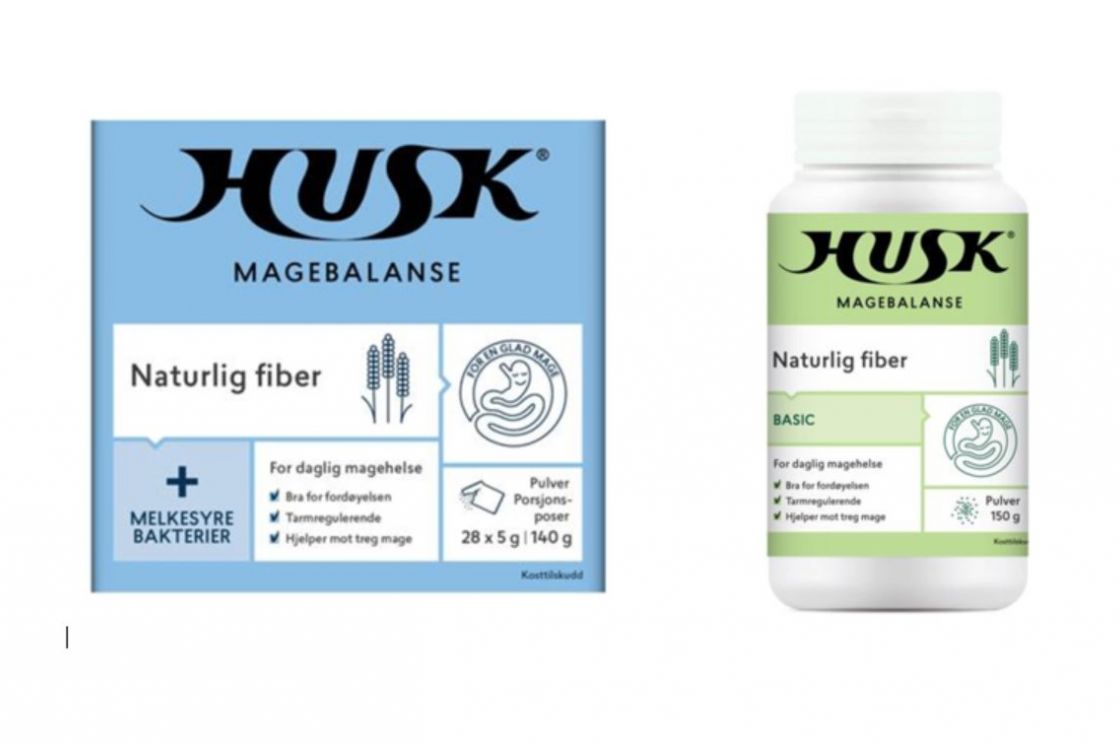
Orkla Care is recalling all products under the HUSK and FiberHusk brands that are sold in health food stores, pharmacies and in the grocery trade. In Denmark, authorities are investigating whether there is a link between a number of cases of salmonella and the intake of HUSK products. There are no signs of salmonella cases linked to HUSK products in Sweden. But as a precautionary measure, Orkla Care now chooses to withdraw all HUSK products from the market.
Product safety and consumer confidence are our top priority. We cooperate with the Danish authorities to ensure that we take all necessary precautionary measures, says Cecilia Gannedahl, Communications Director of Orkla Sweden.
During the many years that the product has been on the Swedish market, we have not seen any similar cases. We have now begun a review of the process from raw material to finished product, says Cecilia Gannedahl, communications director at Orkla Sweden.
The recall applies to the following products from pharmacies and the health food trade:
Product
FiberHusk 100 gr
FiberHusk 300 gr
REMEMBER Stomach in balance Fiber + lactic acid bacteria 200 gr
The recall applies to the following products from the grocery trade:
Product
FiberHusk 100 gr
FiberHusk 300 gr
Consumers who have purchased any of the above products are encouraged to contact Orkla Care Sweden’s consumer contact for replacement of the product: konsumentkontakt@orkla.se or by phone: 0771-99 88 11
Orkla is the Nordic region’s leading player in brands and concept solutions for the grocery trade, pharmacy, bakery and catering. Orklabolagen in Sweden has sales of close to SEK 7,000 million and more than 3,000 employees at 18 facilities and offices. We work to contribute to a more climate-smart everyday life and are behind several of Sweden’s most well-known brands, such as Grumme, Felix and OLW. We want to be your friend in everyday life.
Olymel S.E.C./L.P., a Quebec, Canada establishment, is recalling approximately 6,804 pounds of ready-to-eat (RTE) ham products that may be contaminated with Salmonella Enteritidis, the U.S. Department of Agriculture’s Food Safety and Inspection Service (FSIS) announced today.
The ham items were packaged on November 5, 2020. The following products are subject to recall [View Labels (PDF Only)]:
12-lb. plastic film vacuum package of “Celebrity EXTRA LEAN IMPORTED HAM 98% FAT FREE” with product codes “20309 11 – 91”, “20309 21 – 91”, “20309 31 – 91”, “20309 41 – 91” or “20309 51 – 91” printed on the side of the packaging.
The products subject to recall bear Canadian establishment number 180 inside the Canadian inspection mark located below the ingredient list. These items were shipped to distributors in California for further distribution for institutional use.
The problem was discovered when FSIS collected a routine product import sample that confirmed positive for the presence of Salmonella Enteritidis. The product subject to recall was determined by the Canadian Food Inspection Agency (CFIA) to be associated with the FSIS positive sample result.
There have been no confirmed reports of adverse reactions due to consumption of these products. Anyone concerned about an injury or illness should contact a healthcare provider.
Consumption of food contaminated with Salmonella can cause salmonellosis, one of the most common bacterial foodborne illnesses. The most common symptoms of salmonellosis are diarrhea, abdominal cramps, and fever within 6 hours to 6 days after eating the contaminated product. The illness usually lasts 4 to 7 days. Most people recover without treatment. In some persons, however, the diarrhea may be so severe that the patient needs to be hospitalized. Older adults, infants, and persons with weakened immune systems are more likely to develop a severe illness. Individuals concerned about an illness should contact their health care provider.
FSIS is concerned that some product may be in consumers’ refrigerators or freezers. Consumers who have purchased these products are urged not to consume them. These products should be thrown away or returned to the place of purchase.
FSIS routinely conducts recall effectiveness checks to verify recalling firms notify theircustomers of the recall and that steps are taken to make certain that the product is no longer available to consumers. When available, the retail distribution list(s) will be posted on the FSIS website at www.fsis.usda.gov/recalls.
Updated 17.04.21 at 11:55 – Distribution: Recalled products were for sale in Lyfjavers store on Suðurlandsbraut, Lyfjavers online store and Kaupfélag Skagfirðinga in Sauðárkrókur. No further distribution within the country is known at this time, but work is continuing to gather information on distribution.
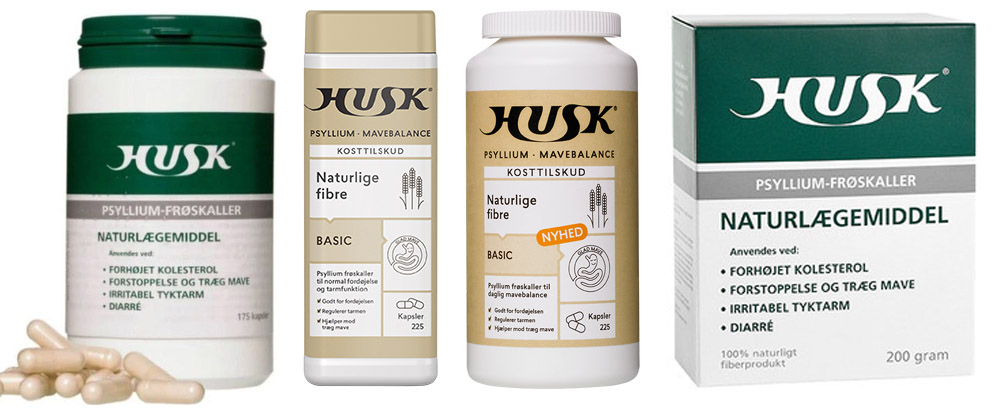
Matvælastofnun warns against consuming HUSK PSYLLIUM FROSKALLER and HUSK PSYLLIUM MAVEBALANCE fiber capsules and powders from the company Orkla Care. Salmonella has been identified in the products and three deaths and a number of infections in Denmark can be traced to their consumption.
Matvælastofnun and the municipal health inspectorate continue to work on obtaining information on distribution to Iceland. The products have been imported to the country and are available in pharmacies, among other places. Recall is ongoing in all rounds. Full distribution is not available at this time, but further information will be published as soon as it is available.
Orkla Care A / S recalls all products of HUSK supplements, ie. REMEMBER capsules and REMEMBER powder, incl. FiberHUSK due to the risk of salmonella in the product. 13.04.2021 UPDATED – New batch number and product image added 16.04.2021 UPDATED – Recall extended with all products
Recalled Foods , Published: April 9, 2021
Modified April 16, 2021
Updated 13.04.2021: New batch number and product image added
Updated 16.04.2021: Recall extended with all products
The FDA has concluded its investigation of an outbreak of Salmonella Miami with a one-word public statement: closed.
A source for the pathogen, which has sickened at least 64 people, remains unknown, according to the Food and Drug Administration. In its weekly outbreak update, the agency ended the investigation with as little fanfare as it began it. The FDA’s initial announcement was a one-line entry on its weekly outbreak update table.
As of yesterday, the Centers for Disease Control and Prevention had not posted any information about the outbreak. The CDC did not respond to a request for comment on April 14, the day of the FDA announcement.





 FoodWorld


