Category Archives: Salmonella

USA – FDA Releases Report on Findings from Sampling of Romaine Lettuce in Yuma, AZ

FDA

Eurofins Food Testing UK

October 7, 2021

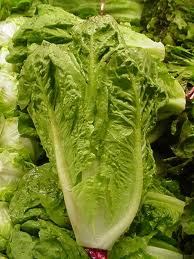
The FDA is releasing the findings of a sampling assignment for which FDA collected and tested romaine lettuce from commercial coolers in Yuma County, Arizona during February and March 2021. The agency tested the lettuce for Shiga toxin-producing Escherichia coli (STEC), specifically enterohemorrhagic Escherichia coli (EHEC), and Salmonella spp. This assignment was part of the FDA’s ongoing surveillance following multistate E. coli O157:H7 outbreaks of foodborne illness in recent years linked to or potentially linked to romaine lettuce.

The agency’s goal in conducting this assignment was to determine whether the target pathogens and specific strains may be present in romaine lettuce from the Yuma agricultural region, to help prevent foodborne illness when possible. If product that tested positive for EHEC or Salmonella was found, the Agency planned to work with industry and state regulatory partners to identify the cause (e.g., farm follow-up investigation) to inform future regulatory and/or research efforts and to develop strategies that could help preventive additional outbreaks.

The FDA collected 504 romaine samples for EHECs and Salmonella spp., with the testing performed by an independent laboratory on contract, as part of a pilot project. Each sample consisted of 10 subsamples, and each subsample was made up of at least 300 grams of romaine lettuce (whole heads, hearts or individual leaves).  Collecting and testing samples composed of multiple subsamples increases the probability of detecting pathogens if present, since microbial hazards may not be uniformly present.

During the assignment the FDA detected E. coli O130:H11 in one sample.  The isolate was found to be moderate to high risk and could be capable of causing severe illness in humans, though it was not linked to any known human illnesses, and no product ever reached consumers. The owner of the product did not harvest the remaining crop from the field where it was grown.

In response to the finding, FDA conducted an investigation at the farm to identify possible sources and routes of contamination. The FDA was able to collect romaine lettuce from the field, multiple samples of soil, water, sediment, and animal fecal material. FDA also assessed farm equipment and other surfaces. Only one of the total 24 samples yielded STEC (specifically, E. coli O116:H-). This sample came from the outer leaves of romaine lettuce. The strain was further characterized as low risk to human health, and FDA’s analysis indicated the strain was not linked with any past known foodborne illness outbreaks.

Helping to ensure the microbiological safety of leafy greens continues to be a priority of the FDA. Romaine lettuce and other leafy greens are among the most widely consumed vegetables in the United States and are an important part of a healthy diet. The agency is working on several fronts to help prevent microbial contamination of leafy greens and to prevent outbreaks of foodborne illness. Chief among these efforts is the FDA’s Leafy Greens STEC Action Plan (LGAP), which features public health approaches related to response, prevention and addressing knowledge gaps. The FDA continues to collaborate with industry, states, academia and other stakeholders through activities outlined in the LGAP to address this important public health issue.
RASFF Alerts – Salmonella – Polish Chicken Products – Black Pepper – Sesame Seeds – Mozzerella – Chicken Neck Skins- Chicken Breast

RASFF

Salmonella Enteritidis in samples of chicken neck skins from Poland in Poland, Romania, Netherlands and Czech Republic

RASFF

Salmonella Newport in samples of chicken neck skins from Poland in the Czech Republic

RASFF

Salmonella enterica ser. Cerro in organic sesame seeds from Ethiopia in Germany

RASFF

Salmonella Javiana in black pepper from Brazil in Germany

RASFF

Poultry meat – Salmonella enteritidis from Poland in Poland and France

RASFF

Salmonella Newport in samples of chicken neck skins from Poland in Poland, Germany, Italy and Lithuania

RASFF

Salmonella in Mozzarella Di Bufala from Italy in Belgium

RASFF

Salmonella Newport in chicken neck skins from Poland in Belgium, Hungary, Lithuania, Poland and Spain

RASFF

Salmonella in black pepper from Brazil in the Netherlands

RASFF

Salmonella in black pepper from Brazil in the Netherlands

RASFF

Salmonella Infantis in chilled chicken breast from the Ukraine in Hungary and Slovakia

RASFF

Salmonella in black pepper from Brazil in Spain

RASFF

Salmonella in Brazilian black pepper in the Netherlands

RASFF

Salmonella enteritidis in chicken neck skins from The Czech Republic in Slovakia

RASFF Alert – Animal Feed – Salmonella – Tuna Flour

RASFF

Presence of Salmonella enterica in Tuna Flour from Spain in Italy and Greece

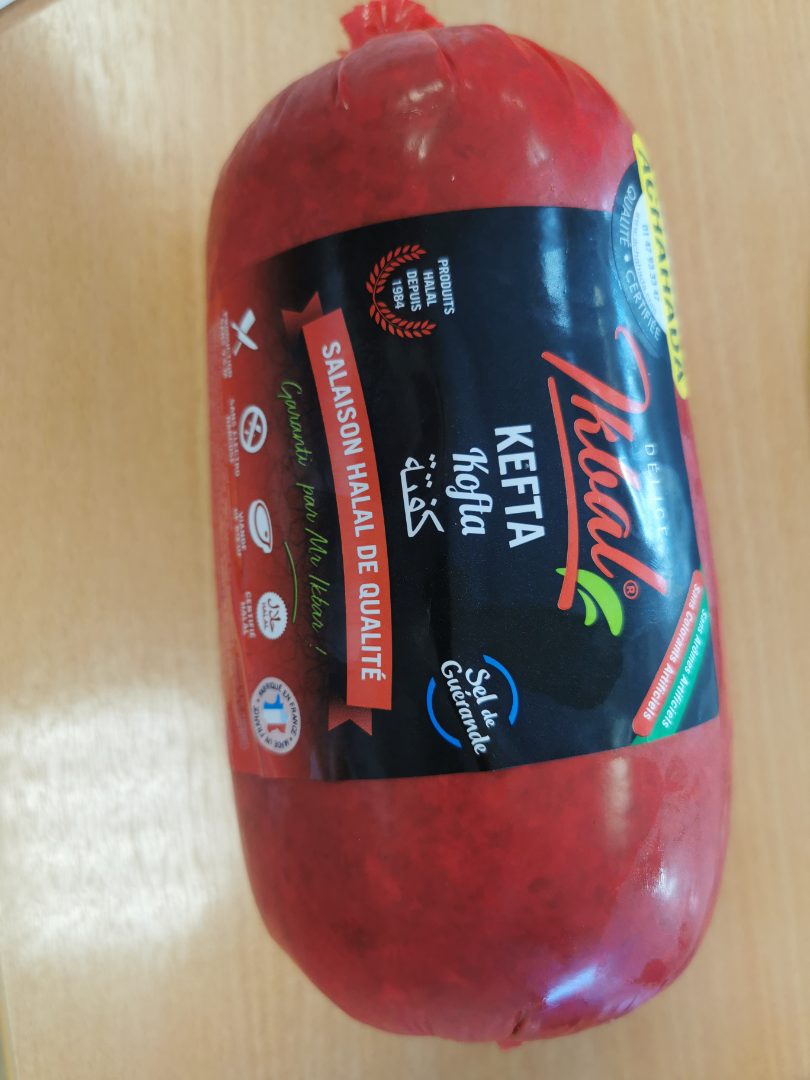
France – SPICY BEEF KEFTA – Salmonella and Listeria monocytogenes

Gov france

Identifying information for the recalled product

  • Product category Food
  • Product sub-category Meats
  • Product brand name DELICE IKBAL
  • Names of models or references SPICY BEEF KEFTA
  • Product identification
    Lot Dated
    22-20-09-21 Use-by date 10/20/2021
  • Packaging Bright red tubular
  • Start date / End of marketing From 09/21/2021 to 09/30/2021
  • Storage temperature Product to be stored in the refrigerator
  • Health markFR77458004CE
  • Further information The product is in a bright red casing
  • Geographical sales area Whole France
  • Distributors Delice Ikbal

Practical information regarding the recall

  • Reason for recall Presence of salmonella spp / 25g Presence of Listeria monocytogenes / 25g
  • Risks incurred by the consume Listeria monocytogenes (causative agent of listeriosis)
    Salmonella spp (causative agent of salmonellosis)

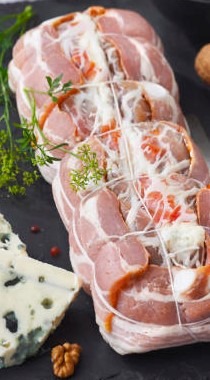
France – Filet mignon with Roquefort – Salmonella

Gov france

Identifying information for the recalled product

  • Product category Food
  • Product sub-category Meats
  • Product brand name unbranded
  • Names of models or references Filet mignon with Roquefort prepared on site on 09/27/2021 and sold in bulk in the window of the traditional department until 09/29/2021.
  • Product identification
    Lot Dated
    Filet mignon with Roquefort prepared on site on 09/27/2021 and sold in bulk in the window of the traditional department until 09/29/2021. Use-by date 09/30/2021
  • Packaging In bulk, sale in traditional department window
  • Start date / End of marketing From 09/27/2021 to 09/29/2021
  • Storage temperature Product to be stored in the refrigerator
  • Geographical sales area Departments: SEINE-SAINT-DENIS (93)
  • Distributors Novoviande Villepinte

Practical information regarding the recall

  • Reason for recall presence of Salmonella
  • Risks incurred by the consume Salmonella spp (causative agent of salmonellosis)

USA – Outbreak Investigation of Salmonella Typhimurium: Bright Farms Packaged Salad Greens (July 2021) -Outbreak is over

FDA

The FDA, along with CDC and state and local partners, investigated a multistate outbreak of Salmonella Typhimurium infections linked to the consumption of BrightFarms packaged salad greens produced in the firm’s Rochelle, IL facility.

FDA visited the facility and collected samples. Some environmental samples taken inside the facility tested positive for Salmonella Liverpool, but were not a match to the outbreak strain. In addition, a sample collected from an outdoor storm water drainage pond adjacent to the facility was analyzed and reported to be Salmonella Typhimurium and a genetic match to the outbreak strain.

Although no clear route of contamination was readily identified, the FDA is preparing a report to discuss findings and provide information to assist in future prevention efforts.

Recommendation

CDC has declared this outbreak to be over.

Investigation Background

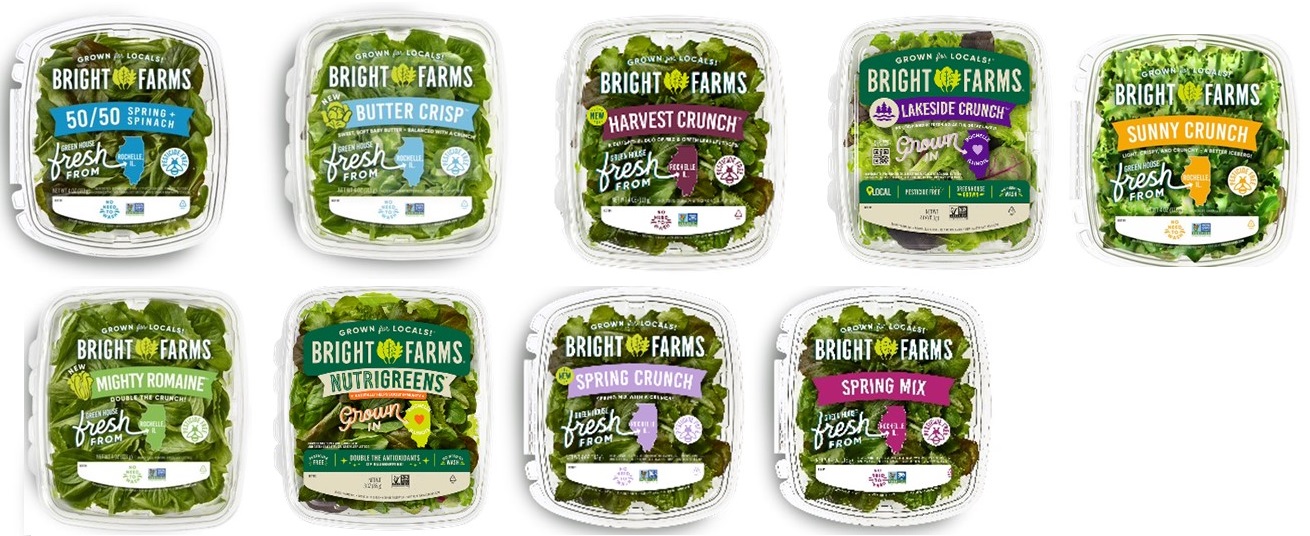
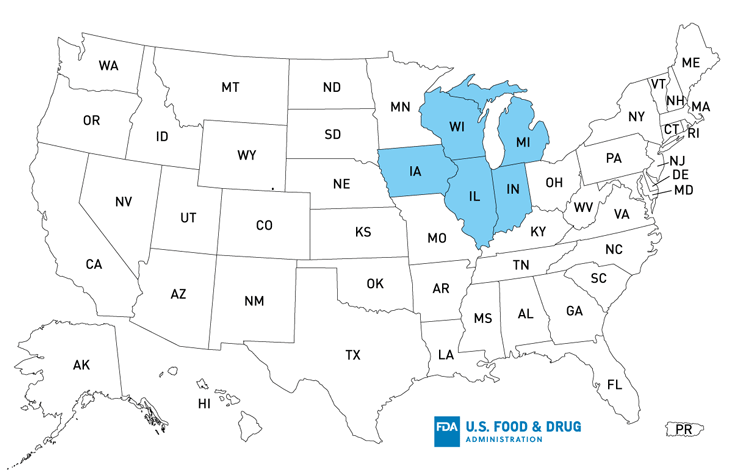
On July 15, 2021, BrightFarms recalled packaged salad greens produced in its Rochelle, Illinois (Ogle County) greenhouse farm sold in Illinois, Indiana, Iowa, and Wisconsin. On July 21, 2021, Michigan was added to the list of states that received recalled products. Interview data and shopper card records show that 15 people ate or bought multiple types of BrightFarms brand salad products before they got sick, including Sunny Crunch, 50/50 Spring & Spinach, Harvest Crunch, and Butter Crisp. FDA conducted a traceback investigation and identified the farm in Rochelle, IL, as the likely source of the BrightFarms brand salad bought by people who became ill. On July 28, 2021, following positive sample results, BrightFarms expanded their recall to include Baby Spinach packaged in clear, plastic clamshells with “Best By” dates through 7/26/2021.


Product Images

Outbreak Investigation of Salmonella Typhimurium in BrightFarms Packaged Salad Greens - Product Images

View Larger Images

Map of U.S. Distribution of Recalled BrightFarms Products

Outbreak Investigation of Salmonella Typhimurium in BrightFarms Packaged Salad Greens - Map of U.S. Distribution of Recalled Products (October 6, 2021)

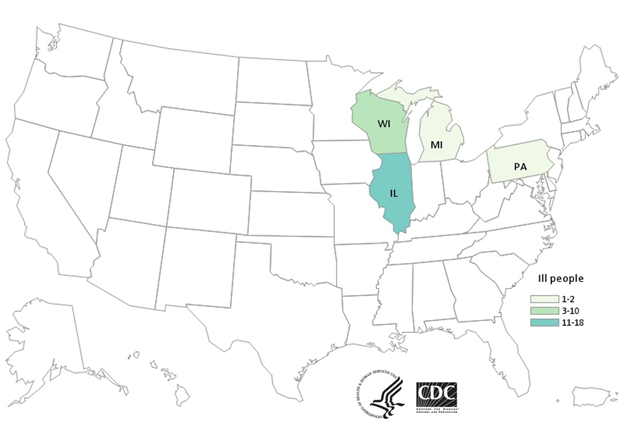
Case Count Map Provided by CDC

Outbreak Investigation of Salmonella Typhimurium in BrightFarms Packaged Salad Greens - CDC Case Count Map (October 6, 2021)

Case Counts

Total Illnesses: 31
Hospitalizations: 4
Deaths: 0
Last Illness Onset: August 18, 2021
States with Cases: IL (18), MI(1), PA (2), WI (10)
Product Distribution*: IA, IL, IN, MI, WI
*Distribution has been confirmed for states listed, but product could have been distributed further, reaching additional states

Italy- SEASONED SAUSAGE – Salmonella

Salute

Brand : SALUMIFICIO CORNICCHIA SRL

Name : SEASONED SAUSAGE

Reason for reporting : Recall due to microbiological risk

Publication date : 5 October 2021

Click to access C_17_PubblicazioneRichiami_1505_azione_itemAzione0_files_itemFiles0_fileAzione.pdf

Iceland – Ali, Bónus, FK – Chicken – Salmonella

MAST

Matvælastofnun warns against consuming one batch of chicken from Matfugl marked Ali, Bónus or FK due to suspicion of salmonella infection. The company has recalled the product from the market.

The recall only applies to the following batch:

  • Product name: Ali, Bónus, FK
  • Producer: Matfugl ehf, Völuteigi 2, 270 Mosfellsbær
  • Batch number: 011-21-34-5-29 (whole chicken, breast, puffins, chunks, marinated chicken breast),
  • Packing date: 29.09.2021 – 01.10.2021
  • Distribution: Bonus shops, ISK shops, Fjarðarkaup, Kassinn.

Consumers who have purchased chicken with this traceability number are asked to return it to the relevant store or directly to Matfugl ehf., Völuteigi 2, Mosfellsbær.

Research – Here’s why it’s dangerous to let your dog lick your plate

Country Living

Should you let your dog lick your plate? While many owners share table scraps with their furry friends, one vet has warned of the possible health dangers if your dog shares food directly from your plate.

According to Team Dogs, plates licked by dogs can harbour hidden bacteria such as salmonella which cannot be destroyed by dishwashing. As well as this, many foods still lingering on human plates can be poisonous to dogs, resulting in your pup becoming poorly.

New research by Wren Kitchens found that one in six (15%) of households in the UK let their dogs lick their plates, meanwhile Twitter findings by Team Dogs discovered that 61.5% of voters said they don’t let their dogs lick the plate. It might seem like a harmless dinnertime treat, but owners should keep dog and human dishes separate at all times.

Czech Republic – Poultry liver dumplings – Salmonella

Potravinynapranyri

Place of inspection:
Uhersky Brod ( Pod Valy 221, 68801 Uhersky Brod )
Company ID: 25532073
Food group: Meat and meat products Meat semi-finished products

Poultry liver dumplings
Category: Dangerous food
Unsatisfactory parameter:

Salmonella Infantis

The pathogenic bacterium Salmonella Infantis was detected in the semi-finished product . This bacterium can cause a condition called salmonellosis.

Expiration date: 7/29/2022
Producer: RACIOLA Uhersky Brod, sro
Country of origin:  Czechia
Date of sampling: 5. 8. 2021
Reference number: 21-000064-SVS-CZ
The sample was found by official inspection of the State Veterinary Administration.