Category Archives: Salmonella

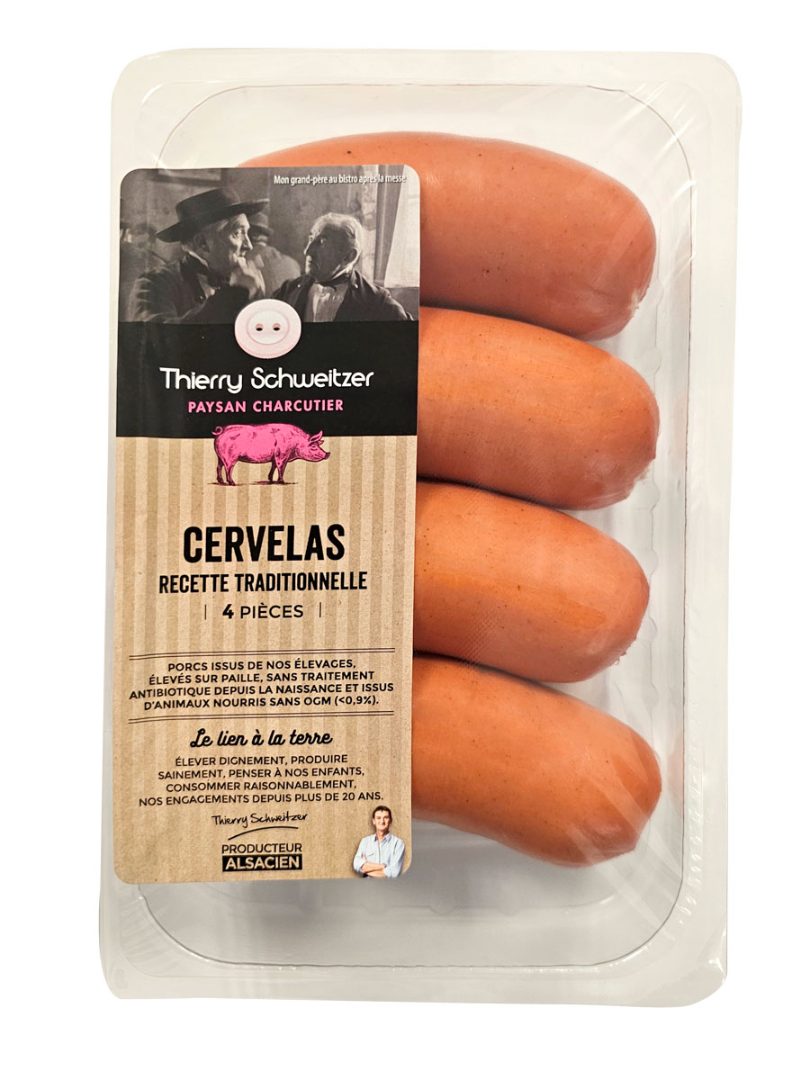
France – Smoked Cervelas – Salmonella

Gov France

Product Category
Food
Product subcategory
Meats
Product brand name
Thierry SCHWEITZER
Model names or references
SMOKED CERVELAS HVE SMOKED CERVELAS
Product identification
GTIN Batch Date
3760041607336 24190-013 Expiry date 05/08/2024
3760390820370 24190-013 Expiry date 05/08/2024
Packaging
Bag of 14 pieces in a protective atmosphere Tray of 4 pieces in a protective atmosphere
Start/End of marketing date
From 07/10/2024 to 07/26/2024
Storage temperature
Product to be kept in the refrigerator
Health mark
FR67.348.009CE
Geographic area of ​​sale
Departments: MOSELLE (57), BAS-RHIN (67), HAUT-RHIN (68)
Distributors
see list of points of sale

RASFF Alerts – Salmonella – Polish Poultry Products – Sesame Seeds – Pork Cheek – Eggs – Frozen Blackberries – Chicken Carcases + Cuts

RASFF

Potential risk of Salmonella in eggs from Sweden in Denmark

RASFF

Salmonella in pork cheek from Italy in Sweden

RASFF

Salmonella Enteritidis (in 1 out of 5 samples) in fresh broiler chicken thigh meat from Poland in Lithuania

RASFF

Salmonella detected in preparation of poultry meat from Poland in Italy

RASFF

Salmonella enterica in frozen blackberry from Morocco in Poland

RASFF

S. typhimurium typhimurium in chicken carcasses and cuts from France in Belgium, Germany, Italy and Switzerland

RASFF

Salmonella Enteritidis in chicken meat from Poland in Slovakia

RASFF

Salmonella spp. in sesame seeds from India in Poland and Germany

RASFF Alert- Animal Feed – Salmonella – Fish Meal

RASFF

Salmonella in fishmeal from Morocco in Spain

Research – The microbiological quality of flour products in the UK with respect to Salmonella and Shiga-toxin-producing Escherichia coli

Applied Microbiology

Abstract

Aim

To investigate the possible contamination of raw flour and raw flour-based products, such as pancake/batter mixes, with Salmonella, generic Escherichia coli, and Shiga-toxin-producing E. coli (STEC). Samples included flours available for sale in the UK over a period of four months (January to April 2020). The Bread and Flour regulations, 1998 state the permitted ingredients in flour and bread but it does not specify the regular monitoring of the microbiological quality of flour and flour-based products.

Methods and results

Samples of raw flour were collected by local authority sampling officers in accordance with current guidance on microbiological food sampling then transported to the laboratory for examination. Microbiological testing was performed to detect Salmonella spp., generic E. coli, and STEC characterized for the presence of STEC virulence genes: stx1, stx2, and subtypes, eae, ipah, aggR, lt, sth, and stp, using molecular methods Polymerase Chain Reaction (PCR). Of the 882 flours sampled, the incidence of Salmonella was 0.1% (a single positive sample that contained multiple ingredients such as flour, dried egg, and dried milk, milled in the UK), and 68 samples (7.7%) contained generic E. coli at a level of >20 CFU/g. Molecular characterization of flour samples revealed the presence of the Shiga-toxin (stx) gene in 10 samples (5 imported and 5 from the UK) (1.1%), from which STEC was isolated from 7 samples (0.8%). Salmonella and STEC isolates were sequenced to provide further characterization of genotypes and to compare to sequences of human clinical isolates held in the UKHSA archive. Using our interpretive criteria based on genetic similarity, none of the STEC flour isolates correlated with previously observed human cases, while the singular Salmonella serotype Newport isolate from the mixed ingredient product was similar to a human case in 2019, from the UK, of S. Newport. Although there have been no reported human cases of STEC matching the isolates from these flour samples, some of the same serotypes and stx subtypes detected are known to have caused illness in other contexts.

Conclusion

Results indicate that while the incidence was low, there is a potential for the presence of Salmonella and STEC in flour, and a genetic link was demonstrated between a Salmonella isolate from a flour-based product and a human case of salmonellosis.

USA- FDA – Investigations of Foodborne Illness Outbreaks

FDA

What’s New

  • A new outbreak of Cyclospora cayetanensis illnesses (ref #1237) linked to a not yet identified product has been added to the table. FDA has initiated traceback.
  • A new outbreak of Cyclospora cayetanensis illnesses (ref #1239) linked to a not yet identified product has been added to the table. FDA has initiated traceback.
  • For the outbreak of Salmonella Irumu (ref #1235) linked to a not yet identified product, the case count has increased from 31 to 32.
  • For the outbreak of Salmonella Typhimurium (ref #1234) linked to a not yet identified product, FDA has initiated sample collection.
  • For the investigation of illnesses (ref #1233) linked to Diamond Shruumz-brand Chocolate Bars, Cones, and Gummies, the advisory has been updated to include additional illnesses and a list of retailers that may have received recalled product.
  • For the investigation of Listeria monocytogenes (ref #1232) illnesses, the outbreak has ended and FDA’s investigation has closed.  Based on CDC’s epidemiological investigation, ill people reported eating salad mixes before becoming sick. CDC, FDA, and state and local partners conducted epidemiologic and traceback investigations and collected and analyzed finished product and environmental samples. All samples collected as part of the investigation were reported as negative for Listeria monocytogenes. The products making people sick in this outbreak are off the market and past shelf life. There is no ongoing risk to the public.

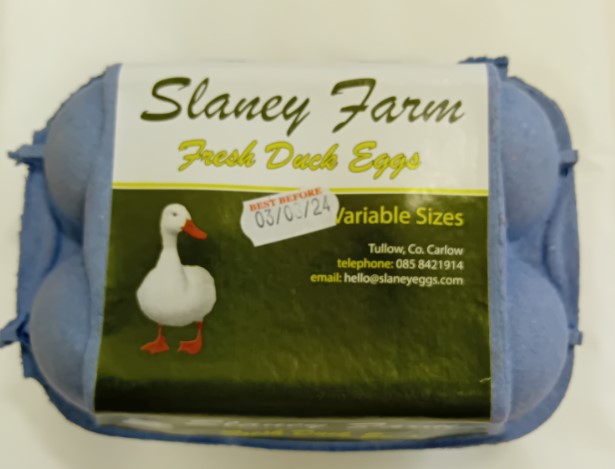
Ireland – FSAI reminds consumers on cooking duck eggs before consumption – Salmonella

FSAI

hazegg.jpg

The Food Safety Authority of Ireland (FSAI) today would like to remind consumers of its advice that duck eggs should only be eaten after they have been thoroughly cooked. Consumers should not use raw duck eggs in any dishes that will not be cooked thoroughly before eating. The FSAI, together with the National Health Protection Office of the HSE, are currently investigating an outbreak of illness involving five human cases of Salmonellosis within the last 12 months and linked to the consumption of duck eggs. The investigation is ongoing.

Duck eggs are legitimately available on the Irish retail market and are used by some people instead of hens’ eggs in cooking and baking. Producers are responsible for ensuring the safety of food placed on the market. However, from time-to-time, Salmonella occurs in duck eggs. Salmonella can cause serious illness. The risk is greatest for people who are very young, for older people, and for people who have a suppressed immune system.

The FSAI advises consumers to only eat duck eggs that have been thoroughly cooked and to only use raw duck eggs in dishes that will be cooked thoroughly before eating. Maintaining stringent hygiene practices, such as washing hands and preparation surfaces, is important when handling or breaking raw duck eggs. Therefore, duck eggs should always be handled and cooked carefully.

Specifically, it is advised that:

  • Duck eggs should not be eaten raw or lightly cooked.
  • Duck eggs should only be eaten after they have been thoroughly cooked, until both the white and yolk are solid. A duck egg is heavier and larger than a hen’s egg, and therefore needs more cooking time.
  • Dishes that contain duck eggs should be cooked until they are piping hot all the way through.
  • Do not use raw duck eggs in the preparation of products that contain raw or lightly cooked egg, such as homemade mayonnaise, tiramisu, icing, hollandaise sauce.
  • When using duck eggs in cooking or baking, pay attention to hygiene when breaking duck eggs and handling the empty shells afterwards, and do not eat or taste the raw mix.
  • After handling raw duck eggs, always wash hands thoroughly.
  • Ensure all utensils and preparation surfaces that have been in contact with raw duck eggs are washed thoroughly before being re-used.
  • Store duck eggs in the fridge away from ready-to-eat food.

The investigation into the outbreak is ongoing and the FSAI will provide further updates, as necessary.

For more information, see our Q&A advice for consumers and Health Protection Surveillance Centre Factsheet on Salmonella.

Ireland – Recall of batches of Slaney Farm Fresh Duck Eggs due to possible presence of Salmonella

FSAI

Alert Summary
Category 1: For Action
Alert Notification: 2024.35
Product Identification: Slaney Farm Fresh Duck Eggs; All pack sizes
Batch Code All best before dates up to and including 21/08/2024
Country Of Origin: Ireland

Message:

Slaney Farm is recalling all pack sizes of the above batches of their Farm Fresh Duck Eggs due to the possible presence of Salmonella. Point-of-sale recall notices will be displayed in stores supplied with the implicated batches.

Nature Of Danger:

People infected with Salmonella typically develop symptoms between 12 and 36 hours after infection, but this can range between 6 and 72 hours. The most common symptom is diarrhoea, which can sometimes be bloody. Other symptoms may include fever, headache and abdominal cramps. The illness usually lasts 4 to 7 days. Diarrhoea can occasionally be severe enough to require hospital admission. The elderly, infants, and those with impaired immune systems are more likely to have a severe illness.

Action Required:

Manufacturers, wholesalers, distributors, caterers & retailers:

Retailers, including market stalls and online retailers, are requested to remove the implicated batches from sale and display recall notices at point-of-sale.

Caterers/restaurants/cafes are requested to cease using the implicated batches immediately.

Wholesalers are requested to withdraw and recall the implicated batches from their customers and instruct them to display recall notices at point-of-sale. Wholesalers must notify their inspector of any onward distribution of the implicated batches.

Consumers:

Consumers are advised not to eat the implicated batches.

USDA Proposes New Policy to Reduce Salmonella in Raw Poultry Products

FSIS USDA

WASHINGTON, July 29, 2024 – The U.S. Department of Agriculture’s (USDA) Food Safety and Inspection Service (FSIS) today issued a comprehensive proposed rule and determination to more effectively reduce Salmonella contamination and illnesses associated with raw poultry products. This is the culmination of FSIS’ three-year effort to re-evaluate their strategy for controlling Salmonella rates in poultry and protect American consumers from foodborne illness linked to consumption of poultry products.

Salmonella bacteria cause over 1 million human infections in the United States each year, according to the Centers for Disease Control and Prevention (CDC). Food is the leading source of Salmonella infections and poultry is among the leading sources of foodborne Salmonella illnesses. FSIS estimates that there are 125,000 chicken-associated and almost 43,000 turkey-associated foodborne Salmonella illnesses per year. Despite FSIS data indicating that Salmonella contamination in poultry products has been decreasing, there has not been an observed reduction in Salmonella illnesses.

Quebec – Update – Warning not to consume chicken and shrimp wontons prepared and sold by Les Aliments SLC inc. – Salmonella

Quebec

QUEBEC CITY , July 29, 2024 /CNW/ – The food recall press release issued on July 24, 2024 has been updated. The affected product may have been sold in several establishments in the Montreal, Montérégie and Capitale-Nationale regions.

The Ministry of Agriculture, Fisheries and Food (MAPAQ), in collaboration with the Food Inspection Division of the City of Montreal and the company Les Aliments SLC inc., located at 7725, rue Cordner, in Montreal, advises the public not to consume the product indicated in the table below, because this food is likely to contain the Salmonella bacteria .

Product name

Format

Target lot

“CHICKEN AND SHRIMP WONTON”

360 g

NO24179EXP27JUNE2025

The product that is the subject of this warning was offered for sale in several establishments in the Montreal, Montérégie and Capitale-Nationale regions. It was packaged in a plastic bag and sold frozen.

The operator is recalling the product in question. It has agreed with MAPAQ to issue this warning as a precautionary measure. People who have this product in their possession are advised not to consume it. They must return it to the establishment where they purchased it or throw it away.

It should be noted that no cases of illness associated with the consumption of this food have been reported to MAPAQ to date.

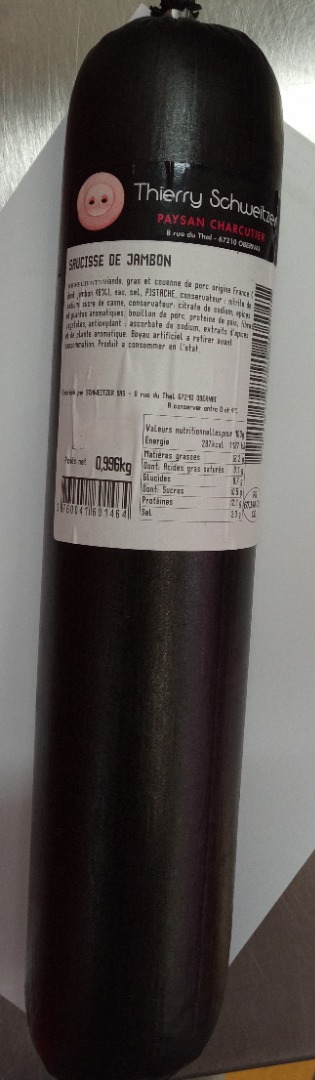
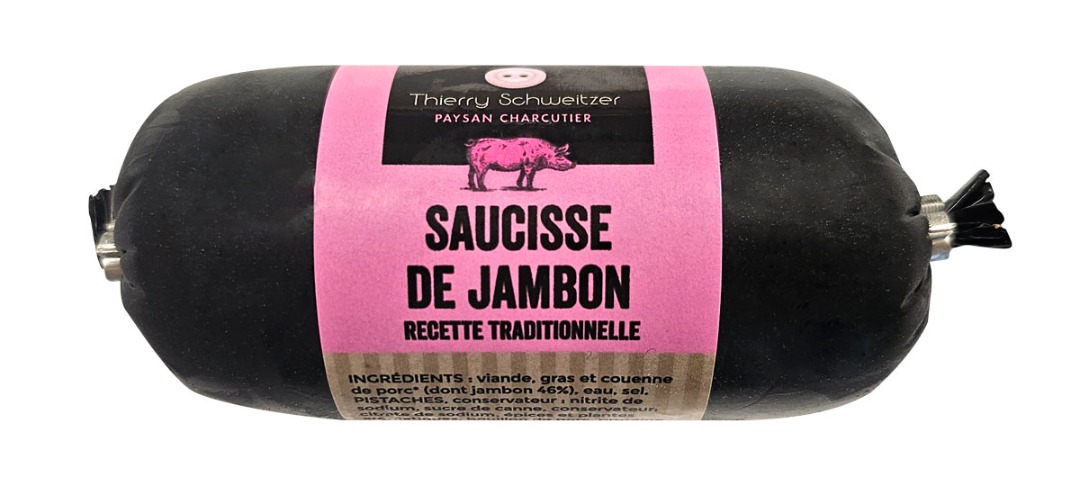
France – Various Sausage Products-Thierry SCHWEITZER – Salmonella

Gov France

Ham sausage

Gov France

Ham sausage

Gov France

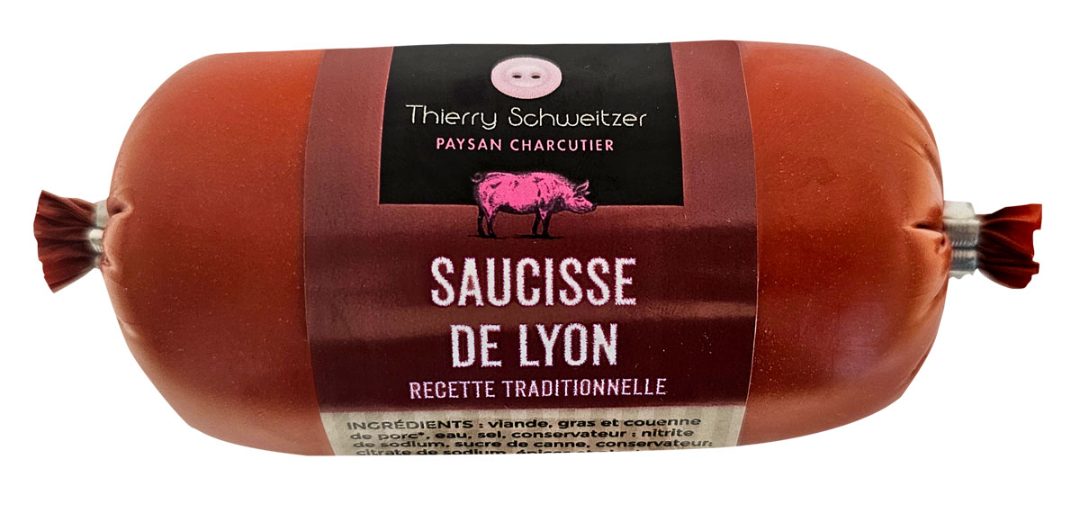
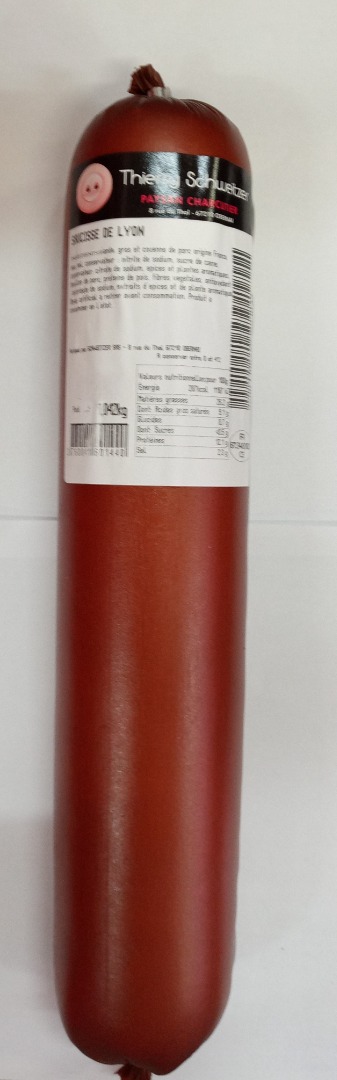
Lyon Sausage

Gov France

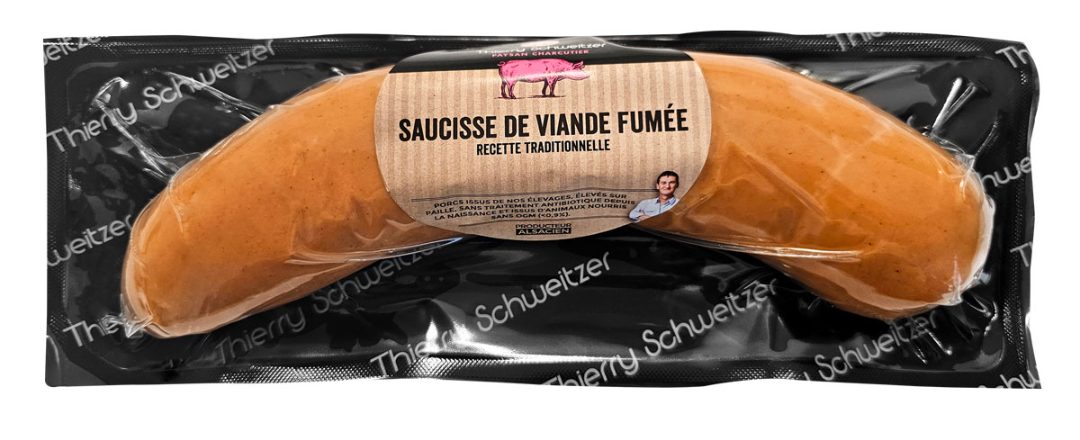
Smoked Meat Sausage

Gov France

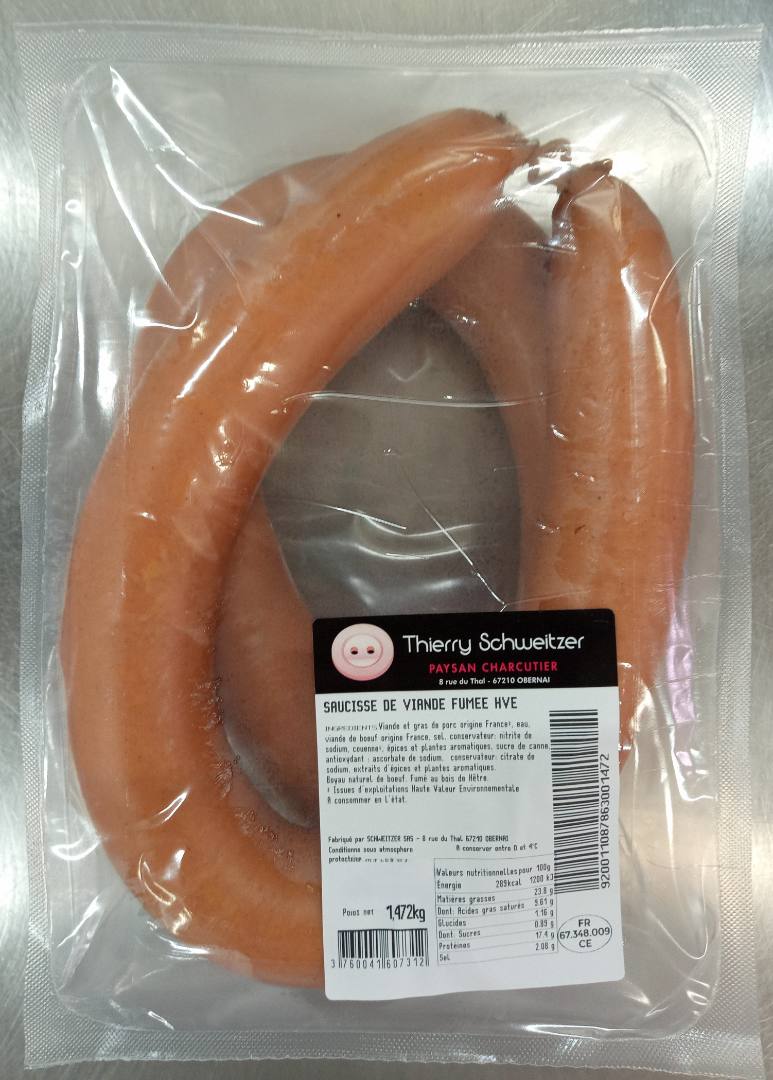
HVE SMOKED MEAT SAUSAGE

Gov France

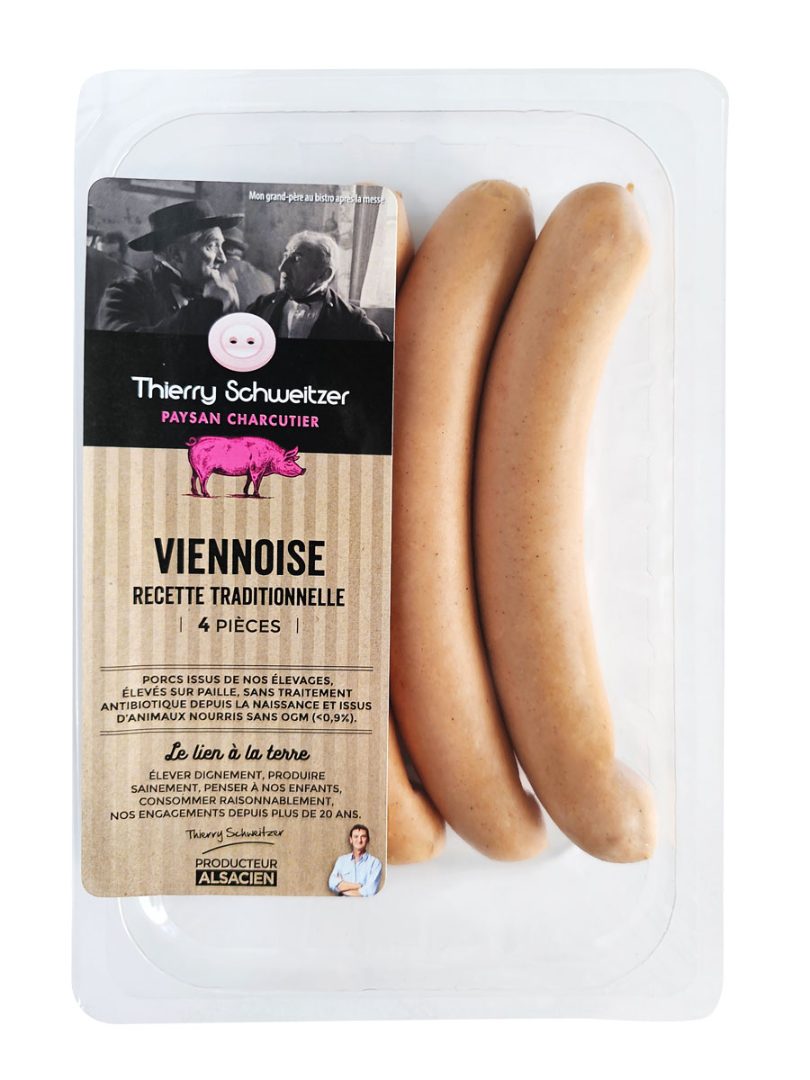
VIENNESE

Gov France

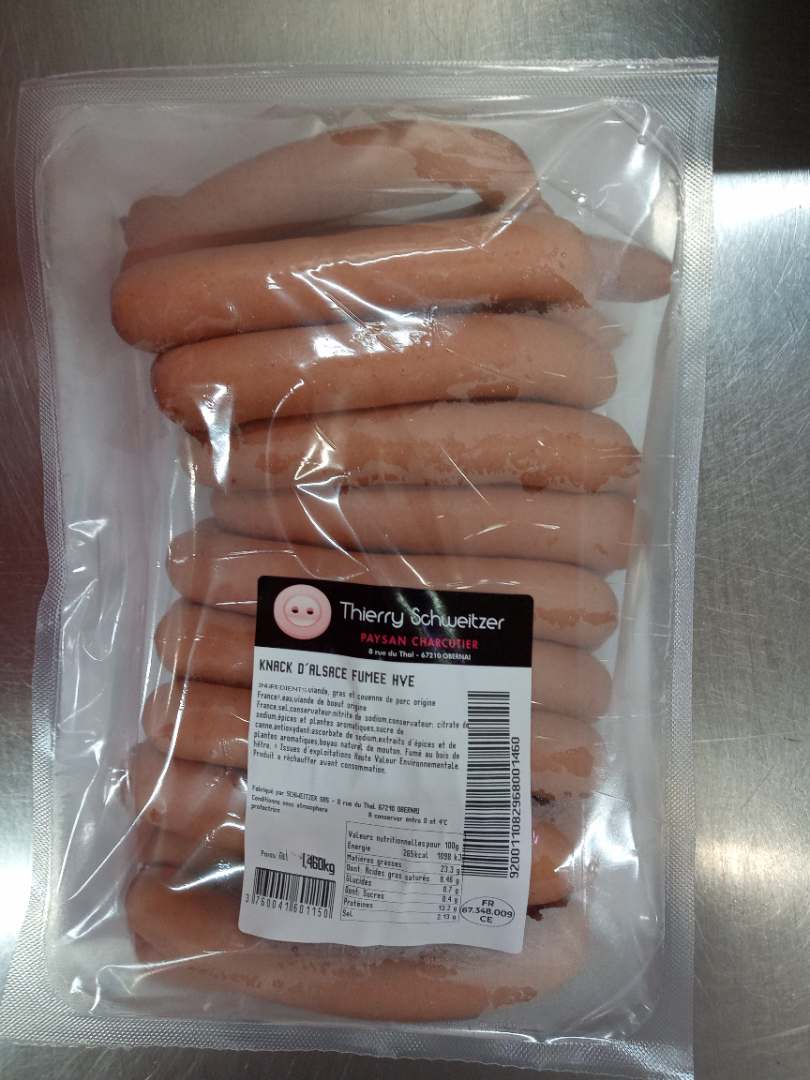
SMOKED ALSACE KNACK

Gov France

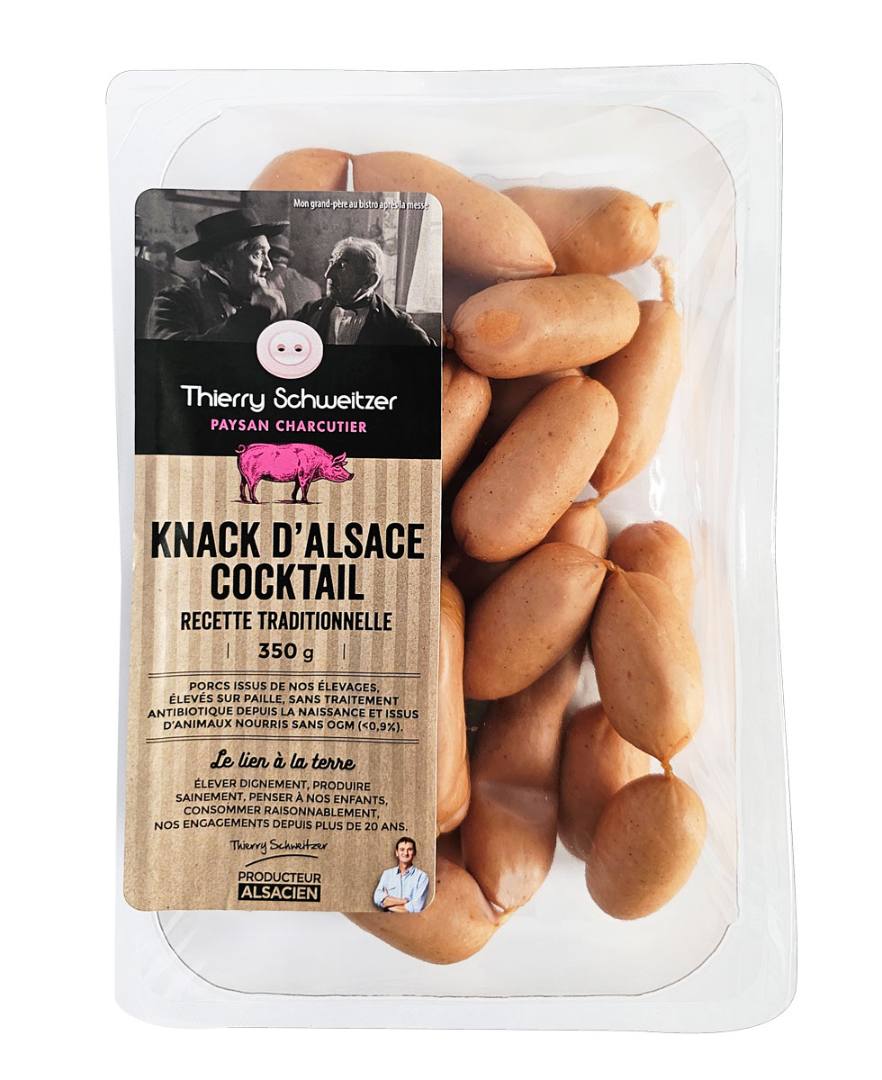
ALSACE KNACK SMOKED COCKTAIL

Gov France

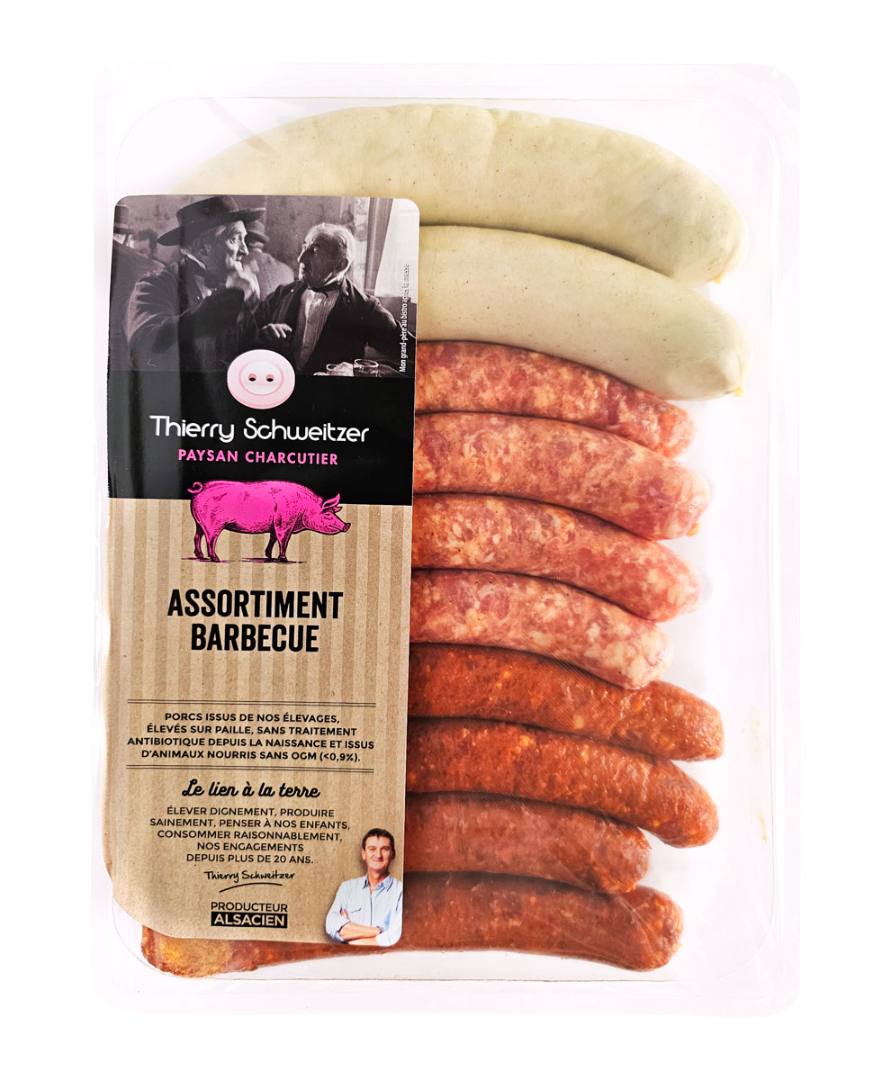
Barbecue assortment

Gov France

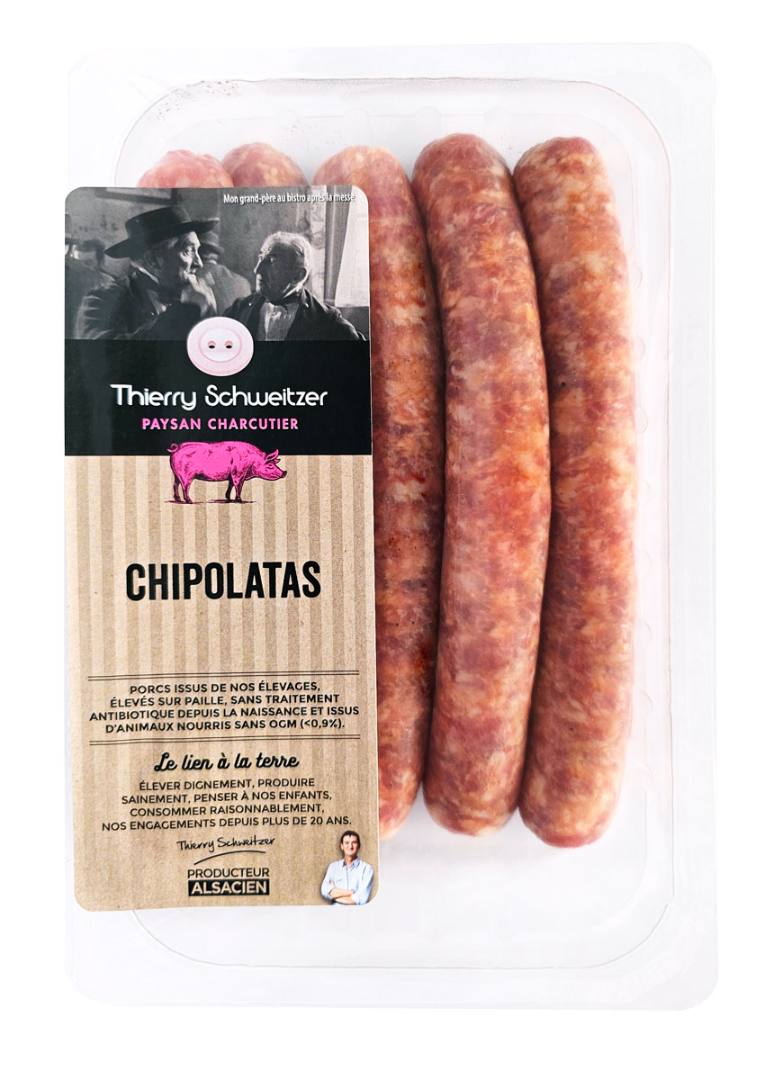
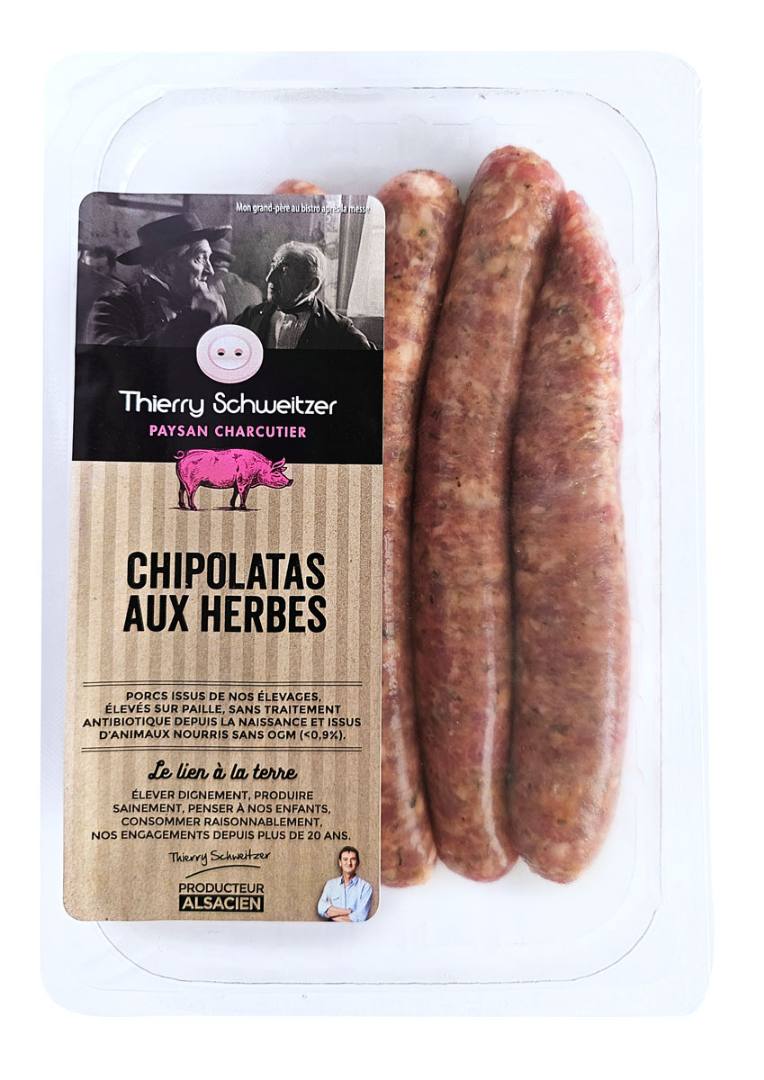
chipolatas

Gov France

Herb Chipolatas

Gov France

Lyon sausage