Category Archives: Salmonella

Sweden – Salmonella Enteritidis (December 2022-)

Folkhalsomyndigheten

hazegg.jpg

Since the beginning of December 2022, 22 cases of illness infected with one and the same strain of Salmonella Enteritidis have been reported to the Public Health Authority. The infection is suspected to originate from eggs that have now been recalled.

At the end of December 2022, Salmonella Enteritidis was identified at a major Swedish egg producer, which has led to several recalls of fresh eggs.

Recalls of eggs – January 2023 (livsmedelsverket.se)

An outbreak of Salmonella Enteritidis involving 22 people from eleven different regions has now been identified and is being investigated. Since several of the sick have eaten dishes containing raw eggs from the now recalled batches, there are strong reasons to suspect a connection to the earlier Salmonella finding at the egg producer. The disease cases are aged 7-90 years (median=40 years), twelve of the cases are women and the illnesses occurred between December 7, 2022 and January 6, 2023 (see Figure 2023-01-18).

During the past ten days, a larger number of people with salmonella infection than usual have been reported. The Salmonella isolates from these disease cases have not yet been typed to determine the specific strain, but since several have stated consumption of products with raw eggs from suspected contaminated batches, there is a risk that the number of people identified as infected in the outbreak will increase.

Although because of the recalls there should be no contaminated eggs left in stores or in restaurants, it is possible that you may have eggs left at home from the recalled batches. Via the Swedish Food Agency’s website, you can find out who these lots are and what you should do with these eggs.

The outbreak is being investigated in collaboration between the Swedish Agency for Agriculture, the Swedish Food Agency, SVA, the Public Health Agency, regional infection control and other regional and local authorities.

Research – UK to tackle Salmonella risks in raw pet food

Pet Food Processing

The UK Food Safety Research Network, hosted by Quadram Institute, announced that six food safety projects will receive between £30,000 to £62,000 (roughly $36,544 USD to $73,089 USD) in funds. One of the projects aims to improve food safety of raw pet food formulas.

All six projects involve academic researchers collaborating with commercial companies and/or government agencies within the human and pet food sectors to establish solutions to common food safety issues.

The raw pet food project involves using bacteriophages to help decrease Salmonella contamination in raw pet food products. According to the Quadram Institute, raw pet foods are growing in popularity throughout the United Kingdom as pet parents seek non-processed diets to improve their pets’ health. However, raw pet foods can carry higher risk of contamination compared to their cooked counterparts.

Iceland – Salmonella in chicken

MAST

Campylobacter kswfoodworld

The Icelandic Food Agency warns against consuming two batches of chicken from Reykjagarður due to suspected salmonella contamination. The company has recalled the production batches from the market and issued a press release.

The recall only applies to the following production batches:

  • Product names: Holta, Kjörfugl and Kronu chicken.
  • Manufacturer: Reykjagarður hf., Fosshálsi 1, 110 Reykjavík
  • Tracking number: 001-22-49-4-02, packing date 12.01.2023.
  • Tracking number: 001-22-49-5-10, packing date 13.01.2023.
  • Distribution: Koronun’s stores, Hagkaup, Nettó, Costco, Kjörbúðinn, Heimkaup and Extra.

Consumers who have purchased the product are advised not to consume it, but are asked to return the product to the relevant store, or directly to Reykjagarð hf., Fosshálsi 1, 110 Reykjavík.

Advanced material:

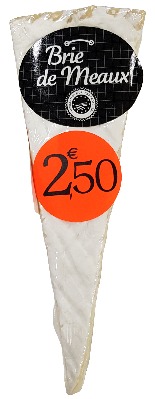
France – BRIE DE MEAUX -Salmonella

Gov france

Identification information of the recalled product

  • Product category Feed
  • Product subcategory Milk and dairy products
  • Product brand name UNBRANDED
  • Model names or references MEAUX BRIE 150G
  • Identification of products
    GTIN Lot Date
    3060921463220 0C0130CA Date of minimum durability between 01/31/2023 and 02/04/2023
  • Packaging UNDER FILM
  • Marketing start/end date From 01/16/2023 to 01/16/2023
  • Storage temperature Product to be stored in the refrigerator
  • Health mark FR62.907.030CE
  • Geographic area of ​​sale Whole France
  • Distributors Brands of the AUCHAN group (AUCHAN, ATAC, SCHIEVER)

Practical information regarding the recall

  • Reason for recall Salmonella presence
  • Risks incurred by the consumer Salmonella spp (causative agent of salmonellosis)

Research – Protective Bacterial Culture Could Target Foodborne Superbugs

Laboratory Equipment

Key points:

  • Researchers examined the ability of a protective culture—Hafnia alvei B16—in the prevention of infection by Salmonella.
  • According to the findings, Hafnia alvei B16 reduced Salmonella’s ability to invade human intestinal cells by nearly 90%.
  • The study also found differences in gene expression and how the two serovars responded to the protective culture in milk.

A new study published by University of Connecticut researchers builds upon our understanding of the ability of a protective culture called Hafnia alvei B16 to prevent infection by two Salmonella serovars, a grouping within the Salmonella enterica species. The serovars studied are common culprits in foodborne illness outbreaks and are resistant to multiple antibiotics.

Presently, most of the protective cultures on the market target gram-positive bacteria rather than gram-negative ones. gram-positive protective cultures are most effective against gram-positive pathogens, meaning there is a need for effective protective cultures against gram-negative pathogens, like E.coli and Salmonella.

In the study, published in Food Microbiology, the team found the Hafnia alvei worked differently than other protective cultures. Most cultures produce antimicrobial metabolites that stop the growth of competing bacteria. Meanwhile, when Hafnia alvei’s metabolites were added to a pathogenic culture, it didn’t stop their growth as expected. But, when the entire Hafnia alvei bacterium was in the presence of E. coli or Salmonella, it did. This told the team it was inhibiting the pathogen’s growth through some other mechanism.

D’Amico’s lab found that growth in the presence of Hafnia alvei decreased the expression of virulence genes in Salmonella and reduced the pathogen’s ability to invade human intestinal cells by nearly 90%.

The same study found differences in how the serovars responded to the protective culture in milk, which may impede the culture’s ability on a global level.

Italy – Meat Product – Salmonella

Salute

Brand : IL READY TO COOK

Name : TASTASALE (article code 345864)

Reason for reporting : Recall for microbiological risk

Date of publication : 13 January 2023

Documentation

Documentation

Research – Evaluation of pulsed light treatment for inactivation of Salmonella in packaged cherry tomato and impact on background microbiota and quality

Wiley Online

Abstract

The microbial safety of produce continues to be a real concern. The objective of this study was to investigate the efficacy of high intensity short time pulsed light (PL) application on survival of Salmonella in packaged cherry tomato. Treatment effects on reduction of native microbiota and quality were also evaluated. Stem scars of cherry tomatoes, inoculated with a three serotypes cocktail of Salmonella enterica, was treated with PL for up to 60 s. Polyethylene (PE) films of 25.4, 50.8 and 76.2 μm thickness were used for packaging treatment. A10 s treatment equivalent to a fluence dose of 10.5 J/cm2 was considered optimum. Both packaged and direct PL treatments provided >1 log reduction of the pathogen in 10 s (10.5 J/cm2). Direct treatment for 10 s resulted in 1.9 ± 0.17 log CFU/g reduction of Salmonella. For packaged tomatoes, log reductions decreased with increasing film thickness but not significantly (p < .05). Also, no significant difference in PL decontamination efficacy between packaged and unpackaged tomatoes was observed. Treatment significantly reduced the initial populations of aerobic mesophilic bacteria (3.6 ± 0.31 log), molds and yeast (2.43 ± 0.22 log) by >1 log, respectively. Packaged tomatoes were softer after treatment but not significantly. Storage time did not affect fruit firmness. No significant change in the visual appearance of fruits were observed after treatment and during 14 days of storage. Overall, the results of this study demonstrate that high intensity short time PL treatment may be used to enhance microbial safety and reduce postprocessing contamination of packaged cherry tomato.

Research – Study on bacterial infection in older individuals

News Medical

The older population is prone to microbial infections, which can lead to death. Hence, it is important to understand why this group is vulnerable to microbial infection, especially bacterial infection. A recent Scientific Reports study linked data from two sources to understand the determining factors for microbial infection in the older population in the UK.

The prevalence of bacterial infection significantly increases with age. According to English surveillance data, the incidence of Escherichia coli (E. coli) bacteria is around ten times more in men who are between 45 and 64 years of age and around 100 times more in men above 75 years of age, compared to the younger age group, i.e., those between 15 and 44 years of age. Similar trends were observed with Staphylococcus aureusStreptococcus pneumoniae, and Streptococcus pyogenes bacteria.

Currently, there is no clear explanation for why older individuals are more vulnerable to microbial infections. Nevertheless, environmental risk factors, such as nutrition, lifestyle, and housing, have been deemed possible contributing factors. In addition, the levels of C reactive proteins (CRP) could contribute to individual infection risk.

Serological studies have indicated that aging is associated with a gradual decrease in adaptive immunity, i.e., T-cell responses and antibody levels, which leads to an increase in pneumococcal pneumonia and herpes zoster infections.

In addition to radiological imaging, microbiological sampling (e.g., blood, urine, sputum, peritoneal fluid, and cerebrospinal fluid) can also be used to diagnose an infection by identifying the causal organism of the infection. In England, microbiological specimens are typically processed in hospital laboratories under the National Health Service.

About the Study

The current study used a large-scale population cohort, namely the UK Biobank (UKB), to understand the determining factors of bacterial infection and how it influences subsequent health-related problems.

UKB is a prospective cohort that contains information on around 500,000 men and women aged between 40 and 69 between 2006 and 2010. Initially, this cohort was designed to evaluate the environmental and genetic determinants that lead to common life-threatening diseases.

Public Health England (PHE) has established a second-generation surveillance system (SGSS) to monitor and improve public health. The SGSS dataset contains regularly updated information on human pathogens, such as Campylobacter, Salmonella, and other foodborne pathogens. Additionally, it contains antimicrobial test reports against important pathogens.

The current study demonstrated the possibility of linking UKB prospective cohort data with a national dataset containing information on microbial culture in England (SGSS).

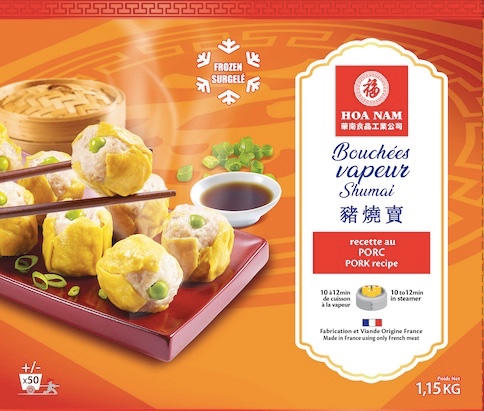
France – STEAMED BITES SHUMAI RECIPE WITH PORK – Salmonella

Gov france

Identification information of the recalled product

  • Product category Feed
  • Product subcategory Meats
  • Product brand name HOA MEMBERSHIP
  • Model names or references HOA MEMBERSHIP
  • Identification of products
    GTIN Lot Date
    3474930400501 Frozen on 13/12/2022, lot number 130624 Date of minimum durability 06/13/2024
  • Packaging Plastic bags 1.15 kg
  • Marketing start/end date From 15/12/2022 to 09/01/2023
  • Storage temperature Product to keep in the freezer
  • Health mark FR 94 041 006 CE
  • Geographic area of ​​sale Whole France
  • Distributors PARIS STORE, TANG FRERES and other Asian specialty distributors
  • List of points of sale LIST_OF_CLIENTS_.pdf

Practical information regarding the recall

  • Reason for recall Salmonella detection
  • Risks incurred by the consumer Salmonella spp (causative agent of salmonellosis)

Luxembourg – DELHAIZE BRAND CHEF’S TRAY – Salmonella

SAP

Delhaize is recalling the   following product in Luxembourg:

Last name Chef’s platter
Mark Delhaize
bar code 2205746000000
Use-by date (DLC) 01/11/2023
Batch 05200201099
Sale period from 03/01/2023 to 11/01/2023

Sale confirmed in Luxembourg by: Delhaize

Source of Information: Delhaize Recall Notification

Click to access 2023-01-11-delhaize-salmonella-fr.pdf