Category Archives: Salmonella

USA- General Mills Recalls Four Gold Medal Unbleached and Bleached All Purpose Flour Varieties Dated March 27, 2024 and March 28, 2024 – Salmonella

FDA

Summary

Company Announcement Date:
FDA Publish Date:
Product Type:
Food & Beverages
Bakery Product/Mix
Foodborne Illness
Reason for Announcement:
Potential to be contaminated with Salmonella
Company Name:
General Mills
Brand Name:
Gold Medal
Product Description:
All Purpose Flour, bleached and unbleached

Company Announcement

Consumers reminded that flour is not a ready-to-eat ingredient

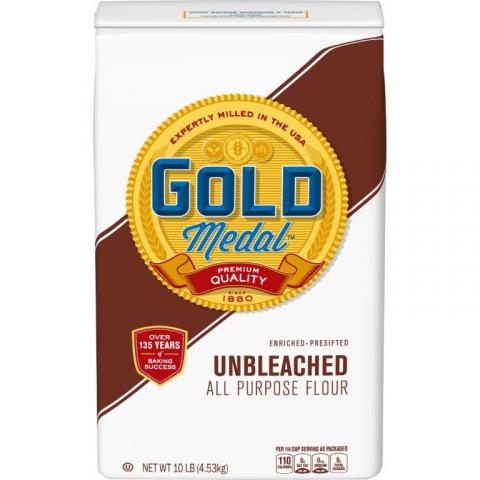
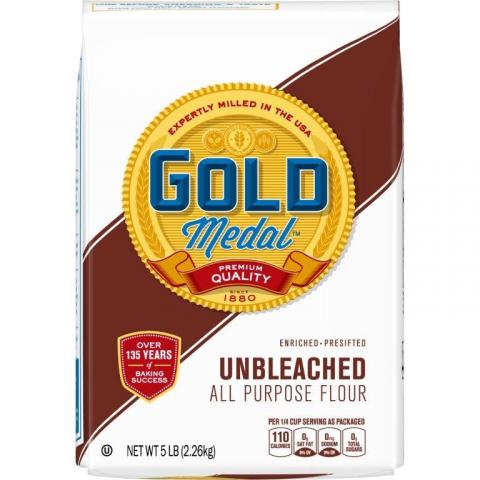
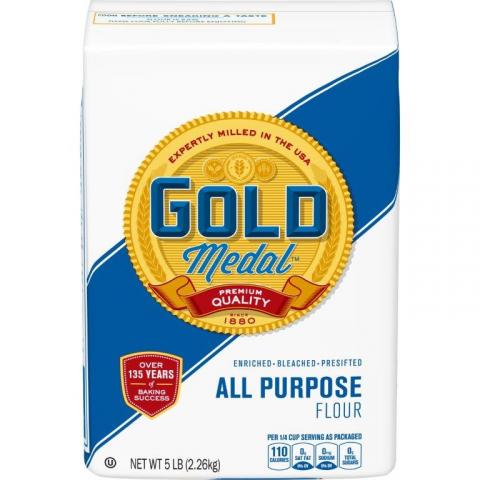
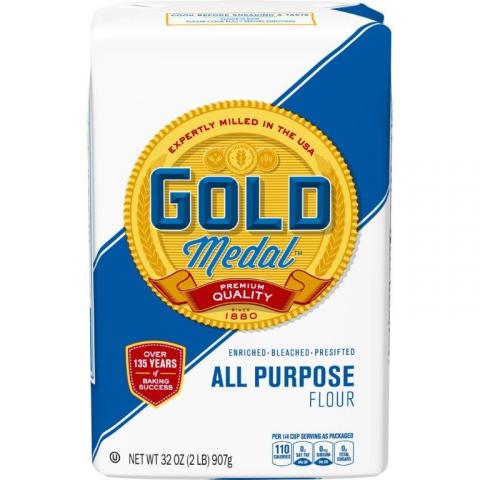
MINNEAPOLIS (April 28, 2023) – General Mills today announced a voluntary national recall of two-, five- and 10-pound bags of its Gold Medal Unbleached and Bleached All Purpose Flour with a “better if used by” date of March 27, 2024, and March 28, 2024. The recall is being issued for the potential presence of Salmonella Infantis,which was discovered during sampling of the five-pound bag product.

This recall affects two date codes of Gold Medal Unbleached All Purpose Flour in the five- and ten pound bags and two date codes of Gold Medal Bleached All Purpose Flour in the two- and five-pound bags. All other types of Gold Medal Flour are not affected by this recall.

Consumers are asked to check their pantries and dispose of the product affected by this recall. Consumers who have had to discard products covered by this recall may contact General Mills Consumer Relations at 1-800-230-8103.

Guidance from the Food and Drug Administration(FDA) and the Centers for Disease Control(CDC) warn that consumers should refrain from consuming any raw products made with flour. Salmonella Infantisis killed by heat through baking, frying, sautéing or boiling products made with flour. All surfaces, hands and utensils should be properly cleaned after contact with flour or dough.

This voluntary recall includes the following code dates currently in stores or consumers’ pantries:

Gold Medal Unbleached All Purpose 5LB Flour

Package UPC

000-16000-19610 

Recalled Better if Used by Date 27MAR2024 and 28MAR2024

Gold Medal Unbleached All Purpose 10LB Flour

Package UPC

000-16000-19580

Recalled Better if Used by Date 27MAR2024 and 28MAR2024

Gold Medal Bleached All Purpose 2LB Flour

Package UPC

000-16000-10710

Recalled Better if Used by Date 27MAR2024 and 28MAR2024

Gold Medal Bleached All Purpose 5LB Flour

Package UPC

000-16000-10610

Recalled Better if Used by Date 27MAR2024 and 28MAR2024

Healthy persons infected with Salmonella Infantis, a bacteria, often experience nausea, diarrhea, fever and abdominal pains. The CDC estimates there are 1.2 million cases annually in the U.S. Typically, symptoms start within six hours to six days after infection and last four to seven days. Any consumers concerned about an illness should contact a physician.

About General Mills

General Mills makes the food the world loves. The company is guided by its Accelerate strategy to drive shareholder value by boldly building its brands, relentlessly innovating, unleashing its scale, and standing for good. Its portfolio of beloved brands includes household names such as Cheerios, Nature Valley, Blue Buffalo, Haagen-Dazs, Old El Paso, Pillsbury, Betty Crocker, Yoplait, Annie’s, Wanchai Ferry, Yoki, and more. Headquartered in Minneapolis, Minnesota, General Mills generated fiscal 2022 net sales of $19.0 billion. In addition, the company’s share of non-consolidated joint venture net sales totaled $1.1 billion.

Link to Outbreak Advisory


Company Contact Information

Consumers:
General Mills Consumer Relations
 1-800-230-8103
Media:
General Mills Media Line
 763-764-6364
 Media.Line@genmills.com

Product Photos

Germany – dmBio Tigernut Flour 300 – Salmonella

LMV

Alert type: Groceries
Date of first publication: 04/28/2023
Product name: “dmBio Tigernut Flour 300 g”
Product images:

dm.PNG

customer information

Manufacturer (distributor):

Distributor: dm-drogerie markt dm-Platz 1 76227 Karlsruhe

Reason for warning:

It cannot be ruled out that salmonella may appear in the article mentioned above.

Packaging Unit:

300g

Durability:

BBD: 04/30/2024

Additional Information:

Reference is made to the company’s attached customer information.

Click to access 23_04_28_R%FCckruf_dmBio+Erdmandelmehl+300+g_hoch%5B1%5D.pdf

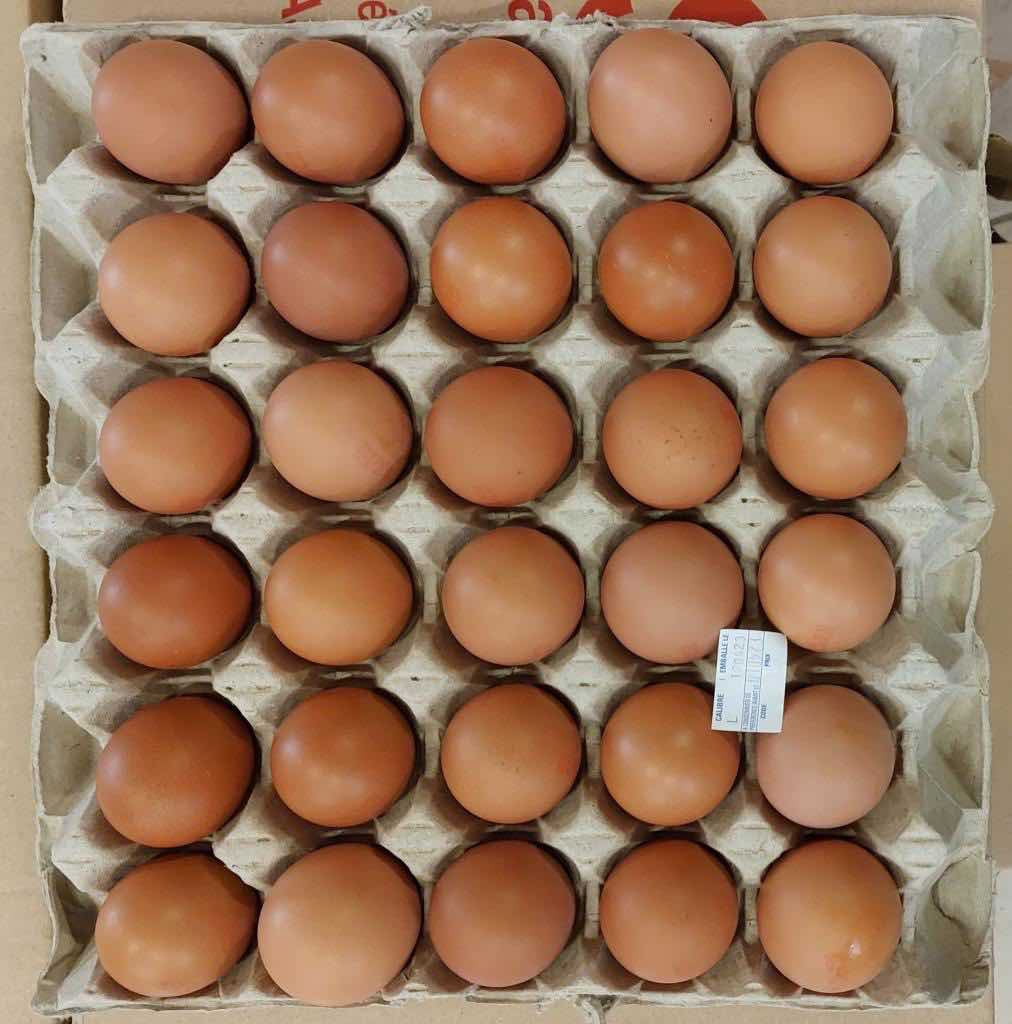
France – Shell Egg – Salmonella

Gov france

Identification information of the recalled product

  • Product category Feed
  • Product subcategory Eggs and egg products
  • Product brand name CACG
  • Model names or references boxes of 12 and cells of 30 code 2FRIHT01 to DCR 01-03-04/05/2023
  • Identification of products
    Batch Date
    LOT 2FRIHT01 Recommended best before date between 01/05/2023 and 04/05/2023
  • Packaging boxes of 12 and cells of 30
  • Marketing start/end date From 04/11/2023 to 04/14/2023
  • Storage temperature Product to be stored in the refrigerator
  • Geographic area of ​​sale Regions: Guyana
  • Distributors FRESH MARKET HOTEL KER ALBERTE BOULANGERIE AU SUCRE D’OR GLACIER DES DEUX LAKES VARIOUS INDIVIDUALS PROXI ROURA DELI ORIENTAL HQ SAS – U CAFE Sophie and co LA VILLA PHO EXPRESS TASTY ZONE SARL HEI PO – MONSIEUR LIFENG ZHU LS TING LS J
  • List of points of sale list_of_distribution_points.pdf

Practical information regarding the recall

  • Reason for recalling infection of livestock by salmonella typhimurium
  • Risks incurred by the consumer Salmonella spp (causative agent of salmonellosis)

Research – Human Salmonellosis: A Continuous Global Threat in the Farm-to-Fork Food Safety Continuum

MDPI

Abstract

Salmonella is one of the most common zoonotic foodborne pathogens and a worldwide public health threat. Salmonella enterica is the most pathogenic among Salmonella species, comprising over 2500 serovars. It causes typhoid fever and gastroenteritis, and the serovars responsible for the later disease are known as non-typhoidal Salmonella (NTS). Salmonella transmission to humans happens along the farm-to-fork continuum via contaminated animal- and plant-derived foods, including poultry, eggs, fish, pork, beef, vegetables, fruits, nuts, and flour. Several virulence factors have been recognized to play a vital role in attaching, invading, and evading the host defense system. These factors include capsule, adhesion proteins, flagella, plasmids, and type III secretion systems that are encoded on the Salmonella pathogenicity islands. The increased global prevalence of NTS serovars in recent years indicates that the control approaches centered on alleviating the food animals’ contamination along the food chain have been unsuccessful. Moreover, the emergence of antibiotic-resistant Salmonella variants suggests a potential food safety crisis. This review summarizes the current state of the knowledge on the nomenclature, microbiological features, virulence factors, and the mechanism of antimicrobial resistance of Salmonella. Furthermore, it provides insights into the pathogenesis and epidemiology of Salmonella infections. The recent outbreaks of salmonellosis reported in different clinical settings and geographical regions, including Africa, the Middle East and North Africa, Latin America, Europe, and the USA in the farm-to-fork continuum, are also highlighted.

USA – A 2022 Salmonella Outbreak that sickened 88, hospitalizing 32 in 11 states that went unannounced – Why?

Food Poison Journal

In August 2022, the U.S. Food and Drug Administration (FDA), Centers for Disease Control and Prevention (CDC), and state partners conducted an outbreak investigation into a multistate outbreak of Salmonella Typhimurium linked to cantaloupe.

  • Total Illnesses: 88
  • Hospitalizations: 32
  • Deaths: 0
  • Last Illness Onset: September 11, 2022
  • States with Cases: GA (1), IL (5), IN (17), IA (39), KY (3), MI (3), MN (4), MO (2), OH (3), SC (1), WI (10)

The outbreak response investigation found:

  1. In August 2022, CDC notified FDA about a multistate cluster of Salmonella Typhimurium illnesses with a potential signal for melon exposures. The cases were geographically distributed in the U.S. upper Midwest.
  2. The isolates in this cluster of illnesses were within 7 alleles / 11 single-nucleotide polymorphisms (SNPs) of two FDA soil swab samples collected from a 2020 outbreak investigation in Indiana. As a part of the 2022 investigation, FDA and state partners collected multiple samples, but none of the resulting isolates were a definitive match to the 2022 outbreak strain.
  3. FDA’s 2022 traceback investigation identified 11 points of service, of which 8 traced back to a common packinghouse. Although a common packinghouse was identified, there was no convergence to a single shipment of products, and therefore three farms that supplied the common packing house were identified as potential sources of cantaloupe.

As a result of the traceback, FDA conducted investigations in Indiana at all three farms, their common packinghouse and nearby public lands. Salmonella positive environmental samples were found at each location, but none of the resulting Salmonella isolates conclusively matched the outbreak strain by whole genome sequencing (WGS). No cantaloupes were recalled and no public warning was issued due to the implicated products no longer being on the market.

USA – FDA Issues Report Highlighting Salmonella Outbreak in Cantaloupe During Summer of 2022

FDA

Constituent Updates

April 27, 2023

The U.S. Food and Drug Administration (FDA) has released a report on its investigation of the Salmonella Typhimurium outbreak that caused 88 reported illnesses and 32 hospitalizations in the U.S. between July and September 2022. The FDA worked with the U.S. Centers for Disease Control and Prevention (CDC) and state partners to investigate the outbreak, which was linked through epidemiology and traceback to cantaloupe grown in Southwest Indiana during the summer of 2022. The report released today includes an overview of the traceback investigation, investigation results, and various factors that potentially contributed to the contamination of cantaloupe with Salmonella.

As a result of the traceback, FDA conducted investigations in Indiana at three farms, their common packinghouse and nearby public lands. Salmonella positive environmental samples were found at each location, but none of the resulting Salmonella isolates conclusively matched the outbreak strain by whole genome sequencing (WGS). Although the investigation did not result in identification of a specific microbial source or route that resulted in this outbreak, the agency identified Salmonella spp. in on-farm, post-harvest, and off-farm environments.

In light of the investigational findings, FDA highlights the following recommendations and requirements applicable to firms, such as growers of melons and similar produce:

  • Review current conditions and practices to determine whether they are adequate or if additional prevention measures are warranted.
  • Understanding previous land use can help farms identify and address potential sources of pathogens that may affect their farming operations.
  • Be cognizant of and assess risks that may be posed by adjacent and nearby land uses, especially as it relates to the presence of livestock, including poultry, and the interface between farmland, and other agricultural areas.
  • Consider additional tools such as pre-harvest and/or post-harvest sampling and testing of products to help inform the need for specific prevention measures.
  • Poultry manure, while valued for its fertilizer value, is a known reservoir for Salmonella spp.  Proper application of a manure that has been treated with a validated and verified process to reduce pathogens (e.g. composting with time and temperature measurements) can significantly reduce the potential for the integration of Salmonella or other human pathogens into soils (as compared to the use of raw manures).
  • Inspect, maintain, and clean and, when necessary and appropriate, sanitize all food contact surfaces of equipment and tools used as frequently as reasonably necessary to protect against contamination.
  • When appropriate, use EPA-approved products according to the label for cleaning and sanitizing.
  • Inconsistent adherence to or deviation from existing SOPs for cleaning and sanitizing by farms can affect produce safety. Effective communication on farms about SOPs and any changes to those SOPs can help ensure that food safety practices are being followed.
  • Root cause analyses may be useful in identifying for growers how human pathogen sources in the broader agricultural environment may contribute to contamination.
  • Improve traceability through increased digitization, interoperability, and standardization of traceability records which would expedite traceback and help remove contaminated product from the marketplace more quickly, thereby preventing further illnesses. This is not only important for growers, but also critical for shippers, manufactures, and retailers as well, to improve overall traceability throughout the supply chain.

FDA will work in conjunction with the Indiana State Department of Health to increase awareness amongst the melon growing industry of pathogenic environmental strains in the region to develop and promote risk reduction strategies related to melon growing and harvesting to minimize the impact of these strains.

Food safety is a shared responsibility that involves food producers, distributors, manufacturers, retailers, and regulators. Recognizing the interconnection between people, animals, plants, and their shared environment when it comes to public health outcomes, we encourage collaboration among various groups in the broader agricultural community (i.e., produce growers, state government and academia) to address this issue.

RASFF Alerts – Salmonella – Polish Chicken – Sesame Seeds – Chilled Chicken Meat – Onion Powder – Beef Trimmings – Chicken Quarter – Aniseed – Raw Duck Foie Gras

RASFF

Salmonella group 0:8 (C2-C3) in chilled chicken meat from Ukraine in Poland and Slovakia

RASFF

Suspicion of Salmonella Newport in spice mixtures from Germany using onion powder from Germany in Austria, Denmark, Netherlands, Poland Romania and Russia

RASFF

Salmonella in beef trimmings from Netherlands in Germany and Sweden

RASFF

Salmonella C1 in chicken quarter from Ukraine in Poland, Germany and Austria

RASFF

Salmonella in ground aniseed from the Netherlands in Switzerland

RASFF

Salmonella spp. in sesame seeds from India in Germany

RASFF

Salmonella Senftenberg in poultry legs from Poland in Bulgaria

RASFF

Salmonella spp. O:8 group (C2-C3) in poultry meat from the Ukraine in Poland

RASFF

Salmonella spp in Slices of raw duck foie gras from Bulgaria in France

USA – FDA Core Investigation Table Update – Investigations of Foodborne Illness Outbreaks

FDA

What’s New

  • For the outbreak of hepatitis A virus (ref #1143), cases have increased from 7 to 8. This change has been made on the advisory for this outbreak.
  • A new investigation has been added to the table (ref#1152). Although the pathogen/cause of illness and products linked to illnesses is not yet identified, there are 13 illnesses from one state linked to a single restaurant that has suspended operations. FDA has initiated traceback in coordination with state partners.
Date
Posted
Ref Pathogen
or
Cause of
Illness
Product(s)
Linked to
Illnesses

(if any)
Total
Case
Count

Status
4/26/2023 1152 Not Yet Identified Not Yet
Identified
13 Active
3/29/2023 1141 Salmonella Infantis Raw Flour See
CDC
Investigation
Notice
Active
3/1/2023 1143 Hepatitis A Virus Frozen Organic
Strawberries
See
Outbreak
Advisory
Active
2/15/2023 1123 Listeria
monocytogenes
Not Yet
Identified
See
CDC
Investigation
Notice
Active

Ireland – Recall of a batch of Dunnes Stores Smoky BBQ Pork Loin Chops due to the presence of Salmonella

FSAI

Summary
Category 1: For Action
Alert Notification: 2023.09
Product: Dunnes Stores 4 Irish Smoky BBQ Quick Fry Pork Loin Chops; pack size: 400g; approval number: IE 538
Batch Code: 104; use-by date: 22/04/2023
Country Of Origin: Ireland

Message:

The above batch of Dunnes Stores 4 Irish Smoky BBQ Quick Fry Pork Loin Chops is being recalled due to the presence of Salmonella.  This batch was sold as fresh and is past it’s use-by date, however, the label states it is suitable for home freezing.
Recall notices will be displayed at point-of-sale.

Nature Of Danger:

People infected with Salmonella typically develop symptoms between 12 and 36 hours after infection, but this can range between 6 and 72 hours.  The most common symptom is diarrhoea, which can sometimes be bloody.  Other symptoms may include fever, headache and abdominal cramps.  The illness usually lasts 4 to 7 days. Diarrhoea can occasionally be severe enough to require hospital admission. The elderly, infants, and those with impaired immune systems are more likely to have a severe illness.

Action Required:

Manufacturers, wholesalers, distributors, caterers & retailers:

Display recall notices at point-of-sale.

Consumers:

Consumers are advised not to eat the implicated batch, should they have it in their freezer.
If the pork has already been eaten, cooking should remove the risk. Raw meat should always be handled hygienically when defrosting and preparing it, and also cooked thoroughly before eating it.

DS Smoky BBQ Pork Loin Chops 2

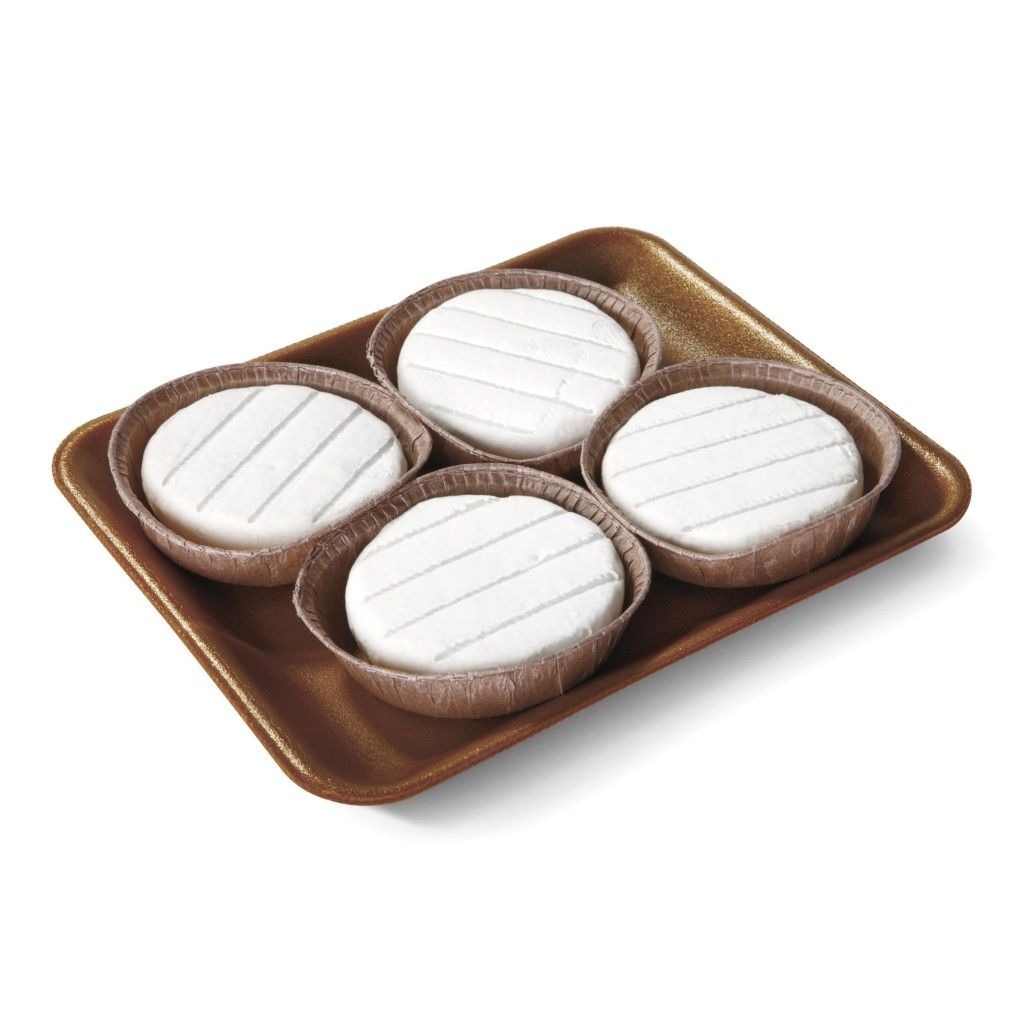
France – Tomino Piemontese Cuor di Terra – Cheese – Salmonella

RASFF

Identification information of the recalled product

  • Product category Feed
  • Product subcategory Milk and dairy products
  • Product brand name DEFENDED
  • Model names or references 131159
  • Identification of products
    Batch Date
    1074 Use-by date 04/27/2023
  • Marketing start/end date From 03/04/2023 to 27/04/2023
  • Storage temperature Product to be stored in the refrigerator
  • Health mark Caseificio Longo Srl
  • Geographic area of ​​sale Whole France
  • Distributors MAMMAFIORE INTERNATIONAL

Practical information regarding the recall

  • Reason for recall SALMONELLA CONTAMINATION
  • Risks incurred by the consumer Salmonella spp (causative agent of salmonellosis)