RASFF -consumer recall of frozen chicken fried rice with mushrooms from France in relation to a multi-country foodborne outbreak in France

RASFF -consumer recall of frozen chicken fried rice with mushrooms from France in relation to a multi-country foodborne outbreak in France
Posted in food bourne outbreak, food contamination, Food Hygiene, Food Illness, Food Inspections, Food Micro Blog, Food Microbiology, Food Microbiology Blog, Food Pathogen, Food Poisoning, food recall, Food Safety Alert, Food Testing, foodborne outbreak, foodbourne outbreak, outbreak, RASFF, Uncategorized
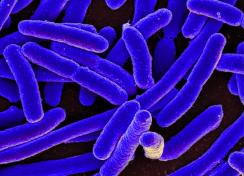
Image CDC Enter a caption
Increased use of ingredient-based analyses is being promoted by researchers after the method was used to identify the source of infection in an E. coli outbreak.
Public Health England was alerted to an outbreak of Shiga toxin-producing E. coli (STEC) O157 phage type (PT) 34 in July 2016 involving 56 cases in England and Wales. The source of infection was baby-mixed leaf salad, which was an ingredient in multiple dishes.
“A traditional analysis may have resulted in multiple menu items being associated with illness, thereby failing to identify the true source of infection,” said researchers.
Posted in E.coli, E.coli O157, E.coli O157:H7, food contamination, Food Hygiene, Food Illness, Food Inspections, Food Micro Blog, Food Microbiology, Food Microbiology Blog, Food Pathogen, Food Poisoning, food recall, Food Safety, Food Safety Alert, Food Testing, Food Toxin, outbreak, STEC, Uncategorized
12 cases of E.Coli have now been confirmed following an outbreak last week at Dun Beag creche in Dunmore.
The HSE’s multidisciplinary Outbreak Control Team says four cases have involved hospitalisation.
E.Coli VTEC can spread in a number of ways including contact with infected animals, contaminated soil, water or certain foods, and can be spread among toddlers who are not toilet trained.
The majority of cases of VTEC get better with no treatment and without hospitalisation.
However the most serious complication is Haemolytic Uraemic Syndrome or HUS which occurs in up to 10% of VTEC cases.
This can lead to anaemia and kidney failure and requires intensive medical treatment.
The number of cases of VTEC notified in Ireland each year is increasing with 927 cases confirmed in 2017.
Posted in E.coli, outbreak, STEC, Uncategorized, VTEC

RASFF-foodborne outbreak caused by Salmonella enterica ser. Typhimurium (in 2 out of 5 samples /25g) in frozen vacuum-packed pork tenderloins from Spain, via the Czech Republic in Slovakia
KRON report that a Utah couple says their 5-month-old son is the state’s only known person infected with salmonella in a nationwide outbreak tied to Kellogg’s Honey Smacks cereal–and they are struggling to comprehend how it happened.
Andy Lyons and his parents visited relatives that had the cereal at their house.
Nobody else, though, has experienced symptoms since, and they don’t get how their child became sick.
They’re not sure how he got it since he doesn’t even eat solid food yet.
But doctors say his salmonella is linked to the honey smacks outbreak.

RASFF-foodborne outbreak suspected (botulism) to be caused by fennel and almonds pesto from Italy in Italy
Posted in Clostridium botulinum, food bourne outbreak, food contamination, Food Hygiene, Food Illness, Food Inspections, Food Micro Blog, Food Microbiology, Food Microbiology Blog, Food Pathogen, food recall, Food Safety, Food Safety Alert, Food Testing, foodborne outbreak, foodbourne outbreak, outbreak, RASFF, Uncategorized
Woolworths is recalling a frozen savoury rice product as a precaution after a listeria outbreak in Europe.
Woolworths Frozen Savoury Rice‚ which is sourced from Belgium‚ contains frozen sweetcorn from the Greenyard Factory in Hungary – which has been implicated as a potential source of the outbreak.
Posted in food bourne outbreak, food contamination, food death, Food Hygiene, Food Illness, Food Inspections, Food Micro Blog, Food Microbiology, Food Microbiology Blog, Food Pathogen, food recall, Food Safety, Food Safety Alert, Food Testing, foodborne disease, Foodborne Illness, foodborne outbreak, foodbourne outbreak, Illness, Listeria, Listeria monocytogenes, outbreak, Uncategorized
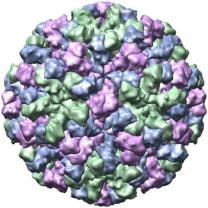
Health officials in Yangpu District, Shanghai are reporting a norovirus outbreak that sickened some forty students at the University of Shanghai for Science and Technology, according to a local media report.
Norovirus was confirmed by laboratory testing in both vomit and feces samples.
The university said it has disinfected all canteens, classrooms, dormitories and other public spaces, and also banned takeaway food being delivered to its campus.
It additionally enhanced monitoring of canteen operations and water supplies on campus.
Officials with Nelson Marlborough Health are reporting an increase in campylobacteriosis cases during the past month. 24 cases have been notified to the Medical Officer of Health in the past four weeks, compared to a range of 6-16 cases in the same period over the previous five years.
A number of known risk factors for campylobacteriosis have been identified in the people affected. These are: drinking raw (unpasteurised) milk or untreated water, and contact with animals and/or nappies (diapers).
A single source cause has yet to be found and investigations are ongoing.
Posted in food bourne outbreak, food contamination, Food Hygiene, Food Illness, Food Micro Blog, Food Microbiology, Food Microbiology Blog, Food Pathogen, Food Poisoning, food recall, Food Safety, Food Safety Alert, foodborne outbreak, foodbourne outbreak, Listeria, Listeria monocytogenes, outbreak, Uncategorized