Category Archives: outbreak

Spain – Legionellosis outbreak reported in Montmeló and Montornès del Vallès

Outbreak News Today

Legionella_Plate_01

Health officials in Spain are reporting a legionellosis outbreak in the municipalities of Montmeló and Montornès del Vallès in the Vallès Oriental region.

To date, 26 cases have been detected. The cases have started symptoms between November 5 and 15. And, of the 26 cases, 10 did not require hospital admission, 2 cases required admission but have already been discharged and 14 cases are still hospitalized.

Those affected are 19 men and 7 women between 37 and 92 years old. And all the cases have had exposure in the municipalities of Montmeló or Montornès del Vallès.

USA – Salmonella Onion Outbreak continues to expand after 900 sickened

Food Poison Journal

Potandon Produce L.L.C. of Idaho Falls, Idaho is updating its October 26 voluntary recall of onions supplied from Keeler Family Farms and sold as Green Giant Fresh to include 3lb. and 5lb. bags of whole yellow onions and 2 lb. bags of whole white onions shipped between July 15 and August 22, 2021 to a UNFI retail distribution center in Champaign, Illinois. This recall does not affect any other Green Giant Fresh products or include any Green Giant canned or frozen vegetable products.

The recalled onions are being recalled because they have the potential to be contaminated with Salmonella.

USA – CDC – This year’s investigation of Salmonella outbreaks linked to backyard poultry is over

CDC

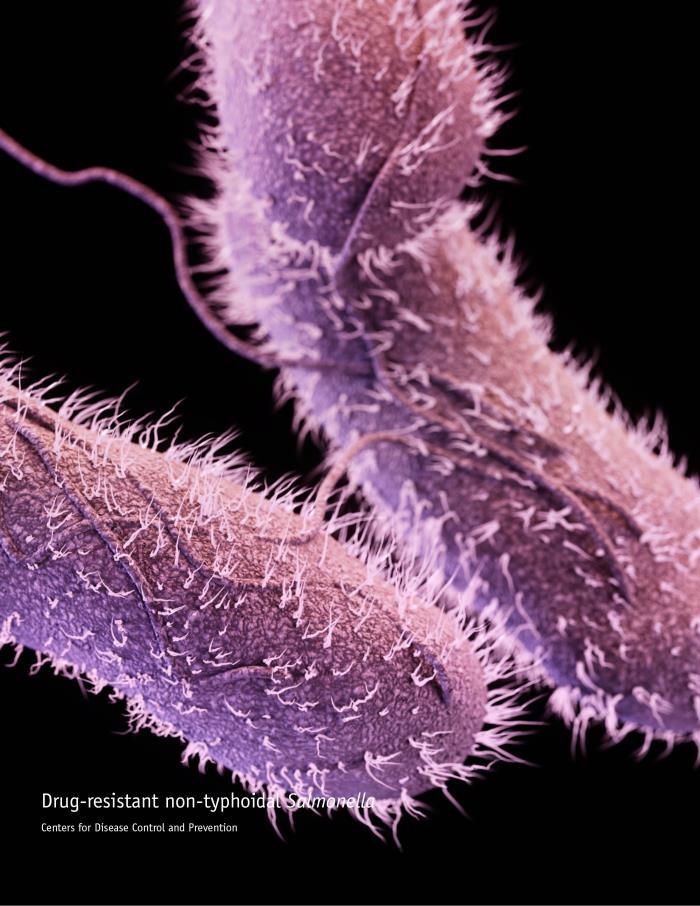
Salmonella Campylobacter

November 18, 2021

CDC and public health officials in several states investigated multistate outbreaks of Salmonella infections with serotypes of Enteritidis, Hadar, Indiana, Infantis, Mbandaka, and Muenchen.

Epidemiologic and laboratory data showed that contact with backyard poultry made people sick.

Epidemiologic Data

A total of 1,135 people infected with one of the outbreak strains were reported from 48 states, the District of Columbia, and Puerto Rico (see map). The true number of sick people in these outbreaks was likely much higher than the number reported, and these outbreaks may not have been limited to the states with known illnesses. This is because many people recover without medical care and are not tested for Salmonella.

Illnesses started on dates ranging from December 15, 2020, to October 10, 2021 (see timeline). Age information was available for 1,132 people. Their ages ranged from less than 1 to 97 years, with a median age of 37 years. Many were young children: 268 (24%) were under 5 years and 140 (12%) were under 1 year. Of 1,107 people with sex information available, 646 (58%) were female. Of 829 people with information available, 273 (33%) were hospitalized. Two deaths were reported, one from Indiana and one from Virginia.

State and local public health officials interviewed people about the animals they came into contact with the week before they got sick. Of the 677 people interviewed, 449 (66%) reported contact with backyard poultry before getting sick.

Traceback Data

Of 293 people who reported contact with backyard poultry and provided more information, 212 (72%) reported that they bought backyard poultry this year. Purchase locations included feedstores, auctions, and directly from hatcheries. Traceback of these purchases did not identify a single, common source of backyard poultry. A total of 264 separate purchases from more than 150 purchase locations of 70 different companies were reported. At least 17 hatcheries supplied backyard poultry to these purchase locations.

Laboratory Data

Public health investigators used the PulseNet system to identify illnesses that were part of this outbreak. CDC PulseNet manages a national database of DNA fingerprints of bacteria that cause gastrointestinal illnesses. DNA fingerprinting is performed on bacteria using a method called whole genome sequencing (WGS). WGS showed that bacteria from sick people’s samples were closely related genetically. This means that people in these outbreaks likely got sick from the same type of animal.

Public health officials from several states found two of the outbreak strains (Hadar and Enteritidis) from sick people’s backyard poultry and the backyard poultry environment.

  • On April 15, public health officials in Ohio found the outbreak strain of Salmonella Hadar from a sick person’s ducklings.
  • On May 7, local public health officials in California found the outbreak strain of Salmonella Hadar from a sick person’s duck environment (the ground, duck poop, and duck’s sleeping area).
  • On June 1, public health officials in Arizona found the outbreak strain of Salmonella Hadar from a sick person’s chickens and the chicken environment (chickens’ roost and water source).
  • On June 15, public health officials in Maryland found the outbreak strain of Salmonella Enteritidis from a sick person’s chickens.

WGS was also used to identify any predicted antibiotic resistance for bacteria from 1,101 sick people’s samples, 4 animal samples, and 7 environmental samples. Of the 1,112 samples, 394 (35%) were predicted to be resistant to one or more of the following antibiotics: amoxicillin-clavulanic acid (0.5%), ampicillin (0.9%), chloramphenicol (0.3%), cefoxitin (0.5%), ceftriaxone (0.5%), ciprofloxacin (0.1%), gentamicin (1.8%), kanamycin (0.4%), streptomycin (33.8%), sulfamethoxazole (2.2%), tetracycline (32.6%), and trimethoprim-sulfamethoxazole (0.2%). Testing of 11 sick people’s samples using standard antibiotic susceptibility testing methods by CDC’s National Antimicrobial Resistance Monitoring System (NARMS) confirmed these results (streptomycin and kanamycin were not tested by this method).

Most people with Salmonella illness recover without antibiotics. However, if antibiotics were needed, some illnesses in these outbreaks may have been difficult to treat with some commonly recommended antibiotics and may have required a different antibiotic choice.

Public Health Action

CDC always advises everyone to take steps to stay healthy around backyard poultry. CDC routinely works with hatcheries and stores that sell poultry to educate new poultry owners and control the spread of Salmonella at hatcheries.

UK – Salmonella pork scratching outbreak sickens 500

Food Safety News

More than 500 people in the United Kingdom have been affected by a Salmonella outbreak linked to pork scratching products.

There were 534 sick people as of late October with the majority falling ill since June. The first patient was in September 2020 and the peak was 80 cases reported in one week.

Slightly more than half are male with an age range of 0 to 92 years old and a median of 54. A dozen were admitted to hospital but this information is only available for 35 people. The majority of those sick are in England but some patients live in Wales, Scotland and Northern Ireland.

Whole genome sequencing identified the genetically similar Salmonella Infantis cases. It is thought to be the largest outbreak of this Salmonella type ever reported in Europe.

USA – Salmonella Serotypes Associated with Illnesses after Thanksgiving Holiday, United States, 1998–2018

CDC

Food Poisoning Salmonella

Abstract

We sought to determine which Salmonella serotypes cause illness related to the Thanksgiving holiday in the United States and to foods disproportionately eaten then (e.g., turkey). Using routine surveillance for 1998–2018 and a case-crossover design, we found serotype Reading to be most strongly associated with Thanksgiving.

Thanksgiving, celebrated annually in the United States on the fourth Thursday of November, often brings together family and friends who eat specific traditional foods, such as mashed potatoes, cranberry sauce, and pumpkin pie; the most prominent food eaten is turkey (1). In 2017, ≈45 million turkeys were produced for Thanksgiving, ≈18% of annual production (2). Turkey is popular across regions, races, sexes, and generations; 88% of person in the United States report eating turkey during their Thanksgiving meal (1,3,4).

Foodborne Salmonella infections cause substantial illness and death in the United States: an estimated1 million cases, 20,000 hospitalizations, and 400 deaths occur annually (5). Typical illness consists of diarrhea, fever, and abdominal pain lasting 3–7 days; only a minority of persons seek health care. Incubation typically ranges from 6 hours to 6 days (5). Salmonella outbreaks caused by serotypes Hadar and Saint Paul have been most commonly attributed to turkey, and serotypes Enteritidis, Heidelberg, and Typhimurium have been frequent causes of turkey-associated outbreaks (6). During 2015‒2020, Reading and Hadar were the serotypes most often isolated from turkeys (7); less is known about which serotypes cause turkey-associated sporadic Salmonella infections. We aimed to determine which Salmonella serotypes cause sporadic enteric infections after the Thanksgiving holiday and are most likely related to foods disproportionately eaten then, particularly turkey.

Denmark – Listeria outbreak has sickened 9 in Denmark

Food Safety News

Danish officials are investigating a years-long outbreak of Listeria infections that has affected nine people from 2018 through this month.

The Statens Serum Institut (SSI), Danish Veterinary and Food Administration (Fødevarestyrelsen) and DTU Food Institute are trying to find the source of the infections.

The same type of Listeria monocytogenes has been found in nine people from late 2018 to November 2021. The four patients this year have all only recently become ill. Two people fell sick in both 2018 and 2019 and one case was recorded in 2020.

Among those sick are seven women aged from 35 to 95 years old and two children younger than age 5. They live all over the country. All nine Danish patients have been hospitalized but there have not been any deaths.

Whole genome sequencing (WGS) showed samples from outbreak patients to be closely related, which means it is likely they came from the same source.

USA – Outbreak Investigation of E. Coli O157:H7 – Spinach (November 2021)

FDA

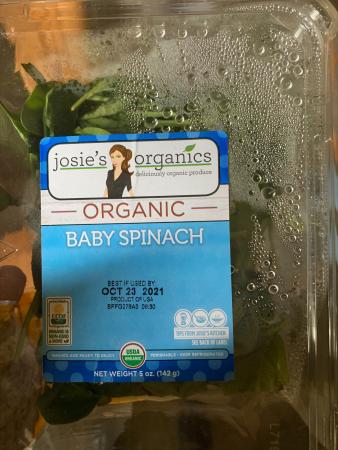
Outbreak Investigation of E. Coli O157:H7 in Spinach (November 2021): Sample Image of Josie's Organics Baby Spinach

The FDA and CDC, in collaboration with state and local partners, are investigating illnesses in a multistate outbreak of E. coli O157:H7. According to the CDC, as of November 15, 2021, 10 people infected with the outbreak strain of E. coli O157:H7 have been reported from 7 states. Illnesses started on dates ranging from October 15 to October 27, 2021. Five people in this outbreak report eating spinach in the week before becoming sick and one person reported Josie’s Organics brand.

On November 15, 2021, the Minnesota Department of Agriculture reported that, as part of this outbreak investigation, a sample of Josie’s Organics Baby Spinach collected from the home of an ill person tested positive for E. coli O157:H7. This sample had a “Best If Used By” date of October 23, 2021 and is undergoing Whole Genome Sequencing (WGS) analysis to determine if the strain of E. coli O157:H7 present in the product sample matches the outbreak strain.

As WGS analysis of the sample is underway, FDA is tracing back the supply of the baby spinach in the positive product sample. Thus far, FDA has traced supply chains for this product back to a small number of farms in two different geographic regions and is deploying investigators along the supply chains of interest.

FDA and state partners are working with the firm to determine if additional products could be affected. This is an ongoing investigation and additional information will be provided as it becomes available.

Recommendation

Consumers, restaurants, and retailers, should not eat, sell, or serve Josie’s Organics Baby Spinach with a “Best If Used By” date of October 23, 2021. Josie’s Organics Baby Spinach is sold in a clear plastic clamshell with the Best If Used By Date on the top label.

Although this product is past expiration and should no longer be available for purchase, consumers should check their homes for product and discard it. If consumers froze fresh Josie’s Organics Baby Spinach, they should discard it.


Case Count Map Provided by CDC

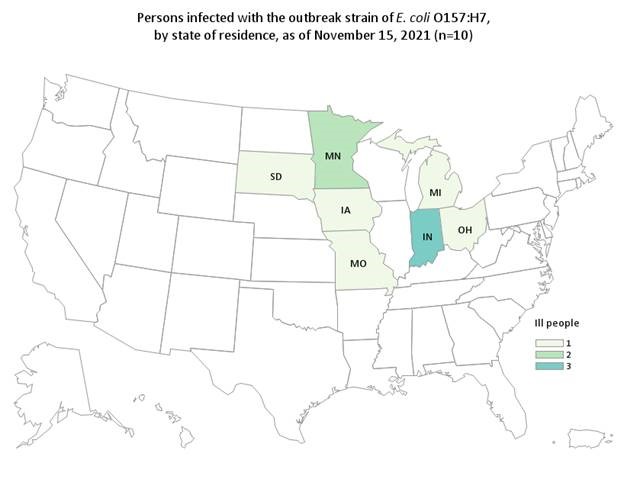
Outbreak Investigation of E. Coli O157:H7 in Spinach: Case Count Map Provided by CDC (November 15, 2021)

Case Counts

Total Illnesses: 10
Hospitalizations: 2
Deaths: 0
Last Illness Onset: October 27, 2021
States with Cases: IA (1), IN (3), MI (1), MN (2), MO (1), OH (1), SD (1)

USA – Alsum Farms Onions Are Recalled For Possible Salmonella Contamination

Food Poisoning Bulletin

Alsum Farms onions are recalled for possible Salmonella contamination, according to an FDA notice. The fresh yellow, white, and red onions were delivered to retailers in Wisconsin, Michigan, Illinois, and Pennsylvania between July 13, 2021 and August 18, 2021. The onions were imported from Chihuahua, Mexico by Keeler Family Farms. No illnesses have been reported to date in connection with onions marketed through Keeler Family Farms. Alsum Farms & Produce is located in Friesland, Wisconsin. You can see all of the secondary onion recalls in association with a multistate Salmonella outbreak here.

USA – Salmonella Outbreak linked to Onions hits nearly 900 in 38 States

Food Poison Journal

Since the last update on October 29, 2021, 84 more sick people were added to this outbreak. As of November 12, 2021, 892 people infected with the outbreak strain of Salmonella Oranienburg have been reported from 38 states and Puerto Rico (see map). Illnesses started on dates ranging from May 31, 2021, to October 25, 2021 (see timeline).
Sick people range in age from less than 1 year to 101 years, with a median age of 37, and 58% are female. Of 571 people with information available, 183 (32%) have been hospitalized.

The true number of sick people in an outbreak is likely much higher than the number reported, and the outbreak may not be limited to the states with known illnesses. This is because many people recover without medical care and are not tested for Salmonella. In addition, recent illnesses may not yet be reported as it usually takes 3 to 4 weeks to determine if a sick person is part of an outbreak.

USA – Salmonella Citterio Salame Sticks Outbreak Grows to 30

Food Poisoning Bulletin

kswfoodworld salmonella

The Salmonella Citterio Salame Sticks outbreak has grown to include 30 patients in 10 states, according to the Centers for Disease Control and Prevention (CDC), which is an increase of 10 patients since the last update on October 28, 2021. Six people are hospitalized because they are so ill. That is an increase of two more states in the case count. A recall was issued after the government discovered that the product was still being sold at one retail location, which was not named.