Category Archives: Microbiology

Sweden – The number of sick in the Swedish egg Salmonella outbreak continues to increase

Food Safety News

hazegg.jpg

The number of people sick in a Salmonella outbreak in Sweden traced to eggs has gone up again to nearly 80.

The Public Health Agency of Sweden (Folkhälsomyndigheten) said 76 people were sick, which is up from 48 in a previous update.

Patients from 16 different regions have been confirmed as infected with the outbreak strain of Salmonella Enteritidis.

Sick people include 36 women and 40 men who fell ill between early December 2022 and the end of January 2023. They are one to 91 years old with a median age of 35.

Kenyans warned against eating meat from animals fed with contaminated maize

The Star

The Kenya Agricultural and Livestock Research Organisation has warned Kenyans against consuming livestock, and chicken from animals fed with contaminated maize.

Kalro director general, Dr Eliud Kireger told the Star on Tuesday that contaminated maize that is given to livestock passes over residual effects to humans.

“The residual effects are passed on to humans through the consumption of related products including milk, eggs and meat,” he said.

He said aflatoxin is a fungal toxin that commonly contaminates maize and other types of crops during production, harvest, storage or processing.

In Kenya, acute aflatoxin poisoning results in liver failure and death in up to 40 per cent of cases.

In May 2006, an outbreak of acute aflatoxicosis was reported in the Makueni, Tharakanithi and Machakos regions of Kenya where aflatoxin contamination of homegrown maize was a recurrent problem.

USA – FDA Core Investigation Table – Investigations of Foodborne Illness Outbreaks

FDA

Date
Posted

Ref
#

Pathogen
or
Cause of
Illness

Product(s)
Linked to
Illnesses

(if any)

Total
Case
Count


Status

2/15/2023

1123

Listeria
monocytogenes

Not Yet
Identified

See CDC
Investigation
Notice

Active

12/28/2022

1137

Salmonella
Typhimurium

Alfalfa Sprouts

See
Outbreak
Advisory

Active

11/9/2022

1127

Listeria
monocytogenes

Enoki
Mushrooms 

See
Outbreak
Advisory

Active

USA – Listeria Outbreak with Unknown Food Source

CDC

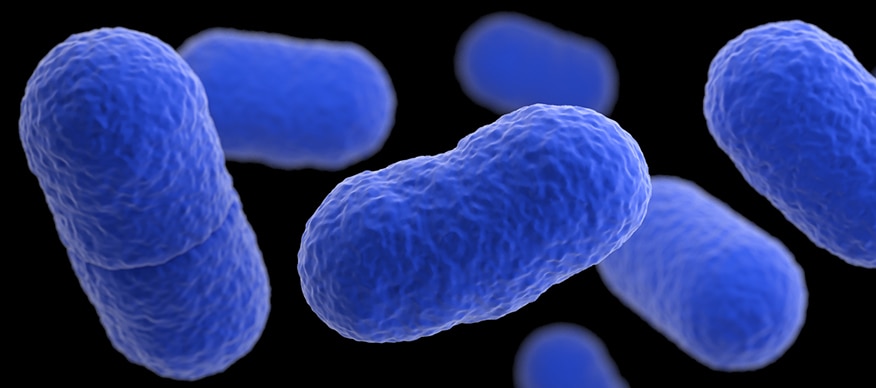
Image of listeria pathogen

A specific food item has not yet been identified as the source of this outbreak. However, CDC is concerned that several recent illnesses have been reported. Listeria illness is rarebut it can result in serious illness or death.

Listeria is especially harmful if you are pregnant, aged 65 or older, or have a weakened immune system. If you are in any of these groups and have Listeria symptoms, contact your healthcare provider right away.

Fast Facts
  • Illnesses: 11
  • Hospitalizations: 10
  • Deaths: 0
  • States: 10
  • Recall: No
  • Investigation status: Active

A specific food item has not yet been identified as the source of this outbreak.

Public health officials are interviewing people in this outbreak to find out what foods they ate before getting sick. Investigators are collecting as much information as they can to solve this outbreak.

USA – FDA – Enforcement Report – Fiber Powder, Dietary Supplement – Raw material tested positive for Cronobacter sakazakii.

FDA

Product Description:

Fiber Powder, Dietary Supplement, Apple Cinnamon Flavored, packaged under the following brands and sizes. 1. Ortho Molecular Products Fiber Plus, Product #608445, Net Wt. 15.9 oz (450 Grams) UPC 6 15033-00608 2. Ortho Molecular Products, Inc., 3017 Business Park Drive, Stevens Point, WI 54482. 2. Utzy Naturals, Daily Fiber Drink Mix. Net Wt 5.95 oz (168.75 Grams), UPC 8 56420-00632 6. Manufactured for Utzy Naturals, 623 West Main St., Lake Geneva, WI 53147. 3. Ortho Molecular Products Fiber Plus, Product #608445CAN, 450 g, UPC 6 15033-04608 8. Ortho Molecular Products, Inc. 54482 United States. Product is sold in Canada. 4. Ortho Molecular Products Fiber Plus, Product #608445C, Net Wt. 15.9 oz (450 Grams) UPC 6 15033-01608 1. . Ortho Molecular Products, Inc., 3017 Business Park Drive, Stevens Point, WI 54482. Contains CA Prop 65. 5. Unbranded bottled product in 1000cc bottle to be given out by healthcare provider. 608.008J UPC 6 15033 60608 4. 6. Unbranded bottled product in 1000cc bottle to be given out by healthcare provider. 608C.009H UPC 6 15033 61608 3. Contains CA Prop 65.

Raw material tested positive for Cronobacter sakazakii.

Recalling Firm:

Ortho Molecular Products, Inc.
3017 Business Park Dr
Stevens Point, WI 54482-8835
United States

Jordan – Restaurant shut down after 19 suspected food poisoning cases

Roya News

Jerash Governor Firas Al-Faour told Roya that the Jordan Food and Drug Administration (JFDA) closed the restaurant Tuesday morning after a number of people reported not feeling well after eating from that restaurant.

He noted that the closure decision was taken as a precautionary step until the results of the samples taken by the JFDA come out.

All cases were admitted to the Jerash Governmental Hospital and all, except for two children, have been discharged.

The two children are between four and five years of age, who are currently in stable/good health condition.

Faour warned citizens and residents to be careful when it comes to restaurant discounts and offers.

India – Over 40 taken ill in Ri-Bhoi; food poisoning suspected

The Shillong Times

NONGPOH, Feb 13: In a suspected case of food poisoning, more than 40 people from Nongkhrah village in Ri-Bhoi were admitted to hospitals a day after they attended a bachelor party on February 10.
As per sources, it was informed that the attendees of the bachelor party, which was held in the same village, were mostly locals.
It was also informed that more than 40 people, including women and children, fell sick a day after consuming pork at the gathering, and were rushed to Nongpoh Civil Hospital, Nongpoh and Bethany Hospital, Pahamsyiem for treatment.
The other attendees, who did not consume pork, did not, however, complain of any health issue.

Research – Surveillance plan proposal for early detection of zoonotic pathogens in pigs and poultry

EFSA

Abstract

In the framework of the EU4Health Programme, the European Commission has allocated specific resources for Member States for setting up a coordinated surveillance system under the One Health approach for cross‐border pathogens that threaten the Union (CP‐g‐22‐04.01 Direct grants to Member States’ authorities). This initiative required the development of surveillance plan proposal for early detection of zoonotic pathogens in animals and the environment. This report summarized the preparatory work undertaken for the development of surveillance plan proposals for early detection of zoonotic pathogens in pigs and poultry. Two diseases were in the focus of this work, namely Hepatitis E and Influenza in Swine. Four so‐called surveillance activity cards were developed for Hepatitis E and one surveillance activity card for Influenza in Swine. These surveillance plan proposals serve the purpose of outlining scientifically sound surveillance options for zoonotic pathogens for review and further development by experts of the EFSA Working Group on One Health surveillance.

England – Norovirus cases increase significantly in England

Gov UK

Food Borne Illness - Norovirus -CDC Photo

National surveillance data shows laboratory reports of the virus are 66% higher than the average at this time of year. The biggest increase in laboratory confirmed norovirus has been seen in the group of those aged 65 years and over. While high numbers of cases in this age group is expected at this time of year, these levels haven’t been seen in over a decade.

In response to the increase in cases, UKHSA is reminding the public of the actions that they can take to reduce the spread of norovirus.

Norovirus is highly infectious and is easily spread through contact with someone with the infection or with contaminated surfaces. One of the best ways to prevent the spread of norovirus is by practising good hand hygiene. Most people will make a full recovery within 2 to 3 days but it is important to drink plenty of fluids to prevent dehydration, especially for the very young, elderly or those with weakened immune systems who are more at risk.

The number of outbreaks caused by norovirus have increased in hospitals, schools and care homes, with the majority of outbreaks reported in care home settings.

Dr Lesley Larkin, Surveillance Lead, Gastrointestinal Infections and Food Safety (One Health) Division at UKHSA, said:

Norovirus levels are currently the highest we have seen at this time of year in over a decade. Most reported cases are in the over 65s and we’re also seeing a rise in reported outbreaks, particularly in care home settings.

Please stay at home if you are experiencing norovirus symptoms and do not return to work (particularly if you work with vulnerable people or food) or send sick children to school or nursery until 48 hours after symptoms have cleared. If you have a loved one in a care home or hospital, please avoid visiting until 48 hours after symptoms have cleared.

Regular hand washing is really important to help stop the spread of this bug, but remember, alcohol gels do not kill off norovirus so soap and warm water is best.

NHS Medical Director, Professor Sir Stephen Powis, said:

The number of people in hospitals with norovirus has risen significantly in line with what we are seeing in the community and in care homes – it is a really unpleasant illness to catch, but for the vast majority of people it will usually pass in a couple of days, and self-treating at home is the best way to help yourself and avoid putting others at risk.

Research – Dogs and Germs

Food Poisoning News

Though many may not realize it, pets can make people ill too. These illnesses can be transferred from the dog to its loving owner (or “caretaker”) and can range from something as minor as a skin infection to a more major life-threatening illness. One illness that dogs can carry is Salmonella. Salmonella is most widely known as a typical foodborne illness that can cause several symptoms. But dogs can acquire salmonella (or many other types of bacteria) by playing in the yard, where wild animals have been. They then bring it inside and spread it around. Soon, caretakers are suffering the symptoms of salmonellosis, which include fever, diarrhea, nausea, and vomiting. Though most people are able to recover on their own, some require hospitalization.

The source of the salmonella in these cases is rarely identified.