Category Archives: Microbiology

RASFF Alerts – STEC E.coli – Lamb Hind Shank – Chilled Beef – Veal Meat

European Food Alerts

RASFF

Shigatoxin-producing Escherichia coli in frozen lamb hind shank from Germany in the Netherlands

RASFF

Shigatoxin-producing Escherichia coli (in 1 out of 5 samples /25g) in chilled beef from Argentina in Germany

RASFF

Suspicion of shigatoxin-producing Escherichia coli in veal meat from Belgium in Luxembourg


RASFF Alerts – Animal Feed – Salmonella – Processed Animal Protein

European Food Alerts

RASFF

Salmonella (presence /25g) in processed animal proteins Cat 3 from Spain in Italy

RASFF

Salmonella (presence /25g) in processed animal proteins from France in Spain

France – Withdrawal and recall of foodstuffs likely to be injurious to health – Microbiology

MAF

The Ministry of Agriculture and Food is withdrawing and recalling all products, mainly beef, poultry and smoked fish, manufactured without the required sanitary approval, under the trade name “DJEN FOODS “. In fact, an inspection carried out by the Departmental Directorate for the Protection of Populations (DDPP) of Seine-et-Marne revealed that the production and marketing of these products were not carried out under conditions meeting the food safety requirements.

Considering these serious shortcomings, likely to make food detrimental to the health of consumers, the services of the Ministry of Agriculture and Food today order the withdrawal from sale and the recall of all products marketed by the establishment “DJEN-FOODS” or bearing a “DJEN-FOODS label: meat and fish, fresh or smoked, or other cooked dishes, in bulk or vacuum-packed, kept at room temperature, refrigerated or frozen, etc … and this regardless of the use-by date (BBD) or the minimum durability date (MDD) indicated on these foods.

These products are marketed mainly in Ile de France, probably in establishments specializing in the marketing of “exotic” preparations. They can be identified by the labels affixed indicating: “made in France by DJEN-FOODS”.

The Prefect of Seine-et-Marne on August 13 ordered the cessation of all production at this establishment until further notice. The services of the Directorate-General for Food are continuing their investigations, in particular on product traceability.

USA – Maison Terre Issues Voluntary Nationwide Recall of Organic Goldenseal Root Powder Due to Microbial Contamination

FDA

North Little Rock, AR, Maison Terre is voluntarily recalling all lots of its Goldenseal Root Powder, purchased from Starwest Botanicals, Sacramento, CA, and repackaged to the consumer level due to microbial contamination. FDA laboratory analysis of product samples found these products to be contaminated with various microorganisms including: Enterobacter cloacae, Cronobacter sakazakii, Cronobacter dublinensis, among others.

Risk Statement: The use of contaminated product in otherwise healthy patients can result in infections necessitating antimicrobial and potentially surgical treatment. In individuals with weak immune systems and infants, the use of the product can result in death. Maison Terre has received a report of one infant death associated with use of this product on the umbilical cord stump.

The product is a yellow colored powder that comes in a clear plastic bag, net weight of 1 oz.

The recalled Goldenseal Root Powder was distributed nationwide in the USA to customers who ordered through Amazon.com and purchased between the dates of 01/25/2015 to 08/04/2020.

Maison Terre is notifying its customers by email through Amazon.com. Customers who have purchased the Goldenseal Root Powder are urged not to consume or apply it. Customers are urged to dispose of any unused portion. For those customers wanting to return the product for a refund, please contact Maison Terre for a return shipping label.

Customers with questions regarding this recall may contact Maison Terre at 501-888-9438, Mon-Fri, 10 am – 4 pm CST or at info@maisonterre.net. Consumers should contact their physician or healthcare provider if they have experienced any problems that may be related to taking or using this drug product.

Adverse reactions or quality problems experienced with the use of this product may be reported to the FDA’s MedWatch Adverse Event Reporting program either online, by regular mail or by fax.

  • Complete and submit the report Online
  • Regular Mail or Fax: Download form or call 1- 800-332-1088 to request a reporting form, then complete and return to the address on the pre-addressed form, or submit by fax to 1-800-FDA-0178

Maison Terre is conducting this recall with the knowledge of the U.S. Food and Drug Administration.


Company Contact Information

Consumers:
Maison Terre
 501-888-9438
 info@maisonterre.net

Product Photos

Germany – K-Classic pumpkin seeds natural 200 g -Salmonella

Click to access Presseinformation+K+Classic+K%FCrbiskerne+200g.pdf

Belgium – Loué brand whole white chicken

AFSCA

As part of a control carried out by our supplier, the presence of Salmonella Thyphimurium was detected in:

Whole white chicken of the Loué brand
Barcode: 3238990478326
Brand: Loué (LDC Group)
Batch number: 2020036427 Use by
date ( DLC): 08/18/2020 and 08/20/2020

The product was distributed via the Cora stores in Chatelineau (6200), Hornu (7301), Rocourt (4000) en Messancy (6780).

CORA has decided, in agreement with the AFSCA (Federal Agency for the Safety of the Food Chain), to withdraw these products from sale.

Customers who have purchased this product are asked not to consume it and return it to the point of sale, where they will be reimbursed.

People who have consumed the product mentioned above and who have gastrointestinal disturbances, diarrhoea, vomiting or abdominal pain are invited to consult their doctor, notifying him of this consumption. The incubation period can range from 6 to 72 hours.
The risk of infection is higher in the elderly, children, pregnant women and the immuno-compromised.

In the meantime, the product has been withdrawn from the store shelves and a ‘Customer reminder’ poster is displayed in these outlets .

We sincerely apologise to our customers for this inconvenience and assure them of taking the most effective measures to avoid this type of incident.

Any customer wishing aAdditional information can be addressed to our Quality Department and contact the number 071.699.524 or by email at the address: ALERTES-RETRAITS@CORA.BE .

CORA Quality Department

USA – Urgent Onion Recall Notification

FDA

HelloFresh has been informed by one of its ingredient suppliers that it is conducting a voluntary recall of its onions due to the potential presence of salmonella bacteria. Please discard all onions received from May 8 through July 31, 2020.

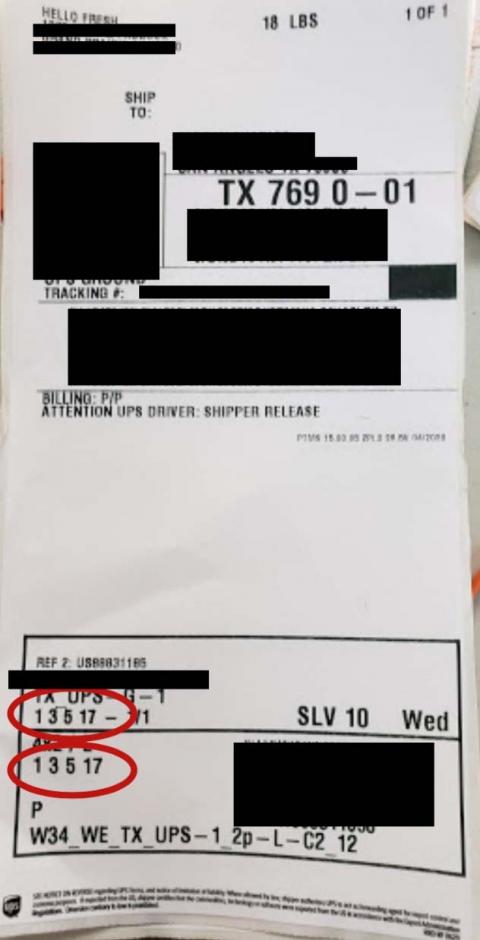
We recommend disposing of all onions received during the specified time period. For further information on whether you have been impacted, please check the product codes, located on the bottom square of your box shipping label. Please see the photo provided below as reference for locating the product code.

Production Week

Production Week Start Date

HelloFresh Product Codes*
*Number sequence may vary

Everyplate Product Codes*
*Number sequence may vary

20 5/08 2-3-5-6-17 81-82-84-86-92-94
21 5/15 2-8-15-19 82-86-83-93
22 5/22 2-5-6-9-20 87-88-89-93-90-94
23 5/29 6-8-9-15-B- 3-5-20 82-84-86-87-89-91-92-95
24 6/5 6-8-17- B 82-84-86-89-90-95-83-93
25 6/12 3-4-10-15-18-17-19-20 82-87-88-95-82-87-88-95
26 6/19 2-3- 8-12 88-89-84-93
27 6/26 5-17- 4-15-18-20 82-87-89-90-91- 84-92-93
28 7/3 3-9-10-12-15-17- 6 85-86-90-91
29 7/10 3-20-7-21 82-88-89-90-92-96
30 7/17 4-19-21 82-84-89-94-96- 83-95
31 7/24 2-3-4-19-7-8-16 82-92- 81-84-87-89-94-96-98

As noted above, customers should immediately discard all onions received. We also recommend extra caution in disinfecting and sanitizing surfaces and containers that may have come in direct contact with these products, as recommended by the FDA. In the event that the onions have been consumed, please note that thoroughly cooking the product to 165ºF/74ºC, as instructed by the recipe, will kill the salmonella bacteria.

If you are experiencing any symptoms, including but not limited to, fever, diarrhea, or nausea, please contact your healthcare provider immediately. Click here for more information from the FDA about this supplier recall and the potentially related symptoms.

We sincerely apologize for this supplier-related incident. Your safety is our highest priority and we have taken immediate steps to ensure our onions are no longer sourced from this supplier. All HelloFresh facilities are SQF (Safe Quality Food) certified, which is the highest level of food safety certification and our teams follow a rigorous process to maintain the safety and quality of our meal kits. If you have any additional questions, please contact HelloFresh at hello@hellofresh.com.


Company Contact Information

Consumers:
HelloFresh

Product Photos

USA – Outbreak Investigation of Salmonella Enteritidis: Bagged Peaches (August 2020)

FDA

The FDA, along with CDC and state and local partners, is investigating a multistate outbreak of Salmonella Enteritidis infections potentially linked to bagged peaches sold at ALDI stores in multiple states. The peaches are in Wawona-brand 2-pound, clear plastic bags sold in ALDI stores from June 1, 2020 until present. Based on information collected from ill persons, CDC has identified bagged peaches from ALDI stores as a likely source of Salmonella Enteritidis infections. As of August 19, 2020, CDC is reporting a total of 68 cases across 9 states.

FDA’s traceback investigation is ongoing to determine the full scope of product distribution and source of contamination. More information will be shared when it is available.

As of August 19, 2020, ALDI has voluntarily recalled all of Wawona-brand bagged peaches from select ALDI stores in multiple states and is continuing to participate in FDA investigation efforts to determine the source of contamination.

Recommendations

Advice for consumers, restaurants, and retailers: Consumers, restaurants, and retailers should not eat, sell, or serve Wawona-brand bagged peaches from ALDI stores in multiple states. Consumers who purchased Wawona-brand bagged peaches from ALDI stores from June 1, 2020 to present and may still have them in their house should not eat the peaches and should throw them away. Consumers who purchased Wawona-brand bagged peaches from ALDI stores from June 1, 2020 to present and froze them should throw them away.

Consumers who purchased bagged peaches from ALDI stores from June 1, 2020 to present and cannot identify the brand, should throw the peaches away.

FDA recommends that anyone who received Wawona-brand bagged peaches from ALDI use extra vigilance in cleaning and sanitizing any surfaces and containers that may have come in contact with the produce to reduce the risk of cross-contamination. This includes cutting boards, slicers, countertops, refrigerators, and storage bins.

Consumers who have symptoms of Salmonella infection should contact their health care provider. Most people with salmonellosis develop diarrhea, fever, and abdominal cramps. More severe cases of salmonellosis may include a high fever, aches, headaches, lethargy, a rash, blood in the urine or stool, and in some cases may become fatal.

Suppliers and Distributors: Suppliers, distributors and others in the supply chain should not use, ship or sell Wawona-brand bagged peaches from ALDI. Suppliers and distributors that re-packaged Wawona-brand bagged peaches from ALDI from June 1, 2020 to present should use extra vigilance in cleaning and sanitizing any surfaces and storage areas that may have come into contact with Wawona-brand bagged peaches from ALDI stores. If there has been potential cross contamination or mixing of peaches from other sources with these products, then comingled products should be discarded.

Investigation Update

August 19, 2020

The FDA, along with CDC and state and local partners, is investigating a multistate outbreak of Salmonella Enteriditis infections. State officials from the Minnesota Department of Health reportedExternal Link Disclaimer that many of the people sick with the same strain of Salmonella Enteritidis, confirmed by Whole Genome Sequencing (WGS), had purchased Wawona-brand bagged peaches from ALDI prior to becoming ill.

In response to FDA investigators, ALDI reported to FDA that potentially affected bagged peaches were shipped to CT, IA, IL, KY, MA, MI, MN, ND, NH, NY, OH, RI, SD, VT, WI, and WV. ALDI also reported to FDA that the sole supplier of the bagged peaches to stores reported by cases during the timeframe of interest was Wawona Packing Company, LLC. FDA’s traceback investigation is ongoing to identify the source of this outbreak and to determine if potentially contaminated product has been shipped to additional retailers.


Product Images

Outbreak Investigation of Salmonella Enteritidis: Bagged Peaches Product Image (August 2020)

Case Count Map Provided by CDC

Outbreak Investigation of Salmonella Enteritidis in Bagged Peaches (August 2020) - Case Count Map from CDC for August 19, 2020

U.S. Distribution Map of Recalled Peaches

Outbreak Investigation of Salmonella Enteritidis in Bagged Peaches (August 2020) - U.S. Distrobution Map of Recalled Peaches (August 19, 2020)

This map includes confirmed distribution information from companies; products could have been further distributed and sent to additional retailers and states.

Case Counts

Total Illnesses: 68
Hospitalizations: 14
Deaths: 0
Last Illness Onset Date: August 3, 2020
States with Cases: IA, MD, MI, MN, NJ, NY, PA, VA, WI
Product Distribution*: CT, IA, IL, KY,  MA, MI, MN, ND, NH, NY, OH,  RI, SD, VT, WI, WV
*Distribution has been confirmed for states listed, but product could have been distributed further, reaching additional states


Australia – Aldi Stores (a Limited Partnership) — Inner Goodness Regular UHT Soy Milk 1L – Microbial Contamination

PSA

PRA No.

Photograph of Inner Goodness UHT Regular Soy Milk 1L

Identifying features

Best before date
12 March 2021

What are the defects?

The recall is due to potential microbial contamination.

What are the hazards?

Food products with microbial contamination may cause illness if consumed.

What should consumers do?

Customers should not consume this product and should return it to any ALDI store for a refund of the purchase price. Any consumers concerned about their health should seek medical advice.

For further information, please visit https://www.aldi.com.au/en/about-aldi/product-recalls/ or contact the Aldi Food Recall Hotline on 1800 709 993.

Traders who sold this product

Aldi Stores

Where the product was sold
Australian Capital Territory
New South Wales
Queensland
South Australia
Victoria
Western Australia
Dates available for sale
  • 30 June 2020 – 14 August 2020

Recall advertisements and supporting documentation

Coordinating agency

Food Standards Australia New Zealand is the coordinating agency for this recall.

Research – Estimating the distribution of norovirus in individual oysters

Science Direct

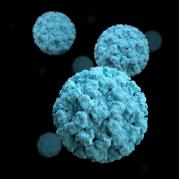
Food Borne Illness - Norovirus -CDC Photo

Image CDC

Norovirus in oysters is a significant food safety risk. A recent ISO detection method allows for reliable and repeatable estimates of norovirus concentrations in pooled samples, but there is insufficient data to estimate a distribution of copies per animal from this. The spread of norovirus accumulated across individual oysters is useful for risk assessment models. Six sets of thirty individual Crassostrea gigas oysters were tested for norovirus concentration levels by reverse-transcription quantitative PCR (RT-qPCR): three from a commercial harvest site, and three post-depuration. Five sets had norovirus GII means above the limit of quantification (LOQ), and one below the LOQ, but above the limit of detection. No norovirus GI was detected in pooled tests, and individual oysters were not tested for norovirus GI. Depuration was shown to reduce the mean concentration of GII copies, but not to affect the shape of the distribution around the mean. Deconvoluting the uncertainty of the method, the coefficient of variation was stationary (0.45 ± 0.2). The best fit distribution was either a lognormal distribution or a gamma. Multiplying these distributions by the weight of oyster digestive tissues gave an estimate for the count mean. This was used as the parameter λ in three compound Poisson distributions: Poisson-lognormal, Poisson-gamma, and Poisson-K. No model was found to fit better than the others, with advantages for each. All three could be used in future risk assessments. Preliminary validation of sampling uncertainty using repeated testing data from a previous study suggests that these results have predictive power.