Salmonella spp. in fish meal from Mauritania in Spain
Salmonella Typhimurium in supplementary feed for dogs from Germany in Austria and Luxembourg

Salmonella spp. in fish meal from Mauritania in Spain
Salmonella Typhimurium in supplementary feed for dogs from Germany in Austria and Luxembourg
As the planet heats up, a type of mycotoxin called “aflatoxin” is increasingly affecting maize and peanut crops in East Africa — vital crops that hundreds millions of people on the continent depend on for nutrition and calories. If eaten, they can be deadly and lead to disease. But they aren’t easy to detect.
Listen to the podcast at the above link.
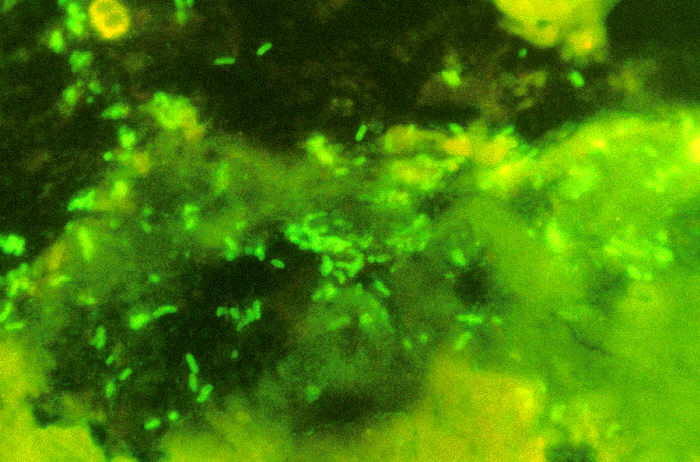
At least seven children are sick with E. Coli infections in a new outbreak involving an unknown source. All of the sick children are younger than 14, with three of them younger than five years old, according to an outbreak announcement by King County, WA, health officials.
“Our investigation is ongoing, and we have not identified any foods, restaurants, or other sources in common among all cases. It is not yet known whether these cases share the same source or not,” officials reported in the announcement.
The children became ill between April 22 and May 1. Six of the seven children have been so sick they had to be admitted to hospitals. One of the sick children is confirmed as having developed a life-threatening kidney complication called hemolytic uremic syndrome (HUS) and is recovering. A second child is suspected to have HUS.
hus
Microbiological contamination of lactose free milk from France in Italy
Salmonella agona in rapeseed cake in the Netherlands
Salmonella in raw petfood from Netherlands in Belgium
Salmonella spp. in fish meal from Morocco in Spain
At least six people have been admitted this Monday at the University Hospital of Ceuta and four more have been treated at the same center as a result of a salmonella poisoning in a downtown restaurant.
Hospital admissions have occurred during the day due to salmonella poisoning, since all those who have come to the hospital have reported having had lunch in the same restaurant, with pictures of vomiting, diarrhea, abdominal pain, and fever, which have forced six of them to remain hospitalized, as reported by health and police sources.
The technicians of the Health Area of the Ceuta Government they have opened an investigation to know the origin of the outbreak and determine the food that may have led to this poisoning.
This document is based on the conclusions of a study carried out by experts on microbiological risks from the European Food Safety Authority (EFSA) and published in April 2020. The need to carry it out arose from an outbreak of Listeria monocytogenesST6, between the years 2015 and 2018, which affected several countries and caused 53 people sickened and 10 died. The source of infection was some frozen vegetables. Its processing included a previous bleaching in freezing. Bleaching is a procedure that is carried out with hot water or steam in order to stop the enzymatic activity that causes changes in the color, flavor and texture of the food. Environmental contamination from a freezing plant was the origin and reason for the persistence of the strain that caused the outbreak from 2015 to 2018.
EFSA already published in the summer of 2018 recommendations on sampling and microbiological methods to maximize the sensitivity of detection of L. monocytogenes in the processing water and in the environment of the premises that produce frozen fruits, vegetables or herbs. Recommendations were also made on the identification of critical sampling sites to carry out monitoring of the environment of these establishments (ME).
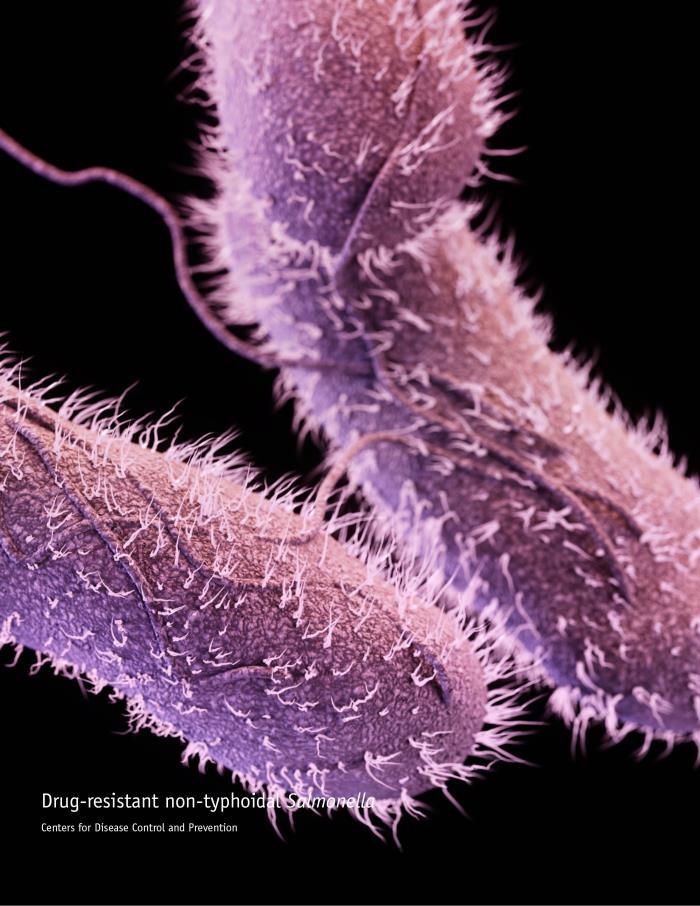
In recent months, more than three hundred cases of salmonellosis have occurred in various European countries and Canada, which are linked to each other. In the UK the cases could be partly traced back to frozen breaded poultry meat. The cause was contamination with the bacterium Salmonella Enteritidis, which causes gastrointestinal inflammation. Salmonella is not killed by deep freezing and can remain infectious at temperatures below zero degrees Celsius. The Robert Koch Institute (RKI) and the BfR are monitoring the situation together with the Federal Office of Consumer Protection and Food Safety (BVL). In Germany, the number of reported cases has currently risen to more than 20 in six federal states. In 2020, there were a total of about 10,000 reported cases of salmonellosis in Germany, most of which were caused by the consumption of contaminated food. In principle, foodborne infections can be avoided by paying particular attention to hygienic care when preparing raw poultry. Due to the measures taken to contain the COVID 19 pandemic, people are currently cooking more often at home and, in the course of this, convenience products such as frozen goods are also being used more frequently. Sometimes it is not obvious at first glance whether such products contain pre-cooked or raw meat. Sufficient heating should always be ensured during preparation, especially of products containing raw poultry meat. In addition, bacterial contamination of other dishes via the raw meat and breading is possible. “Especially for children and elderly people there is a higher risk of getting sick from salmonella,” says BfR President Prof. Dr. Dr. Andreas Hensel.
German officials have urged people to follow hygiene rules and take care when handling raw meat following a number of Salmonella infections linked to poultry.
The number of confirmed people sick stands at more than 20 in six federal states which is up from the six mentioned in a European Centre for Disease Prevention and Control (ECDC) assessment in February.
At that time, 193 cases of a certain sequence type of Salmonella Enteritidis had also been reported in Denmark, Finland, France, Ireland, the Netherlands, Poland, Sweden, and the United Kingdom (UK) between May 2018 and December 2020.
Another sequence type of Salmonella Enteritidis has sickened about 300 people in the UK. One person from Canada with a travel history to Europe was ill in 2019.


