Salmonella spp. in lamb head skin (feed material) from Poland in Germany
Salmonella Paratyphi B in frozen chicken meat cat 3 from Netherlands in Italy

Salmonella spp. in lamb head skin (feed material) from Poland in Germany
Salmonella Paratyphi B in frozen chicken meat cat 3 from Netherlands in Italy
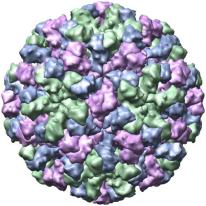
Seattle King County Department of Public Health is investigating an outbreak of norovirus-like illness with vomiting, diarrhoea, body aches, and chills associated with WildFin American Grill in Renton.
We have not yet identified how norovirus was spread within the restaurant. This is not uncommon for norovirus outbreaks, because the virus can spread through multiple contaminated food items, environmental surfaces, and from person to person.
Since August 2, 2021, 10 people from three meal parties reported becoming ill after consuming food from WildFin American Grill on July 29, 2021.
We have identified one ill employee so far who experienced symptoms consistent with norovirus dating back to August 4, 2021, but who did not work while contagious. Further investigation is ongoing.

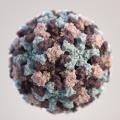
A norovirus outbreak has forced the closure of soft play world in Nuneaton.
Bermuda Adventure Soft Play World has had to shut its doors for 48 hours.
Coventry Live has seen a message which explains that an outbreak of norovirus is behind the temporary closure.
Home from Home, in Grand Avenue, is still operating as usual, however it is reminding all parents that if their child has norovirus symptoms, they must isolate for 48 hours to prevent further spread of the virus.
A spokeswoman from Home from Home nursery said: “The nursery is still operating as usual.
“D and V is transmitting in the community at present and as a setting with 230 children on the register then we are experiencing cases as you would expect.
Ukraine health officials report since the beginning of this year and as of August 1, 604 people, including 447 children, have been affected by outbreaks of intestinal infections. A total of 50 outbreaks were registered.
In July 2021 alone, 137 people fell ill, including 98 children. A total of 12 outbreaks of infectious diseases were recorded :
The largest number of outbreaks in July occurred in children’s health facilities and institutions with organized recreation for groups of children (33.3%) and in everyday life (25.0%). The remaining outbreaks occurred in children’s preschools (16.7%), catering establishments (16.7%) and in health care establishments (8.3%).
Posted in food bourne outbreak, Food Micro Blog, Food Microbiology, Food Microbiology Blog, Food Microbiology Testing, Food Virus, foodborne outbreak, foodbourne outbreak, Hepatitis A, microbial contamination, Microbiological Risk Assessment, Microbiology, Microbiology Investigations, outbreak, Rotavirus, Salmonella

The Mississippi State Department of Health (MSDH) has identified several cases of E. coli O157 infection associated with use of the swimming pool and/or splashpad at the Jellystone Park Camp Resort-Yogi on the Lake in Pelahatchie, Miss.
The cases identified so far have exposure dates on the weekend of July 30th through August 1st, but additional exposures may have occurred through August 9, 2021. The pool and splashpad were closed on August 9, 2021.
Posted in Contaminated water, E.coli O157, E.coli O157:H7, food bourne outbreak, Food Micro Blog, Food Microbiology Blog, Food Microbiology Testing, foodborne outbreak, foodbourne outbreak, microbial contamination, Microbiological Risk Assessment, Microbiology, Microbiology Investigations, outbreak, STEC, STEC E.coli, Water, water microbiology, Water Safety

WASHINGTON – The District has issued a Boil Water Advisory for portions of the Northeast due to the possibility of elevated levels of E. coli/coliform bacteria.
The advisory was issued Thursday and includes the neighborhoods of Edgewood, Brookland, Fort Lincoln, Woodridge, Queens Chapel, Michigan Park and North Michigan Park. Officials say approximately 14,000 residents have been affected.
The impacted region is approximately:
– East of North Capitol Street
– West of Eastern Avenue
– South of New Hampshire Avenue
– North of New York Avenue
Contamination of meats and meat products with foodborne pathogenic bacteria raises serious safety issues in the food industry. The antibacterial activities of phosphorous-fluorine co-doped TiO2 nanoparticles (PF-TiO2) were investigated against seven foodborne pathogenic bacteria: Campylobacter jejuni, Salmonella Typhimurium, Enterohaemorrhagic E. coli, Yersinia enterocolitica, Shewanella putrefaciens, Listeria monocytogenes and Staphylococcus aureus. PF-TiO2 NPs were synthesized hydrothermally at 250 °C for 1, 3, 6 or 12 h, and then tested at three different concentrations (500 μg/mL, 100 μg/mL, 20 μg/mL) for the inactivation of foodborne bacteria under UVA irradiation, daylight exposure or dark conditions. The antibacterial efficacies were compared after 30 min of exposure to light. Distinct differences in the antibacterial activities of the PF-TiO2 NPs, and the susceptibilities of tested foodborne pathogenic bacterium species were found. PF-TiO2/3 h and PF-TiO2/6 h showed the highest antibacterial activity by decreasing the living bacterial cell number from ~106 by ~5 log (L. monocytogenes), ~4 log (EHEC), ~3 log (Y. enterolcolitca, S. putrefaciens) and ~2.5 log (S. aureus), along with complete eradication of C. jejuni and S. Typhimurium. Efficacy of PF-TiO2/1 h and PF-TiO2/12 h NPs was lower, typically causing a ~2–4 log decrease in colony forming units depending on the tested bacterium while the effect of PF-TiO2/0 h was comparable to P25 TiO2, a commercial TiO2 with high photocatalytic activity. Our results show that PF-co-doping of TiO2 NPs enhanced the antibacterial action against foodborne pathogenic bacteria and are potential candidates for use in the food industry as active surface components, potentially contributing to the production of meats that are safe for consumption. View Full-Text
Posted in Campylobacter, Food Micro Blog, Food Microbiology, Food Microbiology Blog, Food Microbiology Research, Food Technology, microbial contamination, Microbiological Risk Assessment, Microbiology, Microbiology Investigations, Research, Salmonella, Shewanella, Staphylococcus aureus, Technology, Yersinia, yersinia enterocolitica
Feeding raw meat to domestic pets is a popular practice. Because of the potential food safety implications associated with handling raw meat, concerns about pet owner health have increased. For this study, a netnographic content analysis approach was used to analyze posts from ‘PetForums Community’ online archives, relating to ‘raw meat-based feeding’ and ‘food safety’ ( n =308). UK manufacturer/supplier websites ( n =33) were reviewed for provision of food safety information relating to raw meat-based pet feeding. The data were analyzed using qualitative thematic approach and quantitative methods. Pet owner forum comments indicated potential malpractices and indifference towards the possible food safety hazards when preparing raw meat-based pet food. Many were risk aware but indicated confusion regarding appropriate food safety practices. Although emotional concern about the safety of the pets and children was expressed, contracting a foodborne disease was not perceived as a personal risk. Additionally, the review identified that the majority (61%) of manufacturer/supplier websites failed to provide any food safety instructions or warnings to pet owners regarding raw meat-based pet food. Information was inconsistent and varied between sources. The most comprehensive sources of information were provided by manufacturers approved by the UK Pet Food Manufacturers’ Association. This is the first netnography study to explore pet owner online reports and the provision of food safety information, related to raw pet feeding. Findings suggest pet owners may not fully appreciate the potential risks associated with raw meat-based pet feeding. Consequently, there is a need for credible and consistent strategies to inform the pet owners about potential implications associated with feeding raw meat to pets, as well as about safe food handling practices.


 FoodWorld