Category Archives: Microbiological Risk Assessment

Research – Inactivation of viruses related to foodborne infections using cold plasma technology

Wiley Online

Globally, there is a rise in day-to-day demand for minimally processed foods to supply nutritious, wholesomeness and safe foods to the consumers. Contamination of food by pathogens is a serious problem resulting in several outbreaks. Food pathogens like molds, bacteria were detectable and can be inactivated. The virus detection in foods is always a difficult task as their presence could not alter any noticeable change in the quality. Norovirus, Hepatitis A viruses are well-known for their foodborne outbreaks and illnesses. Enveloped viruses are resistant and have the stability to the current traditional preservation methods due to the presence of a protective capsid layer and an envelope. The current thermal processing has shown significant effect on the product quality. The use of chemical disinfestation compounds is not suitable for food commodities. There is a need for alternative nonthermal food processing technologies for decontamination of food and food packages and preserving the food quality as well. Cold plasma is one of the emerging nonthermal, chemical-free residues, and eco-friendly technology widely being applied to the different food sectors. The main antiviral mechanism is the disruption of the capsid protein layer, the oxidation and denaturation of viral proteins. The method has also caused damage to the envelope layer and genetic material. This review focuses on cold plasma inactivation efficiency on different viruses.

Cambodia – About 50 people sick in suspected mass food poisoning

Khmer Times

At least 50 people are seeking for treatment after a suspected mass food poisoning incident. The people all ate raw vegetables in a festival.

Of the 52 people who were poisoned 20 were rushed to the Maung Russey District Health Centre and Referral Hospital. According to the inspector, this case is still being investigated by the specialized police force.

Quebec – Notice not to consume smoked salmon sold by the company La Bernoise boucherie charcuterie inc.

Quebec

The Ministry of Agriculture, Fisheries and Food (MAPAQ), in collaboration with the Food Inspection Division of the City of Montreal and the company La Bernoise Boucherie Charcuterie Inc. located at 3988, boulevard Saint-Charles in Pierrefonds (Montreal), warns the public not to consume the product indicated in the table below, because it has not been packaged in such a way as to ensure its harmlessness.

Product name

Format

Affected lot

“SMOKED SALMON”

Variable

Units sold until May 31, 2022

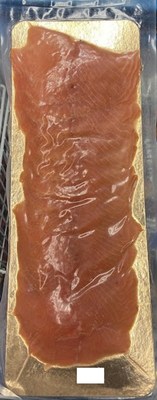
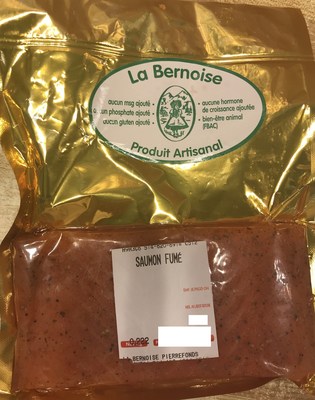
The product that is the subject of this warning was offered for sale until May 31, 2022, only at the establishment mentioned above. It was packaged in a clear plastic wrapper with a gold bottom and offered refrigerated. The product label includes, in addition to its name, the words “La Bernoise” and “Produit Artisanal”.

The operator is voluntarily recalling the product in question. It has agreed with MAPAQ and the Food Inspection Division of the City of Montreal to issue this warning as a precautionary measure. In addition, people who have this product in their possession are advised not to consume it. They must return it to the establishment where they bought it or throw it away. Even if the affected product shows no signs of tampering or suspicious odors, its consumption may represent a health risk. However, no case of disease associated with the consumption of this food has been reported to MAPAQ to date.

Additional information

The Ministry publishes various information documents concerning food safety. Interested persons can consult them in the “Food Consumption” section of the MAPAQ website: www.mapaq.gouv.qc.ca/consommation  . They also have the possibility of registering online by visiting www.mapaq.gouv.qc.ca/rappelsfoods  to receive, by e-mail, the food recall press releases published by the Ministry. Finally, it is possible to follow “MAPAQfoods” on Twitter at the following address: www.twitter.com/MAPAQfoods  .

smoked salmon (CNW Group/Ministry of Agriculture, Fisheries and Food) 

Hazard Classification:  Class 1

Reference Number: 4558

Source

Media relations
Direction des communications
Ministry of Agriculture, Fisheries
and Food
Tel. : 418 380-2100, extension 3512
www.mapaq.gouv.qc.ca 

Quebec – Notice not to consume smoked fish sold by Euro Victoria European Market

Quebec

The Ministry of Agriculture, Fisheries and Food (MAPAQ), in collaboration with the Food Inspection Division of the City of Montreal and the company Euro Victoria European Market located at 4751, avenue Van Horne in Montreal, warns the population not to consume the products indicated in the table below, because they have not been packaged in such a way as to ensure their harmlessness.

Frozen smoked salmon (CNW Group/Ministry of Agriculture, Fisheries and Food)

Product name

Format

Affected lot

Cold smoked salmon steak

Variable

Units sold until May 31, 2022

Cold smoked sprats

The products that are the subject of this warning were offered for sale until May 31, 2022, only at the establishment mentioned above. They were placed on a Styrofoam tray covered with transparent plastic wrap and offered refrigerated. The label of the products includes, in addition to their name, the mention “Euro Victoria”. People who have these products in their possession are advised not to consume them. They must return them to the establishment where they purchased them or throw them away.

In addition, MAPAQ, in collaboration with the same company, advises the public not to consume the product indicated in the table below if it has not been kept in the freezer at all times since the time of purchase. . In fact, the product label does not include the information necessary for its safe consumption, namely the statement “Keep frozen” which is required.

Product name

Format

Affected lot

“Smoked Atlantic salmon slices”

454g

Units sold until May 31, 2022

The operator is voluntarily recalling the product in question. It has agreed with MAPAQ and the Food Inspection Division of the City of Montreal to issue this warning as a precautionary measure. In addition, people who have the product indicated in the second table in their possession and who have not kept it in the freezer at all times since the time of purchase are advised not to consume it. They must return it to the establishment where they bought it or throw it away. Even if the affected product shows no signs of tampering or suspicious odors, its consumption may represent a health risk. However, no case of disease associated with the consumption of this food has been reported to MAPAQ to date.

Scotland- Don’t spoil the street party – bring a side of food safety

FSS

As thousands of people across Scotland prepare to host summer street parties, Food Standards Scotland (FSS) is reminding people who are planning or attending these events to ensure they are following good food safety practices to minimise the chance of food poisoning.

It is estimated that there are 43,000 cases of foodborne illness annually in Scotland. FSS’s latest ‘Our Food in Scotland’ tracker survey revealed many consumers still admit to risky behaviours that can lead to food poisoning, with more than a quarter (28%) of people surveyed not always washing their hands before preparing/cooking food and over a third (36%) not always storing raw and ready-to-eat foods separately.

Dr Jane Horne, Head of Food Protection Science and Surveillance at FSS, says there are simple steps people can take to safely host events.

“Regardless of whether you’re hosting or attending a street party or event this summer, it is important to keep food safety at the forefront of your mind to keep everyone safe. Thankfully, there is a lot we can do to protect ourselves and those around us.

“Our ‘Food Safety at Community Events’ guidance, which can be downloaded from the FSS website, includes several food safety tips to follow when hosting or preparing for an event – especially when catering for larger numbers.

“It’s important to practise good food safety behaviours and following the ‘4Cs’ of food hygiene – cleaning, chilling, cooking and avoiding cross-contamination – will help you and your friends prepare, make and store food safely.”

Practical tips outlined in the guidance to help people planning or attending street parties this summer include:

  • Wash your hands regularly with soap and water before food preparation and consumption and always after handling raw meat/poultry
  • Keep raw and ready-to-eat foods separate
  • Do not use food past its use-by date
  • Always read any cooking instructions and make sure food is properly cooked before you serve it – it needs to be steaming hot
  • Plan ahead to keep your food cool until it’s time to eat. Any foods which you would usually keep in the fridge at home also need to be kept cool for your event. You can use a cool box or bag with ice, frozen gel packs or frozen drinks distributed evenly throughout to help keep your food cold.
  • Provide a list of the allergens present in foods for those attending the event.

For more information on how to follow good food safety practices this summer, head to the Food Standards Scotland website and download the guidance: Food Safety at Community Events | Food Standards Scotland

Research – Jif Peanut Butter Recall: Make Sure Your Dog’s Favorite Snack Isn’t Tainted With Salmonella

Daily Paws

Some dogs love peanut butter more than we do, so make sure your stash isn’t one of the products potentially contaminated with salmonella.

You probably need to check that jar of peanut butter in your cupboard—both for you and your dog.

On Friday, The J.M. Smucker Company issued a wide recall of its Jif peanut butter products because of potential salmonella contamination. If that’s the brand you like to share with your dog—heck, maybe the peanut butter is only for your dog—you’ll want to make sure you dispose of any potentially tainted spread.

The U.S. Food and Drug Administration has attributed 14 human illnesses—including two hospitalizations—in 12 states to the salmonella outbreak. The FDA traced its origins to the Smucker Company’s manufacturing facility in Lexington, Ky.

The recalled Jif products were sold in stores nationwide and in Canada, the Dominican Republic, Singapore, Malaysia, Taiwan, South Korea, Thailand, Honduras, Spain, and Japan. You can check the list at the bottom of this article to see which products were specifically recalled.

Anyone with recalled Jif in their homes should obviously not let anyone consume it and throw it away. If the peanut butter has touched anything, including your hands, you should sanitize those areas immediately. And keep in mind: Other companies have recalled products that contain Jif peanut butter, and you can find that list here

UK – How to safely host a street party

FSA

Official Jubilee Flags Queen Elizabeth Platinum 2022 Official Merchandise

The Platinum Jubilee Weekend takes place from 2 June to 5 June with lots of Big Lunches also taking place during this time. The bank holiday weekend will be a big celebration with many people attending and organising parties or gatherings in their local communities.

Whether you are attending a community party or hosting one of your own, it is important to be aware of food safety and hygiene. Below are some practical tips and advice on best practice so that everyone can trust the food they’re eating.

Selling food at a street party

You do not need a food hygiene training certificate to make and sell food for charity events. However, you need to make sure that you handle food safely.


Handling party food

Warm weather and outdoor cooking are the perfect conditions for bacteria to grow and there are risks when preparing and serving chilled food in these conditions.

Following the 4Cs of food hygiene will help you prepare, make and store food safely. You can do this by:

  • cleaning effectively removes the bacteria on hands, equipment and surfaces. This helps to stop harmful bacteria and viruses from spreading onto food.
  • chilling your food below 8 degrees will stop or significantly slow the growth of bacteria. This temperature must be maintained and foods that need to be chilled like sandwich fillings should not be left out of the fridge for more than four hours.
  • cooking food correctly by following the guidance on time and temperature
  • avoiding cross-contamination which might lead to bacteria passing from raw foods to ready-to-eat foods via things like re-usable shopping bags, knives and chopping boards.
  • good personal hygiene is also essential when you’re preparing food. This will help ensure that bacteria you may have come into contact with isn’t passed to your friends, family and neighbours in their food.

Best practice

Here are some practical tips to help keep food you prepare and eat safe during your Jubilee celebrations:

  • wash your hands regularly with soap and water before food preparation and consumption
  • always wash fresh fruit and vegetables
  • keep raw and ready-to-eat foods apart
  • do not use food past its use-by date
  • always read any cooking instructions and make sure food is properly cooked before you serve it – it needs to be piping hot
  • ensure that food preparation areas are cleaned and sanitised before and after use and ensure equipment is washed in hot soapy water
  • plan ahead to keep your food cool until you’re ready to eat. Any foods which you would usually keep in the fridge at home also need to be kept cool on your picnic. This includes; any food with a use-by-date, cooked dishes, salads and dairy products
  • place these foods in a cool box or cool bag with ice or frozen gel packs. Distribute these throughout the box or bag, not all at the bottom. You can also use frozen drinks to help keep your cool box cold. Store cold food below 5 degrees to prevent bacteria from growing.

If food isn’t handled properly people are at risk of food poisoning from:

  • campylobacter – spreads through the cross-contamination from raw chicken
  • listeria – is most commonly associated with chilled, ready-to-eat foods like cured meats, pre-prepared sandwiches and salads
  • salmonella – is most often found in undercooked poultry, raw meat, eggs or unpasteurised milk
  • E.coli – it is often found on raw and undercooked meats

Read our Providing food at community and charity events for specific advice about making and serving cakes at community events.

Our picnic advice contains more tips on how to keep food cold and safe.

If you are hosting a BBQ then please read our BBQ food safety information.

Bear in mind that on hot days you need to be extra vigilant. 

UK – Research – A survey of Salmonella, Escherichia coli (E. coli) and antimicrobial resistance in frozen, part-cooked, breaded or battered poultry products on retail sale in the United Kingdom

FSA

A survey of Salmonella, Escherichia coli (E. coli) and antimicrobial resistance in frozen, part-cooked, breaded or battered poultry products on retail sale in the United Kingdom

In this study we estimated how frequently Salmonella spp. were present in frozen, breaded or battered chicken products, intended to be cooked before consumption, on retail sale in the UK between April and July 2021.

Frozen, breaded, ready-to-cook chicken products have been implicated in outbreaks of salmonellosis. Some of these outbreaks can be large. For example, one outbreak of Salmonella Enteritidis involved 193 people in nine countries between 2018 and 2020, of which 122 cases were in the UK. These ready-to-cook products have a browned, cooked external appearance, which may be perceived as ready-to-eat, leading to mishandling or undercooking by consumers. Continuing concerns about these products led FSA to initiate a short-term (four month), cross-sectional surveillance study undertaken in 2021 to determine the prevalence of Salmonella spp., Escherichia coli and antimicrobial resistance (AMR) in frozen, breaded or battered chicken products on retail sale in the UK.

This study sought to obtain data on AMR levels in Salmonella and E. coli in these products, in line with a number of other FSA instigated studies of the incidence and nature of AMR in the UK food chain, for example, the systematic review (2016).

Between the beginning of April and the end of July 2021, 310 samples of frozen, breaded or battered chicken products containing either raw or partly cooked chicken, were collected using representative sampling of retailers in England, Wales, Scotland and Northern Ireland based on market share data. Samples included domestically produced and imported chicken products and were tested for E. coli (including extended-spectrum beta-lactamase (ESBL)-producing, colistin-resistant and carbapenem-resistant E. coli) and Salmonella spp. One isolate of each bacterial type from each contaminated sample was randomly selected for additional AMR testing to determine the minimum inhibitory concentration (MIC) for a range of antimicrobials. More detailed analysis based on Whole Genome Sequencing (WGS) data was used to further characterise Salmonella spp. isolates and allow the identification of potential links with human isolates.

Salmonella spp. were detected in 5 (1.6%) of the 310 samples and identified as Salmonella Infantis (in three samples) and S. Java (in two samples). One of the S. Infantis isolates fell into the same genetic cluster as S. Infantis isolates from three recent human cases of infection; the second fell into another cluster containing two recent cases of infection. Countries of origin recorded on the packaging of the five Salmonella contaminated samples were Hungary (n=1), Ireland (n=2) and the UK (n=2). One S. Infantis isolate was multi-drug resistant (i.e. resistant to three different classes of antimicrobials), while the other Salmonella isolates were each resistant to at least one of the classes of antimicrobials tested. E. coli was detected in 113 samples (36.4%), with counts ranging from ❤ to >1100 MPN (Most Probable Number)/g. Almost half of the E. coli isolates (44.5%) were susceptible to all antimicrobials tested. Multi-drug resistance was detected in 20.0% of E. coli isolates. E. coli isolates demonstrating the ESBL (but not AmpC) phenotype were detected in 15 of the 310 samples (4.8%) and the AmpC phenotype alone was detected in two of the 310 samples (0.6%) of chicken samples. Polymerase Chain Reaction (PCR) testing showed that five of the 15 (33.3%) ESBL-producing E. coli carried blaCTX-M genes (CTX-M-1, CTX-M-55 or CTX-M-15), which confer resistance to third generation cephalosporin antimicrobials. One E. coli isolate demonstrated resistance to colistin and was found to possess the mcr-1 gene.

The five Salmonella-positive samples recovered from this study, and 20 similar Salmonella-positive samples from a previous UKHSA (2020/2021) study (which had been stored frozen), were subjected to the cooking procedures described on the sample product packaging for fan assisted ovens. No Salmonella were detected in any of these 25 samples after cooking.

The current survey provides evidence of the presence of Salmonella in frozen, breaded and battered chicken products in the UK food chain, although at a considerably lower incidence than reported in an earlier (2020/2021) study carried out by PHE/UKHSA as part of an outbreak investigation where Salmonella prevalence was found to be 8.8%.

The current survey also provides data on the prevalence of specified AMR bacteria found in the tested chicken products on retail sale in the UK. It will contribute to monitoring trends in AMR prevalence over time within the UK, support comparisons with data from other countries, and provide a baseline against which to monitor the impact of future interventions. While AMR activity was observed in some of the E. coli and Salmonella spp. examined in this study, the risk of acquiring AMR bacteria from consumption of these processed chicken products is low if the products are cooked thoroughly and handled hygienically.

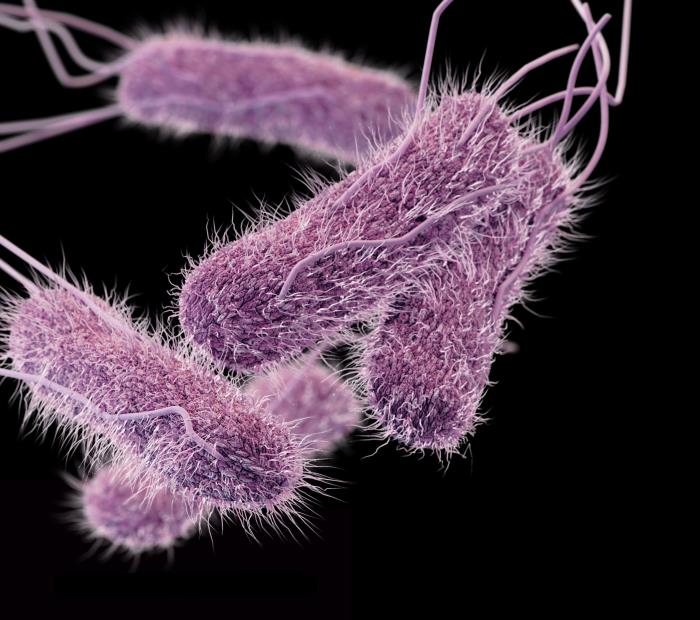
Research – How Does Peanut Butter Get Contaminated With Salmonella, Anyway?

Health

Manufacturing Issues May Lead to Salmonella in Peanut Butter

To understand the link between peanut butter and Salmonella, it’s important to go over how peanut butter is made. The process of making peanut butter starts with raw, shelled peanuts that are roasted and cooled, Vijaya Surampudi, MD, clinical nutrition specialist at UCLA Health, told Health. The peanuts are then ground, and heated again during the grinding, she added.

Heating the peanuts and keeping them dry is a hugely important step in keeping your peanut butter safe from contamination, Darin Detwiler, LPD, a professor of food policy and corporate social responsibility at Northeastern University and author of Food Safety: Past, Present, and Predictions, told Health.

“Peanut butter is made from shelled and ground peanuts that are typically left sitting in unprotected piles until ready for the next stage of food manufacturing or for delivery to another company,” said Detwiler. “Most cases of Salmonella in peanuts are caused by the presence of rain water bringing feces onto the product, or animals—birds, or more likely rodents—[coming] directly] into contact with the product.”

Roasting the contaminated peanuts can help kill the Salmonella “if the food is heated to a high enough temperature, held at that temperature for enough time, and cooked throughout,” said Detwiler. But then the peanut butter has to keep that sanitized status after heating and grinding. “Roasted peanut butter can become contaminated in the processing plant if proper sanitation protocols are not followed.”

However, in some cases roasting contaminated peanuts can actually cause a type of heat-tolerant bacteria. “That’s why cleaning and sanitizing of the equipment and the facility is so important in addition to ensuring that the facility is well maintained,” Ellen Shumaker, PhD, food safety extension associate at North Carolina State University, told Health.

Peanut Butter Is an Ideal Place for Salmonella to Survive

According to Detwiler, Salmonella may not be able to grow in peanut butter, but it can survive for “many months” if it gets into the product.

“Peanut butter is a low-moisture food, meaning there is not enough available water to support the growth of microbial pathogens like Salmonella,” Abby Snyder, PhD, assistant professor of food science at the Cornell College of Agriculture and Life Sciences, told Health. “However, while Salmonella can’t grow, it can survive for extended periods of time in low-moisture foods like peanut butter.”

The high fat content of peanut butter may even act like a layer of protection for the bacteria, according to Shumaker. She pointed to a 2000 study in the Journal of Applied Microbiology which found that the bacteria could survive for up to 24 weeks in peanut butter jars.

Another large issue: Peanut butter is considered a “ready to eat” food, meaning people typically eat it without cooking it—which then raises the risk of contracting Salmonella, if the jar is contaminated, said Snyder.

India – 97 people in MP contract food poisoning, diarrhea after eating golgappa at fair

India Today

Nearly 100 people fell sick after consuming ‘golgappas’ at a fair in Madhya Pradesh’s Mandla district on Saturday evening, May 28. The incident took place at Singarpur village in Mandla.

The number of people hospitalised was around 97, about 33 were children who were vomiting and had diarrhea. Some children also had fevers. A team of doctors started the treatment and by morning, everyone’s condition had returned to normal.

Mohgaon police station in-charge, SL Markam, said that the golgappa seller has been taken into custody and is being questioned.