Salmonella Spp in processed animal proteins (SOA cat.3) for petfood from Czech Republic in Italy
Salmonella Senftenberg in the post-extraction rapeseed meal from Ukraine in Poland

Salmonella Spp in processed animal proteins (SOA cat.3) for petfood from Czech Republic in Italy
Salmonella Senftenberg in the post-extraction rapeseed meal from Ukraine in Poland
Posted in Animal Feed, Animal Feed Salmonella, Animal Feed Testing, Decontamination Microbial, Food Micro Blog, Food Microbiology Blog, Food Microbiology Research, Food Microbiology Testing, microbial contamination, Microbial growth, Microbiological Risk Assessment, Microbiology, Microbiology Investigations, Microbiology Risk, Pet Food, Pet Food Salmonella, Pet Food Testing, RASFF, Salmonella
A total of 39 people infected with the outbreak strain of Salmonella Litchfield were reported from 4 states – California, Arizona, Texas and Illinois.
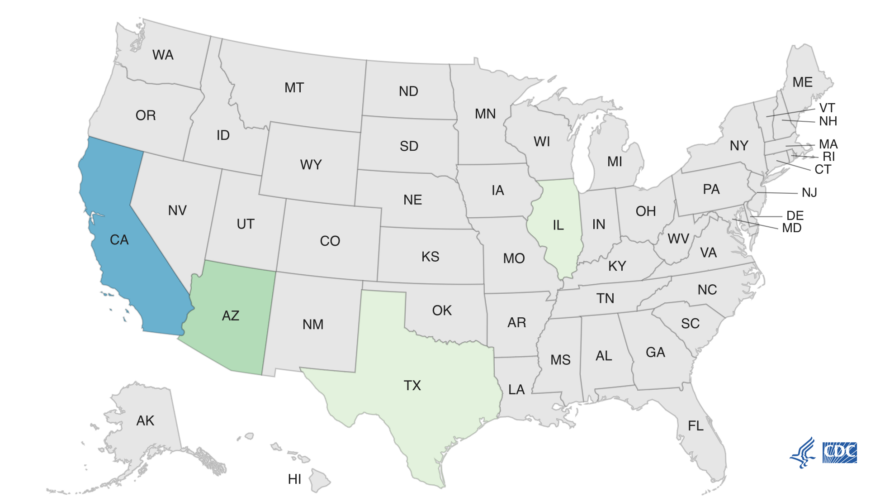
Illnesses started on dates ranging from June 14, 2022, to October 23, 2022 (see timeline). Sick people ranged in age from 1 to 80 years, with a median age of 33, and 66% were female. Of 32 people with information available, 15 were hospitalized. No deaths were reported.
Posted in Decontamination Microbial, food bourne outbreak, Food Illness, Food Micro Blog, Food Microbiology, Food Microbiology Blog, Food Microbiology Research, Food Microbiology Testing, Foodborne Illness, foodborne outbreak, foodbourne outbreak, Illness, microbial contamination, Microbial growth, Microbiological Risk Assessment, Microbiology, Microbiology Investigations, Microbiology Risk, outbreak, Salmonella
Measures taken by Estonian authorities following a Listeria outbreak have improved the fish control system, according to the European Commission.
A remote DG Sante audit, in October 2020, looked at checks to ensure smoked fish meets microbiological food safety criteria, as well as measures taken by authorities in non-compliances.
Eight Rapid Alert System for Food and Feed (RASFF) reports for Listeria monocytogenes in smoked fishery products from Estonia have been issued since 2015. All but one concerned the same establishment.
A multi-country outbreak of 22 listeriosis cases linked to cold-smoked salmon and trout pointed toward M.V Wool, an Estonian processing company as the manufacturer of these fish products. This was based on traceability information and a match between the outbreak strain and samples on the processing line and in four batches of the final product. Five countries were affected from 2014 to 2019 and five people died.
Posted in Death, Decontamination Microbial, food bourne outbreak, food death, Food Illness, Food Micro Blog, Food Microbiology, Food Microbiology Blog, Food Microbiology Research, Food Microbiology Testing, Food Poisoning Death, Foodborne Illness, Foodborne Illness Death, foodborne outbreak, foodbourne outbreak, Illness, Listeria, Listeria monocytogenes, microbial contamination, Microbial growth, Microbiological Risk Assessment, Microbiology, Microbiology Investigations, Microbiology Risk, outbreak
During fresh fruit and vegetables (FFV) production, water is used for a variety of purposes. Even the water was conventionally treated and disinfected, it may still potentially contain human pathogens, albeit at low concentrations. A risk assessment, appropriate to the national or local production context, should be conducted to assess the potential risks associated with a specific water source or supply in order to devise the appropriate risk mitigation strategies.
Since the 48th session of Codex Committee on Food Hygiene (CCFH) noted the importance of water safety and quality in food production and processing, FAO and WHO has undertaken the work on this subject. This report describes the output of the third in a series of meetings, which examined appropriate and fit-for-purpose microbiological criteria for water used with fresh fruit and vegetables. The advice herein will support decision making when applying the concept of fit-for-purpose water for use in the pre- and post-harvest production of fresh fruit and vegetables.
Posted in Contaminated water, Decontamination Microbial, Food Micro Blog, Food Microbiology, Food Microbiology Blog, Food Microbiology Research, Food Microbiology Testing, microbial contamination, Microbial growth, Microbiological Risk Assessment, Microbiology, Microbiology Investigations, Microbiology Risk, Water, water microbiology, Water Safety
Since the publication of the 2004 risk assessment, outbreaks of illness and resultant deaths due to L. monocytogenes continue to occur across the globe. Continued effort is needed to summarize and critically evaluate the most recent information on L. monocytogenes in RTE foods. New data to improve and further inform the 2004 Risk Assessment is available for nearly every factor considered previously, including new quantitative data on L. monocytogenes contamination of foods.
To facilitate this work, an FAO/WHO expert meeting was held by virtual means from 20 October to 6 November 2020 to review and discuss the available data and background documents, and to assess the need to modify and update risk assessment models/tools. This report focuses on the deliberations and conclusions of the expert meeting.
Posted in Decontamination Microbial, Food Micro Blog, Food Microbiology, Food Microbiology Blog, Food Microbiology Research, Food Microbiology Testing, Listeria, Listeria monocytogenes, microbial contamination, Microbial growth, Microbiological Risk Assessment, Microbiology, Microbiology Investigations, Microbiology Risk
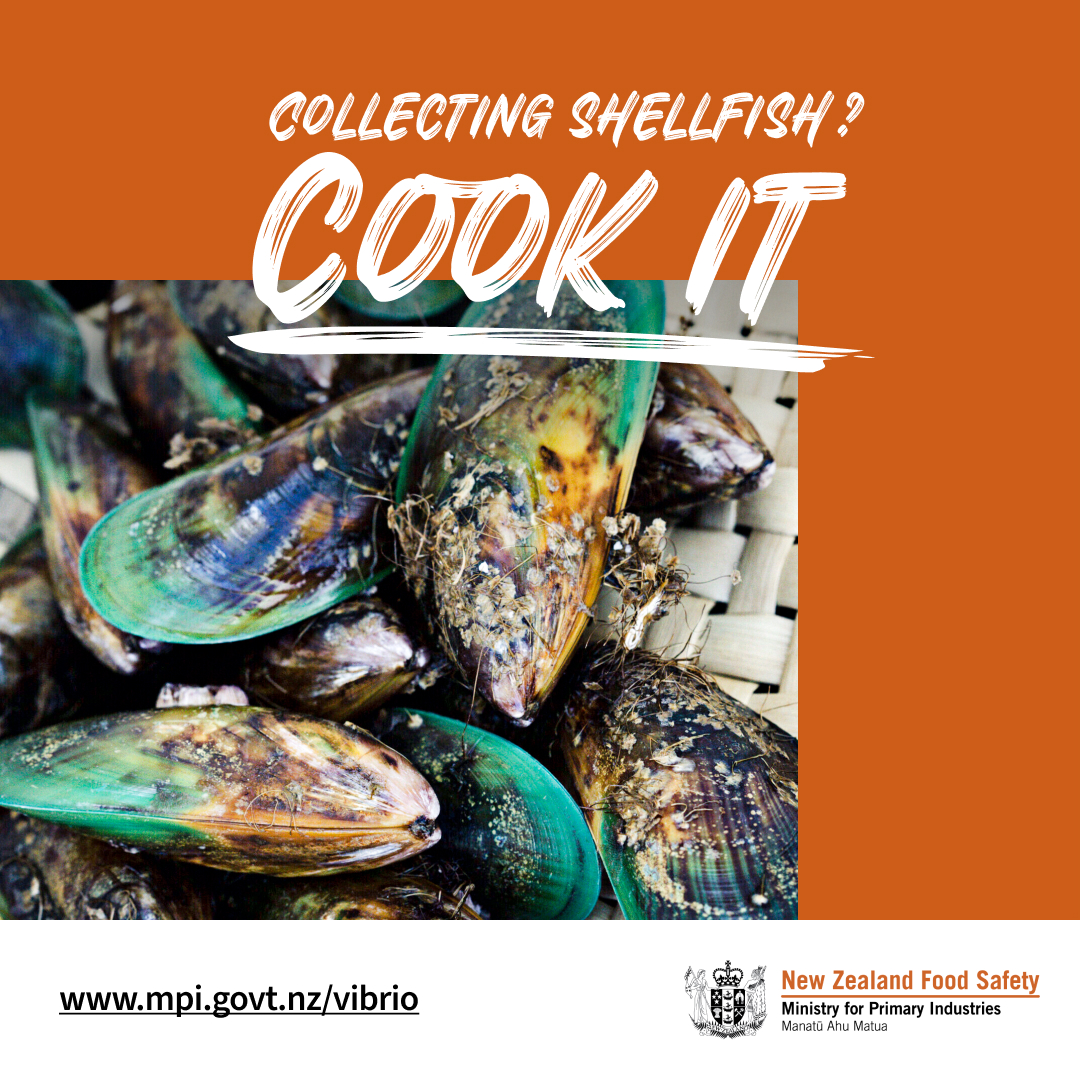
New Zealand Food Safety is calling on Kiwis to thoroughly cook the shellfish they collect this summer following an increase in cases of Vibrio parahaemolyticus illness in previous summer months.
Vibrio is a type of bacteria naturally living in the sea, and some strains can make people sick with gastroenteritis when consumed in raw or undercooked shellfish.
“Our message to those who want to eat raw or lightly cooked shellfish – like mussels, kina and pipi – is to be aware there are increased risks of illness and the simple precautions you can take to protect yourselves and your families,” says New Zealand Food Safety deputy director-general Vincent Arbuckle.
“We are starting to see more cases of illness from Vibrio parahaemolyticus. While we can’t definitively identify the cause, it is possibly because of rising sea temperatures, making it easier for bacteria to spread.
“So, as we gear up for summer, and enjoy time with family and friends over the holidays, we need to make sure to take extra care when collecting and preparing shellfish.
“In the most recent outbreak, there were 60 reported cases of Vibrio parahaemolyticus, between November 2021 and May 2022. Of particularly of concern is the high hospitalisation rate of almost 42%.
“It’s a notable increase in reported cases from previous years, with 24 cases reported earlier in 2021, 16 cases in 2020 and 23 cases in 2019. The reason for the increase is unclear at this stage – it could be caused by environmental change, increased testing and reporting, or a combination of these and other factors – but it is clear, that cooking your shellfish kills the bacteria that makes you sick.
Vibrio bacteria can cause illnesses like gastroenteritis – with symptoms including diarrhoea, abdominal cramps, nausea, vomiting and fever – blood poisoning and wound infections.
“It’s especially important for those with underlying health conditions, pregnant and older people, and younger children to avoid eating raw shellfish,” Mr Arbuckle said.
“The more people know how to collect, store, prepare and cook shellfish safely, the more they can look out for both themselves and others in our communities who may be more vulnerable.
“We want people to know there are easy, tasty ways to make the kai moana you collect safe for eating, so we’ve released a series of simple recipes, created by a community chef. These are available on the website to download and enjoy.
“On our own, we can’t control the changing environmental factors, but we can all help look after our whānau and reduce the risk of them falling sick from Vibrio by taking some simple precautions – and by spreading the word on safe ways to cook shellfish.”
What you can do to help keep your whānau safe:
What to do if someone falls sick after eating shellfish:
If possible, store and refrigerate any leftover shellfish for testing.
Posted in Food Micro Blog, Food Microbiology, Food Microbiology Blog, Food Microbiology Research, Food Microbiology Testing, microbial contamination, Microbial growth, Microbiological Risk Assessment, Microbiology, Microbiology Investigations, Microbiology Risk, Vibrio, Vibrio cholera, Vibrio parahaemolyticus, Vibrio vulnificans, Vibrio vulnificus
Posted in Cronobacter sakazakii, cross contamination, Decontamination Microbial, FDA, food bourne outbreak, Food Illness, Food Micro Blog, Food Microbiology, Food Microbiology Blog, Food Microbiology Research, Food Microbiology Testing, Foodborne Illness, foodborne outbreak, foodbourne outbreak, Illness, Listeria, Listeria monocytogenes, microbial contamination, Microbial growth, Microbiological Risk Assessment, Microbiology, Microbiology Investigations, Microbiology Risk, outbreak, Salmonella
The Centre for Food Safety (CFS) of the Food and Environmental Hygiene Department today (December 5) announced the test results of a recently completed seasonal food surveillance project on the microbiological quality of poon choi. A total of 30 samples were collected and all passed the tests.
A CFS spokesman said, “As poon choi is popular for gatherings during winter, and there were previous cases of bacterial food poisoning associated with poon choi, the CFS has continued to conduct a seasonal food surveillance project this year to assess the microbiological quality of poon choi. A total of 30 poon choi samples were collected from different retailers (including online retailers) for testing of common food poisoning organisms including Bacillus cereus, Clostridium perfringens, Salmonella, coagulase-positive staphylococci organisms and Vibrio parahaemolyticus.”
Despite the satisfactory results of all samples tested, the spokesman reminded members of the public to be careful when purchasing and enjoying this seasonal delicacy. He advised consumers to order poon choi from licensed and reliable shops, reheat poon choi thoroughly before consumption, consume the food as soon as possible or keep the food at temperatures above 60 degrees Celsius, avoid prolonged storage of poon choi at room temperature to reduce the risk of bacteria growth, and stop consuming the food if it tastes or smells abnormal.
The FDA, along with CDC and state and local partners, investigated a multistate outbreak of Salmonella Litchfield infections linked to fresh, raw salmon supplied to restaurants in California and Arizona by Mariscos Bahia, Inc.
As of December 14, 2022, CDC announced that the outbreak is over. CDC reports a total of 39 illnesses in four states. The last illness onset was October 23, 2022.
As part of this investigation, FDA and the California Department of Public Health conducted a joint inspection at Mariscos Bahia, Inc., Pico Rivera, CA and collected environmental samples from the facility. Multiple samples collected from the firm came back positive for Salmonella. Whole Genome Sequencing (WGS) indicated the Salmonella detected in at least one of the swabs from the facility matched the strain causing illnesses in this outbreak. The epidemiological evidence indicated that ill people consumed fresh, raw salmon processed at this firm; however, the presence of Salmonella in the processing environment also indicated that additional types of fish processed in the same area of the facility could have been contaminated.
On October 20, 2022, Mariscos Bahia, Inc., Pico Rivera, CA initiated a voluntary recall. Recalled products included fresh, raw salmon along with all other types of fresh fish processed in the same area as the salmon which included fresh, raw halibut, Chilean seabass, tuna, and swordfish.
According to Mariscos Bahia, Inc., seafood was only sold directly to restaurants in California and Arizona and would not be available for purchase by consumers in retail stores. The firm contacted direct restaurant customers that received recalled product. Recalled seafood was sold fresh and is now past shelf-life unless it was frozen after purchase.
Restaurants who might have purchased or received recalled fresh, raw salmon, halibut, Chilean seabass, tuna, or swordfish from Mariscos Bahia, Inc. (Pico Rivera, CA, and Phoenix, AZ) between June 14 – October 17, 2022, should check their freezers and throw away recalled product. Restaurants should also be sure to wash and sanitize locations where recalled fish from Mariscos Bahia, Inc. were stored or prepared.
Posted in Decontamination Microbial, food bourne outbreak, Food Illness, Food Micro Blog, Food Microbiology, Food Microbiology Blog, Food Microbiology Research, Food Microbiology Testing, Foodborne Illness, foodborne outbreak, foodbourne outbreak, Illness, microbial contamination, Microbial growth, Microbiological Risk Assessment, Microbiology, Microbiology Investigations, Microbiology Risk, outbreak
A rash of food poisoning cases was recently reported in Pyongyang by families who had consumed the dairy products that the North Korean government distributes to children under the age of five years old, Daily NK has learned.
A source in Pyongyang told Daily NK on Tuesday that around a dozen parents and children under the age of five in the Taesong District of Pyongyang were taken to the hospital after reporting symptoms such as stomach pain, diarrhea and vomiting.
An investigation found that everyone in the group began to experience symptoms after consuming dairy products supplied by their neighborhood government office.
Children in North Korea are given dairy products, including powdered milk and fresh milk, as one of the North Korean government’s flagship childcare initiatives. North Korea is currently combating an extremely low birth rate.
Posted in Decontamination Microbial, Food Illness, Food Micro Blog, Food Microbiology, Food Microbiology Blog, Food Microbiology Research, Food Microbiology Testing, Food Poisoning, Foodborne Illness, Illness, microbial contamination, Microbial growth, Microbiological Risk Assessment, Microbiology, Microbiology Investigations, Microbiology Risk, Poisoning

 FoodWorld