Archives
-
Join 343 other subscribers
KSWFoodWorld
Blog Stats
- 429,654 Views
Category Archives: microbial contamination
Research – Essential Oils and Their Combination with Lactic Acid Bacteria and Bacteriocins to Improve the Safety and Shelf Life of Foods: A Review
The use of plant extracts (e.g., essential oils and their active compounds) represents an interesting alternative to chemical additives and preservatives applied to delay the alteration and oxidation of foods during their storage. Essential oils (EO) are nowadays considered valuable sources of food preservatives as they provide a healthier alternative to synthetic chemicals while serving the same purpose without affecting food quality parameters. The natural antimicrobial molecules found in medicinal plants represent a possible solution against drug-resistant bacteria, which represent a global health problem, especially for foodborne infections. Several solutions related to their application on food have been described, such as incorporation in active packaging or edible film and direct encapsulation. However, the use of bioactive concentrations of plant derivatives may negatively impact the sensorial characteristics of the final product, and to solve this problem, their application has been proposed in combination with other hurdles, including biocontrol agents. Biocontrol agents are microbial cultures capable of producing natural antimicrobials, including bacteriocins, organic acids, volatile organic compounds, and hydrolytic enzymes. The major effect of bacteriocins or bacteriocin-producing LAB (lactic acid bacteria) on food is obtained when their use is combined with other preservation methods. The combined use of EOs and biocontrol agents in fruit and vegetables, meat, and dairy products is becoming more and more important due to growing concerns about potentially dangerous and toxic synthetic additives. The combination of these two hurdles can improve the safety and shelf life (inactivation of spoilage or pathogenic microorganisms) of the final products while maintaining or stabilizing their sensory and nutritional quality. This review critically describes and collects the most updated works regarding the application of EOs in different food sectors and their combination with biocontrol agents and bacteriocins.

Posted in Decontamination Microbial, essential oils, Food Micro Blog, Food Microbiology, Food Microbiology Blog, Food Microbiology Research, Food Microbiology Testing, Food Safety, Food Safety Management, lactic acid bacteria, microbial contamination, Microbial growth, Microbiological Risk Assessment, Microbiology, Microbiology Investigations, Microbiology Risk
Research – Evaluation of Hygiene Practice for Reducing Campylobacter Contamination on Cutting Boards and Risks Associated with Chicken Handling in Kitchen Environment
Abstract

Cutting boards can serve as potential carriers for the cross-contamination of pathogens from chicken to other surfaces. This study aimed to assess chefs’ handling practices of cutting boards across five provinces in China and identify the key factors contributing to unsafe cutting board usage, including cleaning methods and handling practices. Handling practices associated with cutting boards were examined through a web-based survey (N = 154), while kitchen environment tests were conducted to investigate the splashing or survival of Campylobacter, inoculated in chicken or on cutting boards, to mimic the practices of chefs. Among chefs in the five provinces of China, wood and plastic cutting boards were the most commonly used for preparing chicken meat. Approximately 33.7% of chefs washed boards with running tap water, 31.17% of chefs washed boards with detergent, and 24.03% of chefs cleaned boards by scraping them with a knife after preparing other meats or chicken. The study tested 23 cutting boards from commercial kitchens for Campylobacter presence before and after chicken preparation and cleaning. Among these, 17 were cleaned with a knife, 5 with running tap water, and only 1 with disinfectant. Results showed that cleaning with a knife significantly reduced Campylobacter presence on cutting boards (p < 0.05), while the three main cleaning methods were inadequate in eliminating contamination to a safe level. In kitchen environment tests, contaminated chicken was chopped on cutting boards, with a maximum distance of 60 cm for low contamination, and 120 cm for medium and high contamination levels. This suggested a contamination risk exposure area ranging from 60 cm to 120 cm. Campylobacter survival on surfaces of wood, plastic, and stainless steel was also tested, with plastic surfaces showing the longest survival time (4.5 h at 15 °C and 3.5 h at 25 °C) In comparison, survival time on stainless steel or wood surfaces was only 3 h, implying a cross-contamination risk exposure period of 3 to 4.5 h after chicken preparation. In conclusion, based on the current study data, the practices employed by chefs play an important role in Campylobacter transfer in the kitchen environment. The presence of Campylobacter on cutting boards even after wiping or droplet splashing highlights its potential as a source of cross-contamination in the kitchen environment. So, chefs in China should reinforce their hygiene culture and adopt effective cutting board cleaning practices to prevent pathogen contamination.
Posted in Campylobacter, campylobacter coli, Campylobacter jejuni, Decontamination Microbial, Food Micro Blog, Food Microbiology, Food Microbiology Blog, Food Microbiology Research, Food Microbiology Testing, microbial contamination, Microbial growth, Microbiological Risk Assessment, Microbiology, Microbiology Investigations, Microbiology Risk
Research – Utilization of Algae Extracts as Natural Antibacterial and Antioxidants for Controlling Foodborne Bacteria in Meat Products
Abstract
Padina pavonica, Hormophysa cuneiformis, and Corallina officinalis are three types of algae that are assumed to be used as antibacterial agents. Our study’s goal was to look into algal extracts’ potential to be used as food preservative agents and to evaluate their ability to inhibit pathogenic bacteria in several meat products (pastirma, beef burger, luncheon, minced meat, and kofta) from the local markets in Alexandria, Egypt. By testing their antibacterial activity, results demonstrated that Padina pavonica showed the highest antibacterial activity towards Bacillus cereus, Staphylococcus aureus, Escherichia coli, Streptococcus pyogenes, Salmonella spp., and Klebsiella pneumoniae. Padina pavonica extract also possesses most phenolic and flavonoid content overall. It has 24 mg gallic acid equivalent/g and 7.04 mg catechol equivalent/g, respectively. Moreover, the algae extracts were tested for their antioxidant activity, and the findings were measured using ascorbic acid as a benchmark. The IC50 of ascorbic acid was found to be 25.09 μg/mL, while Padina pavonica exhibited an IC50 value of 267.49 μg/mL, Corallina officinalis 305.01 μg/mL, and Hormophysa cuneiformis 325.23 μg/mL. In this study, Padina pavonica extract was utilized in three different concentrations (Treatment 1 g/100 g, Treatment 2 g/100 g, and Treatment 3 g/100 g) on beef burger as a model. The results showed that as the concentration of the extract increased, the bacterial inhibition increased over time. Bacillus cereus was found to be the most susceptible to the extract, while Streptococcus pyogenes was the least. In addition, Padina pavonica was confirmed to be a safe compound through cytotoxicity testing. After conducting a sensory evaluation test, it was confirmed that Padina pavonica in meat products proved to be a satisfactory product.
Posted in Antibacterial, Decontamination Microbial, Food Micro Blog, Food Microbiology, Food Microbiology Blog, Food Microbiology Research, Food Microbiology Testing, microbial contamination, Microbial growth, Microbiological Risk Assessment, Microbiology, Microbiology Investigations, Microbiology Risk
Research – Reoccurring Escherichia coli O157:H7 Strain Linked to Leafy Greens–Associated Outbreaks, 2016–2019

Abstract
Genomic characterization of an Escherichia coli O157:H7 strain linked to leafy greens–associated outbreaks dates its emergence to late 2015. One clade has notable accessory genomic content and a previously described mutation putatively associated with increased arsenic tolerance. This strain is a reoccurring, emerging, or persistent strain causing illness over an extended period.
Posted in Decontamination Microbial, E.coli O157, E.coli O157:H7, Food Micro Blog, Food Microbiology, Food Microbiology Blog, Food Microbiology Research, Food Microbiology Testing, microbial contamination, Microbial growth, Microbiological Risk Assessment, Microbiology, Microbiology Investigations, Microbiology Risk, STEC, STEC E.coli
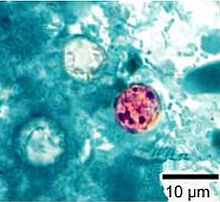
Research – Cyclospora cayetanensis: A Perspective (2020–2023) with Emphasis on Epidemiology and Detection Methods

Abstract
Cyclospora cayetanensis infections are prevalent worldwide, and the parasite has become a major public health and food safety concern. Although important efforts have been dedicated to advance toward preventing and reducing incidences of cyclosporiasis, there are still several knowledge gaps that hamper the implementation of effective measures to prevent the contamination of produce and water with Cyclospora oocysts. Some of these data gaps can be attributed to the fact that access to oocysts is a limiting factor in C. cayetanensis research. There are no animal models or in vivo or in vitro culture systems to propagate the oocysts needed to facilitate C. cayetanensis research. Thus, researchers must rely upon limited supplies of oocysts obtained from naturally infected human patients considerably restricting what can be learnt about this parasite. Despite the limited supply of C. cayetanensis oocysts, several important advances have happened in the past 3 years. Great progress has been made in the Cyclospora field in the areas of molecular characterization of strains and species, generation of genomes, and development of novel detection methods. This comprehensive perspective summarizes research published from 2020 to 2023 and evaluates what we have learnt and identifies those aspects in which further research is needed.
Posted in Contaminated water, Cyclospora, Cyclosporiasis, Decontamination Microbial, Food Micro Blog, Food Microbiology, Food Microbiology Blog, Food Microbiology Research, Food Microbiology Testing, microbial contamination, Microbial growth, Microbiological Risk Assessment, Microbiology, Microbiology Investigations, Microbiology Risk, Parasite, Protozoan, Water, water microbiology, Water Safety
USA – Mid America Pet Food Issues Voluntary Recall Due to Possible Salmonella Health Risk

Company Announcement
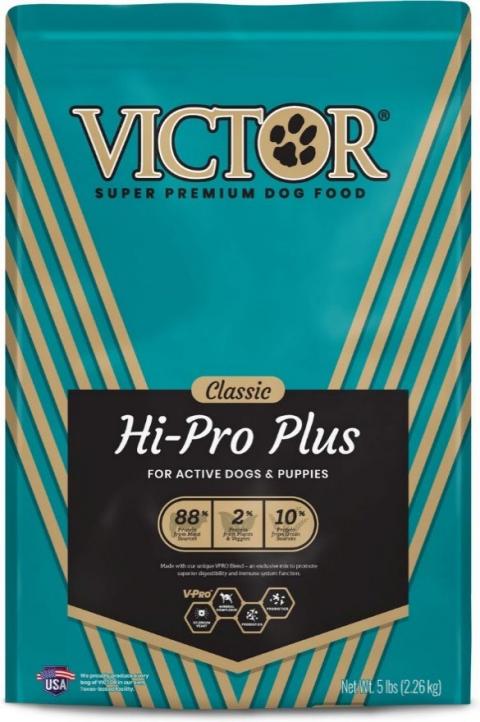
Mid America Pet Food, Mount Pleasant, Texas, is voluntarily recalling one lot of Victor Super Premium Dog Food, Hi-Pro Plus produced at its Mount Pleasant, Texas production facility because it has the potential to be contaminated with Salmonella. Salmonella can affect animals eating the products and there is risk to humans from handling contaminated pet products, especially if they have not thoroughly washed their hands after having contact with the products or any surfaces exposed to these products.
Healthy people infected with Salmonella should monitor themselves for some or all of the following symptoms: nausea, vomiting, diarrhea or bloody diarrhea, abdominal cramping and fever. Rarely, Salmonella can result in more serious ailments, including arterial infections, endocarditis, arthritis, muscle pain, eye irritation, and urinary tract symptoms. Consumers exhibiting these signs after having contact with this product should contact their healthcare providers.
Pets with Salmonella infections may be lethargic and have diarrhea or bloody diarrhea, fever, and vomiting. Some pets will have only decreased appetite, fever and abdominal pain. Infected but otherwise healthy pets can be carriers and infect other animals or humans. If your pet has consumed the recalled product and has these symptoms, please contact your veterinarian.
The affected product was only sold in 5-pound bags. No human or pet illnesses have been reported to date.
Products were distributed to various distributors and retailers in the United States. The affected product consists of 644 cases sold in 5-pound bags with lot code 1000016385 with Best By Date 4/30/2024. Lot code information is found on the back of the bag. Images of product are below.
No other products are included in this recall.
This voluntary recall is being issued due to a single sample of Victor Super Premium Dog Food that tested positive for Salmonella in a random sample test conducted by the South Carolina Department of Agriculture.
Retailers and distributors should immediately pull the recalled lot from their inventory and shelves. Do not sell or donate the recalled products.
Do not feed the recalled product to pets or any other animals. Destroy the food in a way that children, pets and wildlife cannot access. Wash and sanitize pet food bowls, cups and storage containers. Always ensure you wash and sanitize your hands after handling recalled food or any utensils that come in contact with recalled food.
Contact Mid America Pet Food Consumer Affairs at info@mapf.com or 1-888-428-7544 from 8 AM to 5 PM Central Time, Monday through Friday for additional information.
This is a voluntary recall being conducted in cooperation with the U.S. Food and Drug Administration.
Company Contact Information
- Consumers:
- Mid America Pet Food Consumer Affairs
- 1-888-428-7544
- info@mapf.com
- Media:
- Tim Schramm
- 908-370-4771
Research – Vital Surveillances: Epidemiological Evaluation of Bacillus cereus-Induced Foodborne Outbreaks — China, 2010–2020
Abstract
IntroductionBacillus cereus (B. cereus) is a common gram-positive bacterium that contaminates starch-rich food and can cause outbreaks of foodborne diseases. This study describes the characteristics of outbreaks caused by B. cereus in China during 2010–2020 and explore the possible reasons for changes in the number of outbreaks over time. Results of this analysis can efficiently help guide and allocate public resources to prevent B. cereus-caused foodborne diseases
Posted in Bacillus, Bacillus cereus, Decontamination Microbial, food bourne outbreak, Food Micro Blog, Food Microbiology, Food Microbiology Blog, Food Microbiology Research, Food Microbiology Testing, Food Poisoning, foodborne outbreak, foodbourne outbreak, microbial contamination, Microbial growth, Microbiological Risk Assessment, Microbiology, Microbiology Investigations, Microbiology Risk, outbreak, Poisoning
USA – ShopRite link in 4 State Salmonella Outbreak linked to Ground Beef
State and local public health officials interviewed people about the foods they ate in the week before they got sick. Of the 16 people interviewed, 10 (63%) reported eating ground beef. Nine sick people reported purchasing the ground beef from ShopRite locations in Connecticut, New Jersey, and New York. Seven of these people specifically reported purchasing 80% lean ground beef products. Two people reported purchasing ground beef products from ShopRite but could not remember the type of ground beef. Epidemiologic showed that ground beef was the likely source of the outbreak.
Whole genome sequencing (WGS) showed that bacteria from sick people’s samples were closely related genetically. This suggested that people in this outbreak may have gotten sick from the same food.
Posted in Decontamination Microbial, food bourne outbreak, Food Illness, Food Micro Blog, Food Microbiology, Food Microbiology Blog, Food Microbiology Research, Food Microbiology Testing, Foodborne Illness, foodborne outbreak, foodbourne outbreak, Illness, microbial contamination, Microbial growth, Microbiological Risk Assessment, Microbiology, Microbiology Investigations, Microbiology Risk, outbreak, Salmonella
Salmonella outbreak in Wrexham, Wales, over after 30 people fell sick
A Salmonella outbreak in a Welsh city has been declared over after sickening more than 30 people.
A total of 33 confirmed and one probable case were linked to a pub in Wrexham.
Despite an investigation and testing, the precise source or route of transmission in the Salmonella Infantis outbreak was not identified.
In late July, an Outbreak Control Team (OCT) was established including Public Health Wales, Betsi Cadwaladr University Health Board and Wrexham County Borough Council’s environmental health team.
No details on the age range or gender of patients were released to protect their identity.
Posted in food bourne outbreak, Food Illness, Food Micro Blog, Food Microbiology, Food Microbiology Blog, Food Microbiology Research, Food Microbiology Testing, Foodborne Illness, foodborne outbreak, foodbourne outbreak, Illness, microbial contamination, Microbial growth, Microbiological Risk Assessment, Microbiology, Microbiology Investigations, Microbiology Risk, outbreak, Salmonella
Listeria (Sweden September 2022–) VP Cold Smoked Salmon
Cases where people have contracted listeria infection are investigated by the Public Health Authority in collaboration with the regional infection control units and the Swedish Food Agency. The outbreak of listeria can be linked to salmon products from one producer.
2023-09-01
A total of 19 people have been reported sick in the outbreak with the same variant of listeria serotype IIa ST37 since autumn 2022, of which 15 cases since the end of May this year (see figure). The cases are aged 63-93, of which 13 are men and six are women. The cases have been reported from 10 different regions. Six of the disease cases have died in close connection with their listeria infection. However, it is often difficult to say what role the listeria infection has as a cause of death because most of the patients affected have severe underlying diseases.
Of the cases for which there is information about what they ate before becoming ill, 14 cases have eaten some type of vacuum-packed salmon (digging/cold-smoked/hot-smoked salmon) from one of two different brands. Both of these brands are produced by the same company and listeria has been detected in both products and environmental samples in the company’s facility. Comparisons of the bacteria’s genetic material in samples from food, plants and human cases show that it is the same variant of listeria, which points to the salmon products being the likely source of infection. The company has increased its sampling and is carrying out further clean-up measures at the facility.
The outbreak is being investigated together with the infection control units and the Swedish Food Agency.
Posted in food bourne outbreak, Food Illness, Food Micro Blog, Food Microbiology, Food Microbiology Blog, Food Microbiology Testing, Foodborne Illness, Foodborne Illness Death, foodborne outbreak, foodbourne outbreak, Illness, Listeria, Listeria monocytogenes, Listeria Smoked Fish, microbial contamination, Microbial growth, Microbiological Risk Assessment, Microbiology, Microbiology Investigations, Microbiology Risk, outbreak