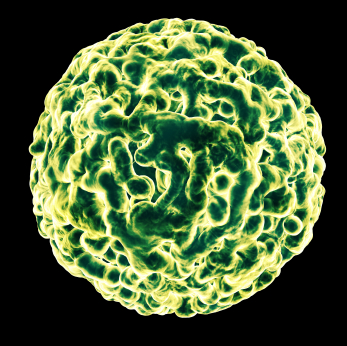
Category Archives: Hygiene

Canada – Recall Gorgonzola Cheese – Listeria monocytogenes

CFIA

The Canadian Food Inspection Agency (CFIA) and Agropur are warning the public not to consume the Il Villaggio brand Gorgonzola Dolce Cheese described in the link above because it may be contaminated with Listeria monocytogenes.

There have been no reported illnesses  associated with the consumption of this product.

The importer, Agropur, St-Hubert, Quebec, is voluntarily recalling the affected product from the marketplace.  The CFIA is monitoring the effectiveness of the recall.

Research – Campylobacter Antibiotic Resistance is Increasing

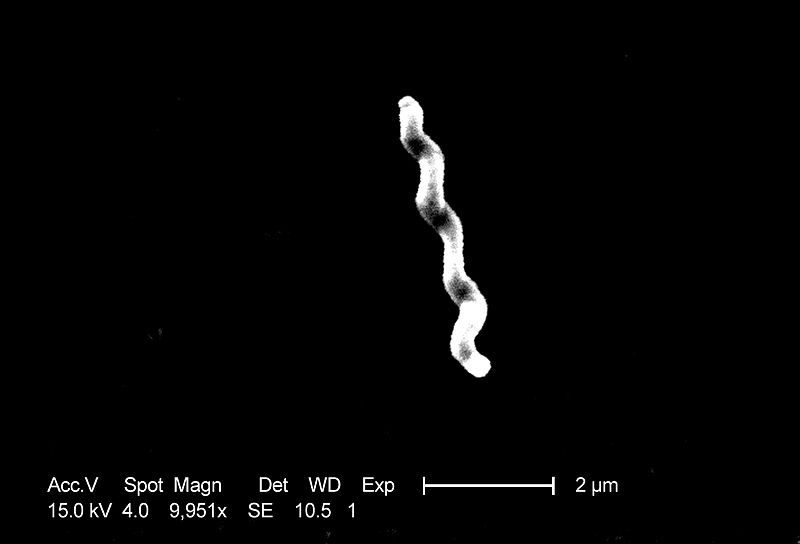
Food Poisoning BulletinCampylobacter_jejuni_01

Antibiotic resistance in Campylobacter is on the rise, according to a new study appearing in the July 7 edition of Emerging Infectious Disease. Researchers from the National Institute of Cholera and Enteric Diseases, Kolkata, India, where Campylobacter rates remain steady throughout the year, tested 142 samples and found that all of them were resistant to trimethoprim–sulfamethoxazole, (Septra, Bactrim) and 97 percent were resistant to quinolone (nalidixic acid) and fluoroquinolones (norfloxacin, ciprofloxacin, and ofloxacin). and erythromycin, azithromycin, gentamicin, furazolidone, and chloramphenicol. Multi-drug resistance was also high.

USA – Cyclospora Outbreak Update

BarfBlog 220px-Cyclospora_cayetanensis_stained

Authorities suspect that fresh vegetables are the source of a rare parasite sickening dozens of Iowans.

The Iowa Department of Public Health reported this morning that 45 cyclospora infections have been confirmed in the state in the past few weeks.

That’s up from 22 cases earlier this week.

Only 10 such cases had been reported in the state in the past 20 years. The parasite is usually transmitted by tainted produce or water. It can cause weeks of severe diarrhea.

Federal experts are helping to trace the cause. Officials are urging everyone to wash their produce carefully … though they note that Cyclospora can be difficult to wash off.

Investigators who interviewed the patients believe the outbreak started in tainted vegetables, not fruit.

Food Poisoning Journal – Cyclospora What You Need to Know

The Iowa Department of Public Health, CDC and local public health agencies are investigating an outbreak of an intestinal illness caused by Cyclospora (a rare parasite). As of July 12, 45 cases of Cyclospora infections have been reported in Iowa with dozens more in Nebraska and other Midwestern states. It appears linked to eating fresh vegetables.

USA – Salmonella Outbreak at a Funeral Home

Food Safety NewsSalmonella

At least 36 people who attended a funeral in western Alabama on July 6 have fallen ill with Salmonella infections, reported the Alabama Department of Public Health Wednesday.

The funeral was held at Eastern Star Baptist Church in York, AL, and was attended by at least 100 people, according to a press release from ADPH.

Of those known to have been sickened, 30 were hospitalized in 9 different states, including Alabama, California, Florida, Georgia, Illinois, Kansas, Michigan, Missouri and Oklahoma.

The health department’s investigation into the outbreak began June 8 after a local hospital reported that 25 people had come in late on July 6 and into the following day complaining of fever, diarrhea, nausea and vomiting.

USA – Warning – Vibrio in Warm Water Oysters

Food Safety News300px-Crassostrea_gigas_p1040848

The warmer coastal water temperature produced by summer weather creates ideal conditions for bacteria that can contaminate oysters, the Washington State Department of Health reminded the public over the Fourth of July weekend.

Vibrio vulnificus and Vibrio parahaemolyticus, two types of bacteria that grow in warm waters and can cause human illness, are known to be carried by oysters, especially in summer months.

There is further information at the link above.

Information – Managing Norovirus in Childcare Facilities

ECDCecdclogo

Norovirus, which has epidemiological characteristics that promote a high rate of infectivity and transmission, remains one of the most common causes of childhood gastroenteritis. A new technical report from ECDC provides guidance on steps that can be taken to better prevent and control outbreaks.

The Prevention of Norovirus Infection in Schools and Childcare Facilities report offers guidance to EU Member States regarding the efficacy of different ways to manage the spread of the virus. It also reviews findings related to the prevention and control of outbreaks of gastroenteritis in schools and childcare facilities.

Much of the guidance has been synthesised from numerous other international guideline documents, which have been formed by expert consensus. There is limited primary research on the efficacy of interventions for the prevention and control of norovirus.

Primary prevention measures include effective hand hygiene, frequent cleaning of childcare environments, especially toilet facilities, and adherence to robust food hygiene standards. The effectiveness of each measure is discussed more fully in the report.

This technical report was open to public consultation between 12 July and 31 August 2012. The responses to the consultation were taken into account and the report revised accordingly.

REPORT LINK

Research – Microbiological Quality of Fresh-Cut Carrots and Process Waters

Ingenta ConnectSalmonella

Fresh vegetables may be contaminated by pathogens in different ways after harvest. Pathogenic microorganisms associated with fresh vegetables can cause severe outbreaks of foodborne disease. We discuss here the results of microbiological analysis of carrot samples, as well as of washing, processing, and wastewater samples. Washed, unpeeled carrots generally contained the highest aerobic plate counts (mean, 5.5 log CFU/g). Escherichia coli was not detected in any carrot or water sample examined. The amounts of coliform bacteria and enterobacteria were higher in carrot samples taken from the first steps in the processing line than in samples taken in later phases of the process. Yersinia pseudotuberculosis was not detected in any of the samples by the cultivation method; however, nonpathogenic Yersinia enterocolitica was detected from most carrot samples and almost all washing water and wastewater samples but only from 2 of 10 process water samples. Using a more-sensitive real-time PCR method, pathogenic Y. enterocolitica was found from several carrot samples, and when these positive samples were cultivated, no pathogenic Y. enterocolitica strains were detected.

USA – Shigella Outbreak Traced to Lake Water

Food Safety News220px-Shigella_stool

The 750 feet of developed beachfront at Rhode Island’s Spring Lake is scattered with volleyball courts, paddle boats, canoes, food concessions and an entertainment arcade.  That beach, located in Burrillville, did not host the crowd of 2,000 that usually attend its Fourth of July festivities. Instead, days earlier, 92 people who entered the water at Spring Lake left sickened by Shigella bacteria.

The Shigella outbreak sent 16 people to area hospitals and by Sunday forced state officials to close the lake to swimmers.  Shigella causes gastrointestinal symptoms, but the illnesses are usually not severe.

Research – Norovirus – Surfaces – Handlers – DIsinfectants

Ingenta ConnectEurofins

Human infective noroviruses (NoVs) are a worldwide leading cause of foodborne illness and are frequently spread via infected food handlers preparing and manipulating food products such as deli sandwiches. The objective of the current study was to determine the efficiencies whereby NoV could be transferred between surfaces associated with the preparation of manually prepared foods such as deli sandwiches. Nonfood surfaces included gloves and stainless steel discs, and boiled ham, lettuce, and a sandwich bun were the ingredients of the deli sandwich. Both NoV GII.4 and the murine NoV 1 (MNV-1, a cultivable human NoV surrogate) were included in the presented study. Transfer of NoV GII.4 and MNV-1 between surfaces was performed by pressing an inoculated donor surface against an acceptor surface. To evaluate the effect of subsequent contact, donor surfaces were pressed a second time to an identical acceptor surface. Subsequently, NoV GII.4 and MNV-1 were detected using real-time reverse transcription PCR assays and plaque assays, respectively. Transfer of both viruses from gloves to stainless steel was inefficient, and virus transfer from food products to stainless steel occurred with more variability for NoV GII.4 than for MNV-1. Virus transfer from the stainless steel discs to the gloves was substantially more efficient than from the gloves to the stainless steel. NoV GII.4 and MNV-1 transfer from food products to the gloves occurred with varying efficiencies, although this variation was more evident for NoV GII.4. The MNV-1 inoculum was significantly less efficiently transferred to the acceptor surface at the second contact, which was not the case for NoV GII.4. The obtained transfer efficiency data may provide insights into the transfer of NoV during preparation of foods and can be included in risk assessment models describing the transmission of NoVs in this context.

Ingenta Connect

Human noroviruses (HuNoVs) are the most common cause of acute viral gastroenteritis worldwide and are a leading cause of foodborne disease. Their environmental persistence and purported resistance to disinfection undoubtedly contribute to their success as foodborne disease agents. The purpose of this study was to compare the efficacy of three commonly used disinfectant active ingredients against representative HuNoV strains and cultivable surrogates. Ethanol (50, 70, and 90%), sodium hypochlorite (5, 75, 250, 500, and 1,000 ppm), and a quaternary ammonium compound blend (at 0.1×, 1.0×, and 10× concentrations) were evaluated against two norovirus (NoV) genogroup II strains (GII.2 and GII.4) and two surrogates (feline calicivirus [FCV] and murine norovirus [MNV-1]). Virucidal suspension assays (30-s exposure) were conducted in accordance with ASTM International standard E-1052. Virus inactivation was quantified using reverse transcription quantitative PCR targeting the ORFI-ORFII junction (HuNoV), the RNA polymerase region (MNV-1), or the ORFI region (FCV); infectivity assays were also performed for MNV-1 and FCV. The two HuNoV strains and FCV were relatively resistant to ethanol (<0.5 log inactivation) irrespective of concentration, but MNV-1 was much more susceptible (log inactivation, ∼2.0 log at higher ethanol concentrations). Both HuNoV strains were more resistant to hypochlorite than were either of the animal surrogates, with the human strains requiring ≥500 ppm of hypochlorite to achieve statistically significant reduction (≥3.0 log) in virus concentration. All four viruses were resistant to inactivation (<0.5-log reduction) using the quaternary ammonium compound formulation at all concentrations tested. This study is novel in that it clearly demonstrates the relative ineffectiveness of common active disinfectant ingredients against HuNoV and highlights the fact that the cultivable surrogates do not always mimic HuNoV strains.

RASFF Alerts -Salmonella – Poultry – STEC – Deer Meat- Norovirus – Oysters- Ochratoxin – Raisins – Afaltoxin – Groundnuts

RASFF -Salmonella Minnesota (presence /25g) in frozen chicken meat (Gallus gallus) from Brazil in Spain

RASFF -Shigatoxin-producing Escherichia coli (E. coli  VT2 and EAE positive) in frozen deer meat from Austria in Italy

RASFF – Shigatoxin-producing Escherichia coli (VT2, EAE positive) in frozen deer meat from Austria in Italy

RASFF – Norovirus (G I) in oysters from France in Italy

RASFF – Ochratoxin A (111.65 µg/kg – ppb) in raisins from South Africa in Poland

RASFF – Aflatoxins (B1 = 5.9 µg/kg – ppb) in groundnuts from China in the Netherlands