Category Archives: foodbourne outbreak

RASFF Alert – Foodborne Outbreak suspected (Histamine) – Chilled Tuna in Sunflower Oil

RASFF-Logo

RASFF – foodborne outbreak suspected (histamine) to be caused by chilled tuna in sunflower oil from Ecuador in Italy

USA – Red Robin in Westminster Colorado link in E. coli O157 Outbreak

Food Poison Journal

Three individuals, including one adult and two children, tested positive for the bacteria E. coli O157:H7 with all persons having reported eating at the Red Robin restaurant located at 799 W. 146th Ave in Westminster, Colorado. Tri-County Health Department inspected the restaurant on July 9, 2019, after receiving information about the outbreak from the Colorado Department of Public Health and Environment. Two of the three individuals infected were hospitalized, and the investigation is ongoing.

USA – Outbreak of E. coli Infections Linked to Flour – Outbreak is Over.

CDC

Recalls and Advice to Consumers, Restaurants, and Retailers
Illustration of a clipboard with check marks on it.
At A Glance


Photo of flour.

Several brands and types of flour were recalled because they may be contaminated with E. coli. Consumers should not use recalled products.

Consumers should not use any of the recalled flour. Throw it out.

  • If you stored flour in another container without the packaging and don’t remember the brand or “use by” date, throw it away.
  • Thoroughly wash the container before using it again.

Eating raw dough can make you sick.

  • Any flour or raw eggs used to make dough or batter might be contaminated with harmful germs.
  • Bake or cook food made with raw dough or batter before eating it. Follow the recipe or instructions on the package. Do not use recalled flour in cooking or baking.
  • Do not taste raw dough or batter. Even tasting a small amount could make you sick.

Clean up thoroughly after baking.

  • Wash any bowls, utensils, and other surfaces that were used when baking with warm water and soap.
  • Wash your hands with water and soap before and after baking.

Contact your healthcare provider if you think you may have become ill from eating raw dough.

Restaurants and other retailers should not use, sell, or serve any of the recalled flour.

  • If you stored flour in another container without the packaging and don’t remember the brand or “use by” date, throw it away.
  • Restaurants and retailers should thoroughly wash flour storage containers before using them again.

Restaurants and other retailers should always be safe with raw dough.

  • Do not give customers raw dough to play with or eat. It is not safe to eat or play with raw dough, whether made from recalled flour or any other flour.
  • Bake or cook food made with raw dough or batter before serving or selling it. Follow the recipe or instructions on the package. Do not use recalled flour in cooking or baking.
  • As of July 11, 2019, this outbreak appears to be over.
  • A total of 21 people infected with the outbreak strain of E. coli O26 were reported from 9 states.
    • Illnesses started on dates ranging from December 11, 2018, to May 21, 2019.
    • Three hospitalizations and no deaths were reported.
  • Epidemiologic and laboratory evidence, supported by product distribution records, indicated flour was the likely source of this outbreak.
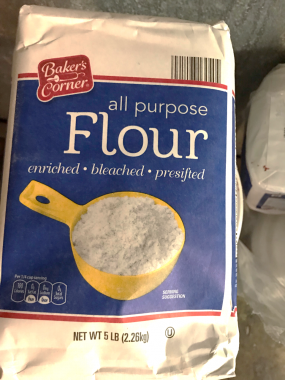
  • Several products were recalled because they may be contaminated with E. coli. Those products include 5-lb. bags of Baker’s Corner All Purpose Flour sold at ALDI, some 5-lb. bags of King Arthur Unbleached All-Purpose Flour, certain 5-lb. bags of Pillsbury Best Bread Flour, and several brands of cookie and brownie mix produced by Brand Castle. For more information about these recalls, visit the FDA websiteexternal icon.

RASFF Alert – Foodborne Outbreak suspected (Salmonella spp) – Coppa

RASFF-Logo

RASFF – foodborne outbreak suspected (Salmonella spp) to be caused by coppa from Italy in France

Philippines – Hundreds hospitalized with suspected food poisoning during Marco’s birthday party

Outbreak News Today

More than 300 people have been hospitalized due to suspected food poisoning during the 90th birthday celebration of Imelda R. Marcos, the former first lady of the Philippines, according to Philippines news sources.

According to Health Secretary Francisco Duque III, 306 are still admitted in the hospital. He went on to say that 149 have been discharged while the rest are still under observation or admitted in the hospital.

The patients “suffered from vomiting and dizziness,” said Richard Gordon, the chairman of the Philippine National Red Cross, which deployed emergency teams to the Ynares Sports Complex east of Manila where the party was held.

Mr. Gordon, who is also a Philippine senator, said hundreds of the estimated 2,000 people at the event apparently became ill after eating chicken adobo, rice and eggs.

USA – Outbreak of Salmonella Infections Linked to Karawan brand Tahini

CDC

This outbreak appears to be over, but recalled tahini products have a long shelf life and may still be in people’s homes. Consumers unaware of the recall could continue to eat these products and potentially get sick. Visit the FDA websiteexternal iconfor a full list of recalled products.

Final Outbreak Information
Illustration of a megaphone.
  • As of June 26, 2019, this outbreak appears to be over.
  • A total of 6 people infected with the outbreak strain of Salmonella Concord were reported from 3 states.
    • Illnesses started on dates ranging from March 9, 2019, to May 2, 2019.
    • One hospitalization and no deaths were reported.
  • Epidemiologic, traceback, and laboratory evidence indicated that Karawan brand tahini products were the likely source of this outbreak.
  • Do not eat, sell, or serve recalled tahini that is labeled as Karawan Tahini, El-Karawan Tahin,i or SoCo Tahini. Do not eat, sell, or serve products made with recalled tahini, such as hummus.
  • This outbreak was not related to another recent multistate outbreak of Salmonella Concord infections linked to tahini. Ill people in the previous outbreak were infected with a different outbreak strain of Salmonella Concord.

USA – Norovirus sickens dozens in outbreak linked to bar drinks

Outbreak News Today norovirus-1080x655

Officials with the Benton-Franklin Health District in Kennewick, WA reported on the investigation of a norovirus outbreak linked to a local restaurant.

According to the timeline, health officials received the first reports over President’s Day weekend and at the conclusion of the investigation, 26 patrons of 3 Eyed Fish, a wine bar and restaurant in Richland were reported as infected.

In addition, the investigation revealed that drink garnishes were sometimes handled with bare hands, after interviewing bartenders.The outbreak was linked to poor food handling practices by an infectious bartender. During the investigation, it was noted that the infectious employee who worked the night most ill patrons ate, returned to work less than 12 hours after they had an episode of diarrhea that same weekend.

Information – FDA issues new draft guidance to improve the safety of seeds for sprouting

FDA alfalfa

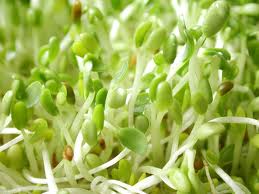
“Over the past 22 years, the FDA has investigated 50 reported outbreaks of foodborne illness associated with contaminated sprouts. Together, these outbreaks resulted in more than an estimated 2,600 cases of illness. Last year, there were two reported outbreaks associated with sprouts, resulting in more than an estimated 100 illnesses. Studies indicate that contaminated seed is the likely source of most sprout-related outbreaks, as this commodity is inherently more susceptible to these issues because they are grown in warm and humid conditions that are favorable for bacteria like Salmonella, Listeria and E. coli,” said FDA Deputy Commissioner for Food Policy and Response Frank Yiannas. “The FDA is committed to taking swift action to respond to outbreaks related to sprouts and keep our food supply safe, but we also know that measures to prevent issues from happening in the first place are an important element of protecting consumers. By studying outbreaks related to sprouts over the years, we have been able to recommend changes in the industry to help lower the incidence of sprout-related outbreaks. Today’s new draft guidance is another critical step, like the Sprout Safety Alliance or sprout-specific requirements of the Produce Safety Rule, the agency is taking to prevent illnesses related to sprouts.”

The U.S. Food and Drug Administration today released a proposed draft guidance, “Reducing Microbial Food Safety Hazards in the Production of Seed for Sprouting,” intended to make the sprout seed industry (seed growers, conditioners, packers, holders, suppliers, and distributors) aware of the agency’s serious concerns with the continuing outbreaks of foodborne illness associated with the consumption of raw and lightly-cooked sprouts.

Incorporating aspects of the Codex Code of Hygienic Practice for Fresh Fruits and Vegetables Annex II, Annex for Sprout Production; the International Sprout Growers Association-Institute for Food Safety and Health’s “U.S. Sprout Production Best Practices”; and Good Agricultural Practices, the FDA’s draft guidance issued today provides the agency’s recommendations to firms throughout the production chain of seed for sprouting. It states that if a grower, holder, conditioner, or distributor reasonably believes that its seeds are expected to be used for sprouting, we recommend that the grower, holder, conditioner, or distributor take steps that are reasonably necessary to prevent those seeds from becoming contaminated. We also recommend that firms throughout the supply chain – from seed production and distribution through sprouting – review their current operations related to seeds for sprouting.

During the 60-day comment period for this draft guidance, stakeholders will be able to provide comments on the draft provisions. For more information on this guidance, as well as instructions on how to submit your comments, please visit Draft Guidance for Industry: Reducing Microbial Food Safety Hazards in the Production of Seed for Sprouting.


USA – Outbreak of E. coli Infections Linked to Ground Beef Final Update

CDC

This outbreak appears to be over. Ill people in this outbreak ate ground beef from many sources. No single supplier, distributor, or brand of ground beef was identified. Consumers and restaurants should always handle and cook ground beef safely to avoid foodborne illness.

Sweden – New outbreak of Yersinia infection is being investigated

Outbreak News

In Sweden, the National Institute of Public Health, or Folkhälsomyndigheten is reporting a new outbreak of infections caused by Yersinia enterocolitica type O3. The source of infection is still unknown.

So far, 26 cases of disease have been confirmed to belong to the outbreak by means of whole-genome sequencing. Another handful of cases are investigated. Since the current outbreak strain of Yersinia enterocolitica type O3 has been found in different parts of the country, it is likely that a food borne infection. The current outbreak strain differs from the one that caused a Yersinia outbreak earlier in the spring.During the middle of May, an number of reported cases of Yersinia infection has been seen in Sweden. Seven regions from different parts of the country have reported cases, but the majority of cases come from the northernmost regions of the country.