Klein Foods, Inc. of Marshall, MN is recalling Chocolate Peanut Butter Fudge because of potential Salmonella contamination.
The products were distributed in Minnesota.
See link above for the product list.

Klein Foods, Inc. of Marshall, MN is recalling Chocolate Peanut Butter Fudge because of potential Salmonella contamination.
The products were distributed in Minnesota.
See link above for the product list.
Posted in food bourne outbreak, food contamination, food handler, Food Hazard, Food Hygiene, Food Inspections, Food Micro Blog, Food Microbiology, Food Microbiology Blog, Food Microbiology Testing, Food Pathogen, food recall, Food Safety, Food Safety Alert, Food Safety Management, Food Testing, foodborne outbreak, foodbourne outbreak, outbreak, Salmonella, Salmonella Peanut Butter
| Date Posted |
Ref | Pathogen |
Product | Total Case Count |
Status |
| 6/8/
2022 |
1068 | E. coli O157:H7 |
Not Yet Identified | 10 | Active |
| 6/1/
2022 |
1066 | Hepatitis A Virus | Strawberries | See Outbreak Advisory |
Active |
| 5/25/
2022 |
1067 | Salmonella Senftenberg |
Peanut Butter | See Outbreak Advisory | Active |
| 4/20/
2022 |
1064 | Not Yet Identified |
Dry Cereal | 558 adverse event reports |
Active |
| 4/13/
2022 |
1057 | Listeria monocytogenes |
Not Yet Identified |
21 | Active |
| 3/30/
2022 |
1060 | Not Yet Identified |
Meal Replacement Drink |
6 adverse event reports |
Closed |
| 3/16/
2022 |
1055 | Salmonella Saintpaul |
Not Identified | 60 | Closed |
| 2/17/
2022 |
1056 | Cronobacter sakazakii |
Powdered Infant Formula |
See Advisory |
Active (IMG) |
| 2/9/
2022 |
1040 | Listeria monocytogenes |
Not Identified | 20 | Closed |
| 2/2/
2022 |
1054 | Enteroinvasive E. coli O143:H26 |
Not Identified |
16 | Closed |
| 1/10/
2022 |
1050 | E. coli O121:H19 |
Romaine | 4 | Closed |
Posted in Cronobacter sakazakii, E.coli O121, E.coli O157, E.coli O157:H7, FDA, food bourne outbreak, Food Illness, Food Micro Blog, Food Microbiology, Food Microbiology Blog, Food Microbiology Research, Food Microbiology Testing, Foodborne Illness, foodborne outbreak, foodbourne outbreak, Hepatitis A, Illness, Listeria monocytogenes, microbial contamination, Microbiological Risk Assessment, Microbiology, Microbiology Investigations, O143:H26, outbreak, Salmonella, Salmonella Peanut Butter
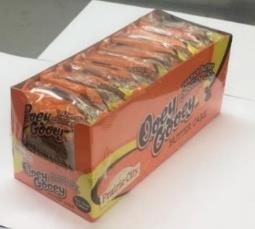
Prairie City Bakery of Vernon Hills, IL is voluntarily recalling select lots of Prairie City Bakery® Peanut Butter Chocolate Chip Ooey Gooey Butter Cake. The product contains Jif® peanut butter that was voluntarily recalled by the J.M. Smucker company on May 20, 2022, due to the potential for Salmonella contamination.
Salmonella is an organism which can cause serious and sometimes fatal infections in young children, frail or elderly people, and others with weakened immune systems. Healthy persons infected with Salmonella often experience fever, diarrhea (which may be bloody), nausea, vomiting and abdominal pain. In rare circumstances, infection with Salmonella can result in the organism getting into the bloodstream and producing more severe illnesses such as arterial infections (i.e., infected aneurysms), endocarditis and arthritis.
At the time of this release, there have been no illnesses reported.
This recall affects 50,220 individually wrapped cakes sold in 2 ounce packages and in ten packs of 2 ounce packages of Prairie City Bakery® Peanut Butter Chocolate Chip Ooey Gooey Butter Cake containing cooked peanut butter. They were sold at gas stations and convenience stores nationwide.
The recalled product should not be consumed or handled outside of its package. The product should be disposed of or returned to place of purchase. The recalled product can be identified using the following information:
Product UPC information:
Ten Pack UPC: 7-97884-36719-9
Individual Unit UPC: 7-97884-36718-2
The lot and date codes below are recalled:
| 1357-1 | Best by 6/23/2023 |
| 2085-1 | Best by 9/25/2023 |
The recall was initiated after our copacker who produces and packages this item for Prairie City Bakery was alerted that the peanut butter used had been recalled by Jif®.
Consumers who have purchased this product may contact the company at (800) 338-5122 with the package code information for refunds Monday thru Friday, between 9:00 a.m. and 5:00 p.m. Central Time


Posted in FDA, food bourne outbreak, food contamination, food handler, Food Hazard, Food Hygiene, Food Illness, Food Inspections, Food Micro Blog, Food Microbiology, Food Microbiology Blog, Food Microbiology Testing, Food Pathogen, food recall, Food Safety, Food Safety Alert, Food Testing, foodborne outbreak, foodbourne outbreak, outbreak, Salmonella, Salmonella Peanut Butter

In a follow-up on the gastrointestinal outbreak that affected 93 people (passengers and crew) onboard a recent voyage of Carnival Cruise Line’s, Carnival Splendor, the Centers for Disease Control and Prevention (CDC) now states that norovirus was the causative agent of the outbreak.
Seventy-seven passengers and 16 crew members suffered with symptoms of vomiting and diarrhea during the May 24–31, 2022 voyage.
Posted in CDC, food bourne outbreak, food contamination, food handler, Food Hazard, Food Hygiene, Food Illness, Food Inspections, Food Micro Blog, Food Microbiology, Food Microbiology Blog, Food Microbiology Testing, Food Pathogen, food recall, Food Safety, Food Safety Alert, Food Testing, Food Virus, Foodborne Illness, foodborne outbreak, foodbourne outbreak, Illness, Norovirus, outbreak, Virus
France and the United Kingdom have the most patients in the Ferrero chocolate Salmonella outbreak that has sickened almost 450 people.
The UK has 122 monophasic Salmonella Typhimurium patients.
Santé publique France reported that as of June 2, there were 118 sick people in the country. This is up from the 81 cases reported on May 4.
French patients have a median age of 4 years old and includes 57 girls and 61 boys. Onset of symptoms occurred between Jan. 20 and April 4, 2022.
Twenty-two people were hospitalized because of salmonellosis but they have since been discharged and no deaths were reported.
Fifty-one cases have been interviewed by Santé publique France and all of them, except one, reported consumption of Kinder chocolates.
Nicolas Neykov, the head of Ferrero France, told the newspaper Le Parisien in May that more than 3,000 tons of Kinder products have been withdrawn and the incident will cost the company “tens of millions of Euros.”
Posted in food bourne outbreak, food contamination, food handler, Food Hygiene, Food Illness, Food Inspections, Food Micro Blog, Food Microbiology, Food Microbiology Blog, Food Microbiology Testing, Food Pathogen, food recall, Food Safety, Food Safety Alert, Food Safety Management, food safety training, Food Testing, Foodborne Illness, foodborne outbreak, foodbourne outbreak, Illness, outbreak, Salmonella, Salmonella in Chocolate
Highlights
•A strain of Salmonella Newport caused reoccurring human infections and two outbreaks associated with ground beef.
•There were over 100 illnesses for each outbreak (106 in outbreak 1 and 436 in outbreak 2), which is unusual for ground beef outbreaks.
•The investigations prompted a government-industry collaboration on innovative methods of obtaining shopper history. Shopper history best practices and success stories are highlighted in an article on the Association of Food and Drug Officials webpage.
What Happened?
From 2016 to 2019, in collaboration with public health partners, the Food Safety and Inspection Service (FSIS) investigated two Salmonella Newport outbreaks:
•The majority of reported ill people lived in the Southwestern area of the United States.
•The analyzed isolates did not show any predicted antimicrobial resistance.
•At least 80% of the ill people had eaten ground beef in the week before illness. At least one ground beef sample tested positive for Salmonella Newport and was closely related by whole genome sequencing (WGS) to clinical isolates.
•Ill people reported eating or possibly eating undercooked ground beef.
Posted in food bourne outbreak, food contamination, food handler, Food Hazard, Food Hygiene, Food Illness, Food Inspections, Food Micro Blog, Food Microbiology, Food Microbiology Blog, Food Microbiology Research, Food Microbiology Testing, Food Pathogen, food recall, Food Safety, Food Safety Alert, Food Safety Management, food safety training, Food Testing, Foodborne Illness, foodborne outbreak, foodbourne outbreak, Illness, outbreak, Research, Salmonella
Following the investigations carried out by the Belgian health authorities, together with their English, European and in particular French counterparts, the company Ferrero proceeded on April 5, 2022 to the recall of several Kinder range products manufactured in a factory in Belgium due to suspected contamination by Salmonella Typhimurium . On April 8, 2022, the recall finally affected all Kinder products from this factory, regardless of their expiry date. On April 14, 2022, an update of the recalled products, including the 2021 Christmas Advent Calendars, was released.
In total, as of 02/06/2022: 118 cases of salmonellosis with a strain belonging to the epidemic have been identified by the National Reference Center (CNR) for salmonella at the Institut Pasteur in France (figure 1) .
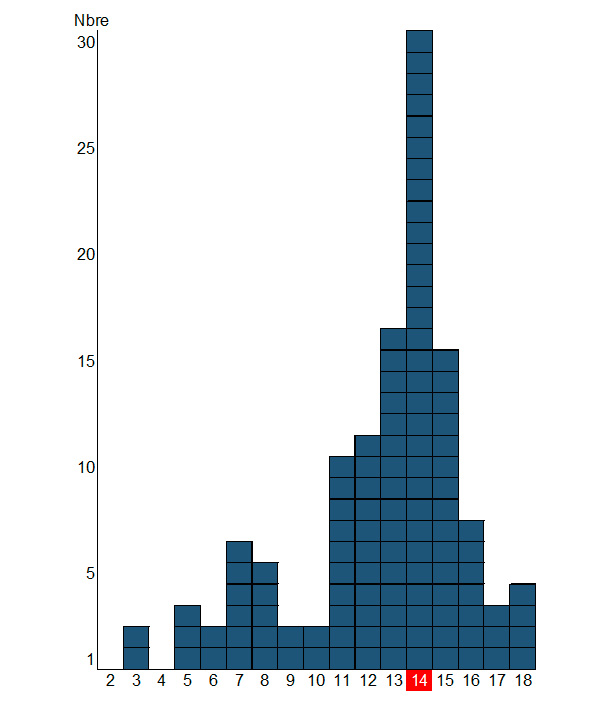
The 118 cases are spread over 12 metropolitan regions (Ile-de-France (24 cases), Grand-Est (19 cases), Auvergne-Rhône-Alpes (17 cases), Provence-Alpes-Côte d’Azur (17 cases) , Hauts-de-France (9 cases), Bourgogne-Franche-Comté (7 cases), Occitanie (7 cases), Normandy (6 cases), New Aquitaine (6 cases), Brittany (3 cases), Corsica (2 cases) and Pays de la Loire (1 case)) with a median age of 4 years, and concern 57 girls and 61 boys.
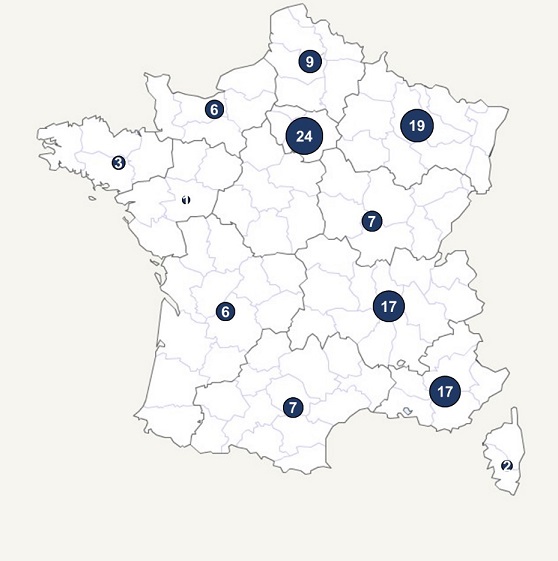
Fifty-one cases were questioned by Public Health France. All the cases, except 1, report, before the onset of their symptoms (which occurred between 20/01 and 04/04/2022), the consumption of chocolates of the brand cited here.
Twenty-two people were hospitalized for their salmonellosis, all since discharged. No deaths were reported.
The foods in question having been identified and the management measures taken, the weekly situation updates are drawn up. Public Health France continues to monitor the reporting of cases by the NR, which are expected due to the different delays inherent in monitoring ( see the infographic dedicated to food alerts ).
The successive withdrawals and recalls of the Kinder brand products concerned, produced by the Belgian factory with its closure by the Belgian authorities, should limit the occurrence in France of new cases of salmonellosis in connection with these chocolates.
The possible identification of new cases with dates of isolation at a distance from the recall withdrawal measures will be the subject of investigations if necessary.
To find out the list of products concerned by the withdrawal-recall: https://rappel.conso.gouv.fr/
People who have consumed the products mentioned above and who present symptoms (gastrointestinal disorders, fever within 72 hours of consumption), are invited to consult their doctor without delay, notifying him of this consumption.
In order to limit person-to-person transmission (especially in households with young children), it is recommended to wash your hands well with soap and water after using the toilet, after changing your child, and before to cook.
Posted in Decontamination Microbial, food bourne outbreak, Food Illness, Food Micro Blog, Food Microbiology, Food Microbiology Blog, Food Microbiology Research, Food Microbiology Testing, Foodborne Illness, foodborne outbreak, foodbourne outbreak, Illness, microbial contamination, Microbiological Risk Assessment, Microbiology, Microbiology Investigations, outbreak, Research, Salmonella, Salmonella in Chocolate
The Centers for Disease Control and Prevention’s (CDC) Vessel Sanitation Program (VSP) reports investigating two outbreaks on recent cruise ship voyages- Seabourn Cruise Lines, Seabourn Odyssey and Carnival Cruise Line’s Carnival Splendor.
Seabourn Odyssey: 20 passengers and crew on a recent voyage (April 28–May 19, 2022) were sickened with symptoms of diarrhea and vomiting.
The etiology of the outbreak is unknown.
In response to the outbreak, Seabourn Cruise Lines and the crew aboard the ship reported the following actions:
Carnival Splendor: 93 passengers and crew have reported being ill during the May 24–31, 2022 voyage.
Like the Seabourn outbreak, individuals affected on this cruise suffered from vomiting and diarrhea. The cause of the outbreak is unknown.
Posted in food bourne outbreak, Food Illness, Food Micro Blog, Food Microbiology, Food Microbiology Blog, Food Microbiology Research, Food Microbiology Testing, Foodborne Illness, foodborne outbreak, foodbourne outbreak, Illness, microbial contamination, Microbiological Risk Assessment, Microbiology, Microbiology Investigations, outbreak
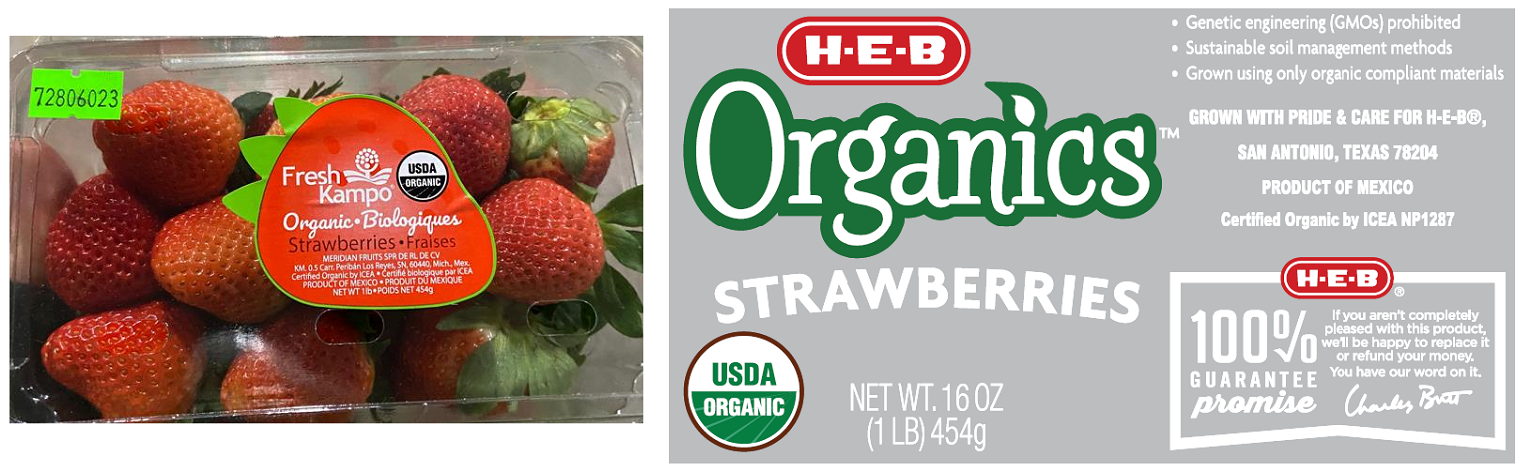
The FDA, along with CDC, and state and local partners, is investigating a multistate outbreak of hepatitis Ainfections in the United States linked to fresh organic strawberries. These potentially contaminated strawberries were imported from Baja California, a state in northern Mexico and branded as FreshKampo and HEB by a common supplier; they were purchased between March 5, 2022, and April 25, 2022. The Public Health Agency of CanadaExternal Link Disclaimer and the Canadian Food Inspection AgencyExternal Link Disclaimer are also investigating an outbreak of hepatitis A. Imported fresh organic strawberries have been identified as the likely source of that outbreak.
Currently, these fresh organic strawberries branded as FreshKampo and HEB products are past shelf life and are not available for purchase in stores. People who purchased FreshKampo and HEB fresh organic strawberries between March 5, 2022, and April 25, 2022, and then froze those strawberries for later consumption should not eat them. These products may have been sold at the following retailers, including, but not limited to:
If you are unsure of what brand you purchased, when you purchased your strawberries, or where you purchased them from prior to freezing them, the strawberries should be thrown away.
Epidemiologic and traceback data show that fresh organic strawberries are a likely source of illness in this outbreak. Illness onset dates range from March 28 – April 30, 2022. Records from outbreak-associated cases in California and Minnesota show cases having purchased FreshKampo brand fresh organic strawberries prior to becoming ill. These purchases occurred between March 5, 2022, and April 25, 2022. The traceback investigation for these cases shows that the strawberries were imported from Baja California, Mexico by a common supplier. Strawberries that were identified in shipments purchased by cases were sold under both the FreshKampo and HEB brands.
As this investigation is ongoing, additional products may be included. More information will be provided in this advisory as it becomes available.
Consumers, restaurants, and retailers should not sell, serve, or eat any fresh organic strawberries branded as FreshKampo or HEB if purchased between March 5, 2022, and April 25, 2022. People who purchased the fresh strawberries and then froze those strawberries for later consumption should not eat them. They should be thrown away. Currently, the potentially contaminated product is past its shelf life. If you are unsure of what brand you purchased, when you purchased your strawberries, or where you purchased them from prior to freezing them, the strawberries should be thrown away.
If consumers purchased fresh organic strawberries branded as FreshKampo or HEB between March 5, 2022, and April 25, 2022, ate those berries in the last two weeks, and have not been vaccinated against hepatitis A, they should immediately consult with their healthcare professional to determine whether post exposure prophylaxis (PEP) is needed. PEP is recommended for unvaccinated people who have been exposed to hepatitis A virus in the last two weeks because vaccination can prevent a hepatitis A infection if given within 14 days of exposure. Those with evidence of previous hepatitis A vaccination or previous hepatitis A infection do not require PEP.
Contact your healthcare provider if you think you may have symptoms of a hepatitis A infection after eating these fresh organic strawberries, or if you believe that you have eaten these strawberries in the last two weeks.
Total U.S. Illnesses: 17
Hospitalizations: 12
Deaths: 0
Last illness onset: April 30, 2022
States with Cases: CA (15), MN (1), ND (1)
Product Distribution: Nationwide
Posted in food bourne outbreak, food contamination, food handler, Food Hazard, Food Hygiene, Food Illness, Food Inspections, Food Micro Blog, Food Microbiology, Food Microbiology Blog, Food Microbiology Testing, Food Pathogen, food recall, Food Safety, Food Safety Alert, Food Testing, Food Virus, Foodborne Illness, foodborne outbreak, foodbourne outbreak, Hepatitis A, Illness, outbreak, Virus
various JIF branded peanut butter products
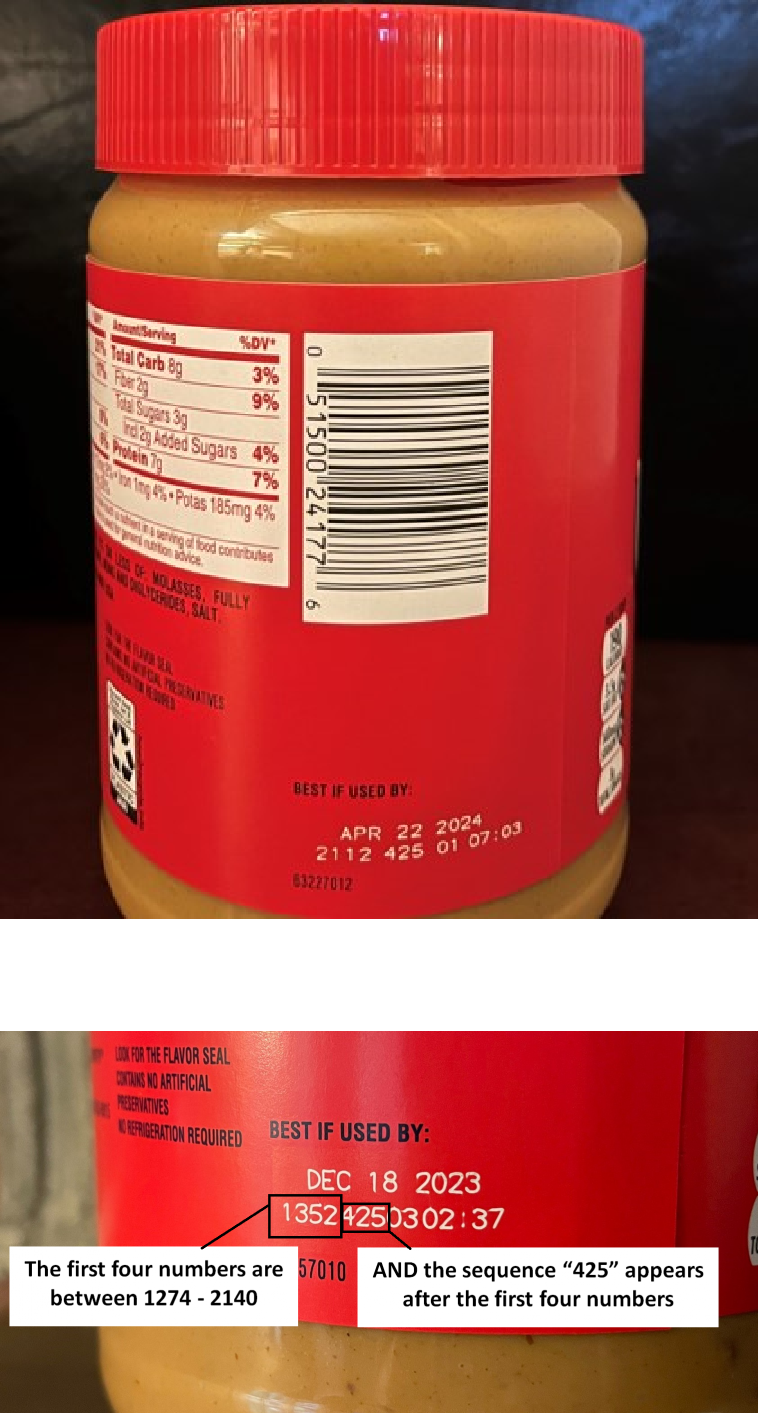
FDA sample product image
JM Smucker Company
possible contamination with Salmonella Senftenberg
Reference to a public warning from the US Food and Drug Administration:
P ossible contamination with Salmonella Senftenberg in peanut butter products from the USA
As of June 1st, 2022
The US Food and Drug Administration (FDA) warns against consuming certain “JIF” branded peanut butter products.
On May 24, 2022, JIF announced that it had initiated a voluntary recall of certain lots of potentially affected products. The product designation can be found in the attachment.
The recall is related to an outbreak of Salmonella Senftenberg in the United States.
The products were distributed within the USA and other third countries, as well as in Spain. The products mentioned are currently not recognizable in Germany.
There is a possibility that consumers could have purchased the products online via marketplaces or through short-term stays in the Member States and third countries in which sales took place.
The FDA advises consumers to observe the following points:
The FDA warns against using the products mentioned as feed for animals.
For more information on the FDA’s warning, please visit the following link: https://www.fda.gov/food/outbreaks-foodborne-illness/outbreak-investigation-salmonella-peanut-butter-may-2022
You can find the manufacturer’s recall under the following link: https://jms-s3-mkt-consumer-p-pmc6.s3.us-east-2.amazonaws.com/recall.html
Salmonella:
Salmonella disease manifests itself within a few days after infection with diarrhoea, abdominal pain and occasionally vomiting and a slight fever. The symptoms usually subside on their own after a few days. Babies, small children, senior citizens and people with a weakened immune system in particular can develop more severe illnesses. Anyone who has eaten this food and develops severe or persistent symptoms should seek medical attention and report possible salmonella infection. It makes no sense to seek preventive medical treatment without symptoms.
Further information on salmonella, also in other languages, can be found here: http://www.infection-protection.de/erregersteckbriefe/salmonellen
poststelle@bvl.bund.de
Posted in food bourne outbreak, food contamination, food handler, Food Hazard, Food Hygiene, Food Illness, Food Inspections, Food Micro Blog, Food Microbiology, Food Microbiology Blog, Food Microbiology Testing, Food Pathogen, food recall, Food Safety, Food Safety Alert, Food Safety Management, Food Testing, Foodborne Illness, foodborne outbreak, foodbourne outbreak, Illness, outbreak, Salmonella, Salmonella Peanut Butter


